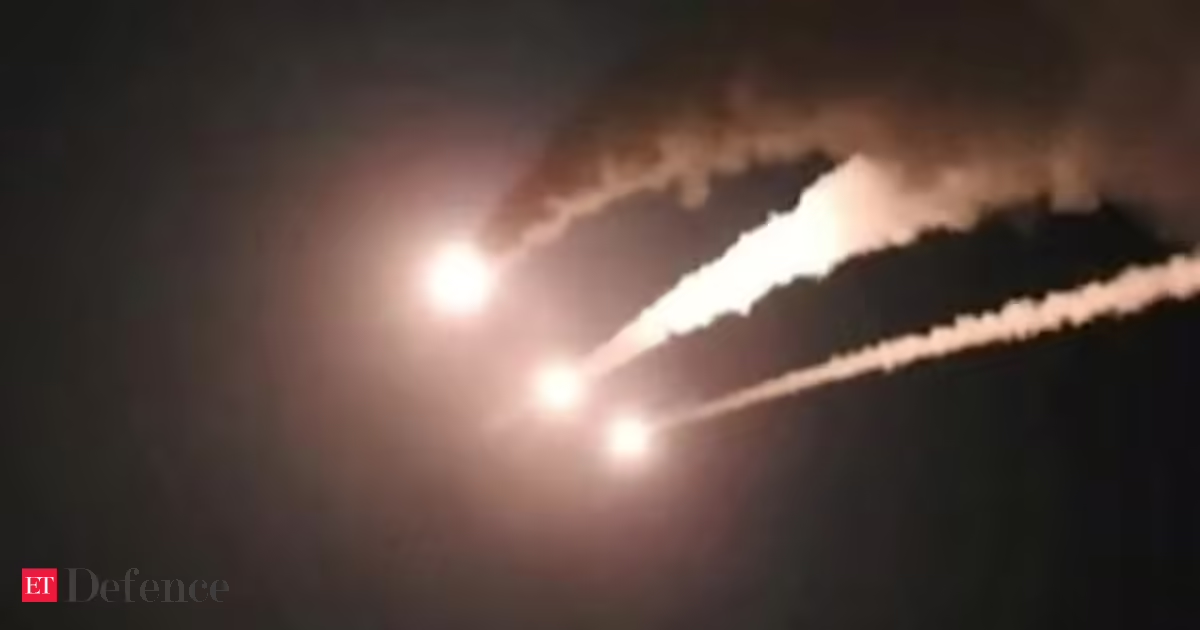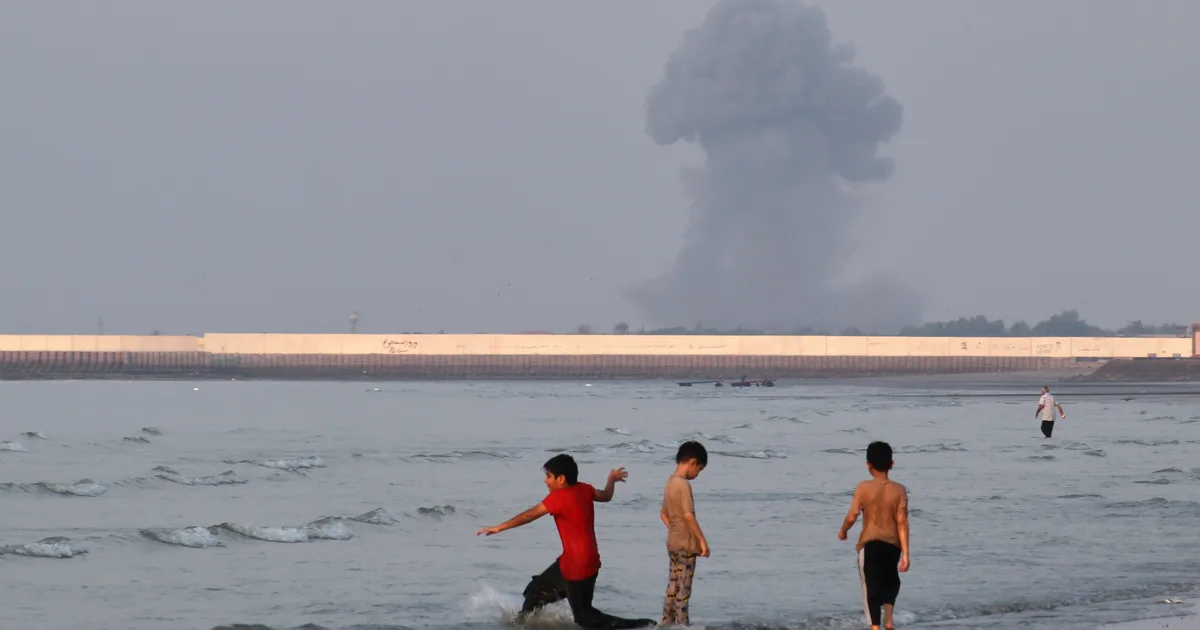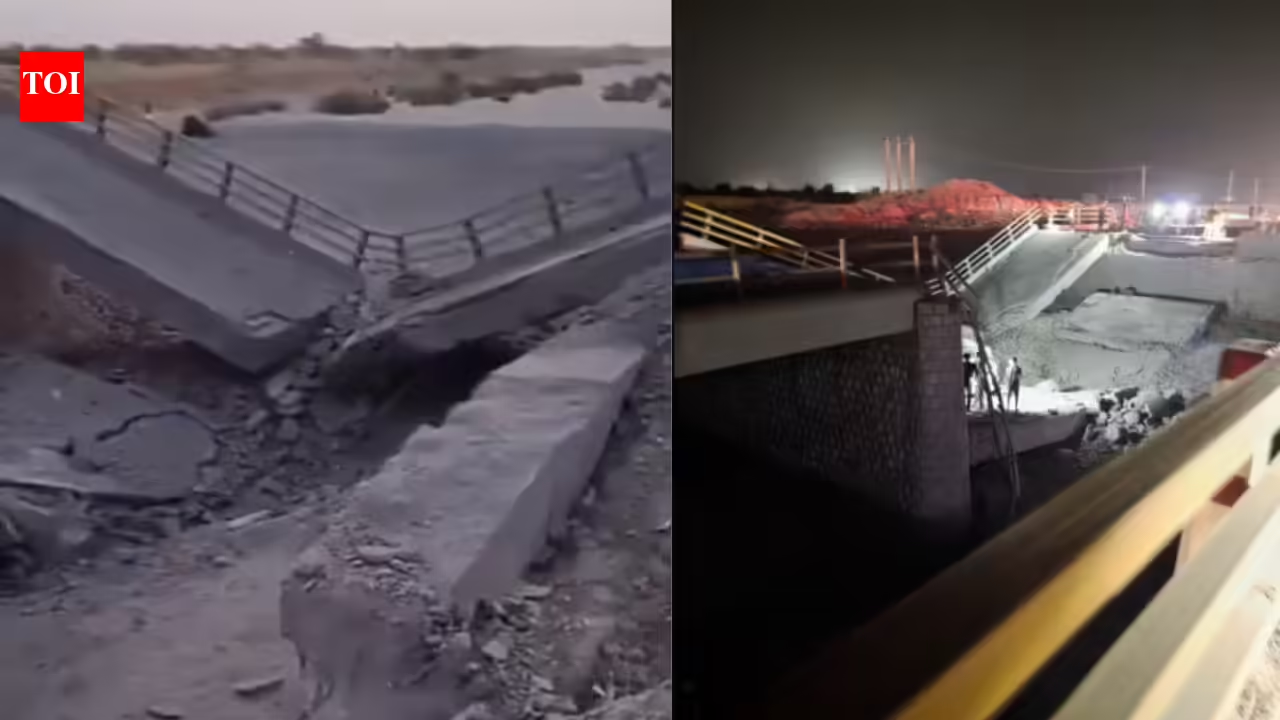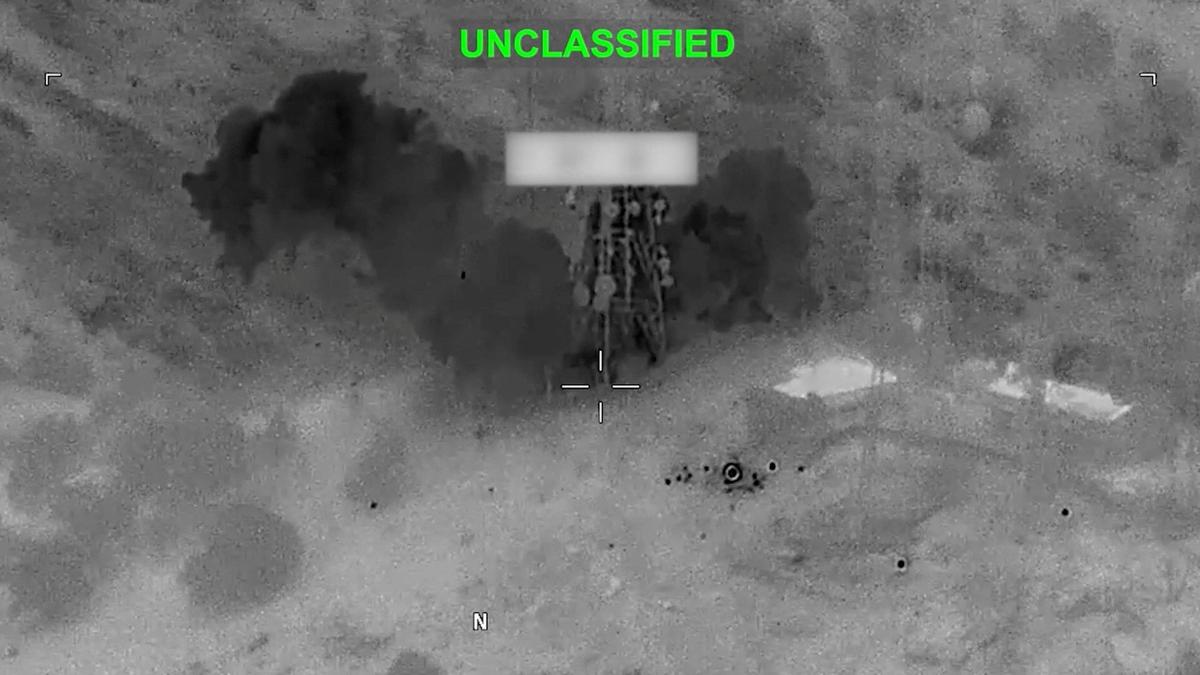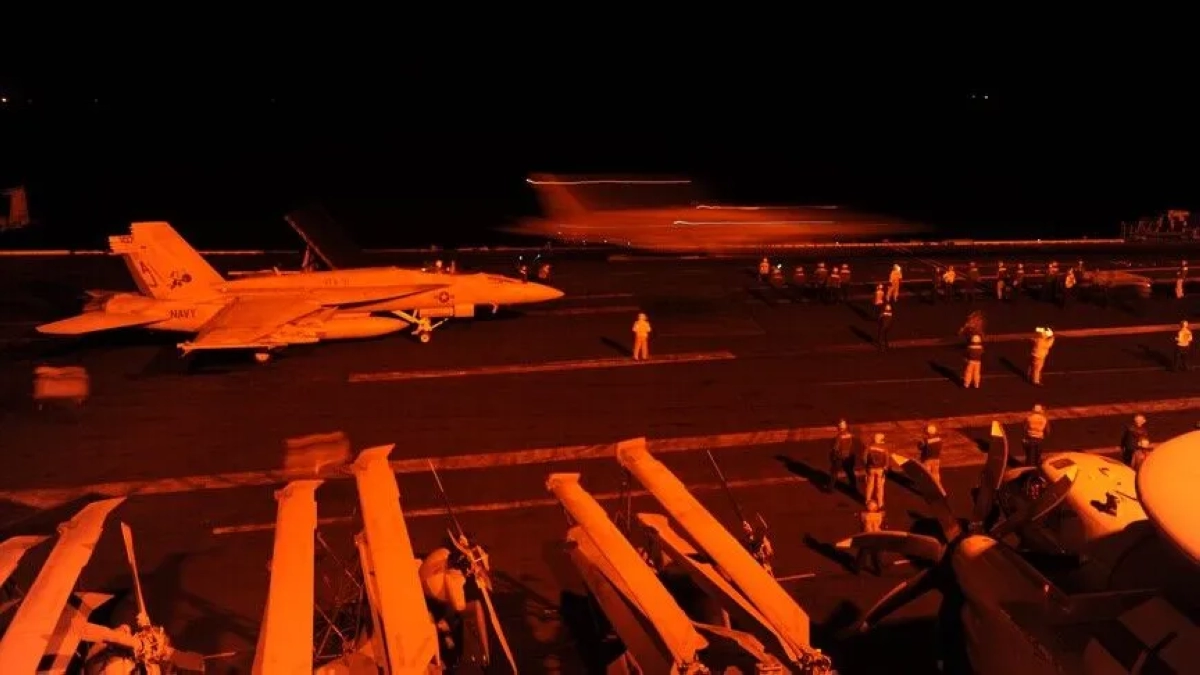
The United States and Iran traded drone and missile strikes on Friday, as Tehran announced it had targeted American assets across the region, in the biggest escalation since the two foes resumed their conflict. A month after the two sides agreed a memorandum of understanding aimed at ending their war, Iran accused US forces of hitting civilian infrastructure, including an airport, a railway station and two bridges. Iranian state media reported at least eight people dead and 20 wounded. It signalled an apparent expansion of American strikes with a focus on Iranian infrastructure, which US President Donald Trump has previously threatened to hit, but there was no immediate comment from US officials.
To display this content from YouTube, you must enable advertisement tracking and audience measurement.
One of your browser extensions seems to be blocking the video player from loading. To watch this content, you may need to disable it on this site.
Cover image: الرئيس الأمريكي دونالد ترامب يتحدث إلى الصحفيين على متن طائرة "إير فورس وان" بعد هبوطها في قاعدة القوات الجوية الأمريكية في "ميلدنهال" بمقاطعة سوفولك، شرق إنكلترا، الأربعاء 8 يوليو 2026. © أسوشييتد برس
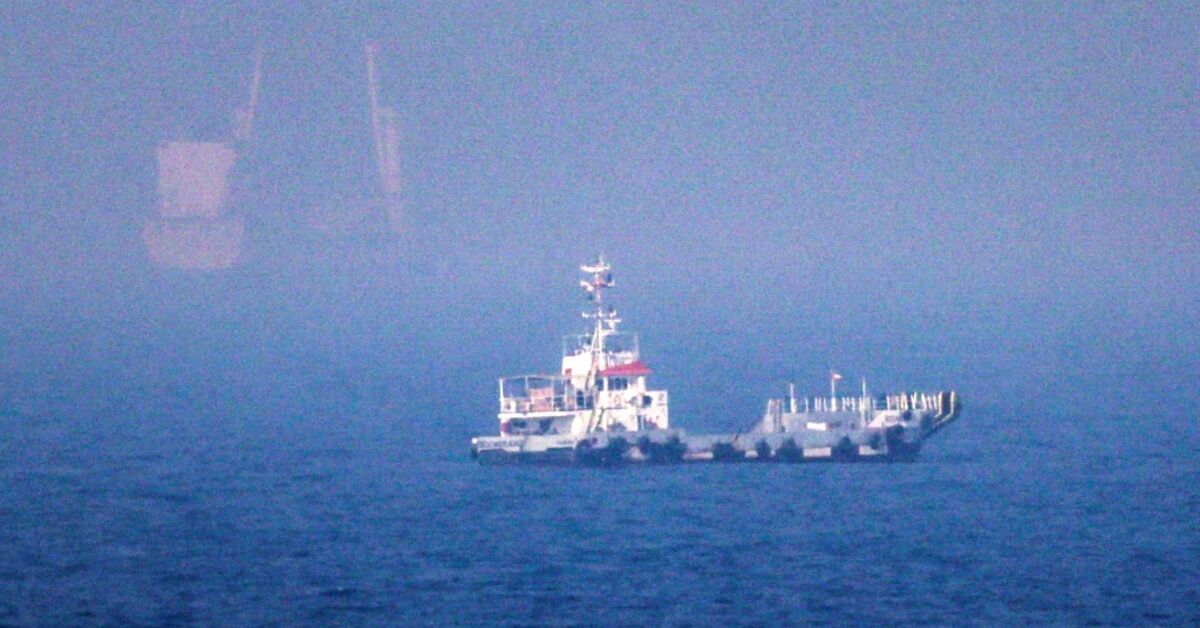
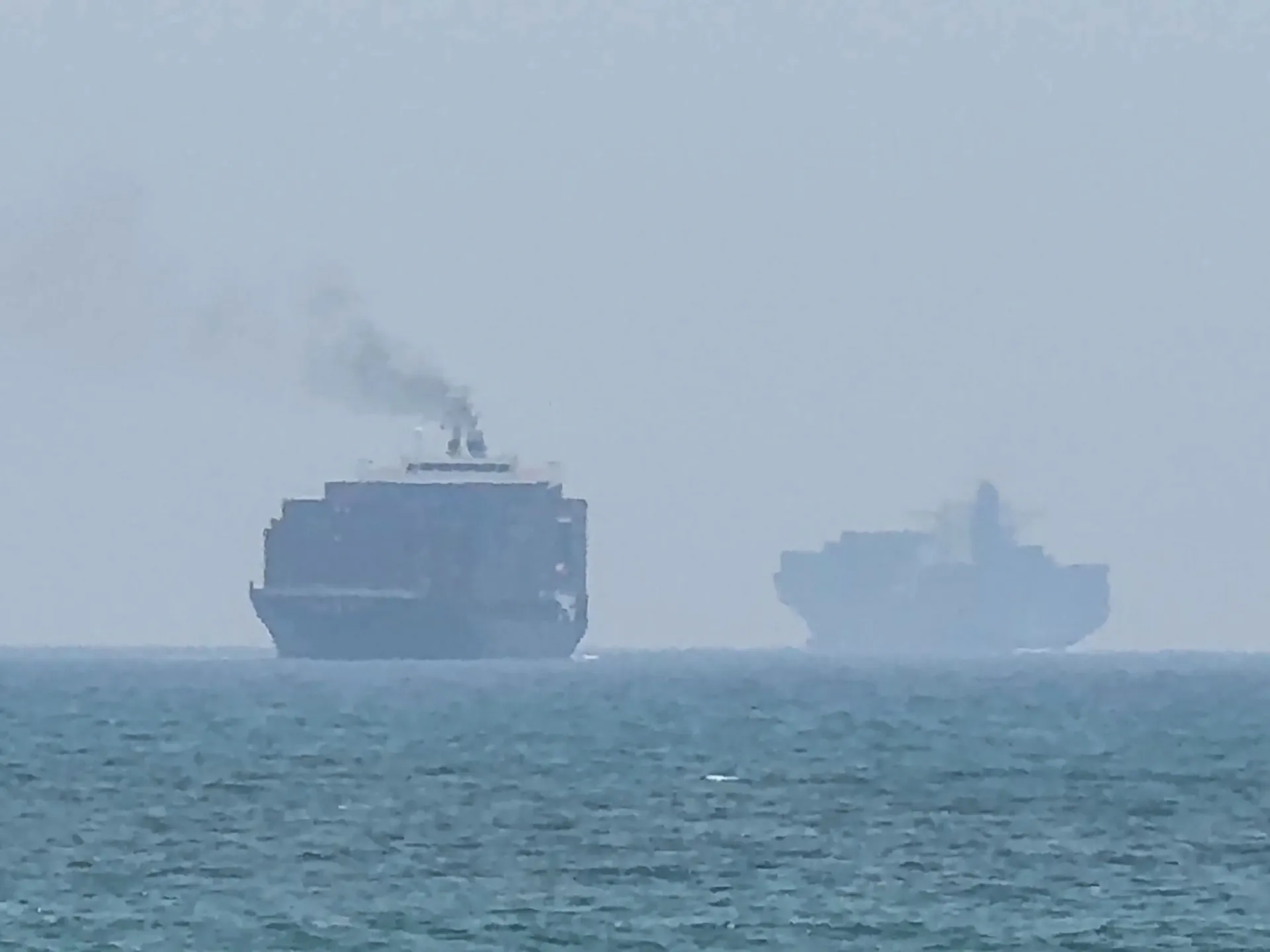
The war began on February 28 with deadly US-Israeli strikes on Iran, which retaliated by effectively closing the Strait of Hormuz and launching attacks on Israel and American interests across the Gulf. Iranian Revolutionary Guards aerospace force commander Majid Mousavi said "effective and targeted strikes from across Iran against the enemy will continue" until the US ends its operation against Iran's coastal facilities in the south and around the strait. David Khalfa, a Middle East specialist at Paris-based think-tank the Jean-Jaures Foundation, told AFP that both sides' attacks showed "the widening range of strategic infrastructure now being drawn into the conflict". "The paradox is that, while the conflict continues to escalate, neither side has a strategic interest in allowing this dynamic to continue. Yet both perceive any compromise as a form of capitulation," he said. 'Punish the aggressor' Iran's energy ministry urged citizens to reduce their electricity use and switch off air conditioners in peak hours – even as temperatures in some areas soared – after the power grid came under strain from what it said were US strikes on energy facilities. US airstrikes hit bridges overnight into Friday in Iran’s southern Hormozgan province, Iranian state television reported. The attacks hit Bandar Khamir, a city on Iran’s coast on the Strait of Hormuz. The highway and railway bridge strikes appeared aimed at cutting off Bandar Abbas, Iran’s main port, from roads leading into the Islamic Republic’s central region onward to Tehran, the capital. Read moreWhy the US is launching naval drones at Iran’s port city of Bandar Abbas Iran's military had threatened infrastructure across the region in the event of any attacks on its own, and on Friday launched widespread strikes in what appeared to be the largest exchange of fire since the deal was signed last month. In Kuwait, where Tehran said it had targeted US military sites on Friday, the electricity ministry said an Iranian attack damaged a power and water plant and urged users to ration electricity consumption. The Kuwaiti military said several troops had been wounded when Iranian drones targeted a number of its bases and camps. Iran's Guards said they had targeted US radar systems and military aircraft in Qatar to "punish the aggressor", with Doha saying it had intercepted a missile attack. Abu Baker, a Sudanese resident of Qatar, said he had been about to go to sleep when he heard the air alerts, hoping the interception would be out at sea. "Then it hit and it shook my house," he added. "I am worried that this war will drag on... but thank God we're in a country that protects us." Iran's Guards also said they had attacked two US radar sites in Oman and the Al-Tanf military base in Syria. A Syrian military source denied there had been such an attack and US forces said they had withdrawn from the base earlier this year. Calls to resume talks Jordan's military said it shot down three Iranian missiles, while Kurdish forces in Iraq said the US-led coalition there shot down several drones over Erbil. In Bahrain, Tehran targeted US helicopters and planes at an airbase, Iranian state media reported, with the island nation urging citizens to take shelter. The battle over the strategic Strait of Hormuz has rekindled the war, with Tehran and Washington trading fire for six days running.