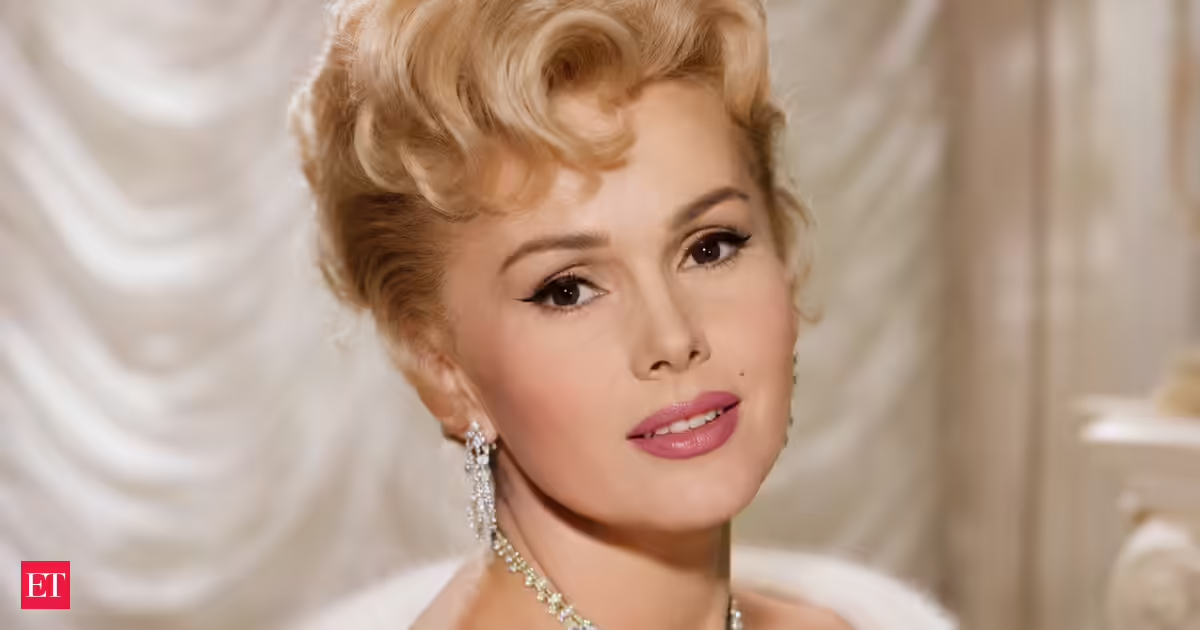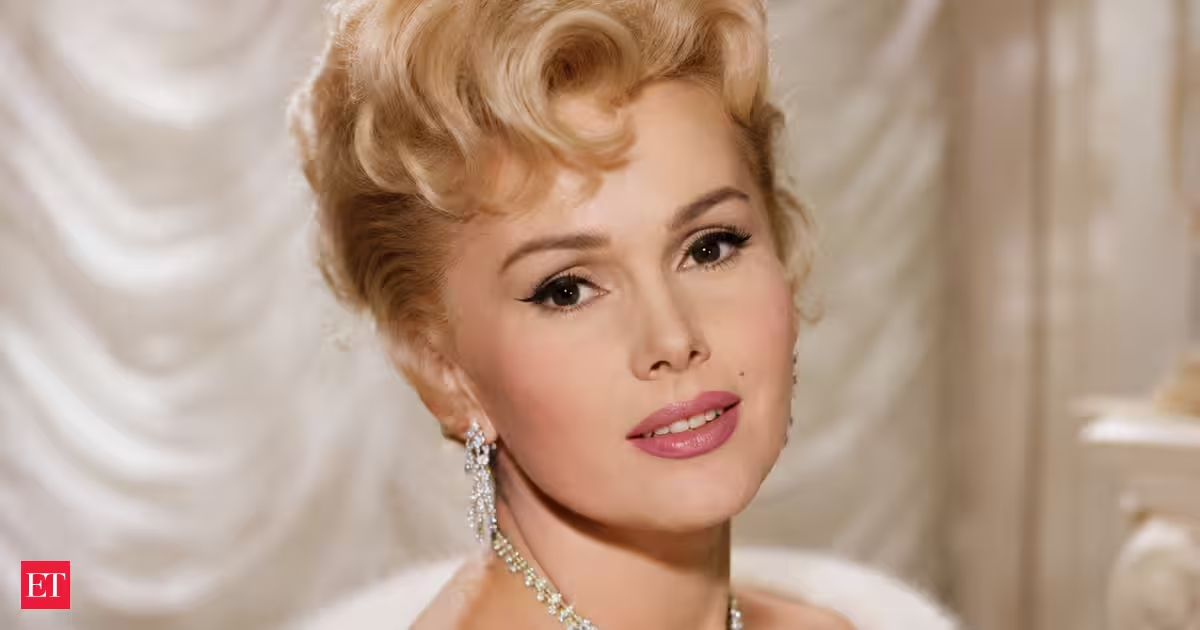
Quote of the day by Zsa Zsa Gabor continues to attract attention because it combines humor with a message about confidence and self-respect. The Hollywood actress and socialite became known for her memorable one-liners, and this quote remains among her most famous. Though it refers to diamonds, many people see a deeper meaning related to valuing oneself, protecting personal happiness and moving forward after relationships end. The statement has remained part of popular culture for many years. It also encourages discussions about human behavior, financial independence, emotional strength and learning from life's experiences instead of living with regret.Quote of the day today: Why the famous quote is still popular?The quote by Zsa Zsa Gabor is:"I never hated a man enough to give him his diamonds back."The quote is one of the best-known remarks made by Hungarian-American actress and socialite Zsa Zsa Gabor. She first shared this line with The Observer in August 1957.The statement became famous because it mixed humor with confidence. It reflected the public image that Gabor built during her career. She became known for speaking openly, making memorable remarks and approaching life with confidence.You Might Also Like:Her personal life also drew attention. She was married nine times, and many people connected her quote with her experiences in relationships. Even today, the quote is widely shared because readers find different meanings in it beyond its humorous tone.Looking beyond the diamondsAlthough the quote mentions jewelry, many people believe its message goes much deeper.Instead of focusing only on expensive gifts, the quote can be understood as a reminder to:Respect your own value.Protect your emotional well-being.Maintain healthy personal boundaries.Move forward after relationships end.Keep the lessons learned from difficult experiences.Many people also view the diamonds as a symbol of confidence, independence and personal growth rather than only material possessions.You Might Also Like:Lessons people can learn from the quoteProtect your self-worthOne message behind the quote is that people should not give up their self-respect after a relationship ends. Whether the investment is emotional, financial or personal, people should continue valuing themselves instead of allowing disappointment to define their future.Walk away with experienceThe quote also suggests that every relationship teaches something valuable. Even when a relationship ends, people can keep the experience, knowledge and personal growth they gained. Instead of focusing only on loss, they can focus on what they learned.Do not carry bitternessAnother lesson is about handling rejection and disappointment. Gabor often approached serious situations with humor. Her quote reminds people that letting go without holding onto anger may make it easier to move forward in life.Know your valueZsa Zsa Gabor was also known for another famous remark: "To a smart girl men are no problem—they're the answer." Whether people agree with the statement or not, it reflects her belief in confidence and self-worth. Knowing your own value helps people make decisions without feeling pressured to lower their standards.Put your happiness firstMany people believe the quote also encourages individuals to prioritize their own happiness. Gabor lived life according to her own choices. Her public image suggested that people should make decisions that support their well-being rather than living only to meet the expectations of others.Who was Zsa Zsa Gabor?Zsa Zsa Gabor was born as Sári Gábor on February 6, 1917, in Budapest, then part of Austria-Hungary, now Hungary. She attended boarding school in Switzerland before entering the 1936 Miss Hungary beauty competition. She was later disqualified because she was underage.Gabor moved to Hollywood in 1941, where she began building her acting career. She came from a family of performers. She was one of three sisters, including television actress Eva Gabor, who also became well known in entertainment.Career in HollywoodZsa Zsa Gabor made her film debut in Lovely to Look At (1952). The same year, she appeared in Moulin Rouge, directed by John Huston. The film increased her public recognition.She later appeared in:Lili (1953)Gilligan's IslandBonanzaBatmanNumerous television game showsTalk shows through the 1990sAs the years passed, audiences became interested not only in her acting but also in her public personality. Many television appearances featured her playing a version of herself because her public image had become widely recognized.In The Naked Gun 2½: The Smell of Fear (1991), she even joked about her own public controversies by appearing in a scene that referenced her 1989 conviction for assaulting a police officer.Books and personal lifeBesides acting, Gabor also wrote books.Her publications include:How to Catch a Man, How to Keep a Man, How to Get Rid of a Man (1970)One Lifetime Is Not Enough (1991)Her marriages also remained part of public discussion.Among her husbands were:Conrad HiltonGeorge SandersHer openness about relationships, combined with humor, helped make her one of Hollywood's most recognized personalities. Zsa Zsa Gabor died on December 18, 2016, in Los Angeles, California, at the age of 99.Why the quote still matters today?Although the quote was first shared in 1957, it continues to be discussed because people relate it to modern life.Its message can apply to:Building self-confidenceProtecting personal boundariesRecovering after relationshipsLearning from difficult experiencesValuing emotional and financial independenceChoosing personal happinessFor many readers, the quote is less about diamonds and more about respecting oneself while moving forward with confidence.
Quote of the day by Zsa Zsa Gabor: 'I never hated a man enough to...' Life lessons from humorous quote on wit, valuing yourself, maintaining boundaries, human behavior and self-preservation
Quote of the day by Zsa Zsa Gabor highlights one of the best-known quotes from the Hollywood actress and socialite. Her famous line about never giving diamonds back has remained popular for decades. While it was delivered with humor, the quote also offers lessons about self-worth, personal boundaries, confidence, financial independence and moving forward after difficult relationships. It continues to spark discussions on human behavior and personal growth.
851 words~4 min read