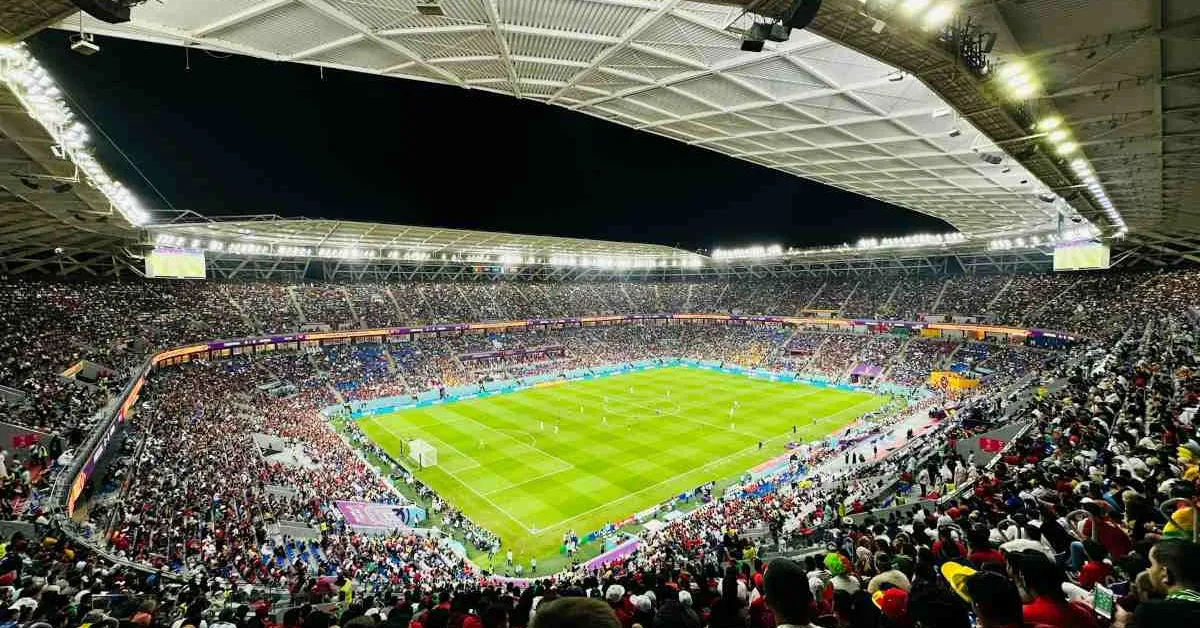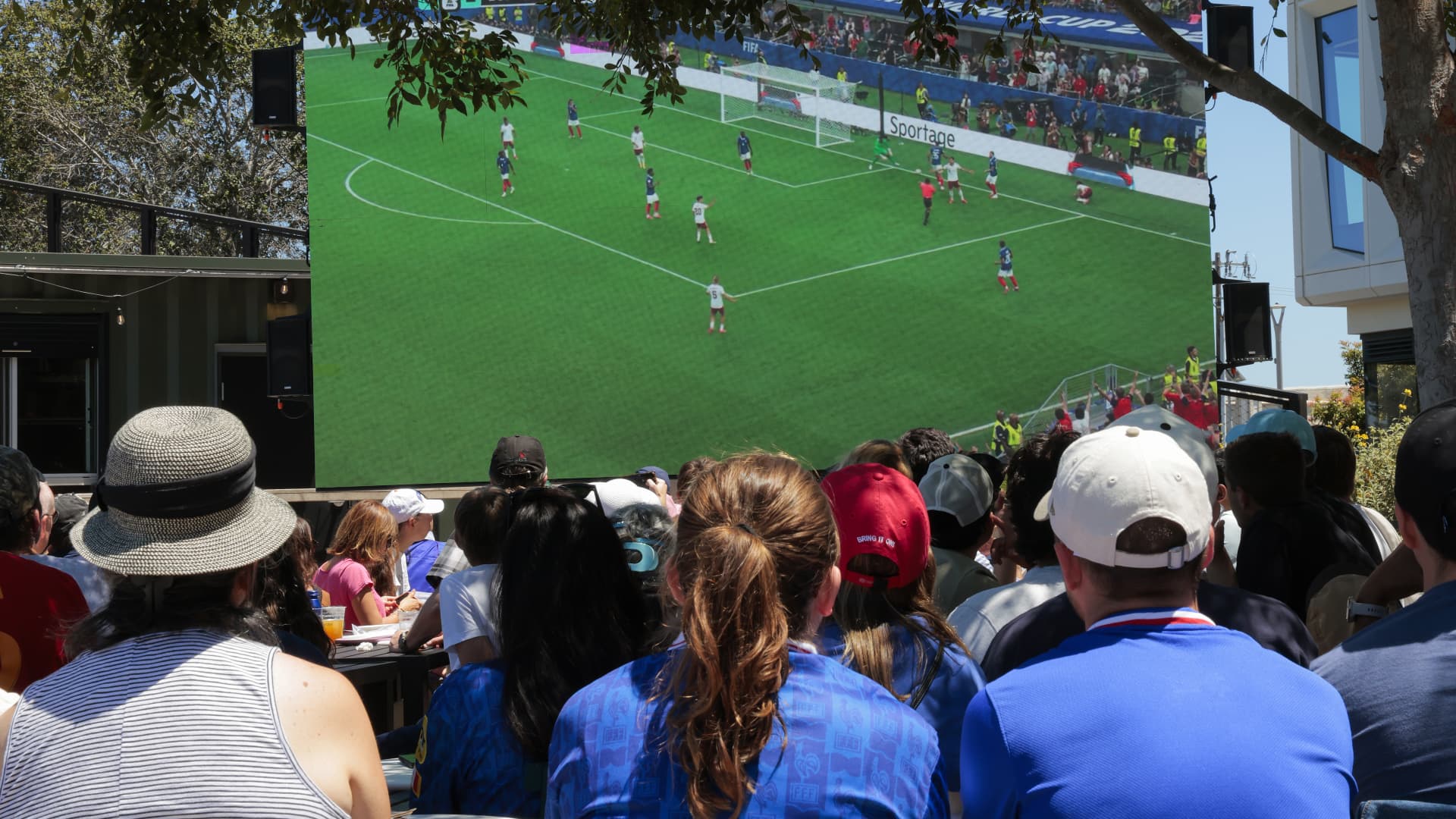
On June 13, nearly 70,000 fans flocked to San Francisco Bay Area Stadium for the first of six FIFA World Cup matches to be played in the arena. The game began at noon. But security preparations started hours earlier, when the stadium’s network of cameras, sensors, and scanners came online.
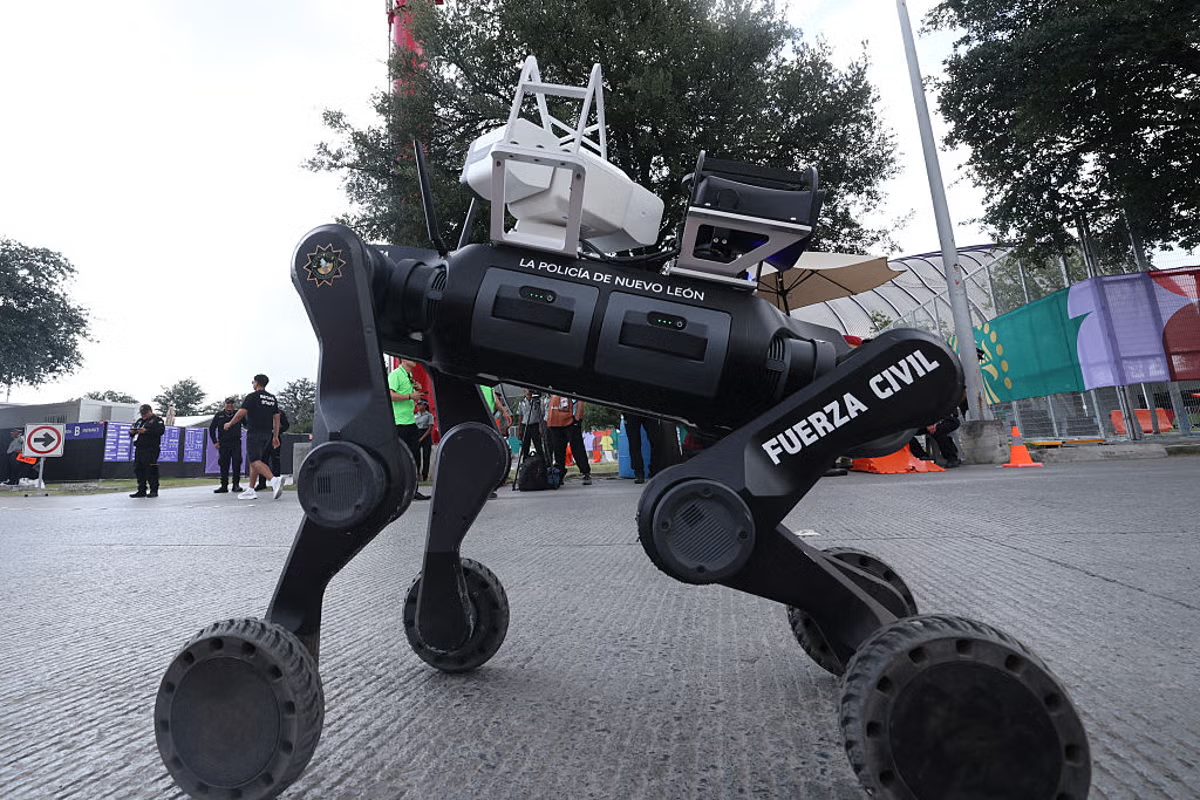
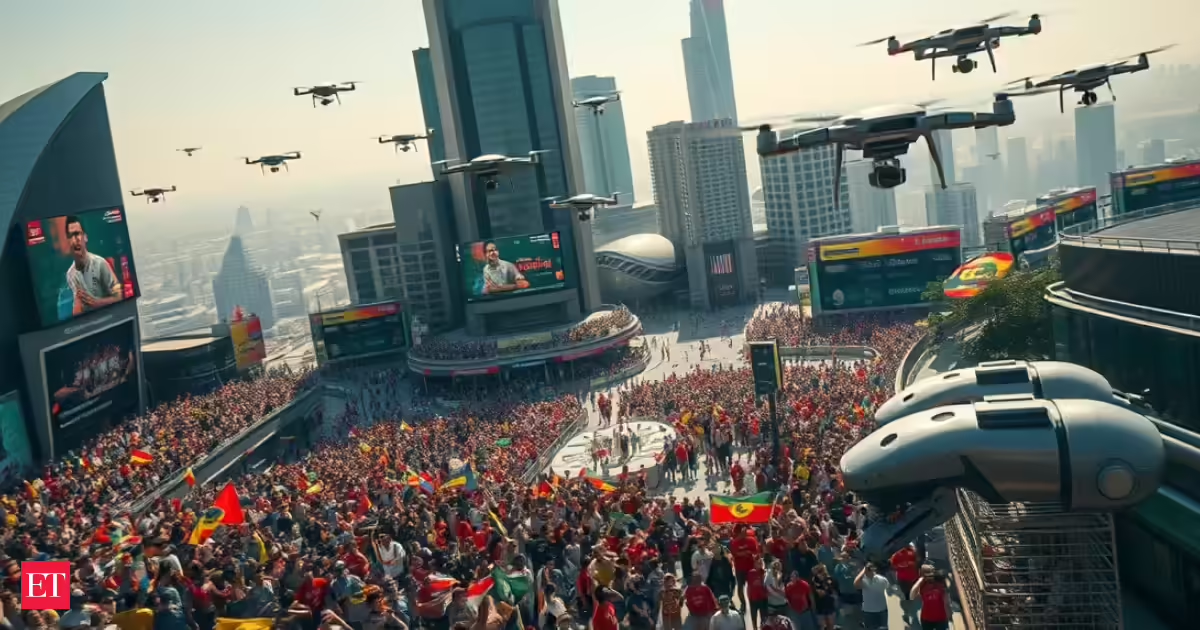
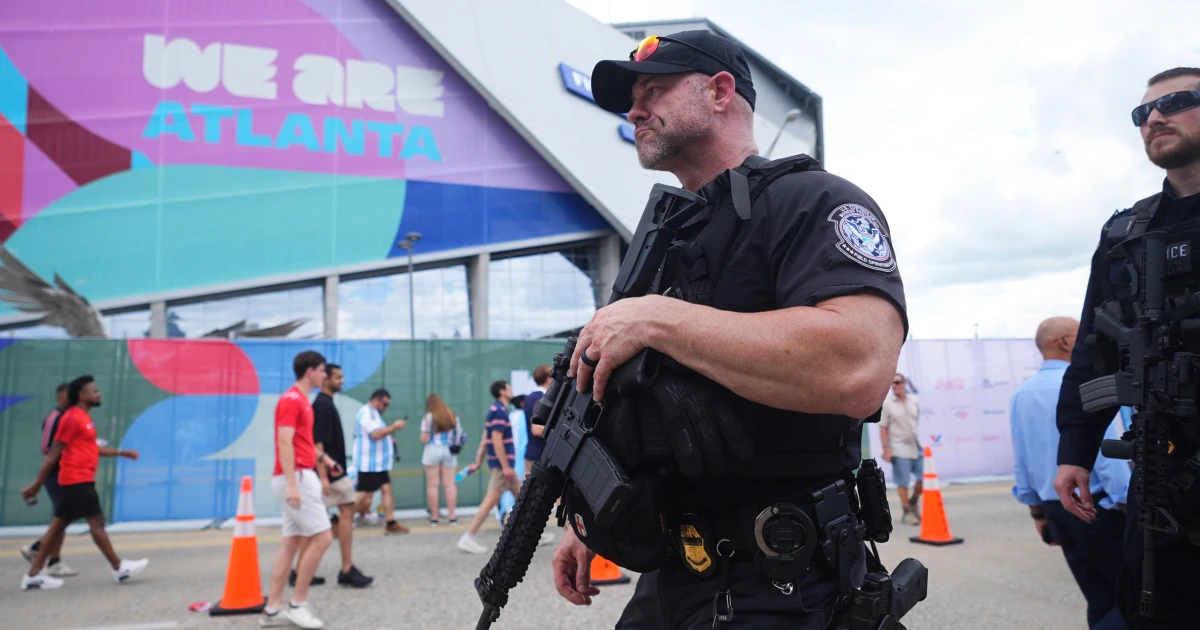
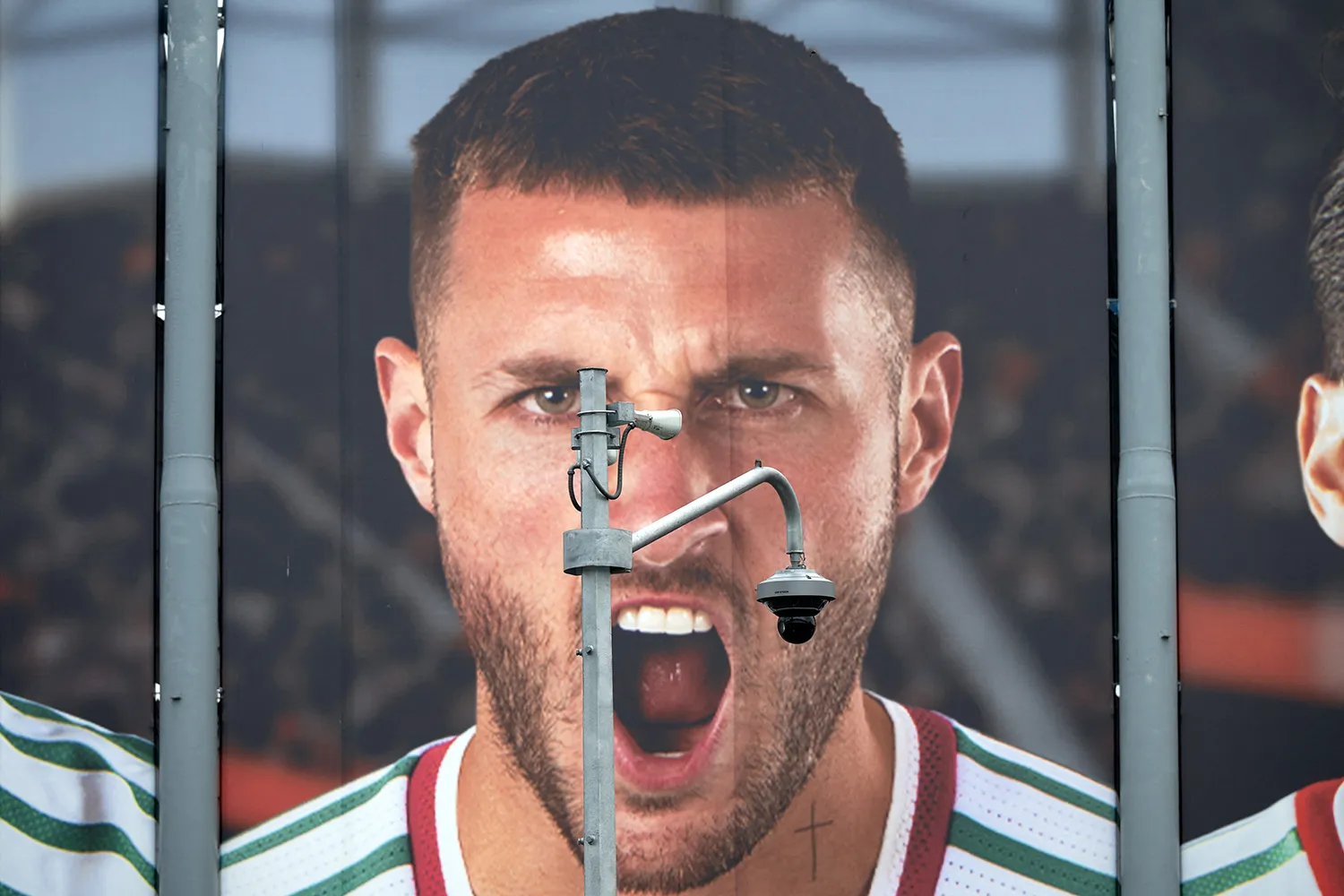
Long before fans watched Qatar and Switzerland take the field that day, the stadium watched the fans: tracking faces at the gates, flagging suspicious sounds in the crowd, and feeding a constant stream of data to an on-site control center, where it then became accessible to a network of local, state, and federal law enforcement agencies coordinating security for the event.
San Francisco Bay Area Stadium (usually known as Levi’s Stadium, though temporarily de-branded due to FIFA rules) is not an outlier. Across World Cup host cities in the United States, stadium security is linked to a broader federal surveillance apparatus overseen by the U.S. Department of Homeland Security (DHS). This system will not shut down when the World Cup ends: DHS budget documents reveal that the tournament is a testing ground for new surveillance technologies.
DHS oversees events including the Super Bowl and World Cup because of a federal mechanism called the Special Event Assessment Rating, or SEAR, which designates events as national security priorities. That classification triggers coordination between federal and local law enforcement agencies.