The international system is entering one of the most consequential periods of transition since the end of the Second World War. The institutions that shaped the world order after 1945—from the United Nations to the Bretton Woods framework—are under visible strain. At the same time, uncertainty is growing about the future role of the United States as the principal stabilising force in global affairs. And a new equilibrium does not seem to be emerging. Rather, we live amid a prolonged interregnum in which power is more diffuse, competition more fluid, and outcomes less predictable.
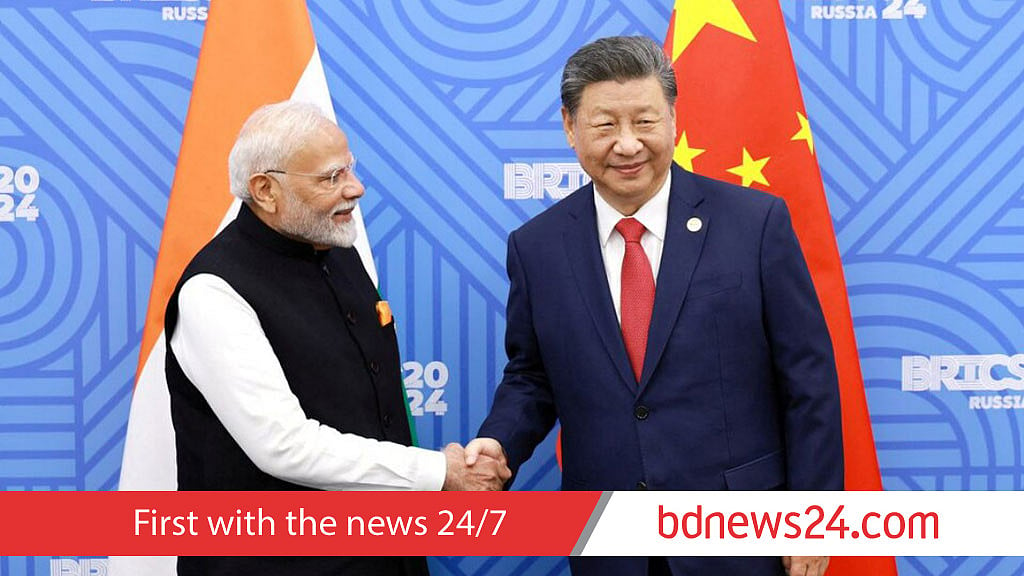
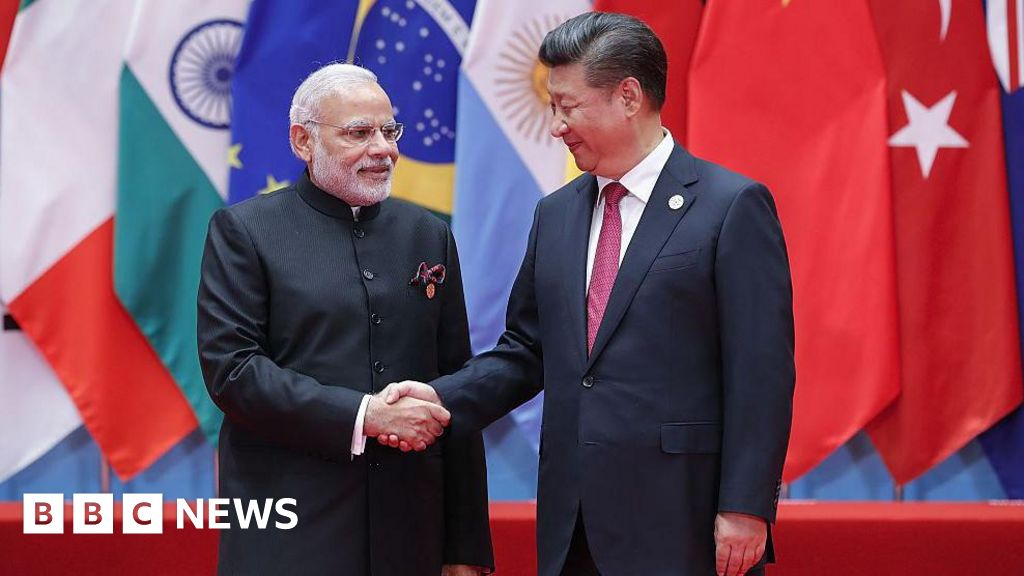
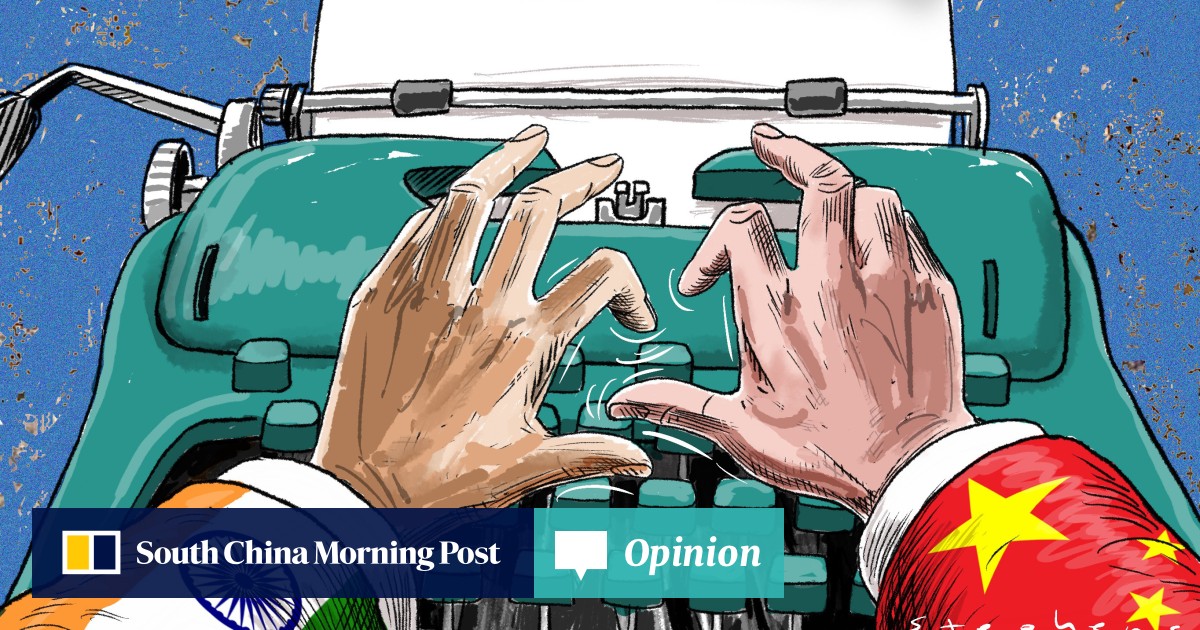
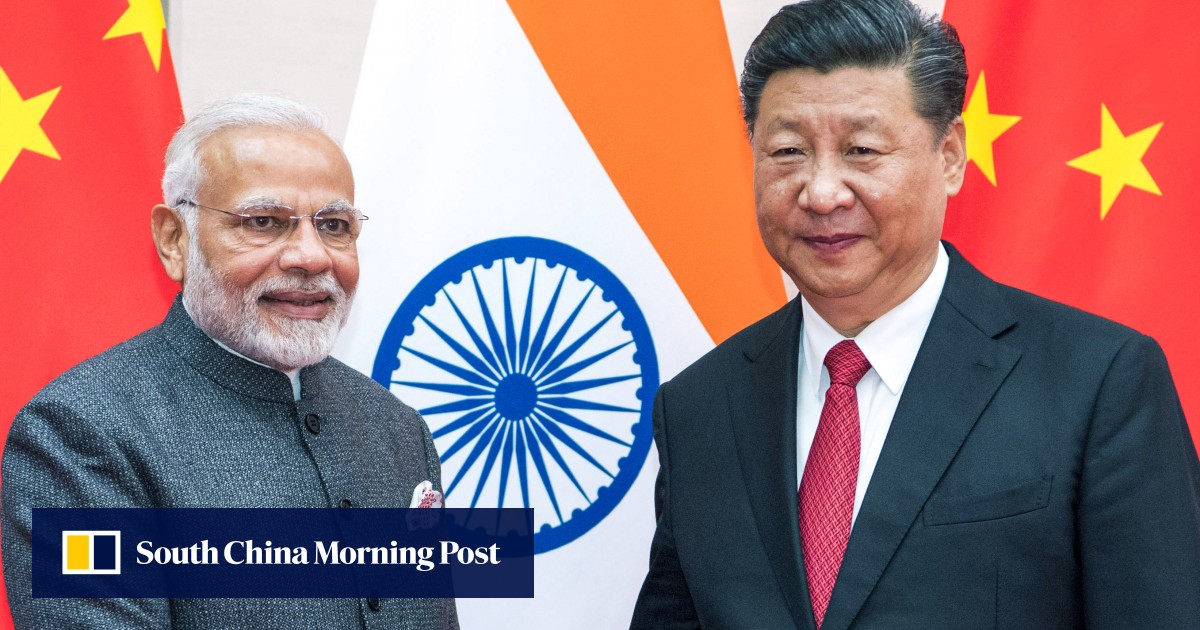
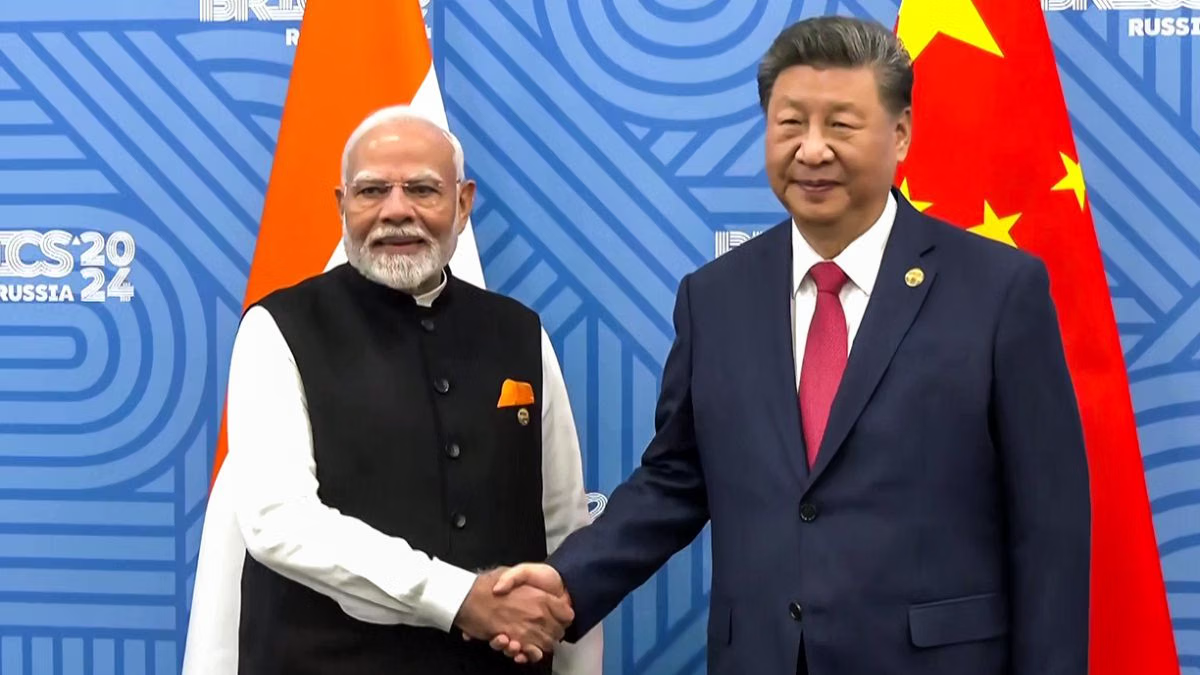
In such a moment, relationships among the world’s major powers will shape the character of the emerging international order. Among them, India and China occupy a unique position. Together, they account for almost 40 per cent of humanity. They are among the world’s oldest continuous civilisations and today stand as two of its largest economies, increasingly central to global production, technological innovation, and scientific advancement. Whether their relationship evolves toward sustained rivalry, managed coexistence, or selective cooperation will significantly influence the course of the 21st century.Modern history tends to frame India and China primarily through the lens of strategic competition. The unresolved boundary dispute is a serious, sensitive issue, and mistrust has accumulated in recent years. Geography ensures that the two nations are permanent neighbours; history ensures that their interactions will always carry strategic significance.