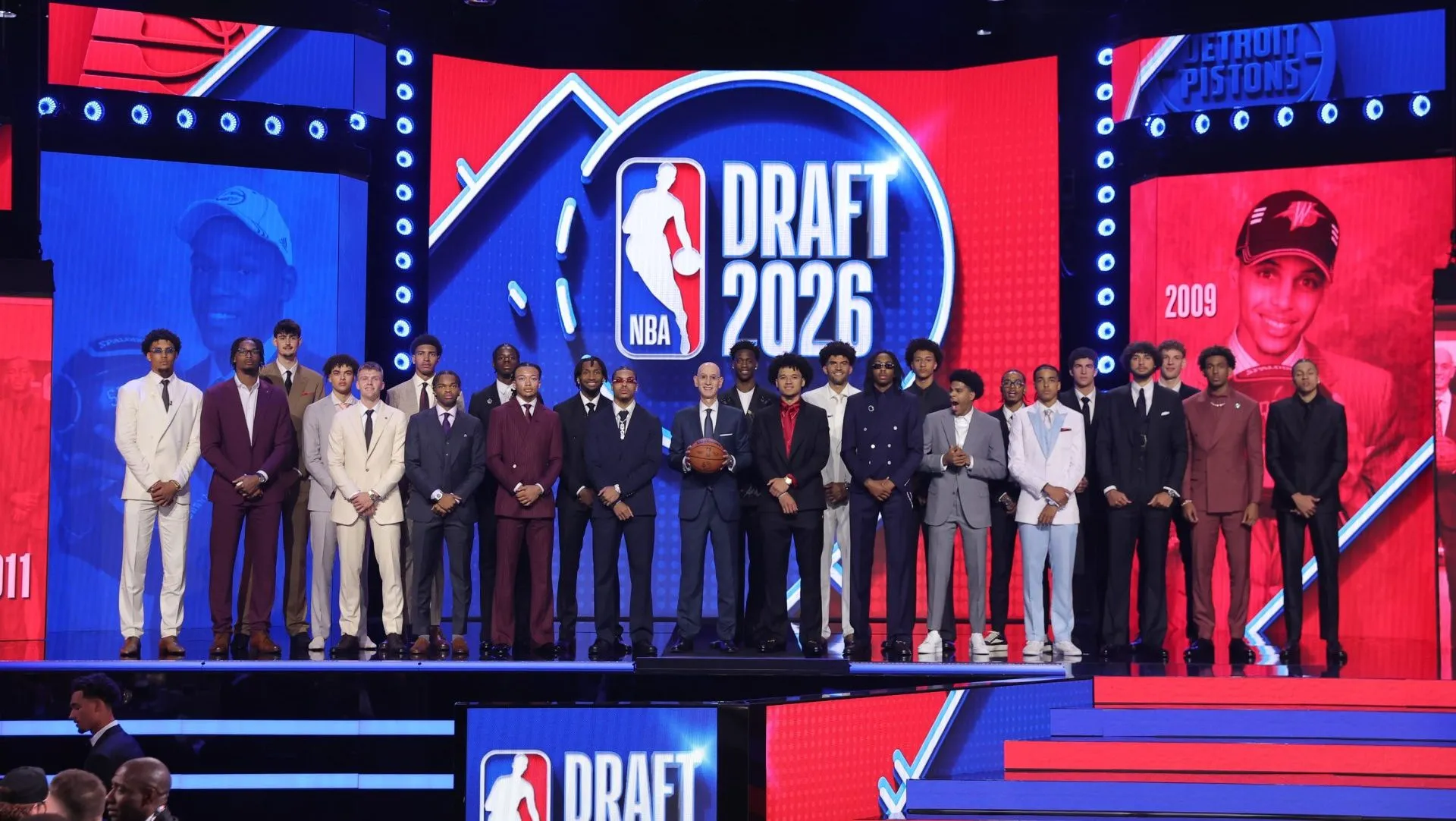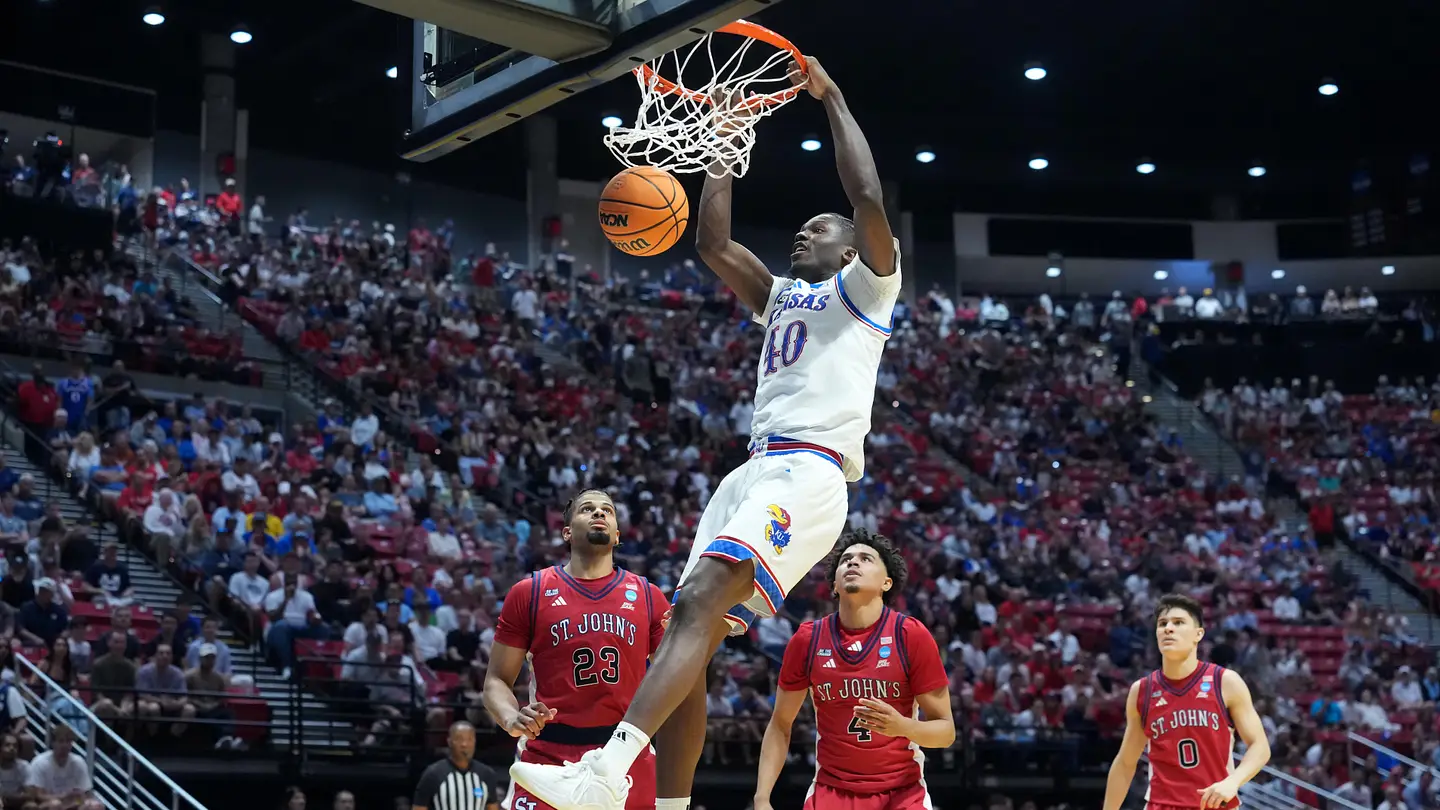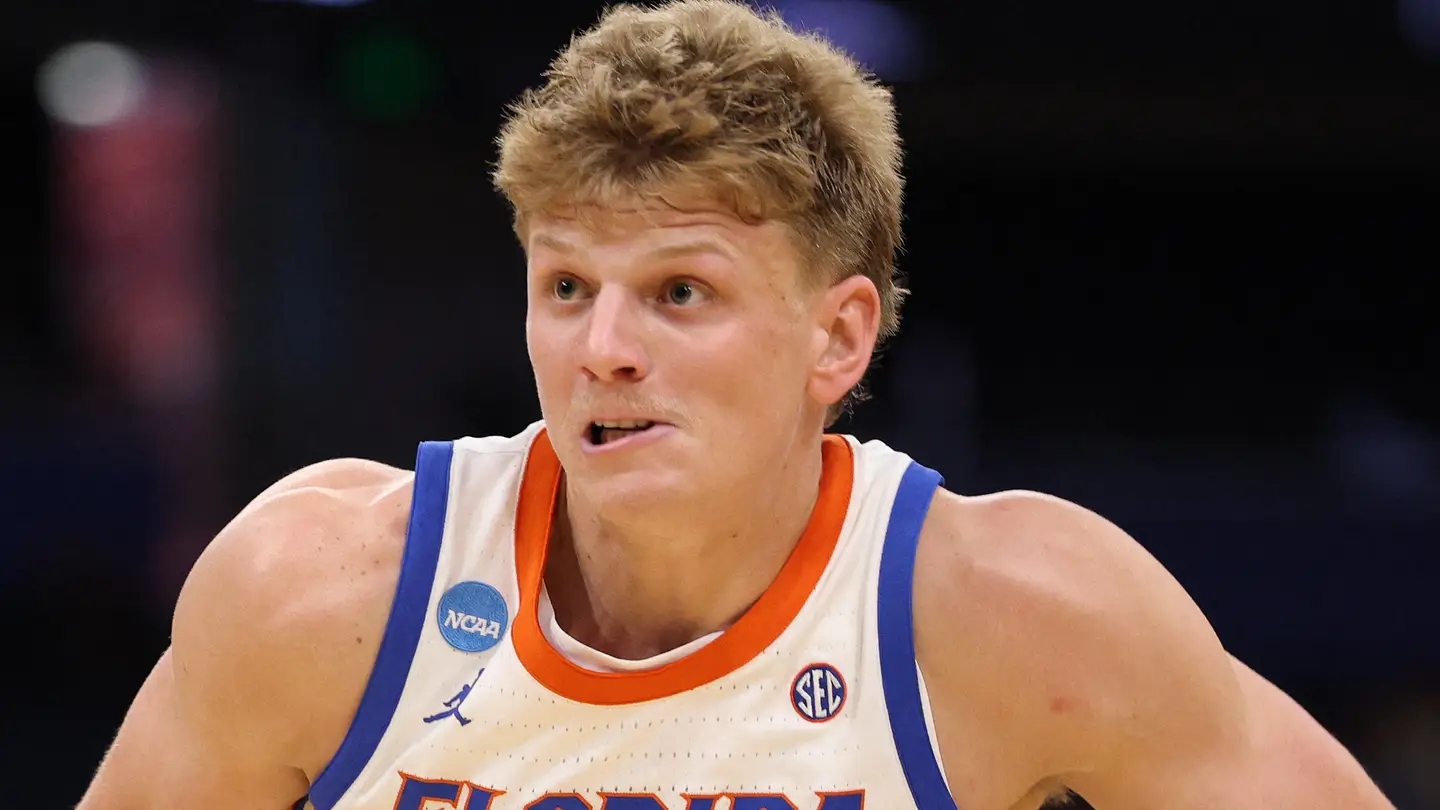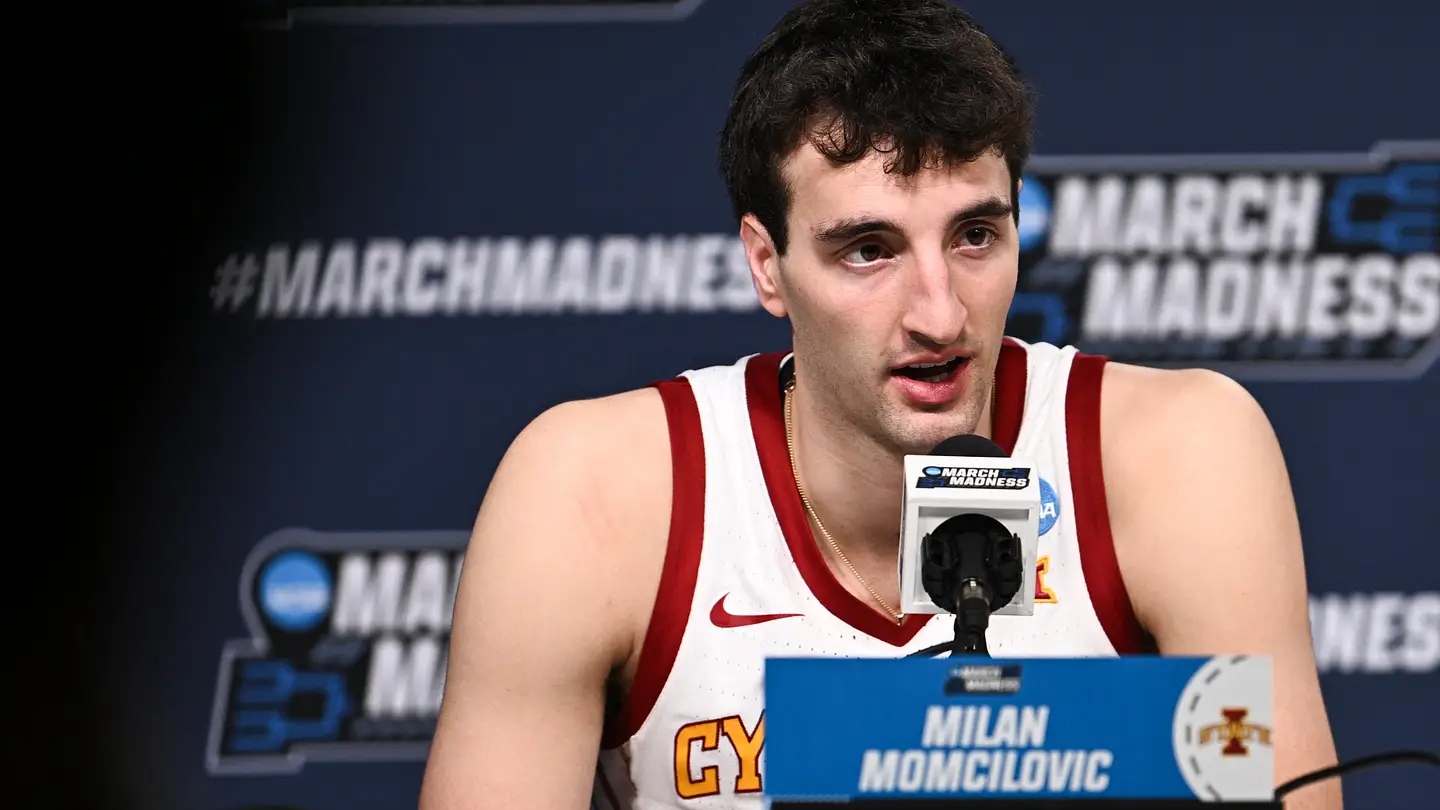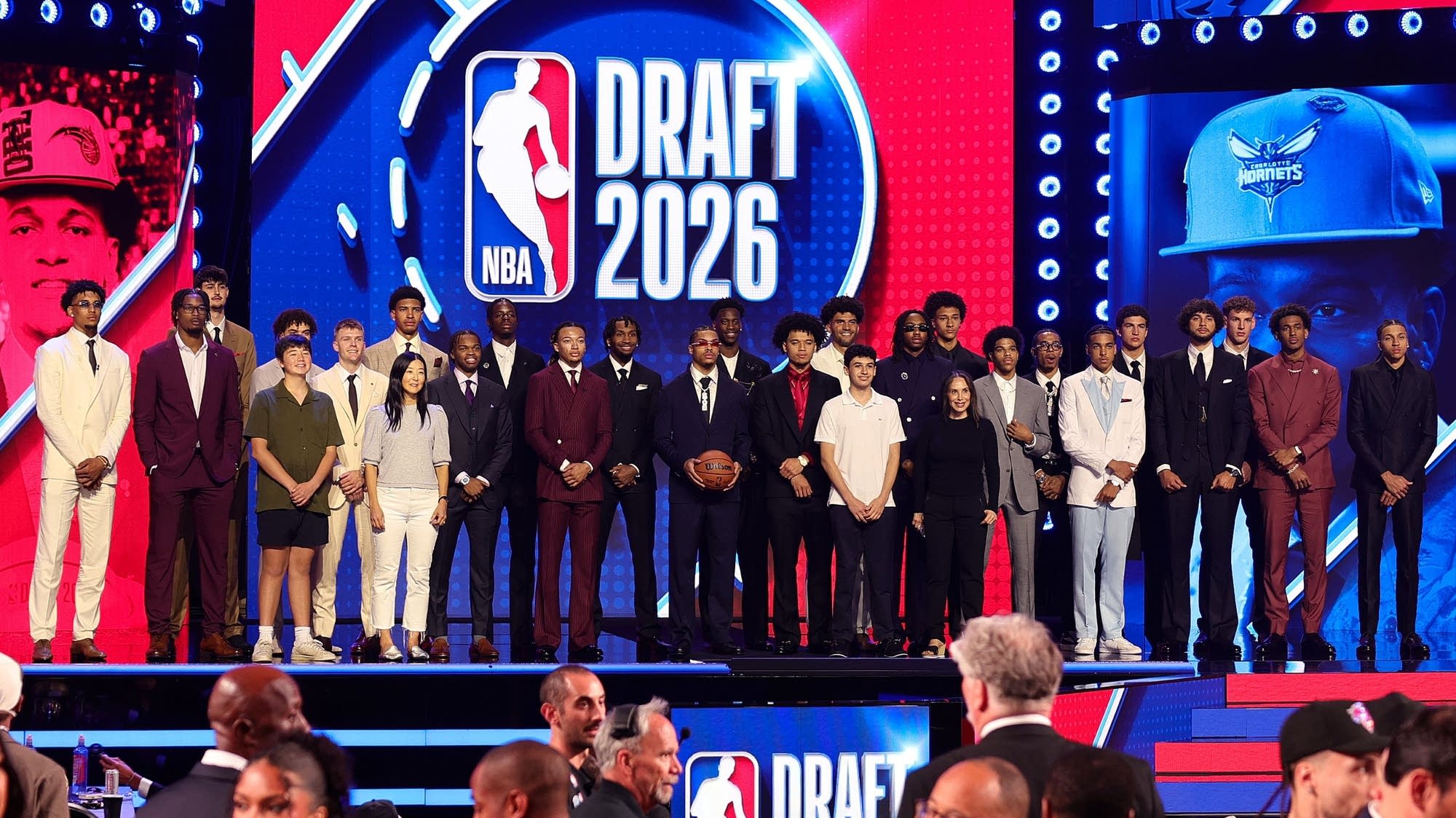
Name, image, and likeness (NIL) deals arrived in the NCAA in 2021, allowing college athletes to make money for the first time. Since then, men’s college basketball has changed fast. Now it has a more predictable March Madness, players swapping schools every spring, and 18-year-olds signing seven-figure deals. And NIL is changing the NBA, too — specifically the draft. Thanks to last summer’s House v. NCAA settlement, colleges can now compensate athletes through revenue sharing and NIL endorsement deals, paying some players millions.On average, men’s basketball players are now the best-compensated college athletes, which complicates their NBA Draft decisions. Here’s how the draft looks different in the NIL era.The college conundrumIn NIL’s early days, college wasn’t very enticing to young players who wanted to make money before going pro.“Not every school had a booster group that was paying athletes, and the market was in its infancy,” said Mit Winter, an NIL attorney at Kennyhertz Perry Law. “The amounts being paid were much smaller, and it was going to tend to take more steps and jump through more hoops to get the money paid.”So, they left. In 2023, three of the top five draft picks were American players who had chosen to play in domestic pro leagues instead of the NCAA. College talent filled out the rest of the draft, but some of the best players were foregoing college to go pro early. Then came the money. The NIL market stabilized as colleges and sponsors figured out how to navigate the new environment. Compensation skyrocketed, and athletes came back. This year, only two players in the entire first round (30 picks) came from outside of the NCAA.Within the NCAA, the best players are flocking to the Power Four — the four richest athletics conferences (the Big 10, Big 12, Southeastern Conference (SEC), and Atlantic Coast Conference (ACC)). Men’s basketball players in these conferences made an average of almost $100,000 more than other Division I players last year. Twin brothers Amen and Ausar Thompson, back-to-back draft picks in the 2023 NBA Draft, both opted out of college to play for the now-defunct Overtime Elite.Arturo Holmes/Getty ImagesThe transfer portalOf course, not everyone can play at a Power Four school. For those still-ascending players, there’s the transfer portal. “We all kind of joke, it's like speed dating,” said Abe Woldeslessie, general manager for University of Northern Iowa men’s basketball.UNI is a mid-major Division I school with a smaller budget — what Woldeslassie called a “tweener.” Players can start their careers at UNI, play a couple years, then move on to greener NIL pastures.“99.8% of these guys, they're not going to make the NBA,” Woldeslassie said. “So, if someone … says, ‘Hey, you can go make four or five times [more] doing a similar job,’ I think it would be hypocritical of me to say, ‘Hey, no, don't go.’”The waiting gameWhile top-end players get a major salary upgrade from a high draft selection, those numbers descend fast. According to Forbes, the No. 1 overall pick will make around $15 million next year. The No. 8 pick will make half that, and the No. 30 pick will make one-fifth of that. For the rest of the draft, teams don’t have to offer guaranteed contracts at all. Before NIL, it was hard to reject even the possibility of the NBA’s millions. Now, it’s different.“One of the calculations … is whether or not you can be making more money in college, or whether or not you're likely to be playing more minutes in college as a starter,” said Rick Burton, a professor of sports management at Syracuse University. “ [If] you're going to be the 10th, 11th, 12th player, you're not going to really be able to build your brand the way you might if you were going to be a star in college.”Thus, fewer players are declaring for the draft. With the NCAA’s new five-for-five rules that grant most athletes five years of eligibility, there are endless incentives for players who might not make the league to stay in school longer and build their skills before trying for the NBA later.“There might be some guys that go to a mid-major and have an awesome freshman season and leave early,” Winter said. “But that probably won't happen as much, because if they go to a [Power Four program,] it'll be able to pay more than if they went to the NBA Draft. [They] keep making that guaranteed money in college.”Once players make the league, it’s not just about NBA contracts — it’s also the business opportunities. Today, more athletes are using their basketball money to set themselves up to keep growing their wealth after they leave the NBA.“There are a number of [NBA] players right now that are not only making money through their basketball career and their endorsement agreements, but they're also investing into businesses that they have a particular interest in,” Burton said. “[It’s now,] ‘Is my first NBA contract going to provide me the kind of capital to be able to actually start a secondary business that will be there when I'm done playing basketball?’”AJ Dybantsa, the No. 1 pick in the 2026 NBA Draft will make $15.2 million in his first year in the league. He's signed to a four-year, $69 million contract with the Washington Wizards.Ethan Miller/Getty ImagesWhat about the 99%?Only 1% of NCAA players make the NBA. Ideally, NIL sets college athletes up for that reality.“[As a player,] I potentially could graduate … ultimately having earned a degree that gives me some kind of expertise, plus having been paid, so I'm graduating from college with no debt,” Burton said. “And [I’ll] possibly [have] a nest egg that allows me to consider being an entrepreneur or an investor — that's a pretty attractive package.”It’s not a perfect picture, though. Players tend to enroll in majors that are less time-consuming, due to their extreme commitment to their teams. Those majors don’t always translate well to a good career if they don't end up making millions in the NBA. And now, athletes are hopping around in the transfer portal and taking more online classes, which can hurt their academic experience. “What ties are you making to the university you're at?” Woldeslassie asked. “Maybe I'm old-fashioned — I still find value in [a college degree]. I think it's very important to at least have your bachelor's and be proud of that.”On the financial side, many players hire agents, but NIL agents are not the same as NBA agents. In the NBA, the player’s association has negotiated to ensure that agents cannot claim more than 4% of a player’s contract. The NCAA has no such rules. Agents are only governed by state law — which might not be enforced.“The amounts that athletes are being charged, especially in basketball — kind of all over the place,” Winter said. “There are definitely some good agents that are charging rates in line with what an NBA agent would charge, but then you have some other agents charging a lot more — it's like 20% sometimes. So, it's really incumbent on the athlete having to do a lot of due diligence and just have knowledge on what they should be paying an [agent.]”As evidenced by the skyscraper of lawsuits towering above the NCAA, the rules surrounding NIL right now are spare. Athletes are not treated as employees of schools, which creates countless legal and financial quandaries.Many schools try to help their players navigate this murky landscape and set them up for financial success. These are very young men — often teenagers — who are making real money for the first time.“They're grown men, we can't force them to do what we think they should do, but we give a lot of suggestions, we send them information,” Woldeslassie said. “I talk to a lot of them about just putting as much as they can in the bank and saving it … we just kind of keep reiterating, be really smart with your money and try not to overspend.”
How NIL is changing the NBA Draft
When college dollars leap to the millions, basketball players have to ask themselves more questions about their hoop dreams.
1,336 words~6 min read