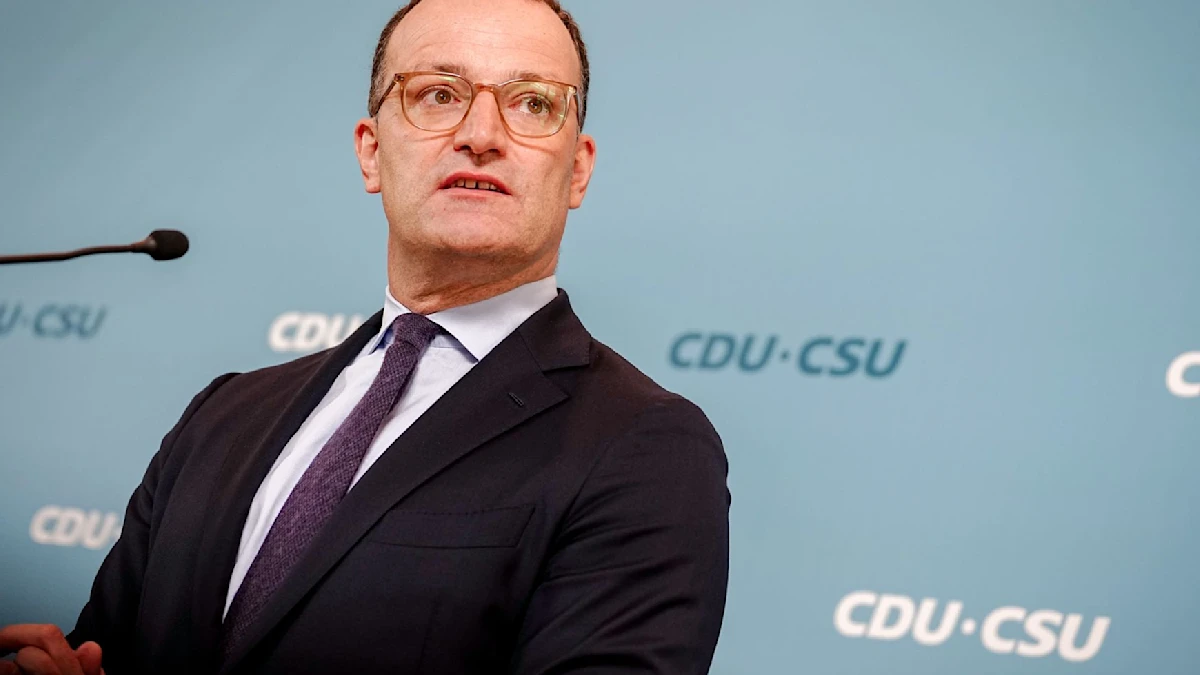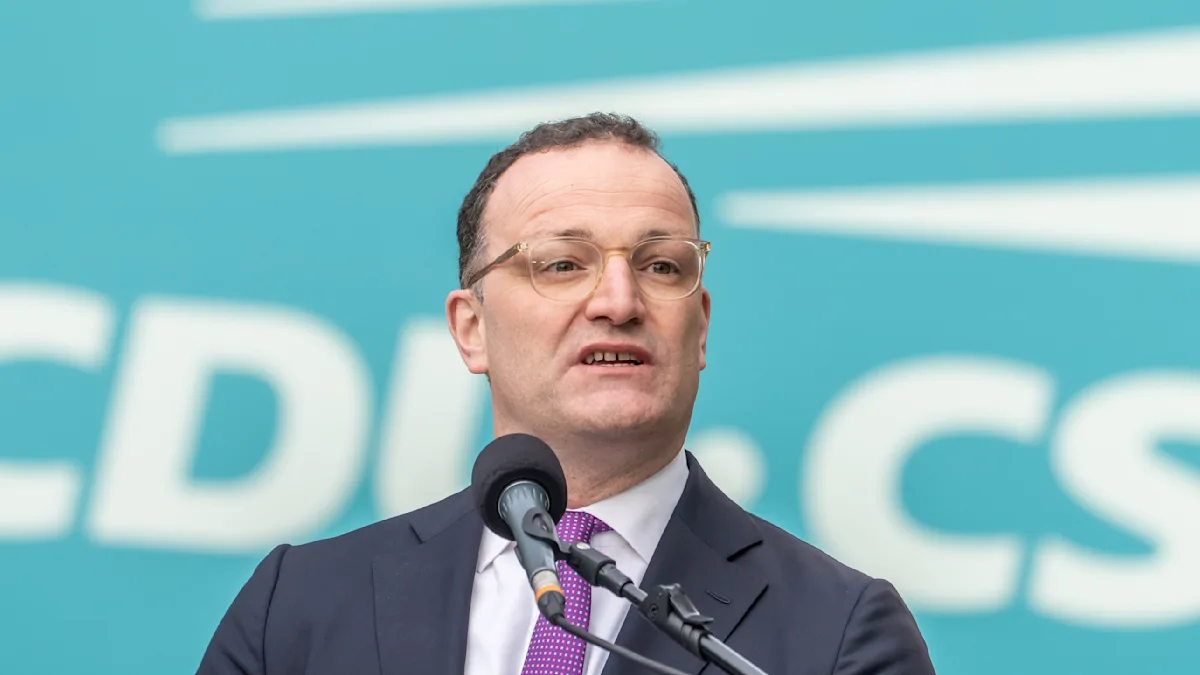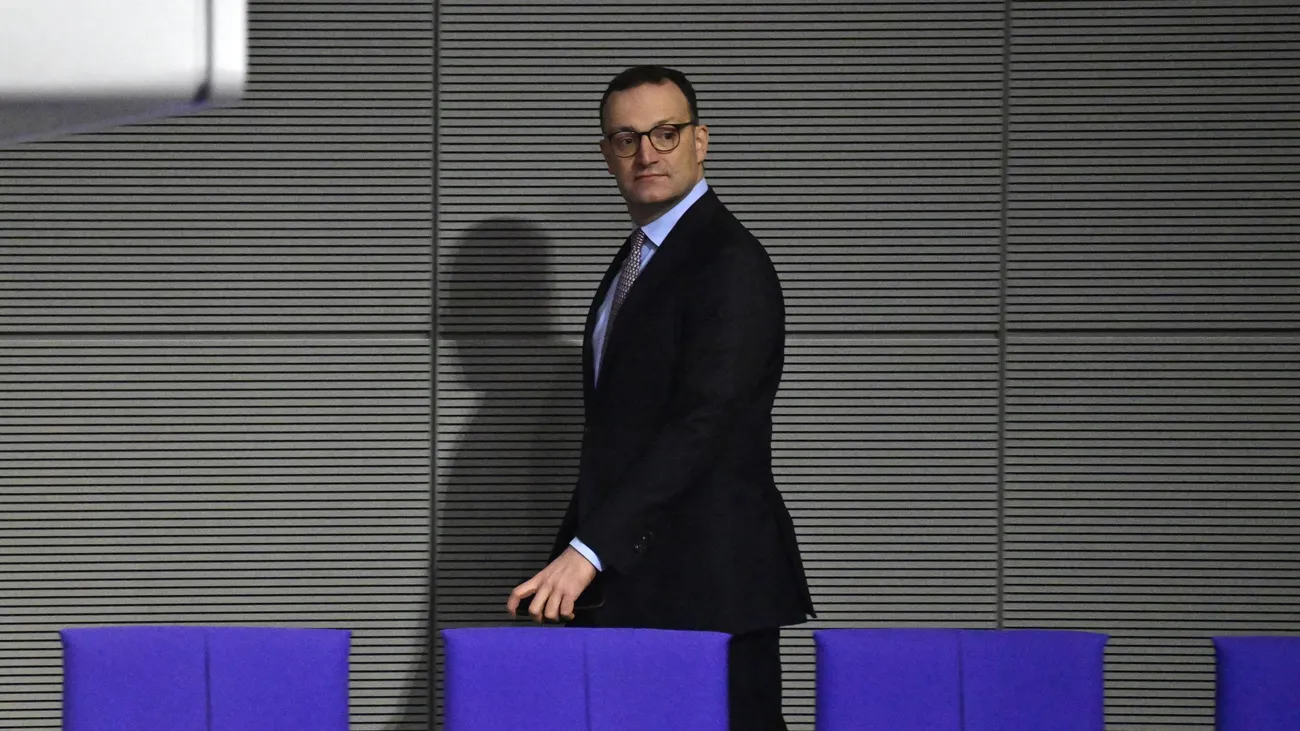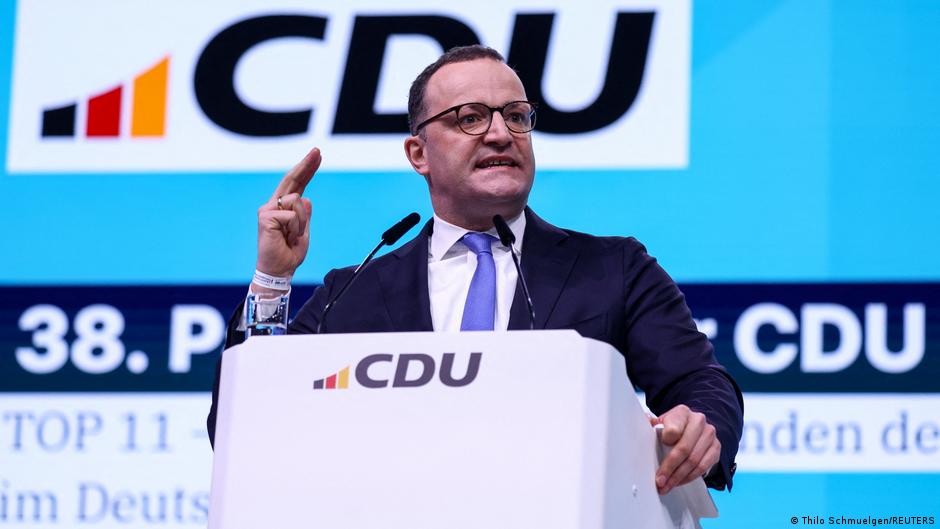
Despite being still only 45, Jens Spahn has a tumultuous career behind him. Germany's COVID-era health minister — a job that left him under investigation over misuse of public money — was on Tuesday re-elected leader of the parliamentary group of the conservative Christian Democratic Union (CDU) and its Bavarian ally, the Christian Social Union (CSU), with a resounding 85% of the vote.
It's a job previously held by his CDU colleagues Helmut Kohl, Angela Merkel, and Friedrich Merz, and it seems reasonable to assume that Spahn harbors ambitions to one day follow those figures into the chancellery. Indeed, Spahn was once an opponent to Merz in the battle to succeed Merkel as CDU leader — though they both ended up losing out to her preferred candidate, Annegret Kramp-Karrenbauer.
But to become chancellor, Spahn would have to win an election, and that might be difficult, given that a recent poll found he was Germany's least popular politician — behind even his boss Merz, whose approval ratings have sunk to unprecedented lows.
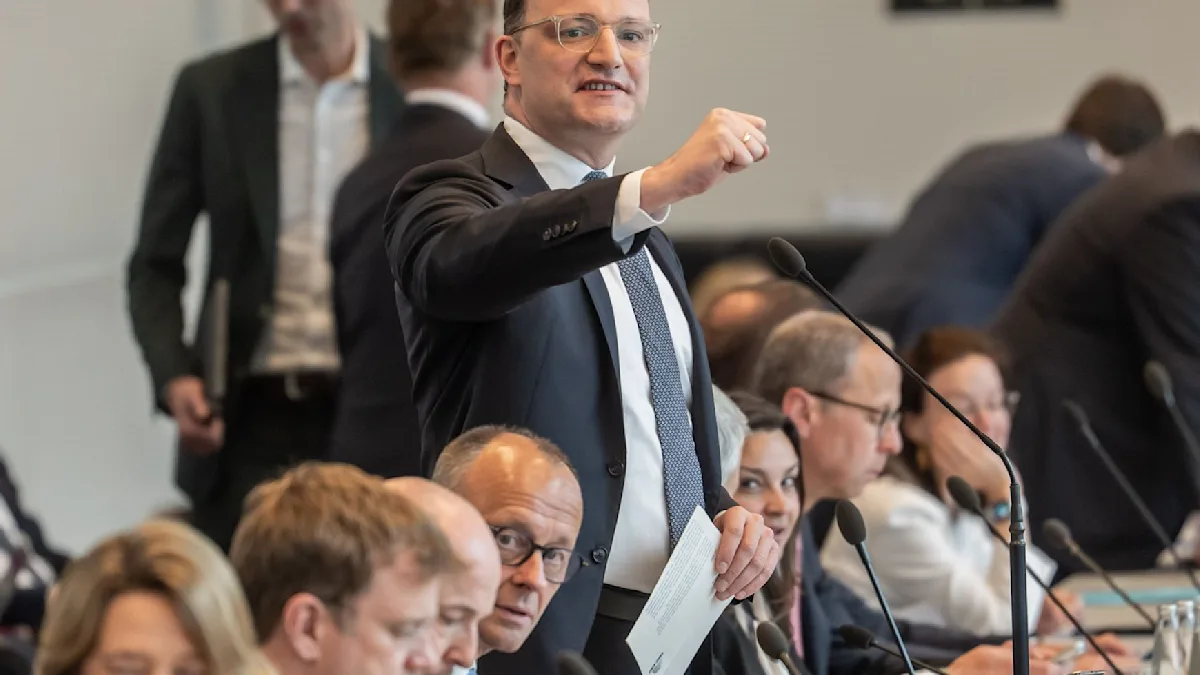
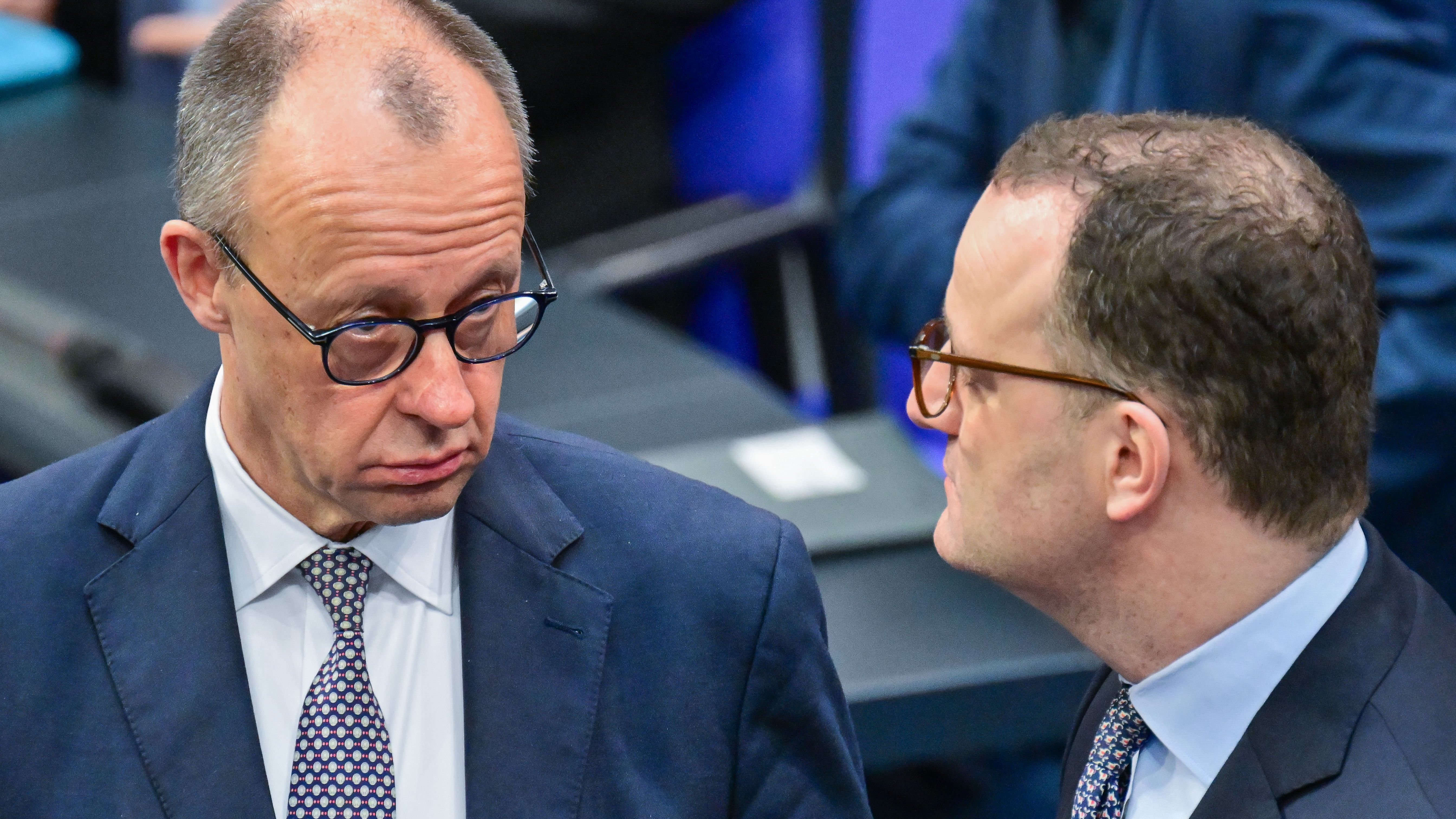
Merz (center) has come to rely on Spahn's marshalling of conservative parliamentarians in the BundestagImage: Michael Kappeler/dpa/picture alliance
A resilient conservative