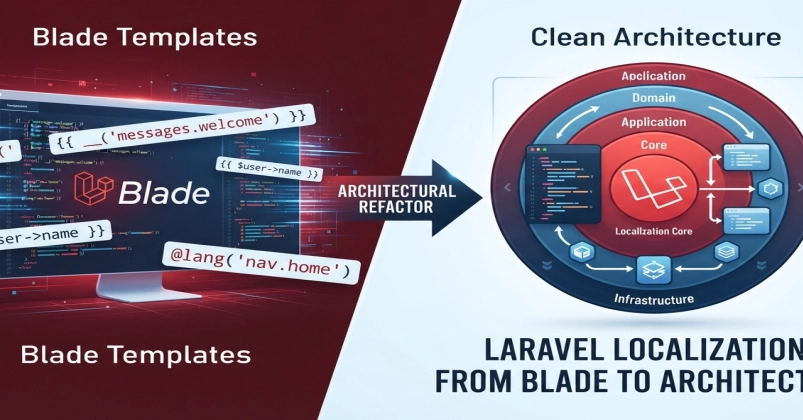
On the modern web, localization is much more than just translating words into another language. It is the foundation of a high-quality user experience (UX) and a powerful tool for search engine optimization (SEO). When a visitor arrives at oleant.dev and sees content in their native language, it's not just convenient — it’s a signal that the resource is reliable and its author deeply cares about the audience's comfort. Localization transforms your site from a local project into a global resource, opening doors to new readers and clients from different countries.
However, behind the apparent simplicity of switching languages lies a serious architectural challenge. How do you effectively manage static phrases in the interface? Where should you store dynamic blog content so that it is accessible in different languages while remaining easy to edit? How do you ensure that search engines correctly index transliterated URLs?
In this article, we will analyze how to implement full-scale multi-language support in a Laravel project using a reliable technology stack. We will rely on our current set of technologies:
mcamara/laravel-localization — for professional routing, managing locale prefixes in URLs, and SEO-friendly redirects.