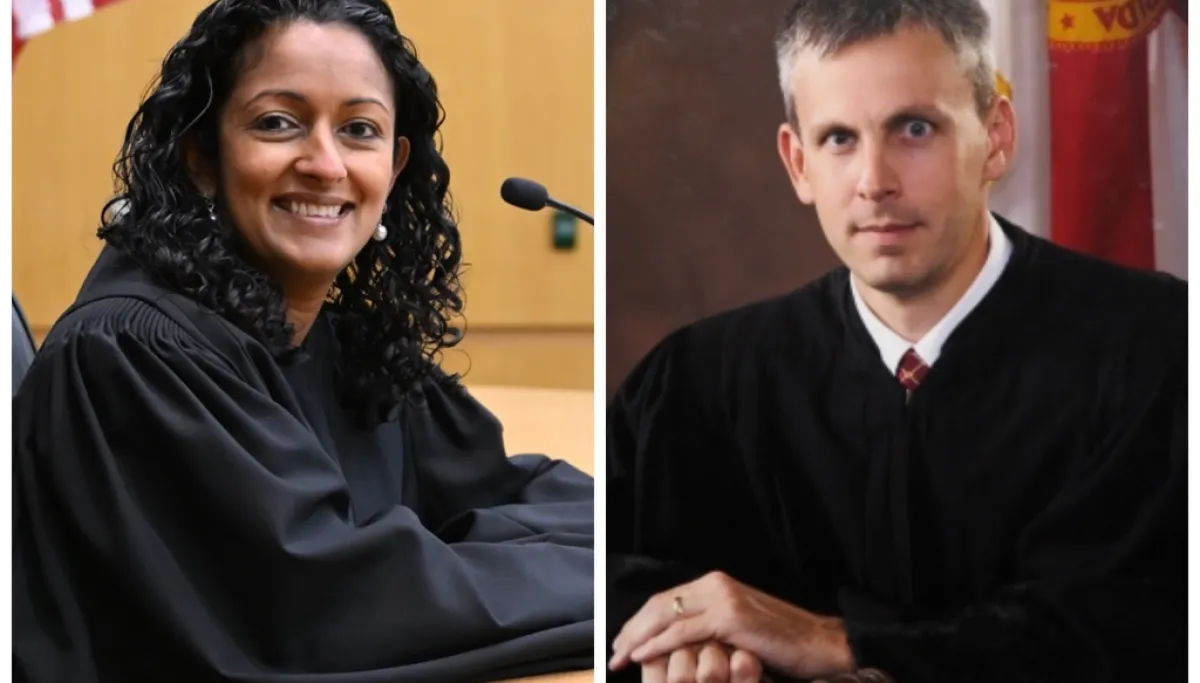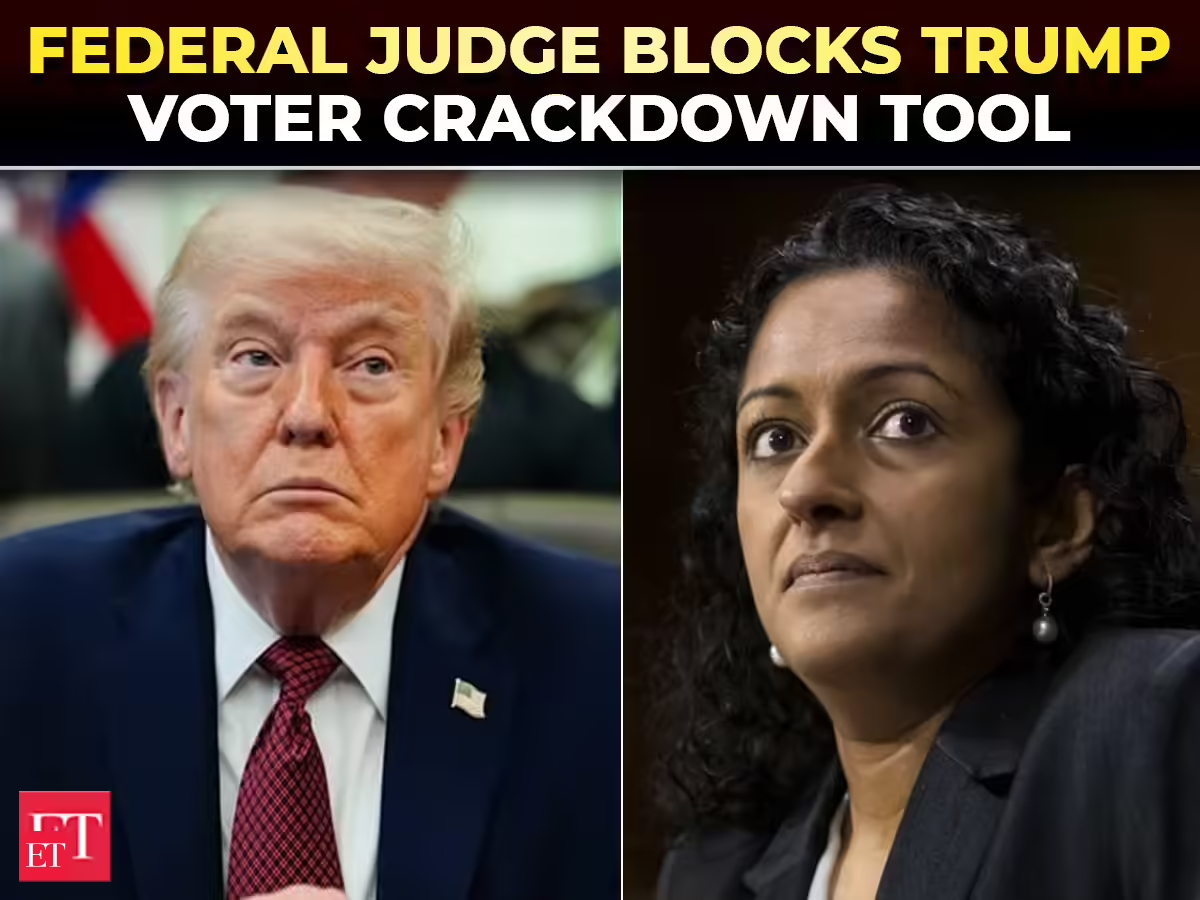
In Focus delivers deeper coverage of the political, cultural, and ideological issues shaping America. Published daily by senior writers and experts, these in-depth pieces go beyond the headlines to give readers the full picture. You can find our full list of In Focus pieces here.If you want an example of what’s wrong with the federal court system today, this recent opinion in League of Women Voters v. U.S. Department of Homeland Security by federal Judge Sparkle Sooknanan, preventing the Department of Homeland Security from helping states verify the citizenship of registered voters, is a prime example. In addition to being filled with partisan diatribes against the Trump administration, Sooknanan, a Biden nominee to the U.S. District Court for the District of Columbia, doesn’t even discuss two relevant federal statutes that authorize exactly what the government was doing and indulges in a bizarre and incorrect reading of a clearly controlling third statute.To understand this controversy, you first need to know about the Systematic Alien Verification for Entitlements database, which was created by Congress in the 1986 Immigration Reform and Control Act. SAVE, which is run by the DHS, enables federal, state, local, and tribal governments to check the immigration status of individuals applying for public assistance.Pursuant to a settlement agreement between Florida and the DHS executed in November, the agency agreed to modify the SAVE system to allow for, among other things, integration with the Social Security Administration to allow searches with full and partial Social Security numbers and bulk upload verification requests, so that SAVE users don’t have to input verification requests one at a time. The lawsuit was the result of the Biden administration doing everything it could in defiance of federal law to prevent state officials from using the SAVE system.Yet Sooknanan held that the 2025 modified SAVE system violated the Social Security Act because SSNs and related records must remain confidential and cannot be disclosed by authorized persons. Sooknanan also asserted the modified system violates the federal Privacy Act, claiming that disclosing SSNs, citizenship indicators, and related data to state election officials was not a compatible “routine use” allowed by federal law.
Another activist federal judge ignores federal law to ensure aliens can vote
A federal judge blocked states from verifying voter citizenship via SAVE — another judge is already ordering DHS to ignore her.
1,307 words~6 min read