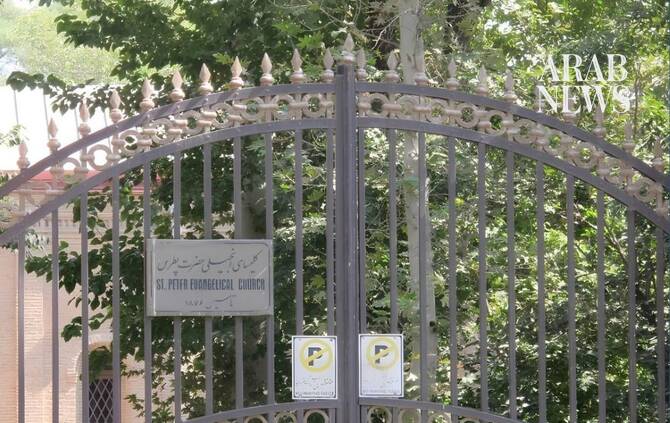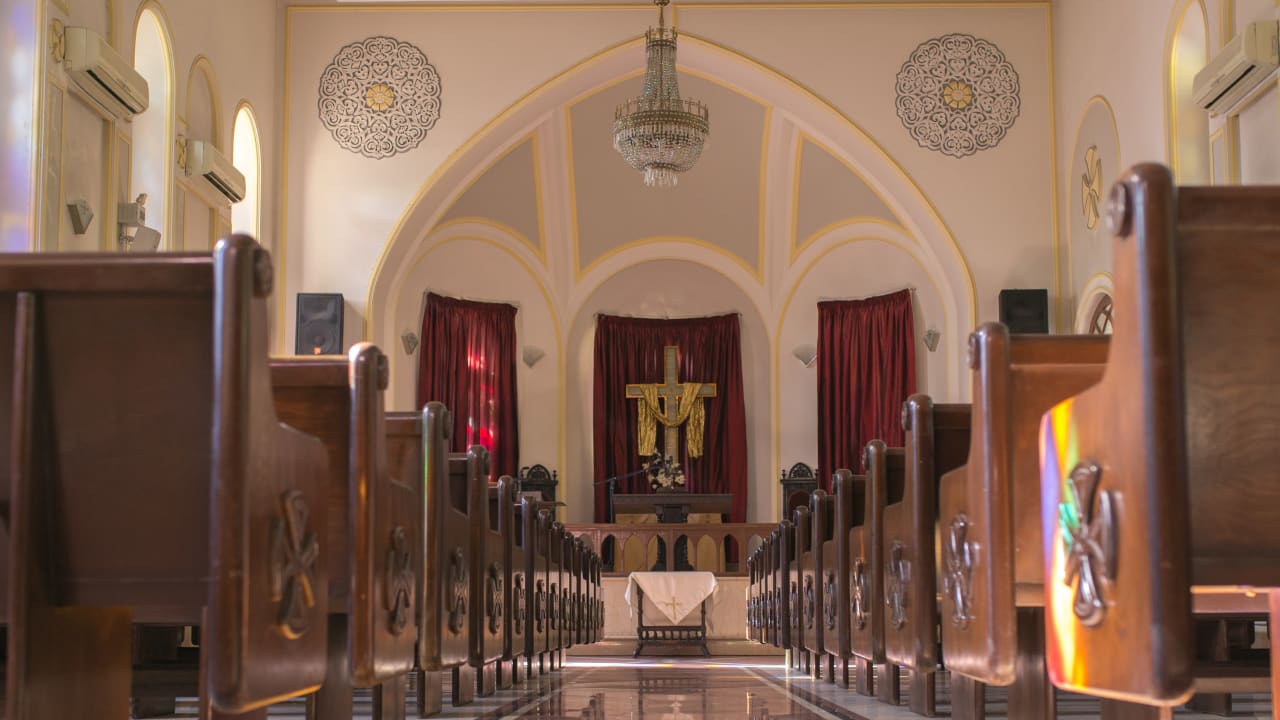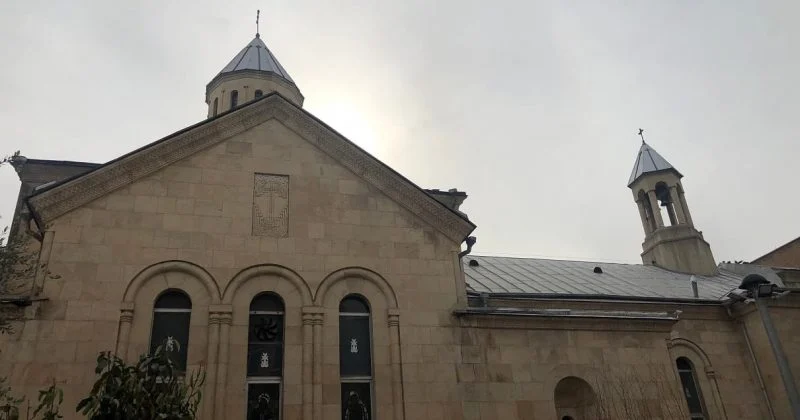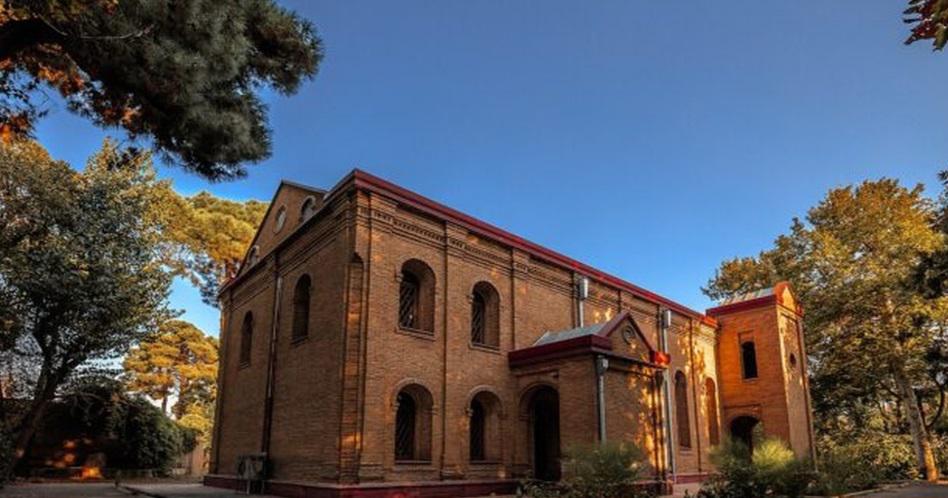
Nazila Ghanea, the UN Special Rapporteur on freedom of religion or belief, and Mai Sato, the UN Special Rapporteur on the situation of human rights in Iran, issued a joint statement on Wednesday, July 15, in response to the confiscation of the historic St. Peter’s Church at the intersection of Sepah and Si-Tir streets in Tehran. They declared that the “forced eviction” of 20 Armenian and Assyrian families is incompatible with international human rights law and poses a risk of homelessness for members of recognised religious and ethnic minorities.
Concurrently, reports of security agents occupying this historic, multimillion-dollar property have reminded religious freedom activists of the seizure and demolition of another historic evangelical church in Mashhad. That church was confiscated by “a security entity” amid regional conflict and razed overnight with bulldozers. Despite a subsequent public dispute in which the provincial governor and mayor ordered the reclamation of the land, while the Khorasan Razavi Provincial Security Council claimed total ignorance, the ultimate fate of the property remains unclear.
This report details the history of a church that has stood since 1872, when Naser al-Din Shah Qajar was crown prince. Following its total confiscation and the eviction of 20 families residing on the premises in the heart of Tehran, its future is now entirely uncertain.