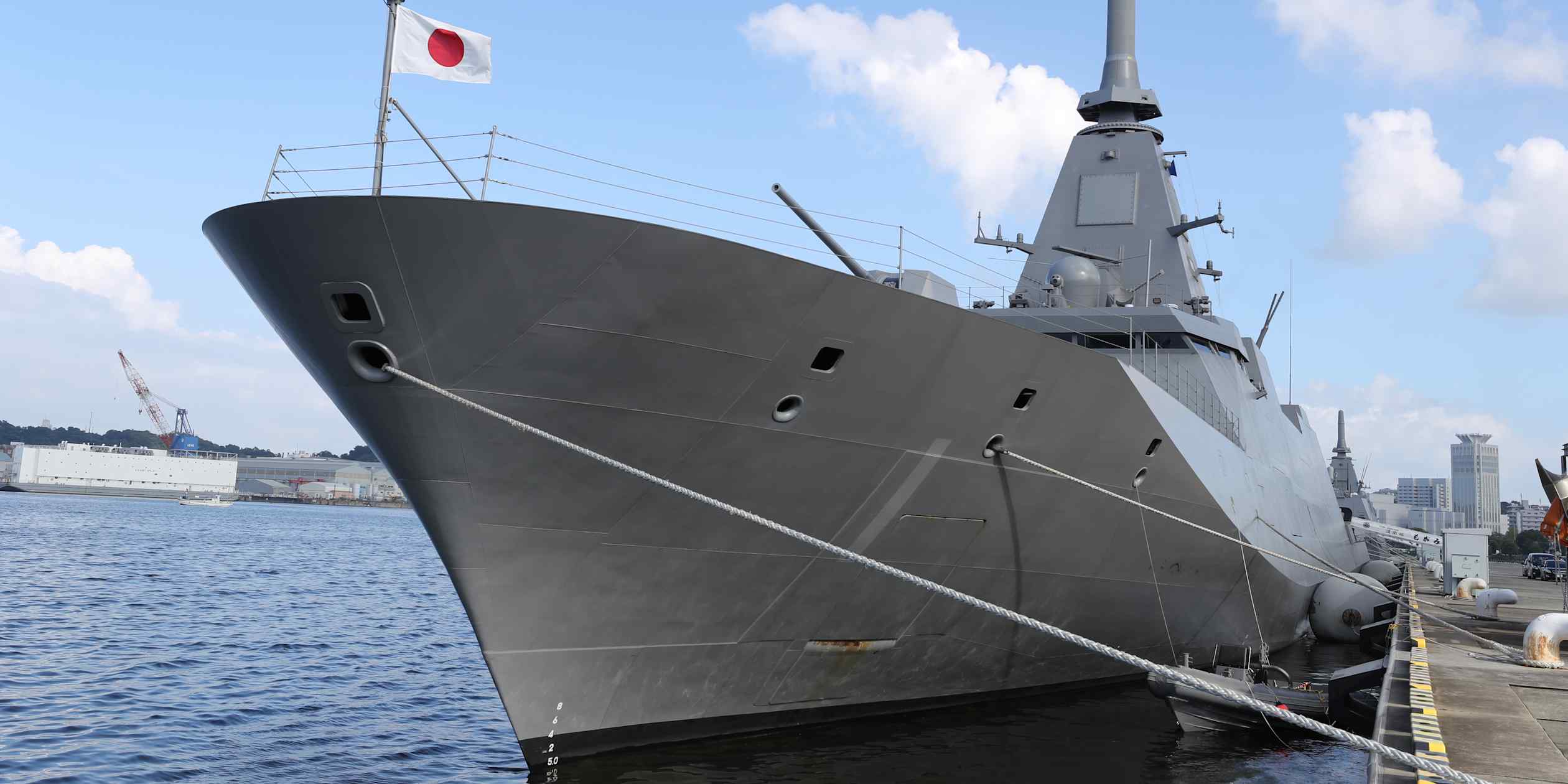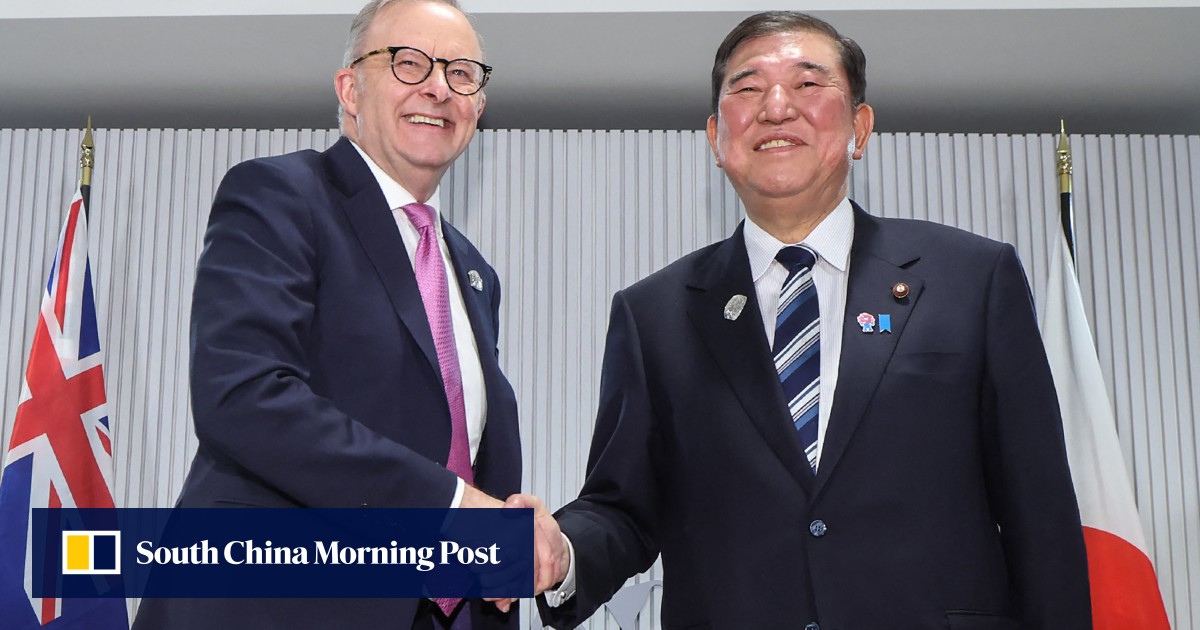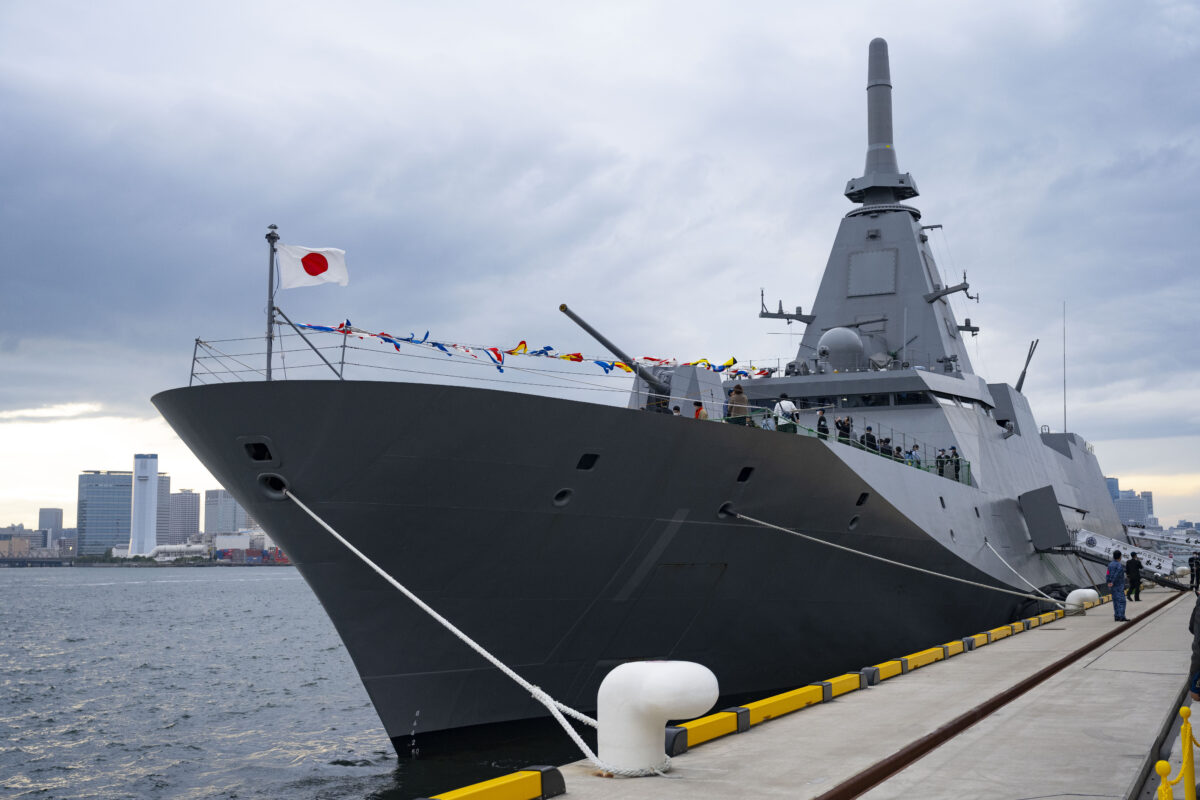
On 21 April 2026, Japanese Prime Minister Sanae Takaichi’s cabinet abolished the rule that had confined the country’s defence exports to five non-lethal categories — rescue, transport, warning, surveillance and minesweeping. Japan had eased its long-standing export ban in stages since 2014, but major lethal platforms such as warships had remained off-limits. The April 2026 decision changed that. It marked a turning point not only for Japan’s security policy, but also for the immediate future of New Zealand’s navy and its deepening relationship with Tokyo.
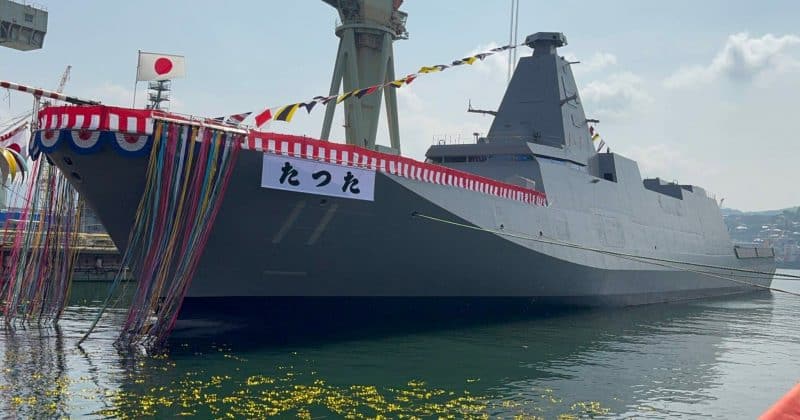
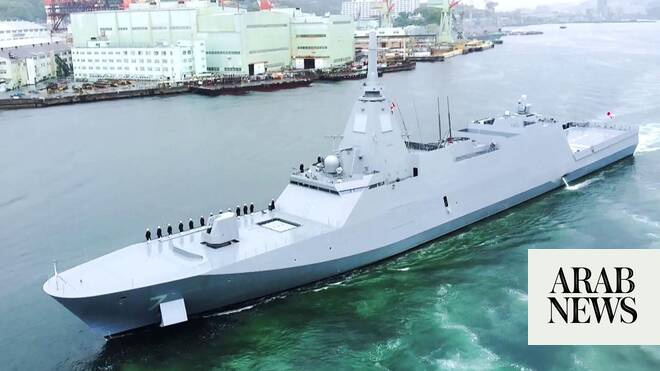
Three days earlier, Australia had signed its first contract with Mitsubishi Heavy Industries for three upgraded Mogami-class frigates. For Australia, the legal groundwork was already in place. Canberra and Tokyo had concluded an Equipment and Technology Transfer Agreement (ETTA) back in 2014.
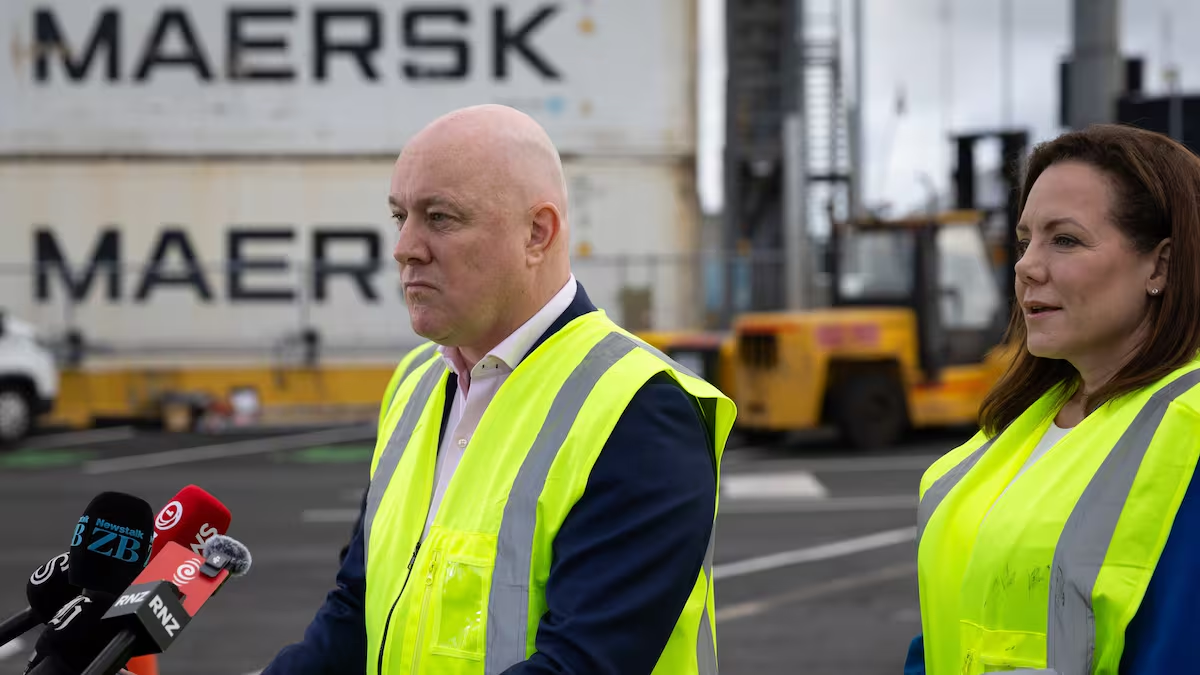
Developments across the Tasman followed. On 7 May, New Zealand Defence Minister Chris Penk announced that Japan’s Mogami-class — the same class that Australia selected — and the United Kingdom’s Type 31 frigates were the two contenders to replace the Royal New Zealand Navy’s ageing ANZAC-class frigates. A recommendation is expected to reach Cabinet before the end of 2027.