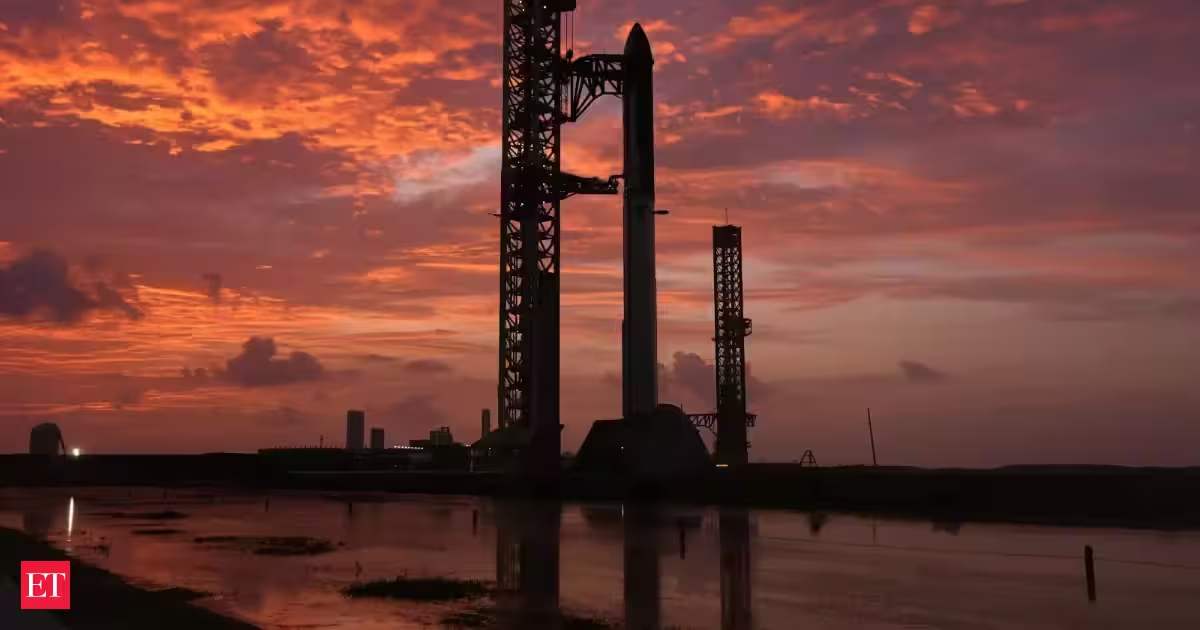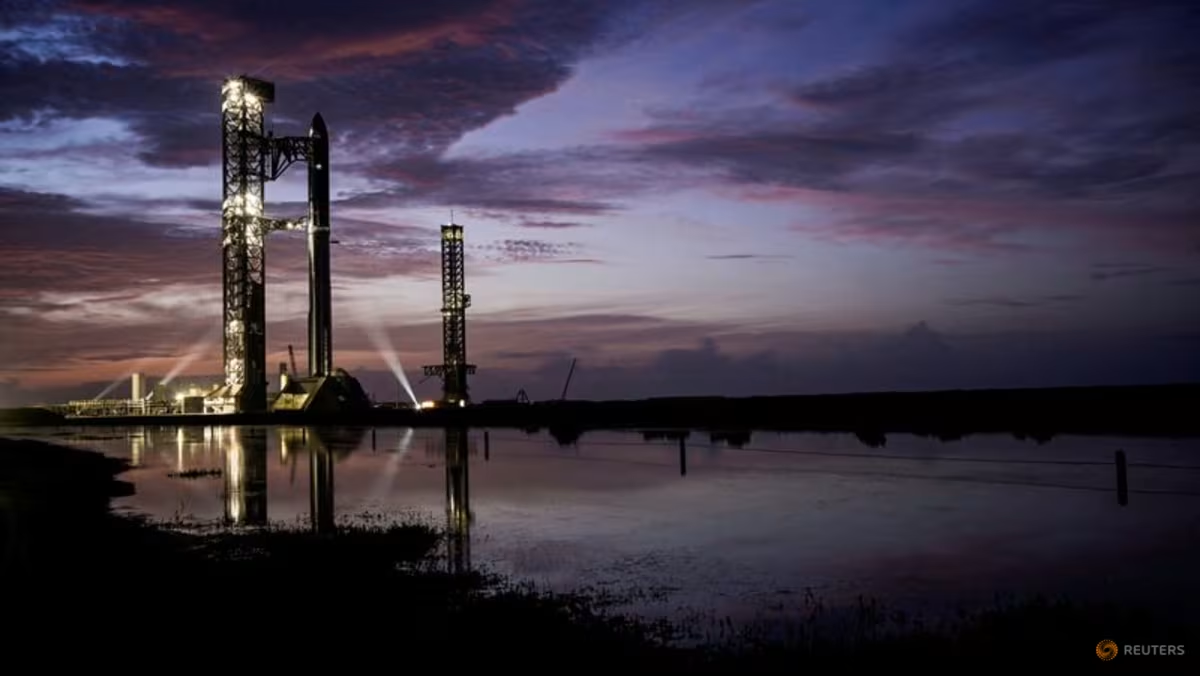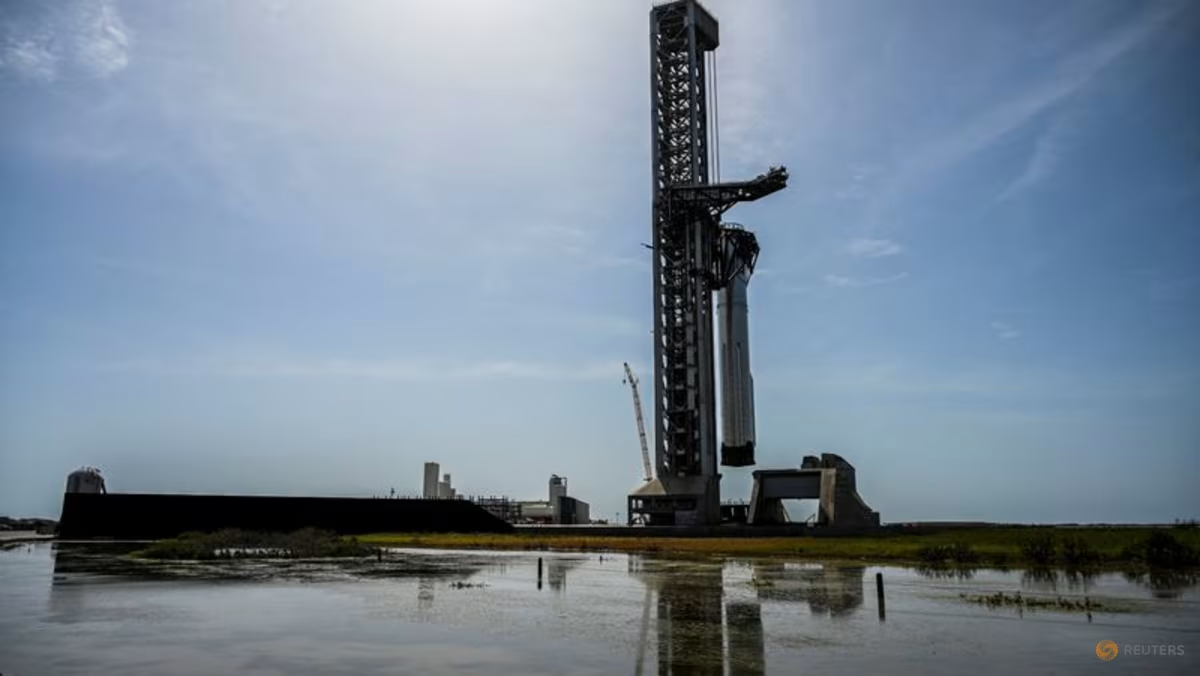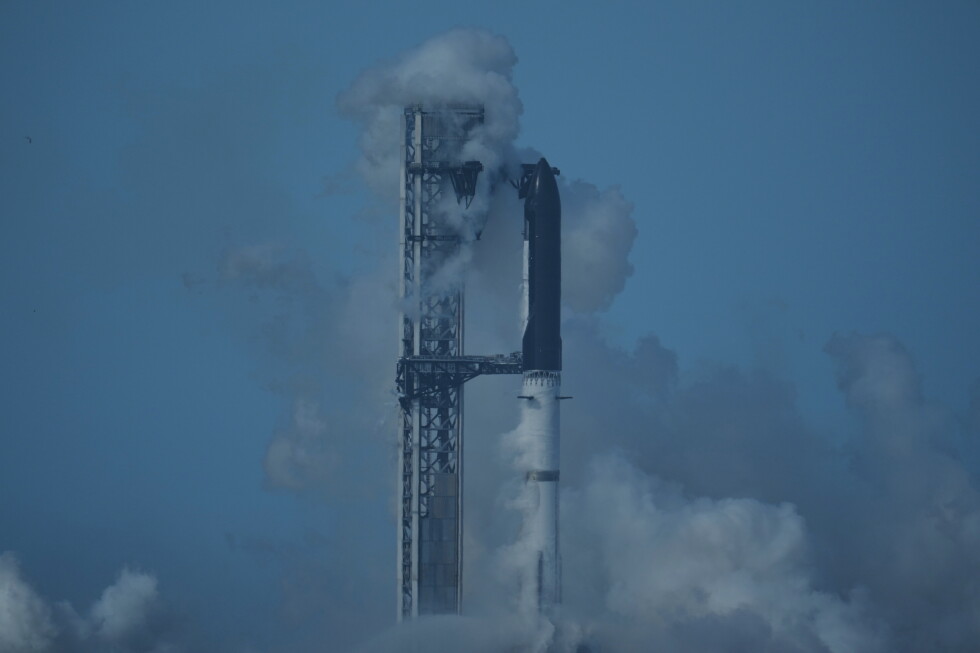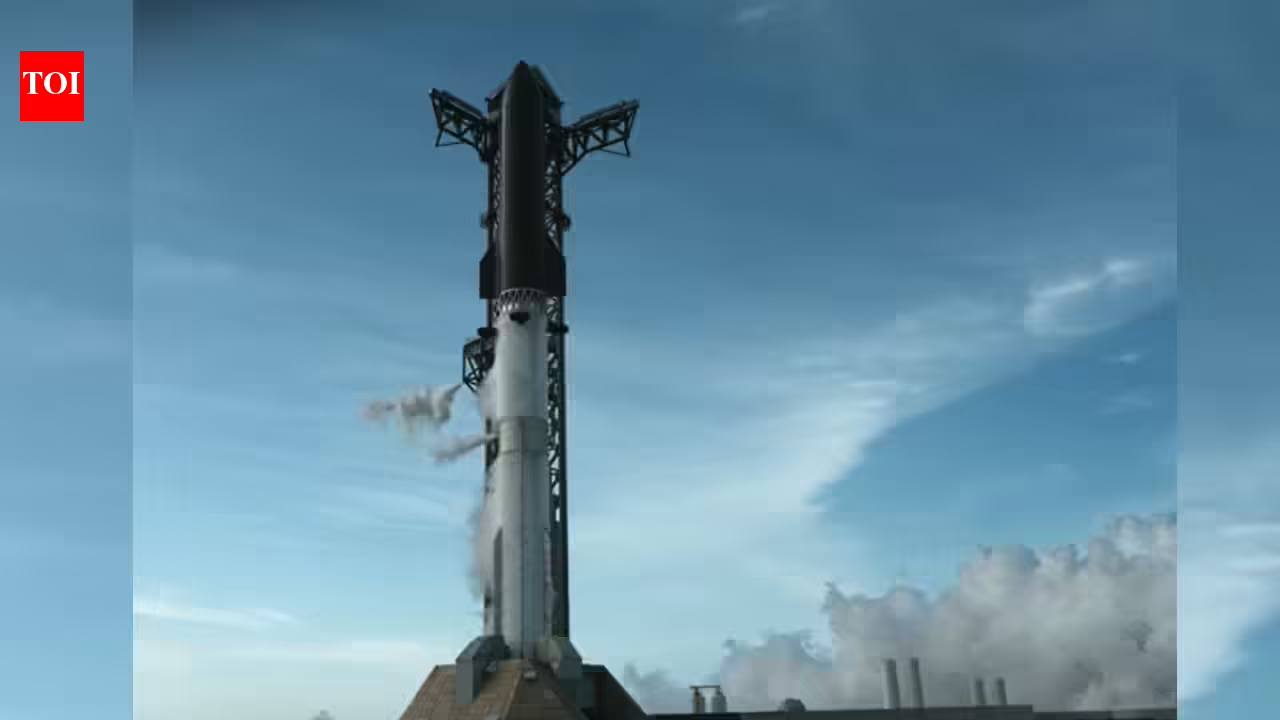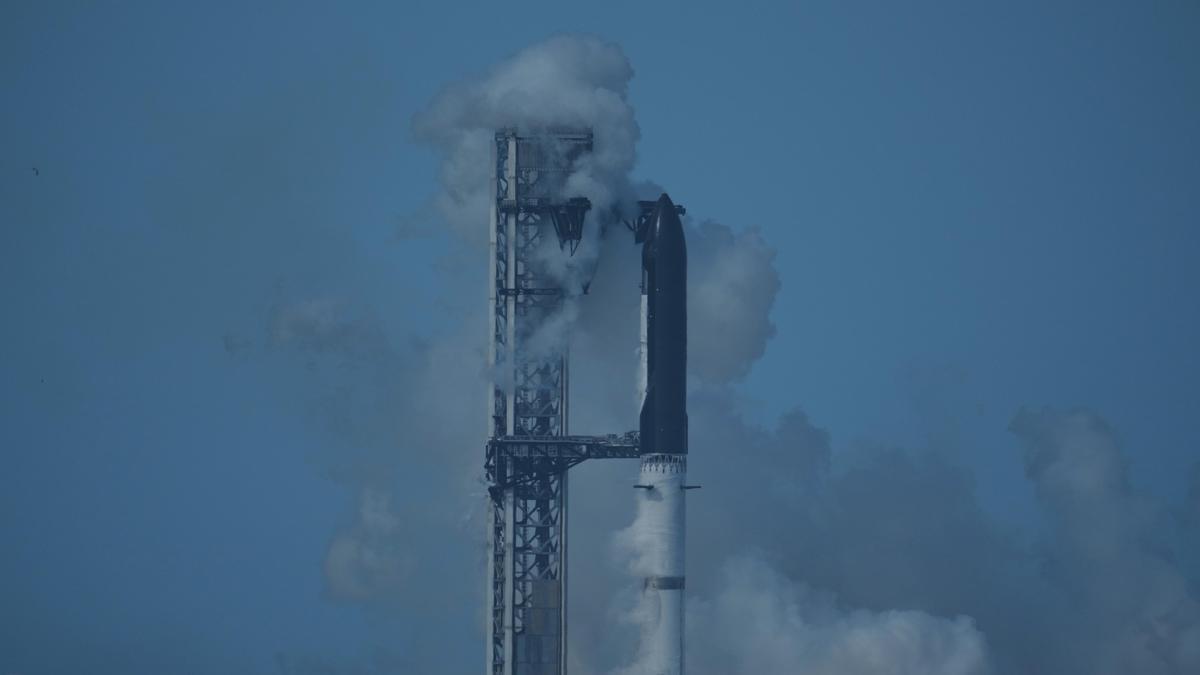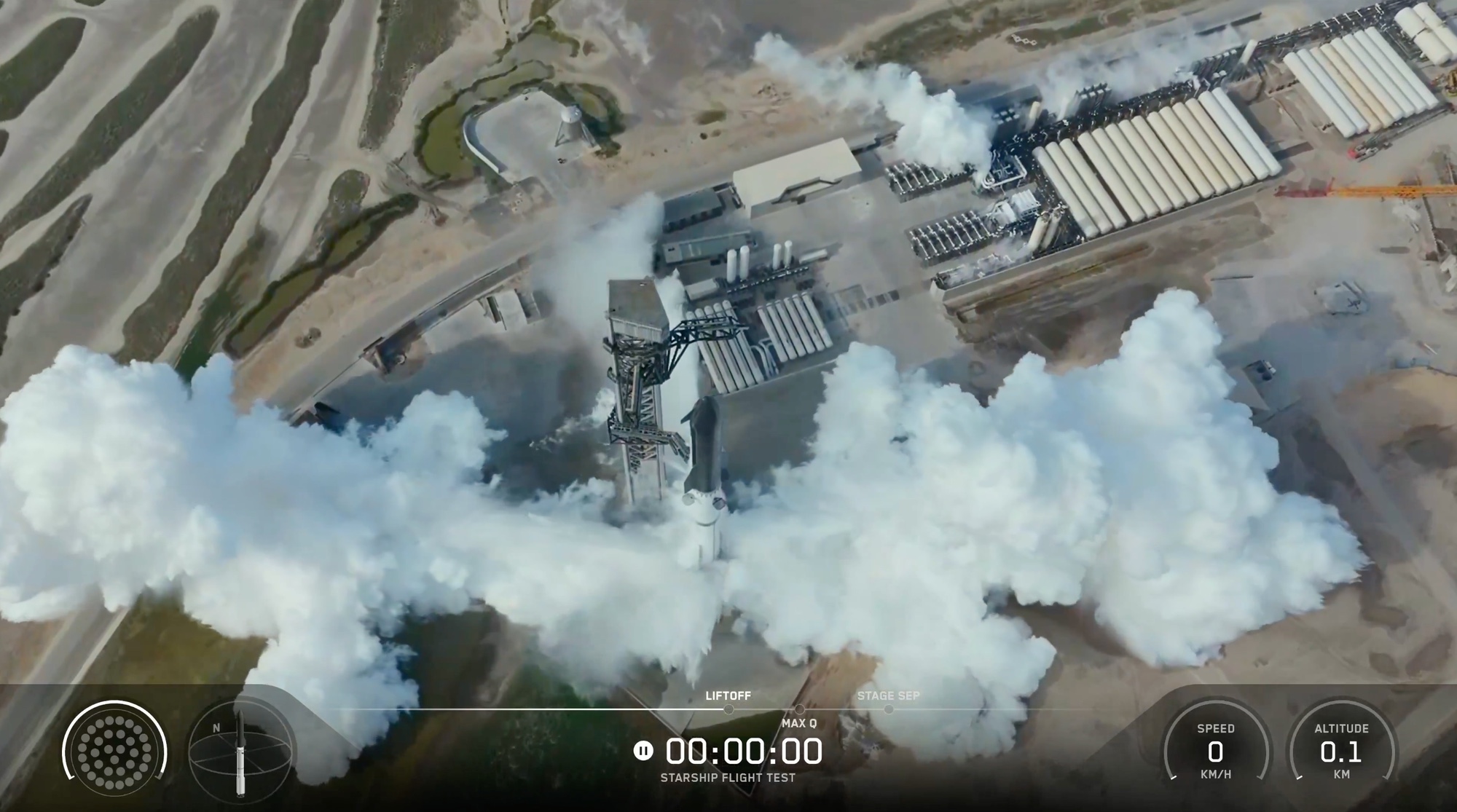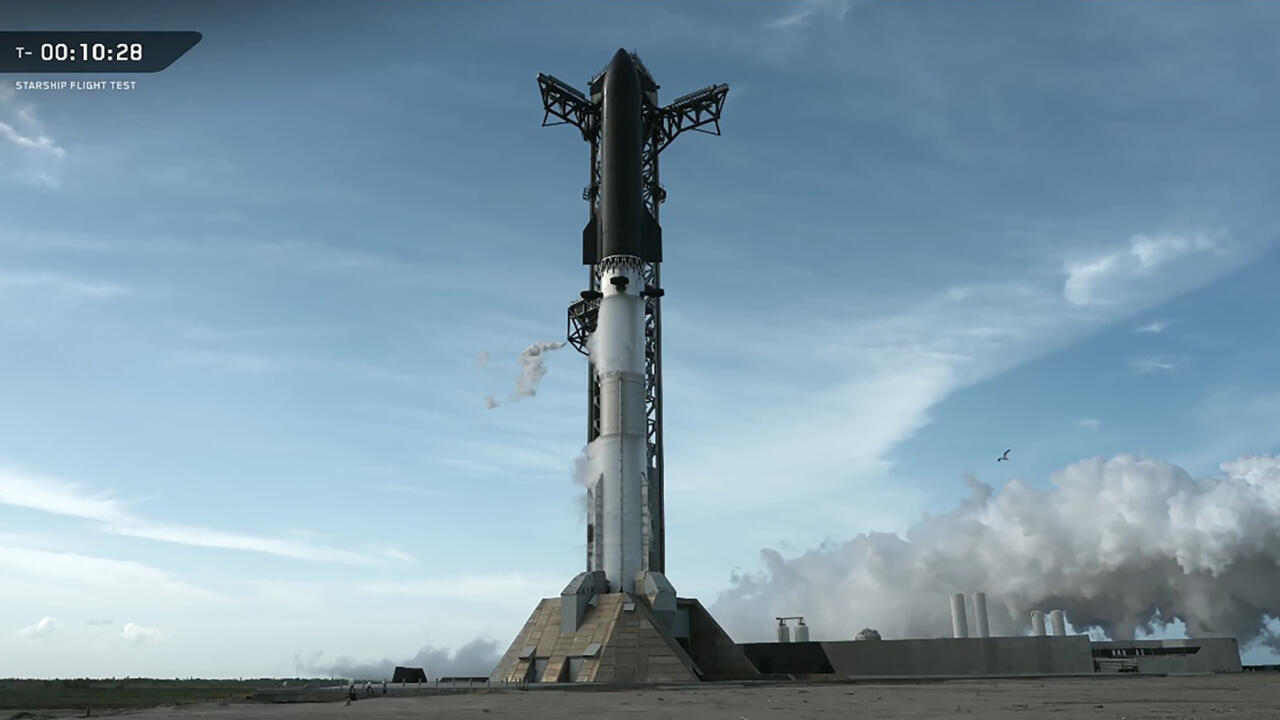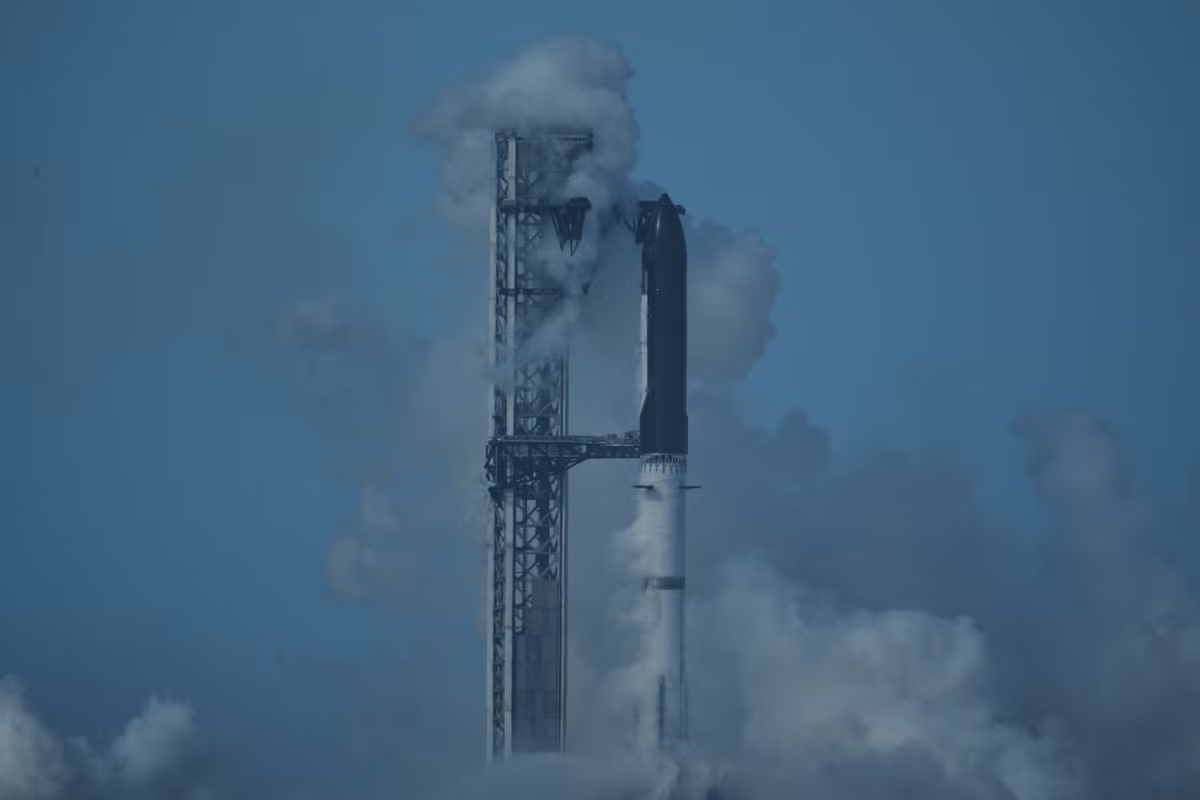
SpaceX on Thursday said that it aims to launch its Starship rocket again in a few days after aborting a mission when some of its engines did not fire up, sending shares lower.Starship was slated to take off on its 13th major mission from SpaceX’s Starbase launch facility in Texas at 5:45pm.However, at the planned liftoff time, plumes of smoke erupted from the launch tower and the rocket remained in place.
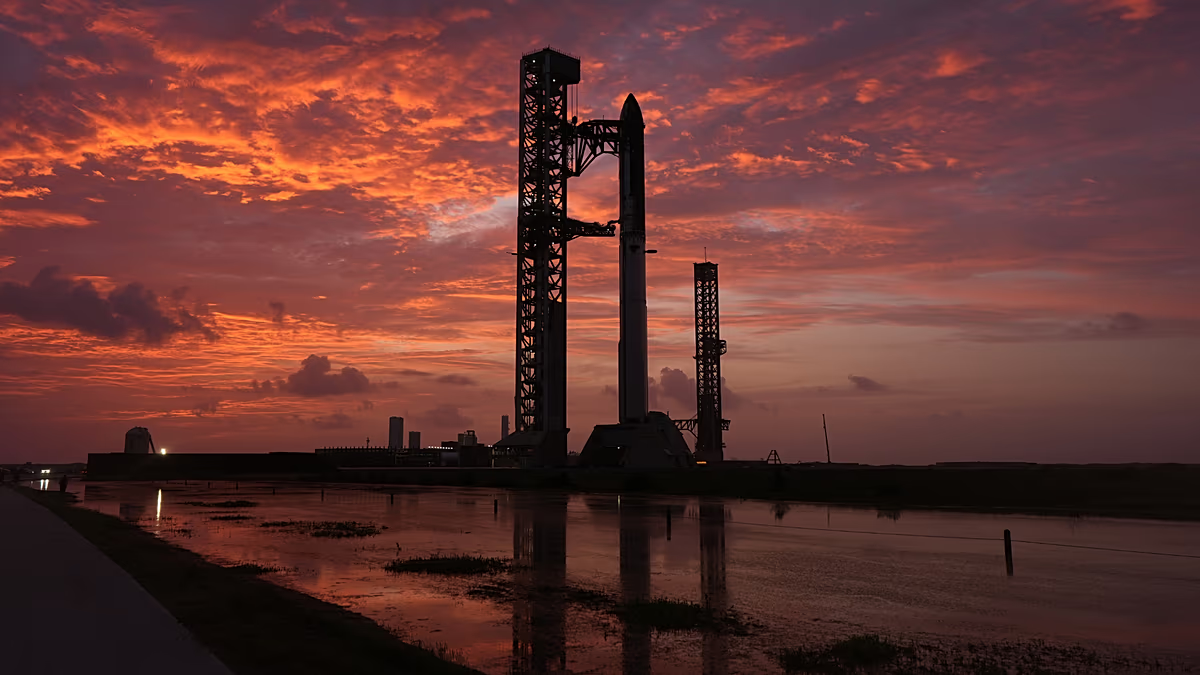
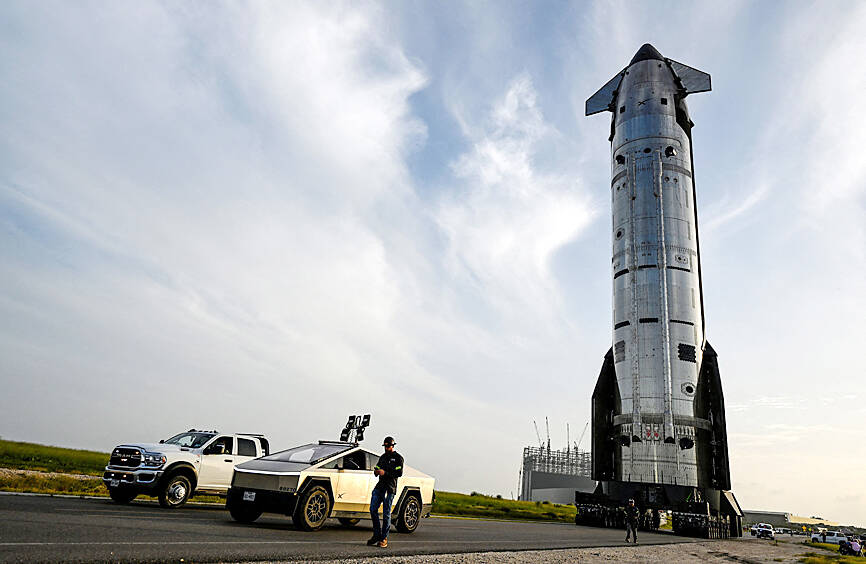
Starship 40 rolls out of a SpaceX production facility in Starbase, Texas, on Wednesday.
SpaceX chief executive officer Elon Musk said the engine failure triggered an automatic launch abort alert and the company was in the process of offloading propellant.“We’ll dig in with the teams, figure out what happened and figure out when our next attempt is going to be,” SpaceX communications manager Dan Huot said.
The spacecraft is central to Musk’s ambitions to put data centers in space, expand the Starlink communications network and send humans to the moon and Mars.The Starship test was meant to be the rocket’s first since SpaceX’s blockbuster initial public offering (IPO) last month that raised about US$86 billion.SpaceX shares fell more than 6 percent on the Blue Ocean platform as of 8:22am in Singapore, after closing down in regular trading on Thursday.The stock soared shortly after the company’s IPO, but more recently has slumped.Despite the decline, Wall Street analysts remain largely bullish.Musk’s company has designed Starship to be fully reusable, something no other rocket maker has achieved, with the Super Heavy booster and the Starship spacecraft intended to return to Earth intact after each launch so they can fly to space again.Musk has predicted that SpaceX could achieve full reusability with the upgraded V3 rocket before the end of the year.SpaceX has spent more than US$15 billion developing Starship.SpaceX holds US$4 billion of NASA contracts for Starship to land astronauts on the moon as soon as 2028. To do so, SpaceX will have to refuel the vehicle in space, launch it a dozen times or more in a row and ensure the vehicle is safe to hold humans — a demanding list of tasks for a vehicle that has yet to complete a full orbital mission.