The Justice Department wants to keep the ban in place as it appeals a ruling that the policy was likely fueled by unconstitutional animus.Show Caption
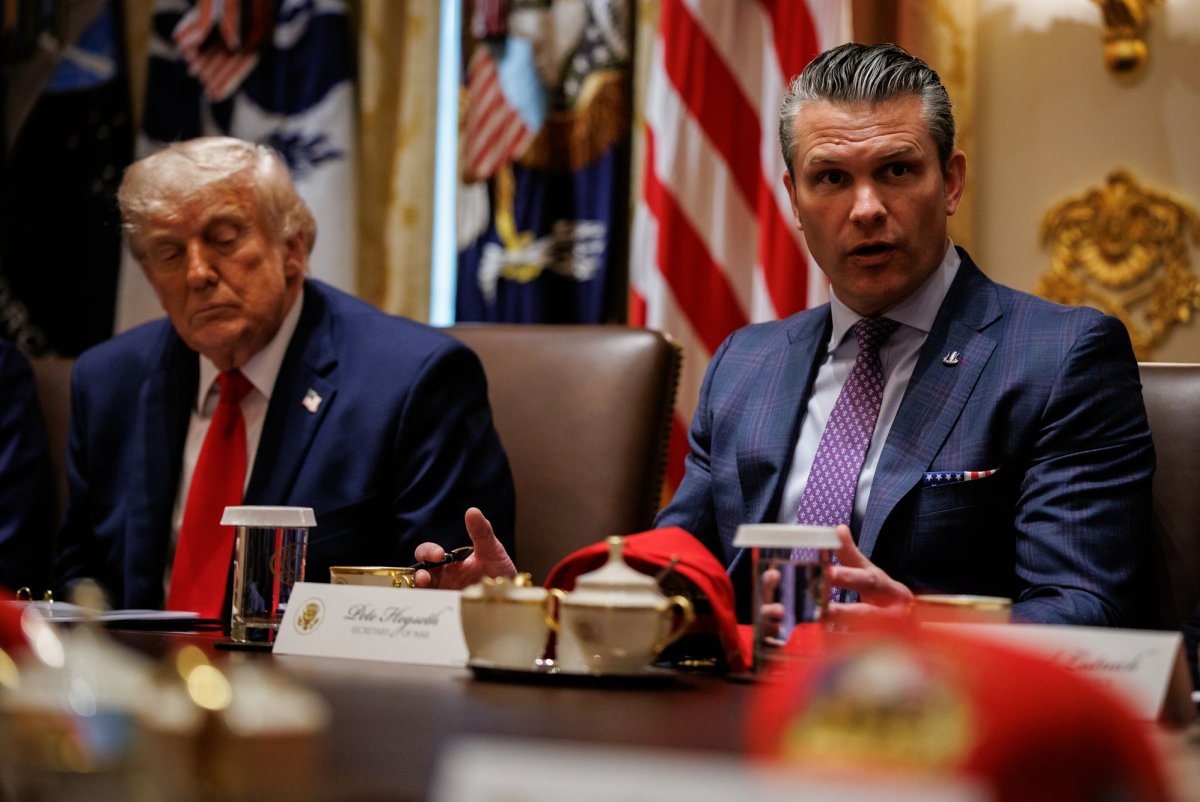
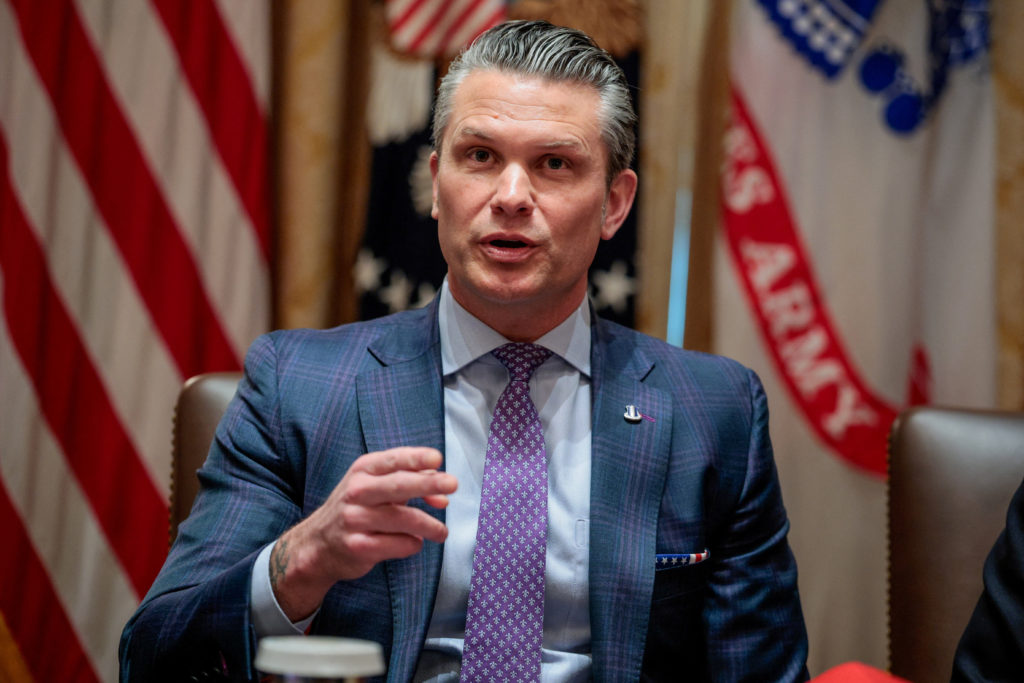
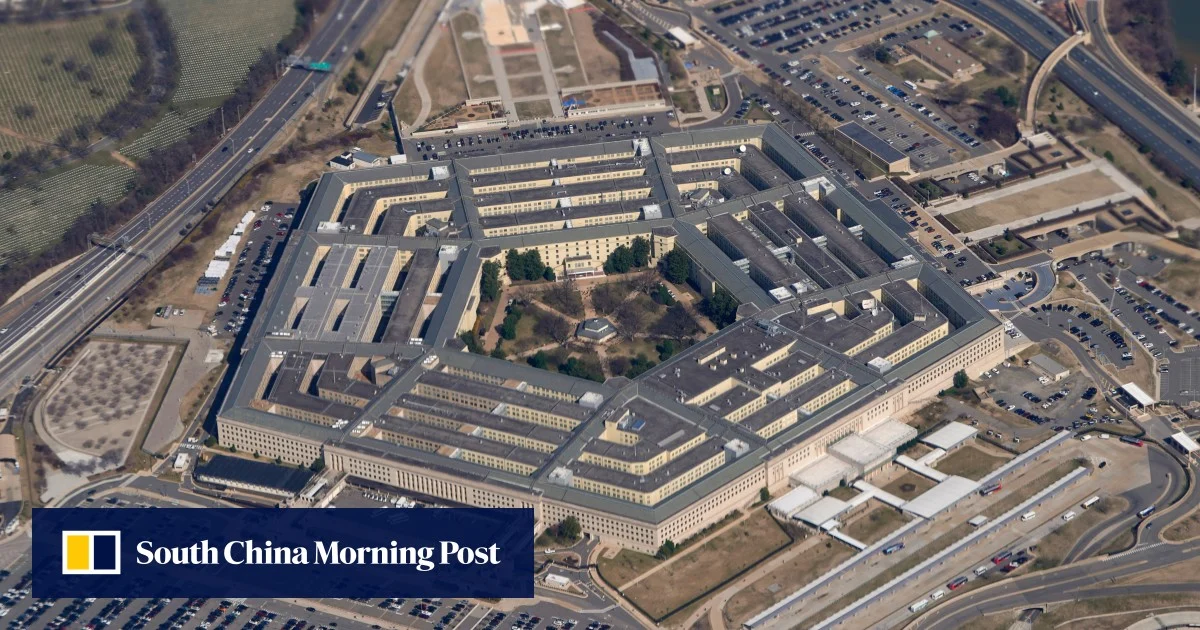
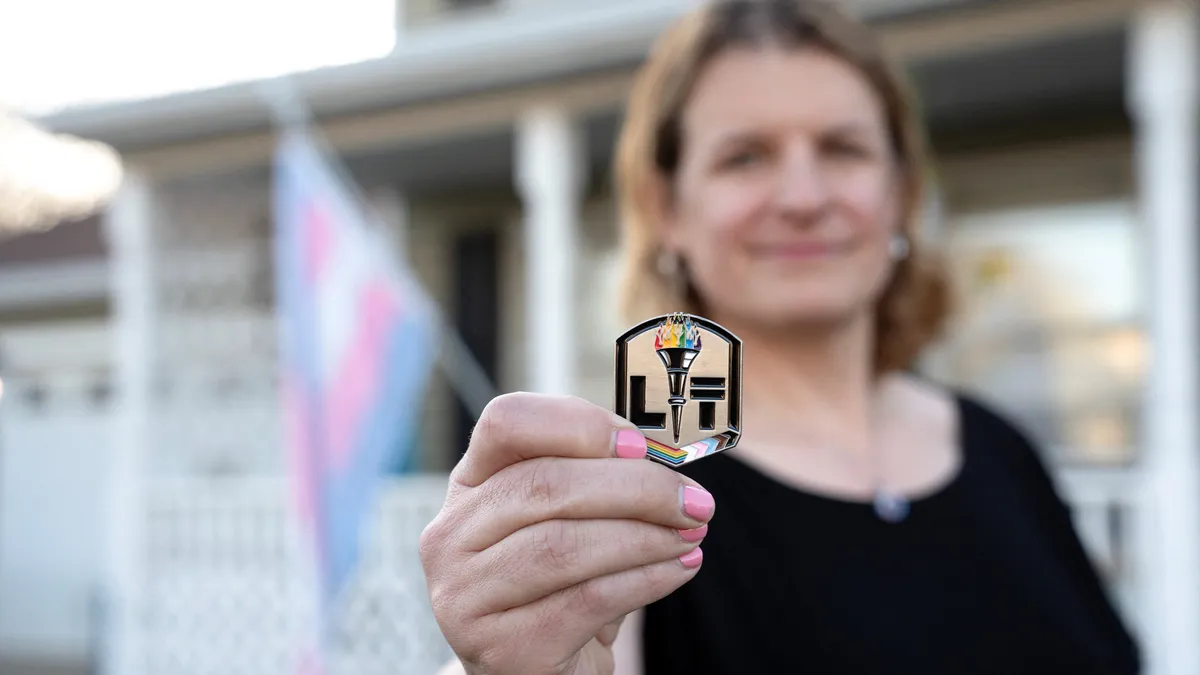
WASHINGTON – The Trump administration plans to once again ask the Supreme Court to keep in place the president’s ban on transgender troops in the military.In a July 16 filing, the Justice Department asked a lower court not to finalize a ruling that the ban probably violated the troops’ constitutional rights and cannot be enforced against those currently serving who challenged the policy.Lawyers for the government said they will be appealing that June ruling to the Supreme Court by the end of August. They emphasized that the justices already intervened in a different challenge to the policy last year when a majority said the ban can be enforced as it’s being litigated.If the U.S. Court of Appeals for the District of Columbia Circuit does not agree to keep its ruling from going into effect while the administration appeals it, the government could ask the Supreme Court for an interim ruling pausing implementation.The court did not explain its decision last year when it intervened after a federal judge in Washington state paused the ban.The D.C. Court of Appeals said it was not bound by that decision because the justices may have thought the pause should have applied only to the service members who had challenged the policy, while it's own ruling is narrower.The “Court’s reasoning was not explained and could have been based on impropriety of the universal nature of the injunction,” Judge Robert Wilkins wrote for a three-judge panel of the D.C. Court of Appeals.The Justice Department called that reasoning incorrect.“The Supreme Court stayed the injunction in full − including as applied to the named plaintiffs,” the government’s lawyers wrote. “That stay order thus cannot be interpreted as pertaining only to the universal scope of the injunction.”The Justice Department also argues that the Supreme Court’s recent ruling that states may ban transgender girls from female sports team bolsters its case. That’s because the court rejected the argument that a transgender student who has taken puberty blockers and hormone therapy should be given the opportunity to prove that she no longer has an athletic advantage.Likewise, the government wrote in its filing, the validity of the Pentagon’s policy depends on whether it bears a rational relation “to the general problem.”The executive order Trump signed soon after taking office said the "adoption of a gender identity inconsistent with an individual's sex conflicts with a soldier's commitment to an honorable, truthful, and disciplined lifestyle.”Wilkins, who was appointed by former President Barack Obama, wrote that the policy is arbitrary and “appears to be driven by the bare desire to harm a politically unpopular group: persons who identify as transgender.”Judge Justin Walker, who was nominated by President Donald Trump, dissented, writing in the minority opinion that striking down the Pentagon's policy would amount to an "unprecedented intrusion into the internal operations of the armed forces."Pentagon chief Pete Hegseth officially issued the ban on transgender people serving in the military in February 2025, effectively reviving an order Trump instituted in his first term. In the interim, former President Joe Biden had scrapped it days after taking office in 2021.Hegseth has said people who experience symptoms of gender dysphoria "cannot satisfy the rigorous standards necessary for Military Service," according to a memo he released last year. He has tied the ban on transgender service members to his sweeping push to eradicate what he calls "woke" policies throughout the military.The military has about 1.3 million active-duty personnel, according to data from the War Department, formerly the Defense Department. Though transgender rights advocates say as many as 15,000 transgender people serve in the military, officials say the number is in the low thousands.