A CHAGUANAS businessman says his accounts were drained last month after cyberhackers accessed three accounts at a commercial bank.The businessman, who lost over $1 million and close to US$100,000, is now questioning why the bank would authorise the transfer of large sums of money without approval from a client.The incident, which occurred between June 24 and June 25, has left the businessman wary of online banking. And he says he has lost trust in the commercial banking system.Speaking to the Express in a telephone interview yesterday, the businessman, who requested anonymity, said three accounts at a local commercial bank were 'wiped clean' last month.'They take it from three accounts and they hacked everything out. They cleaned out the accounts; wiped clean the accounts,' he reported.In one account, he said just under $500,000 was stolen; in a second, under $600,000; and in a third account, a US dollar account, just under US$100,000.He said he found out about the cyber attack when he attempted to make an online transaction on June 25. Since then, he has recovered part of the lost sum.He said the matter was under investigation and involved the Trinidad and Tobago Police Service (TTPS) Fraud Squad and Cybercrime Unit. However, he said there were questions that the bank needed to answer.'When customers are at a bank, they (the bank) have to look for authorisation; even if it is $50,000, $100,000-they have to get authorisation. Who authorised these hackers to get this money out of a customer account, unknown to him? Who is giving these people (hackers) authorisation? How are they getting the authorisation to take out that kind of money? The most amount a customer could take out in a wire transfer is $250,000. How come it was over that sum?' he asked.Since this incident, he said others have come forward to him, sharing their own experiences with money stolen from their bank accounts.'Others are saying they went through this last year. This thing is happening plenty and we don't know about it,' he continued.Adding that he believed the incident was 'an inside job', he said he was now sceptical about using online banking.'I don't know if the banks can do anything. They have to be careful with this online banking, and how come they can hack out this kind of money?' he said.Attack on the business community Responding yesterday, head of the Chaguanas business chamber said the incident was an attack on the business community.'When a Chaguanas businessman loses over $1 million in the blink of an eye to online fraudsters, it is not just an IT glitch or a headline to be briefly skimmed and forgotten. It is a quiet, financial heart attack that drives fear through our communities, and, in some instances, it leaves salaries unpaid, suppliers empty-handed, and eroding the hard-earned confidence required to do business in Trinidad and Tobago. This is not simple petty theft, but a highly sophisticated, calculated assault on the very lifeblood of our businesses,' he said via WhatsApp.Maharaj added that over the past few years, business owners were forced to use online banking due to exorbitant fees attached to manual transactions and administrative hurdles. He noted that while these digital platforms were used, the financial system has left customers 'uniquely exposed to fraud'.'The risk has now moved from a physical person doing a robbery to someone who is invisible,' he continued.Maharaj, who has spent years within the banking industry, added that the current state of digital transactional security left him 'deeply uneasy'.'This is not an indictment of our commercial banks' intentions, as we fully recognise the massive capital and top-tier talent they use to strengthen their networks. However, when highly sophisticated criminals continue to bypass these multimillion dollar defences, it proves that the threat has outgrown individual corporate walls, because the fraudsters are highly coordinated, while our defences remain fragmented; we can no longer afford to address this crisis in silos,' he continued.He called on the Central Bank of Trinidad and Tobago, as the nation's apex financial regulator, to urgently step forward and spearhead a coordinated, national inter- bank protocol.'When a business is hit, we cannot afford days of bureaucratic delays; we need an immediate, rapid asset tracing and recovery mechanism designed to freeze and claw back stolen capital before it vanishes.'Ultimately, we refuse to be intimidated into retreating from the digital economy, but we demand a financial ecosystem where we are not left to fend for ourselves. We need an immediate, transparent tripartite dialogue between the Central Bank, commercial banks, and the business community to establish clear lines of liability, align our security protocols, and turn our collective defences into a single, impenetrable shield,' he said.
Chaguanas businessman lost over $1m in cyber bank heist
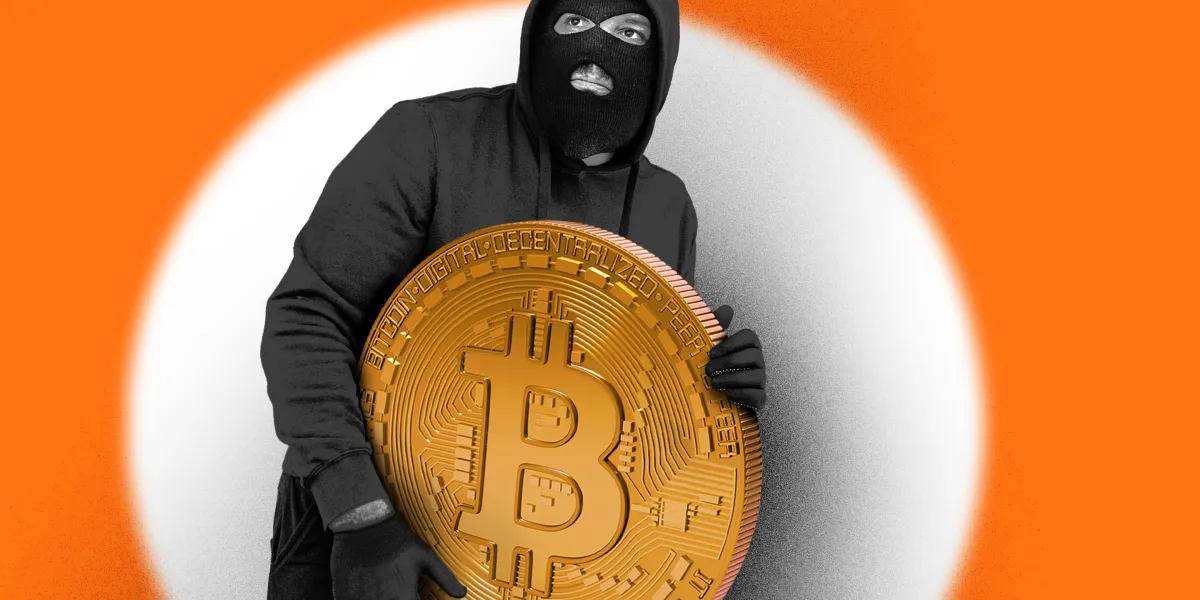
A CHAGUANAS businessman says his accounts were drained last month after cyberhackers accessed three accounts at a commercial bank.
777 words~4 min read