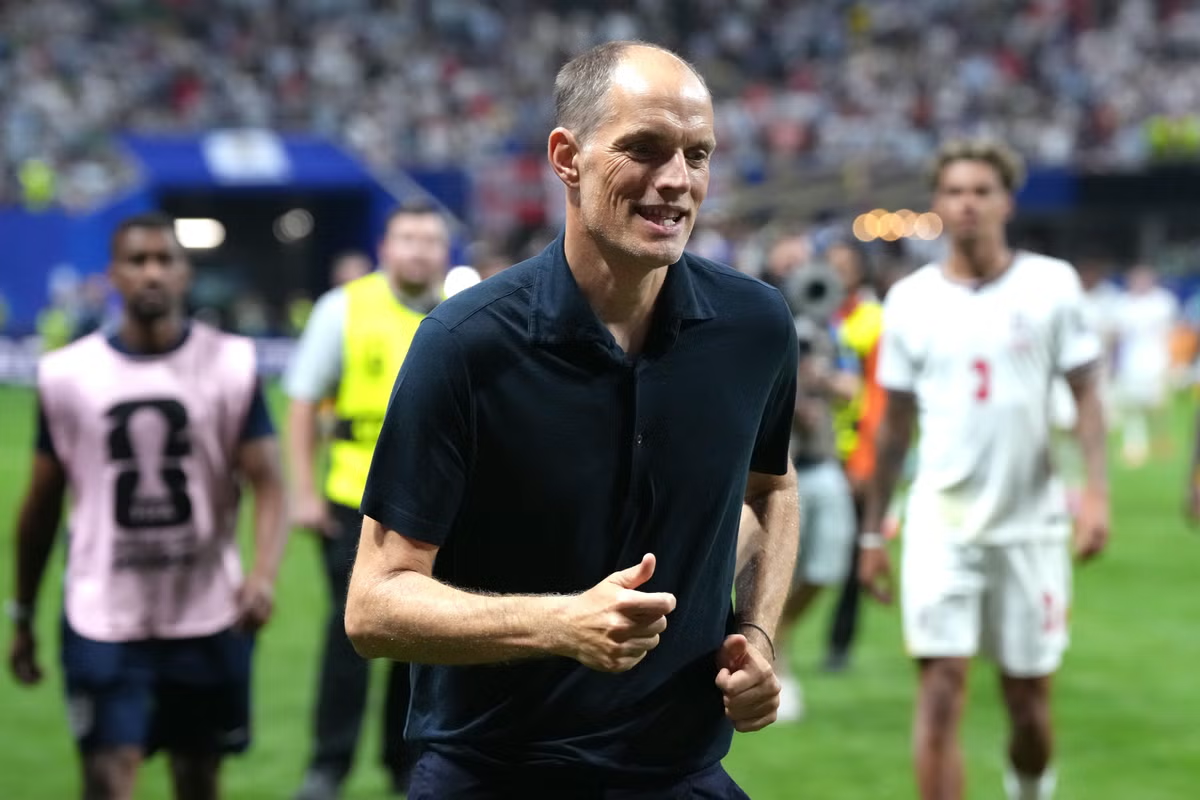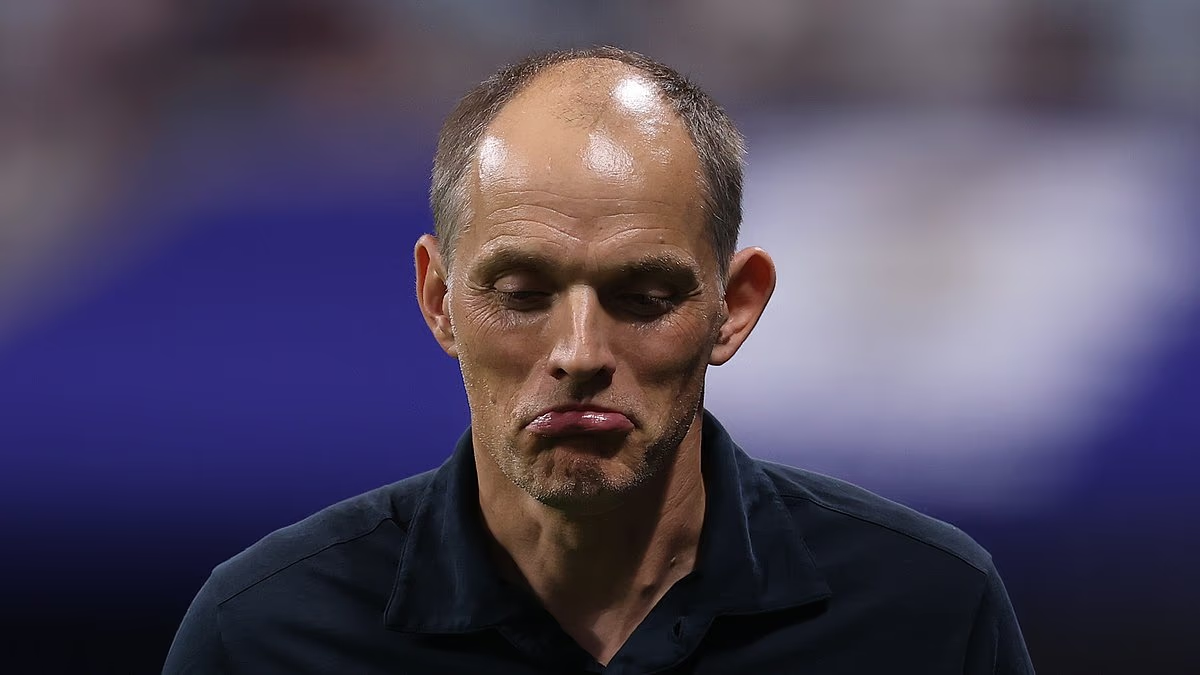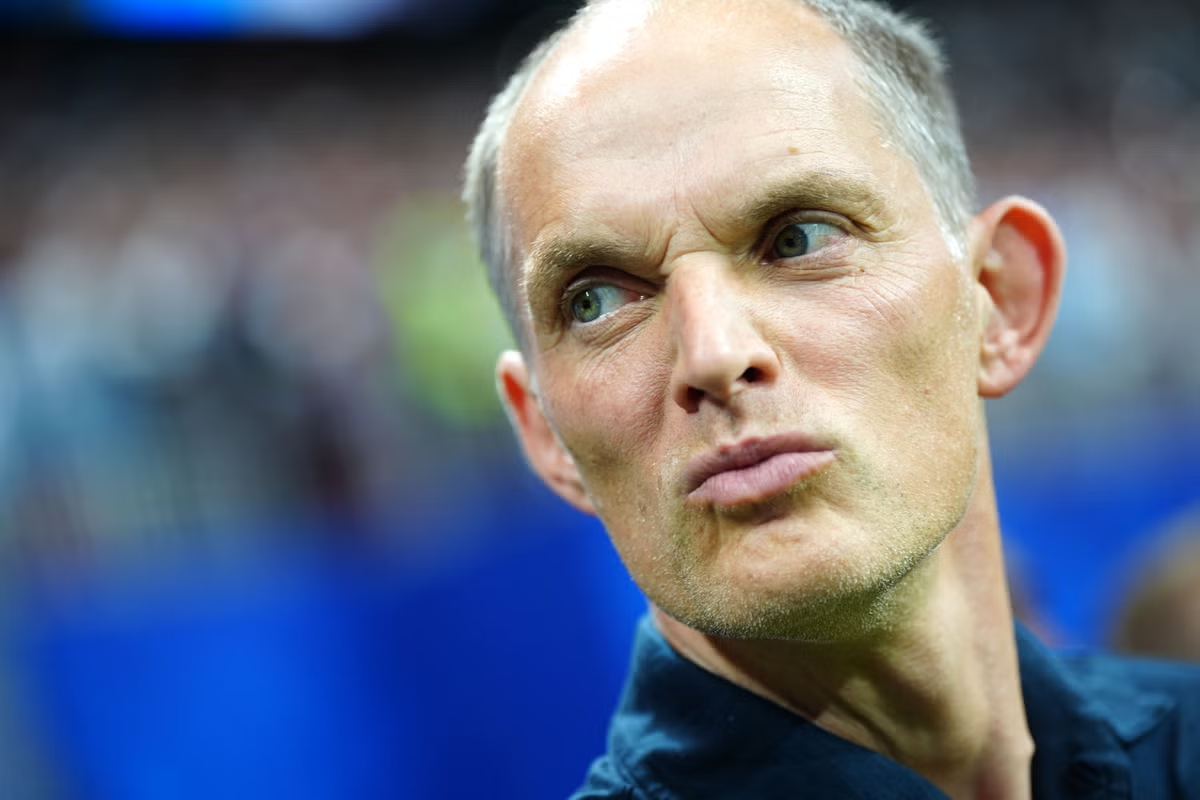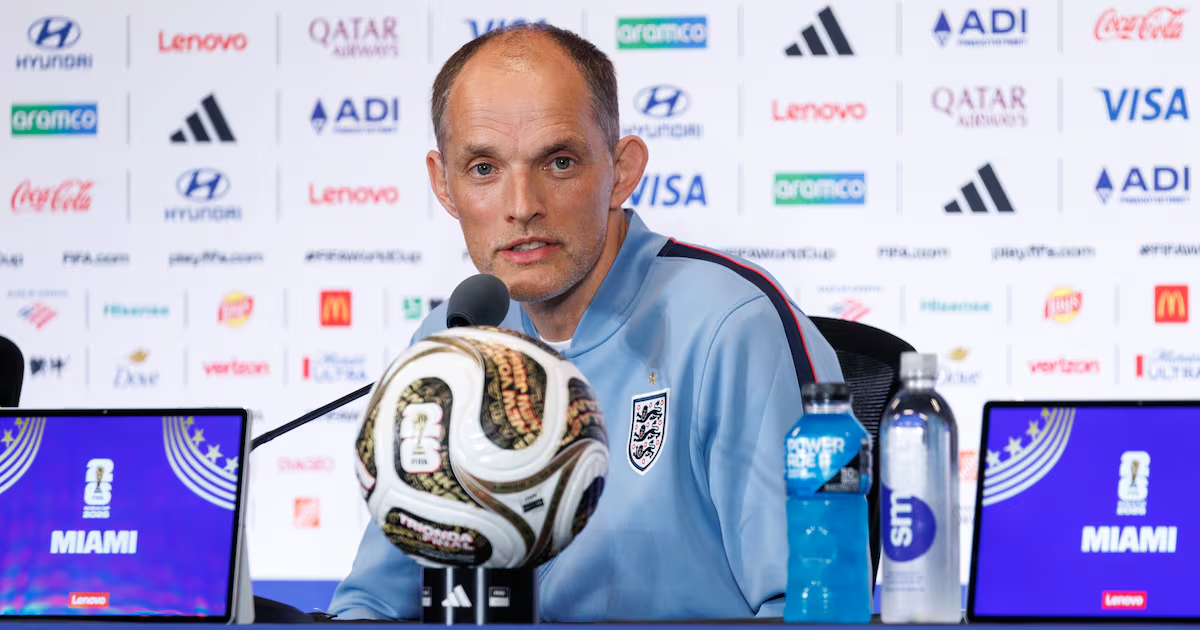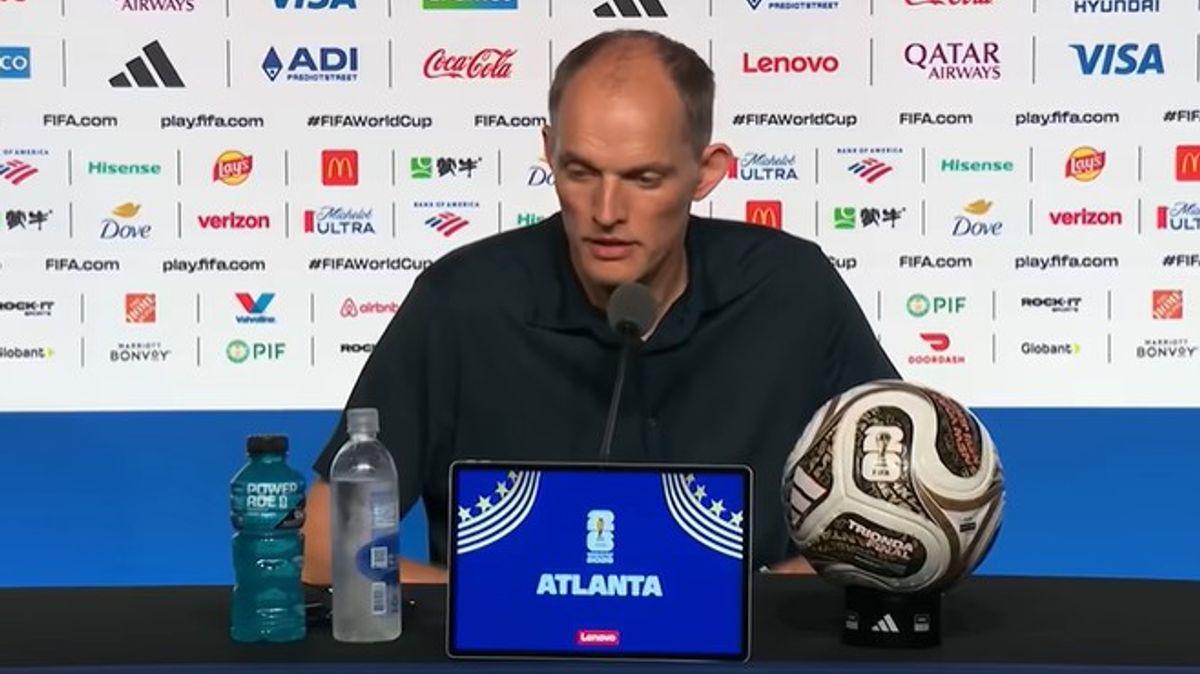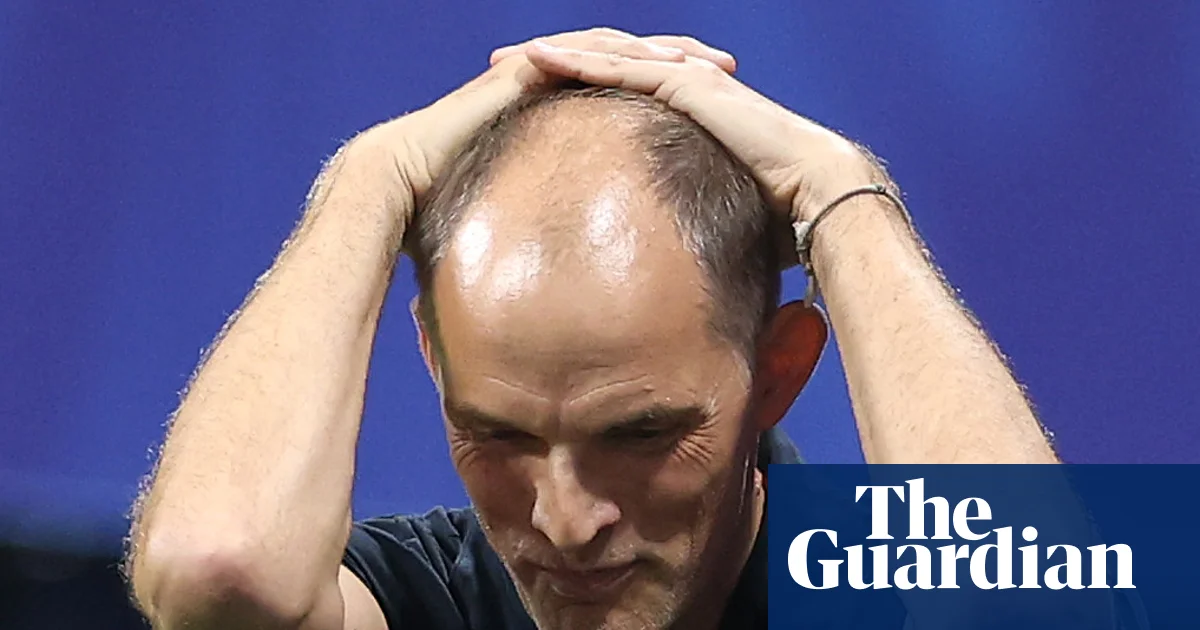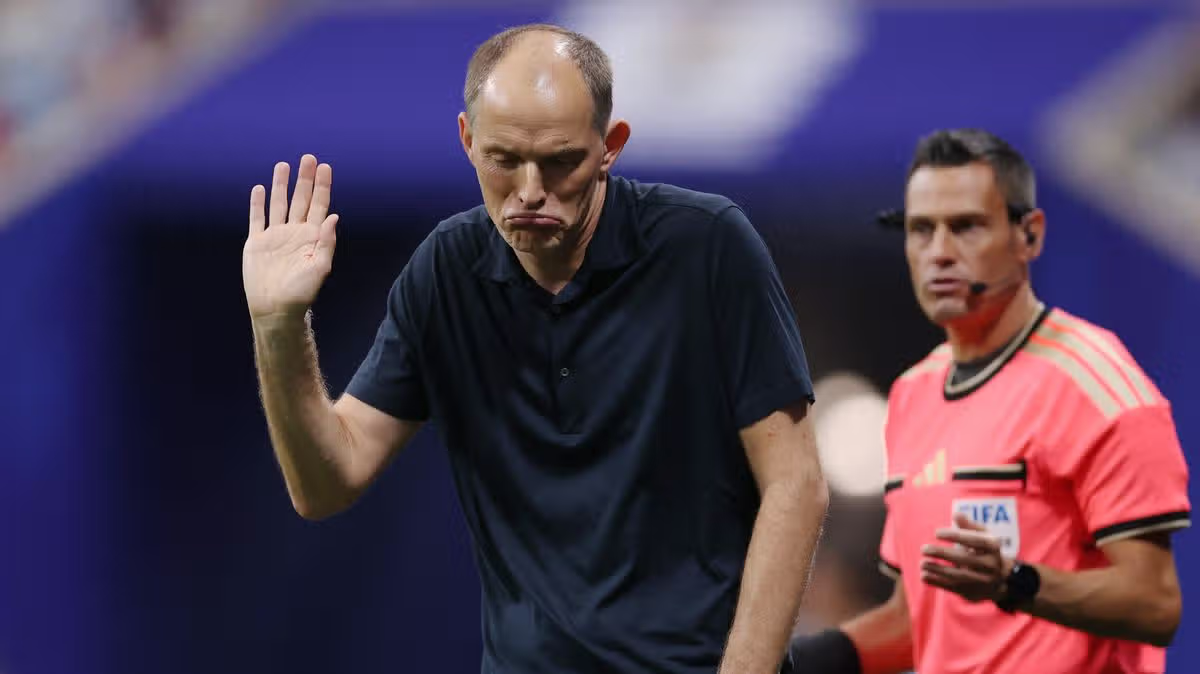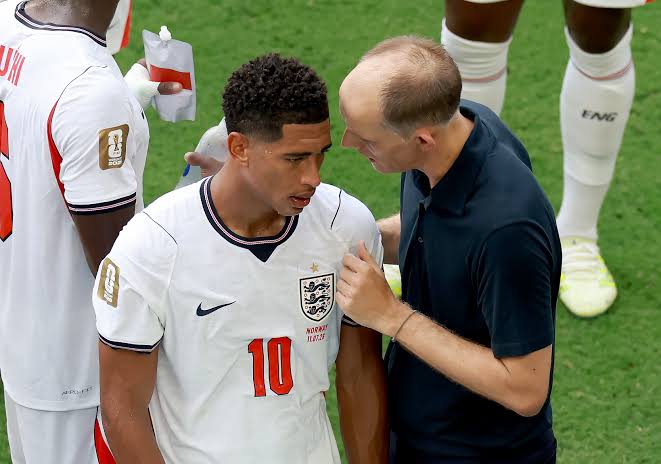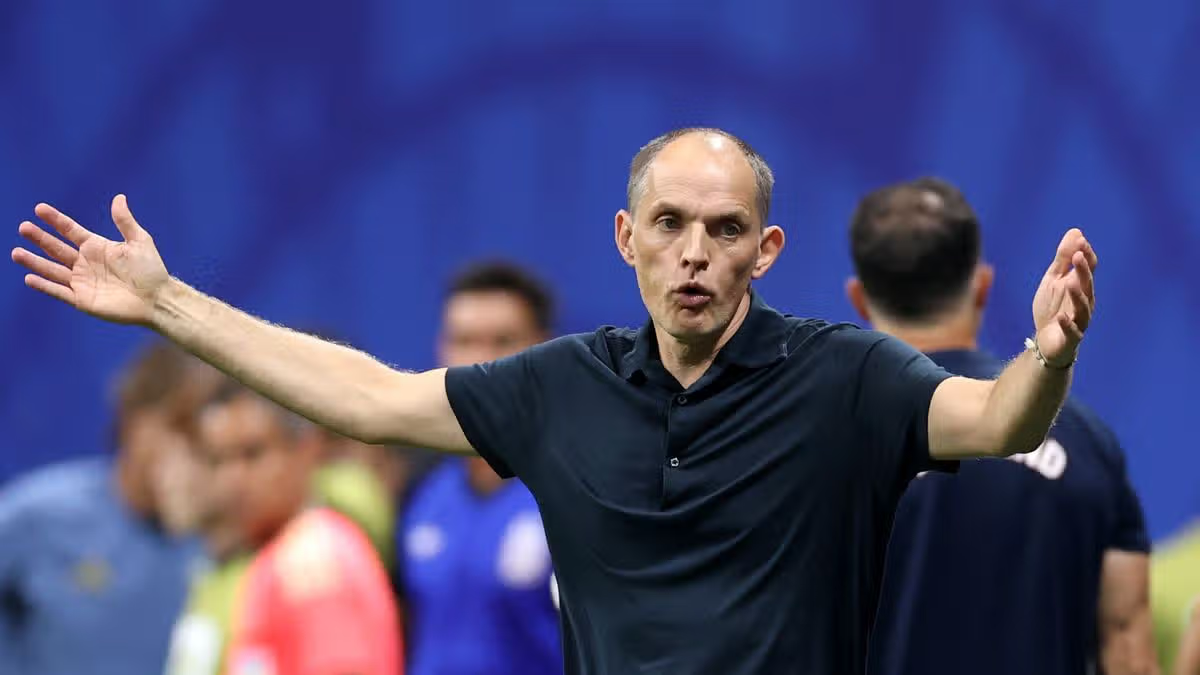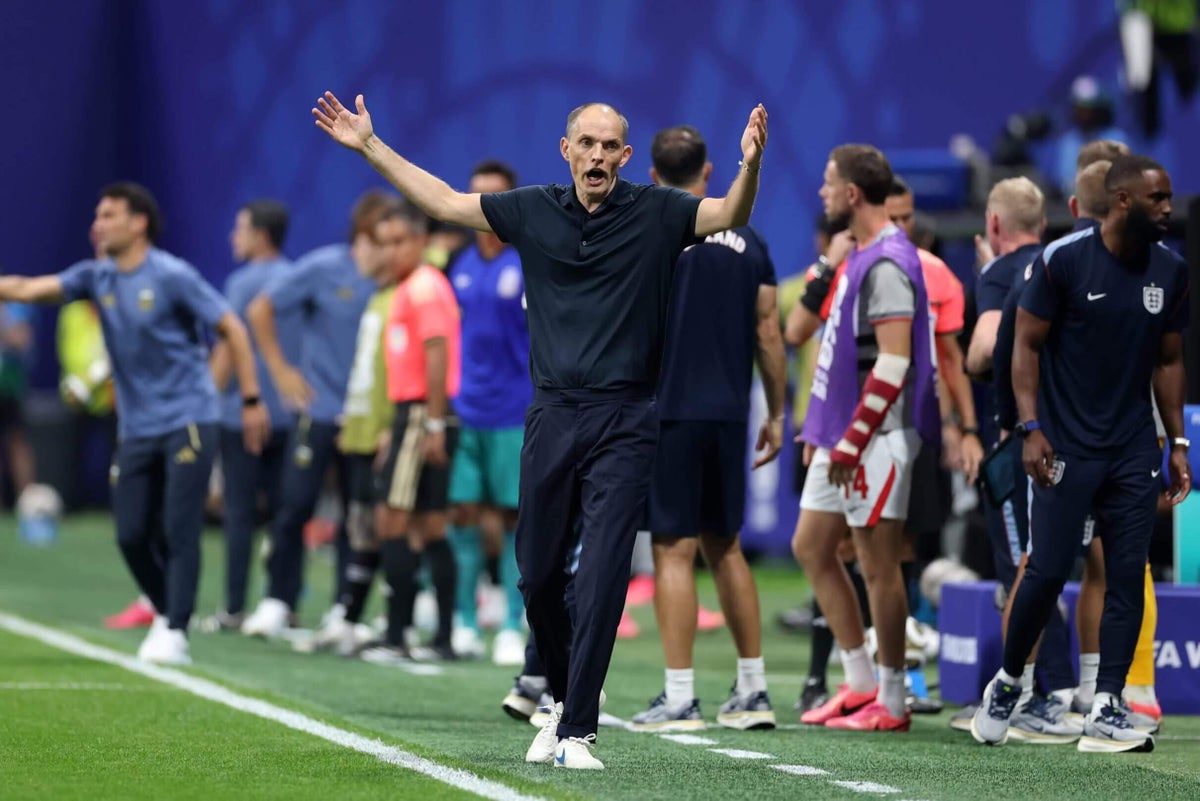
Thomas Tuchel has come out swinging after facing heavy criticism for his handling of England’s tactics in the 2026 World Cup semifinal defeat to Argentina, questioning the players’s “DNA.”After taking a lead 10 minutes into the second half through Anthony Gordon’s tap-in, England almost immediately retreated and reverted to nerve-riddled, overly defensive style, compounded by Tuchel’s substitutions.Speaking after the final whistle, defender Marc Guéhi told reporters, “We should have carried on pushing,” while captain Harry Kane lamented, “Once we went 1–0 up we seemed to just try and hold on which at this level is just not enough.”Argentina goalkeeper Emiliano Martínez summed it up from the opposing perspective: “We felt them going backwards and backwards rather than going forward. Sometimes when you are winning, you have to go forward anyway. You can’t change the game plan.”Astonishingly, in the 30 minutes between England’s goal and the equalizer, the Three Lions held just 12% possession, and completed just 25 passes to Argentina’s 234, with the players seemingly unable to prevent wave after wave of attacks. In the last three tournaments, England has twice gone ahead in a World Cup semifinal only to fail to see out the game. When appointed, Tuchel was billed as the tactically astute coach to break England free from a pattern of wilting under the spotlight, but the latest defeat has appeared to show in-game management failures as large as any under his predecessor Gareth Southgate.Who’s to Blame for England’s Defeat?England’s collapse has brought familiar failings to the fore. | Michael Reaves/Getty ImagesIn the immediate aftermath of the match, Tuchel claimed he had “no regrets,” insisting he made the decisions he thought he needed to in the moment. However, he later hit back at criticism over his negative tactics, turning the attention on the players who froze under pressure.“In this moment my feeling was no structure in the world could have helped us,” he said. “Because actually we were too passive and we were not physical enough, we didn’t stop runners arriving in our box and the deliveries were wrong too.“I haven’t seen the data yet, but I think just right after the goal the momentum swings completely and ball possession drops dramatically. We couldn’t find any duels anymore; that’s why we dropped deeper and deeper. It was never the plan, but it happened.“[We] couldn’t stop the runners from the second line, the midfielders, through our gaps, and the deliveries were on the highest level. You need to get back on the ball; otherwise you cannot break the pressure, and you cannot get the momentum back.“I think ball possession plays a crucial role; it’s maybe not in our DNA like it is in our Spanish DNA or in our Argentinian-Brazilian DNA, to take the ball and control the game with the ball.”Prior to the semifinal elimination, England suffered similar issues with control in the knockout clashes with Norway and Mexico but managed to ride out the pressure. After the quarterfinal, Tuchel hailed England’s mentality but called his team “lucky” at having progressed—comments which appeared to rile Jude Bellingham.What Needs to Change for the Next World Cup?The next World Cup is in 2030. | Odd Anderson/Getty ImagesDespite what is fast becoming a rigorous post-mortem on this tournament and its shortcomings, the fact remains that England is one of the four best national teams in the world. It was ranked as such prior to the tournament and proved it by making it to the semifinals, before coming undone against the defending champion.Jude Bellingham will still be there for the next World Cup in four years time, Declan Rice, Bukayo Saka and Elliot Anderson too, while England’s production line of talent has almost never been greater.The manner of this exit undoubtably stings, but this is not an ‘Iceland 2016’ situation and the changes should be incremental rather than an overhaul.Possession Soccer Still an IssueEngland struggle to dominate with the ball. | Erick W. Rasco/Sports IllustratedOne good thing Tuchel has done is to focus system over stars during his time as manager, but there is still more work to do.What has been clear from this World Cup is that England lacks the kind of comfort in possession enjoyed by the two finalists, Spain and Argentina.The ball-confident, press resistant style of Luis de la Fuente’s side in particular has allowed La Roja to dominate matches, leaving the likes of France and Portugal for dead along the way this summer.Tuchel has regularly spoken of wanting to adopt a Premier League style with the England national team, with direct, pace and power-led soccer at the forefront. However, when blood and thunder isn’t enough, there needs to be a focus on asserting dominance through control, rather than relying on your superstars to create a moment out of noting and muck and bullets defending.Where Are the Controllers?England simply doesn’t have a player like Rodri. | Catherine Ivill/AMA/Getty ImagesA long-standing issue is that, while England has developed some of the sport’s best technical attackers if recent years, it lags behind with controlling, ball players in midfield and defense.There was some debate about the omissions of Adam Wharton and Alex Scott from England’s final 26-man roster, though it’s unlikely either player would’ve made a huge difference to the overall style of play. England, at academy level, must continue to work on creating more top level players who can operate comfortably in possession from deeper roles.No English midfielder makes the top 15 for passes completed at the 2026 World Cup. Spain’s Rodri—outlier though he is—has completed 263 more passes than England’s top midfield passer Elliot Anderson. Passing for passing’s sake may not mean much, but keeping the ball effectively breeds confidence for England’s hero players to thrive.How you instil this into the English “DNA” given the time constraints of international duty compared to the players’s club time is another fundamental problem.Brave LeadershipTuchel set the tone with his fearful substitutions. | Ryan Pierse/FIFA/Getty ImagesWhile Tuchel’s prickly comments have pushed the debate back on to England’s technical and psychological shortcomings, the manager must take responsibility for setting the agenda and instilling the confidence.Tuchel’s in-game management, both against Norway and Argentina, undoubtedly tipped the balance towards a fear that all the players could do was try to hold on, desperately, rather than go for the kill.The job of England manager is as much about being a star whisperer as tactician. England has most of the ingredients required to become a trophy-winning side, but needs a leader that will help the players manage the game, with nerves tied to a national psyche built on 60 years of collective failure.READ THE LATEST WORLD CUP NEWS, ANALYSIS AND INSIGHT FROM SI FCAdd us as a preferred source on GoogleFollow
Thomas Tuchel Blames England’s ‘DNA’—What Needs to Change for 2030 World Cup?
England’s rollercoaster World Cup ended in major disappointment.
1,113 words~5 min read