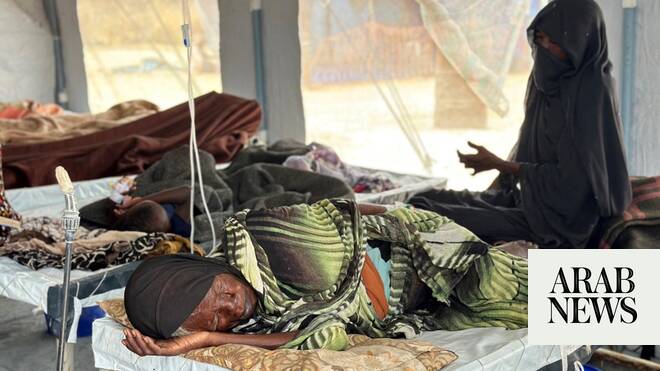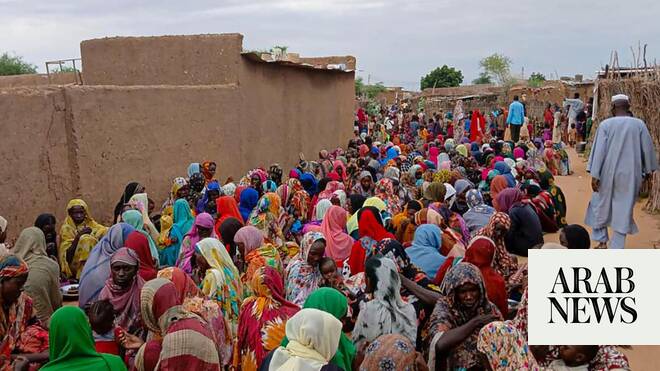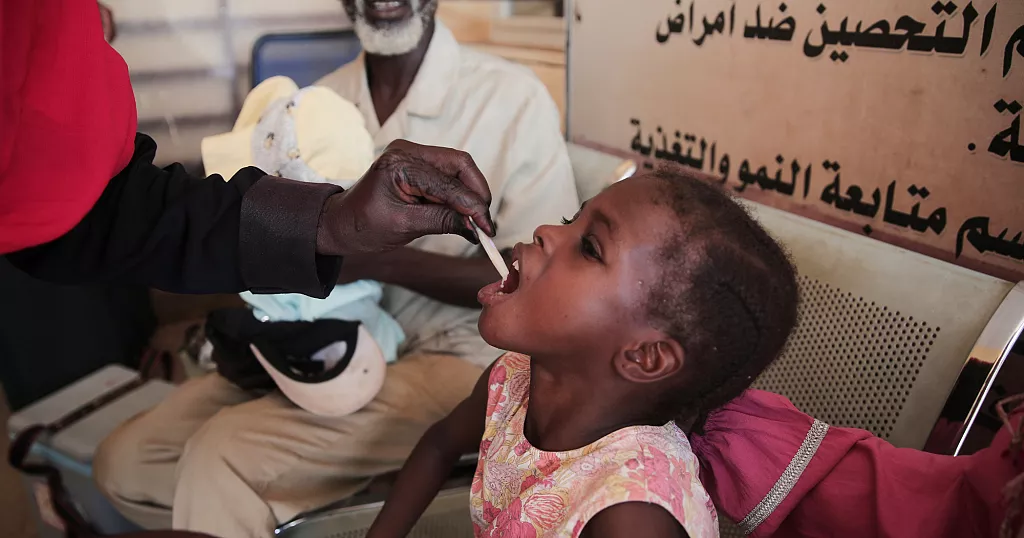
D'zirava Lety sums up the hopelessness of her situation in just a few words: "There is no water. In the entire camp, there is only one tap. Another challenge is the lack of toilets. Children relieve themselves anywhere. With the disease that has arrived, we are being told to wash our hands, but there are no hygiene kits. And when we go into town to sell our products, people push us away, saying that we are carrying diseases."
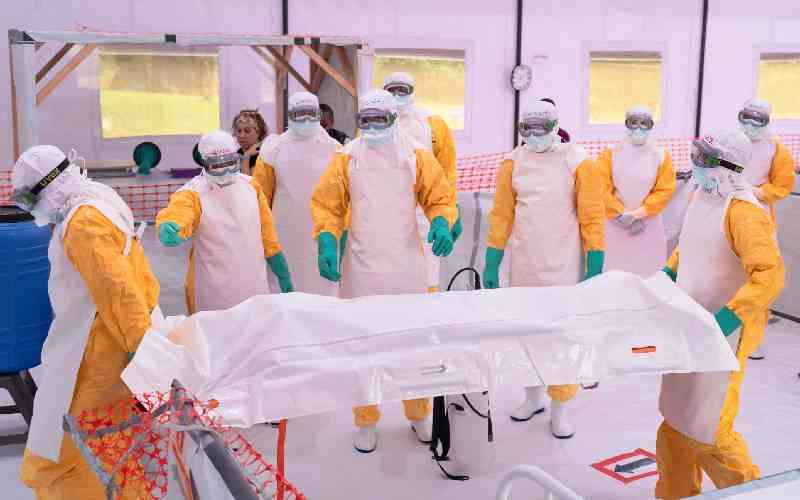
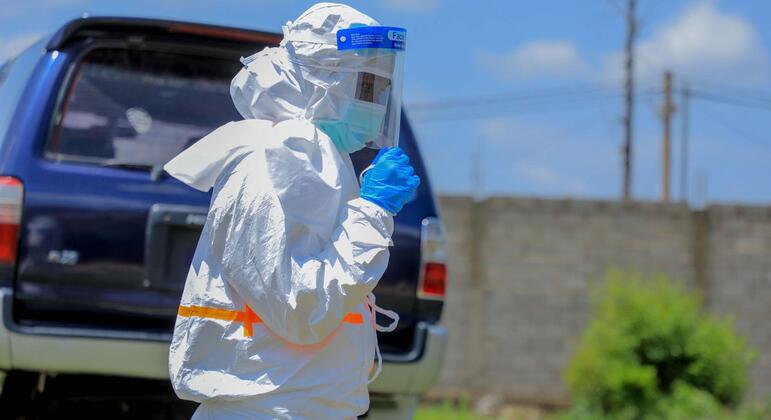
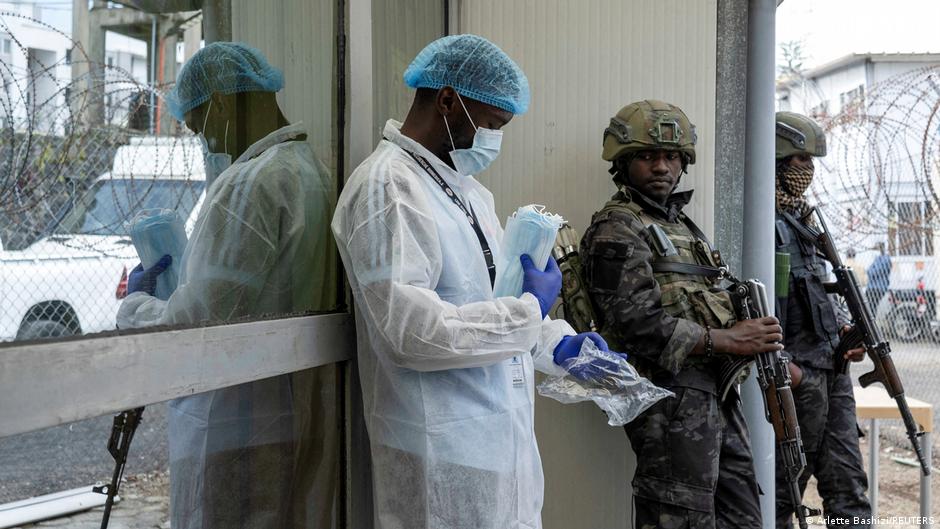
Lety lives with 20,000 other internally displaced people (IDPs) at the Kigonze camp on the outskirts of Bunia in eastern Democratic Republic of the Congo(DRC). They fled the violence of the many rebel groups that have destabilized the region for decades. But now they face a new threat: Camp officials told DW that in June the Ebola virushad been detected for the first time amid people who had died. "Since Ebola arrived, we have been recording up to six deaths a day," said camp chairman Étienne Ndrutsi. How conflicts speed up the spread of disease
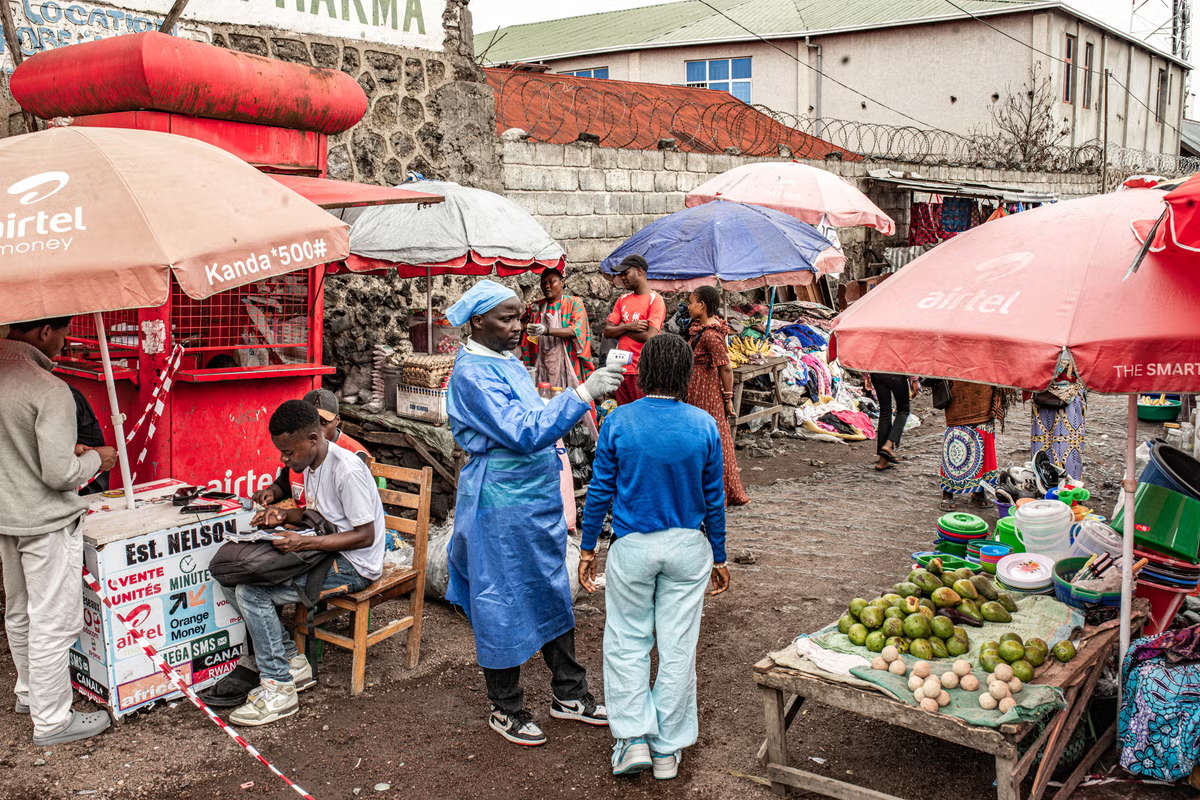
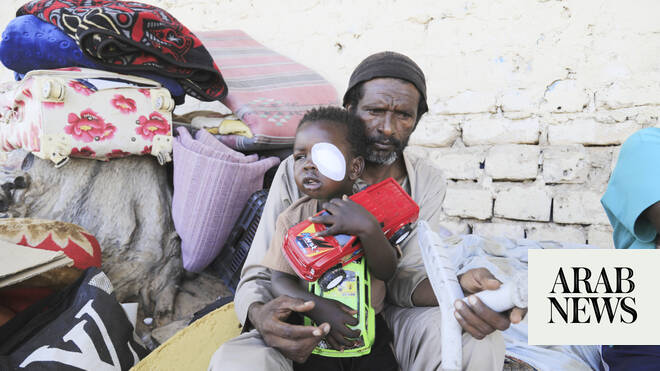
The rare Bundibugyo strain of the virus has been circulating in the area since at least April, according to experts. Shortly after the outbreak was identified in May, the World Health Organization (WHO) declared a public health emergency. By mid-July, DRC had recorded 1,963 confirmed infections and 719 deaths, while neighboring Uganda reported 20 cases and two deaths. The WHO estimates, however, that only one in two cases — and maybe as few as one in four — is being detected.Internally displaced people such as this man near Bunia are trying to make a living in the camps — but fears of Ebola put off potential customersImage: Xinhua/IMAGO