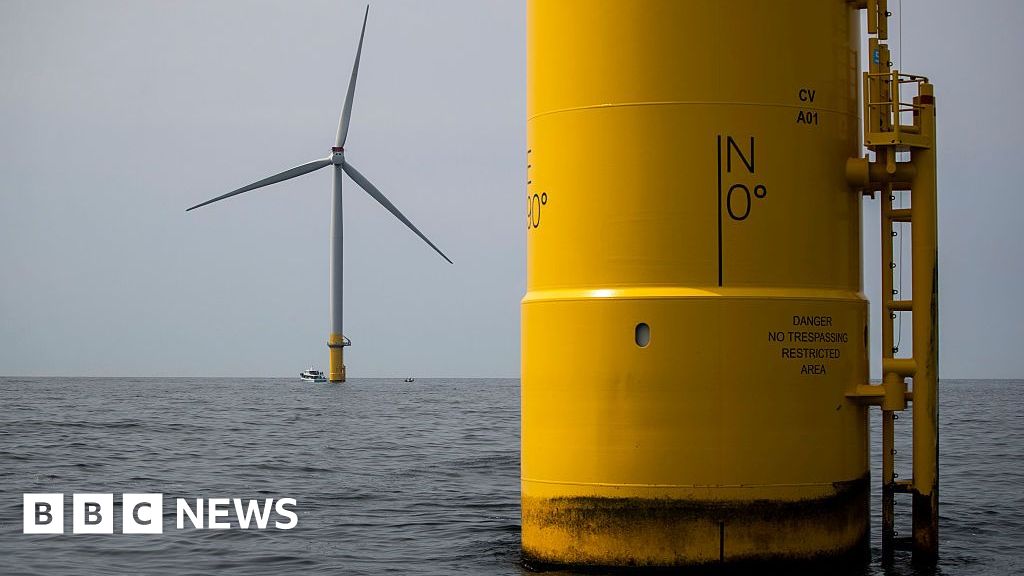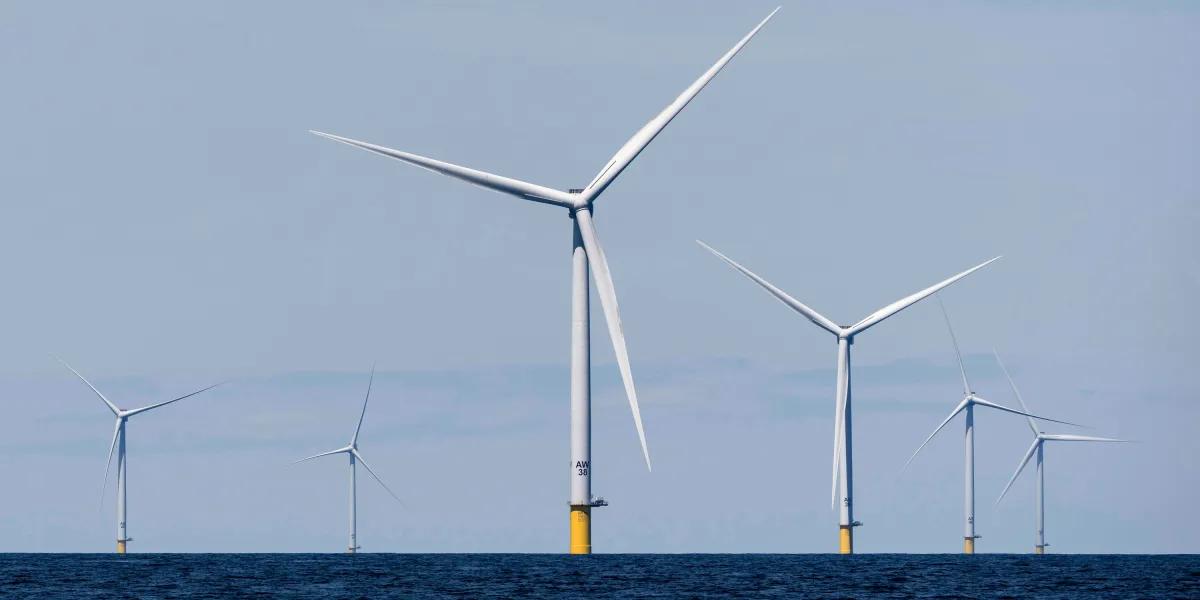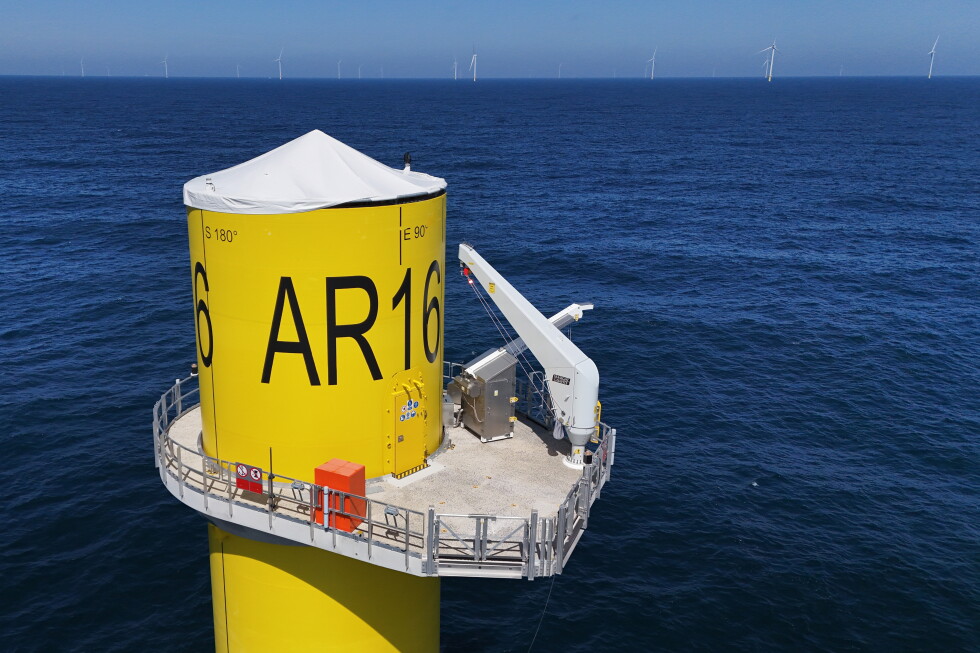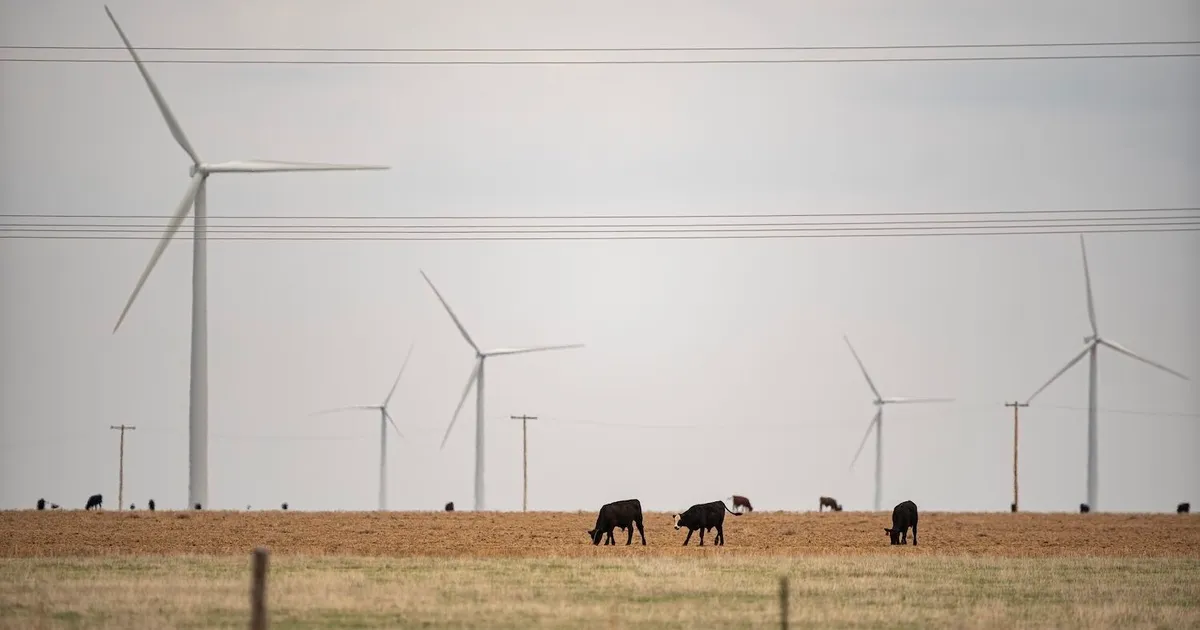
Wind turbines can confuse radar systems on ships and aircraft. Their massive rotating blades create a “blade flash” on radar screens, while their steel bases reflect electromagnetic waves, making it difficult to distinguish the turbines from aircraft or other objects. That’s a problem for the military, which relies on radar for threat detection and navigation. For over a decade, the Pentagon has used a permitting program to review proposed projects and mitigate the effects on radar. Wind developers are required to submit project proposals, address military requests, and in some cases pay to upgrade radar systems to tune out the turbines. But now, in a world where small, deadly drones can zip through wind farms, the Pentagon says those upgrades may not be sufficient. For almost a year, the Pentagon has effectively frozen the permitting process for at least 155 new wind projects in 24 states, citing drone concerns, according to research from the American Clean Power Association, an industry advocacy organization. As long as the freeze persists, developers say, no new wind projects can begin construction. The Pentagon has not revealed when or if it will resume approving new projects.
Wind developers say they’ve incurred $2 billion in additional costs as a result of the freeze and that the administration’s new narrative is just the latest excuse to shut down their industry. Some may already have missed a July 4 construction deadline to qualify for federal tax credits under the One Big Beautiful Bill Act, the 2025 law that phased out several clean energy incentives.