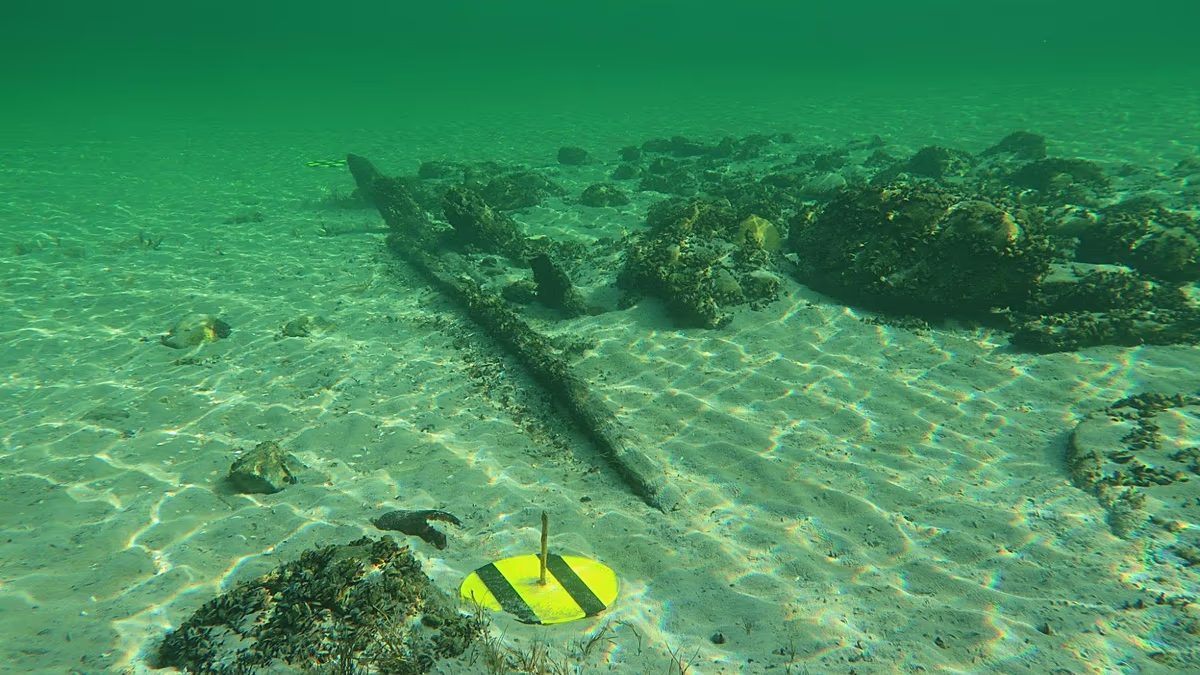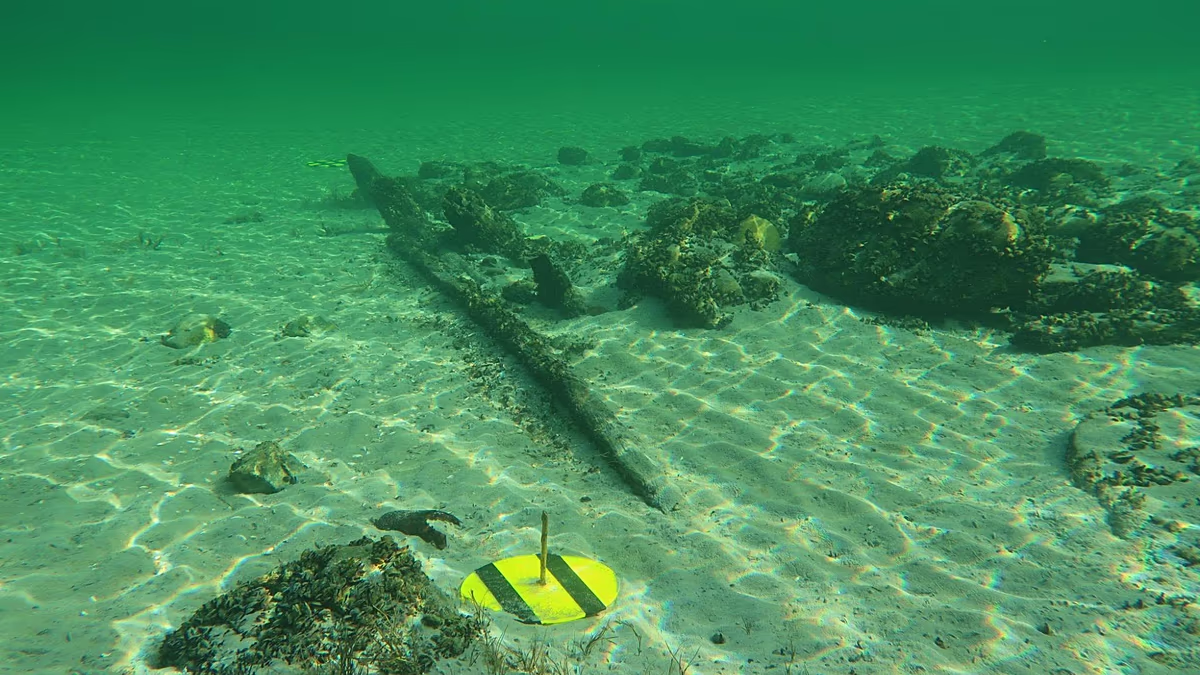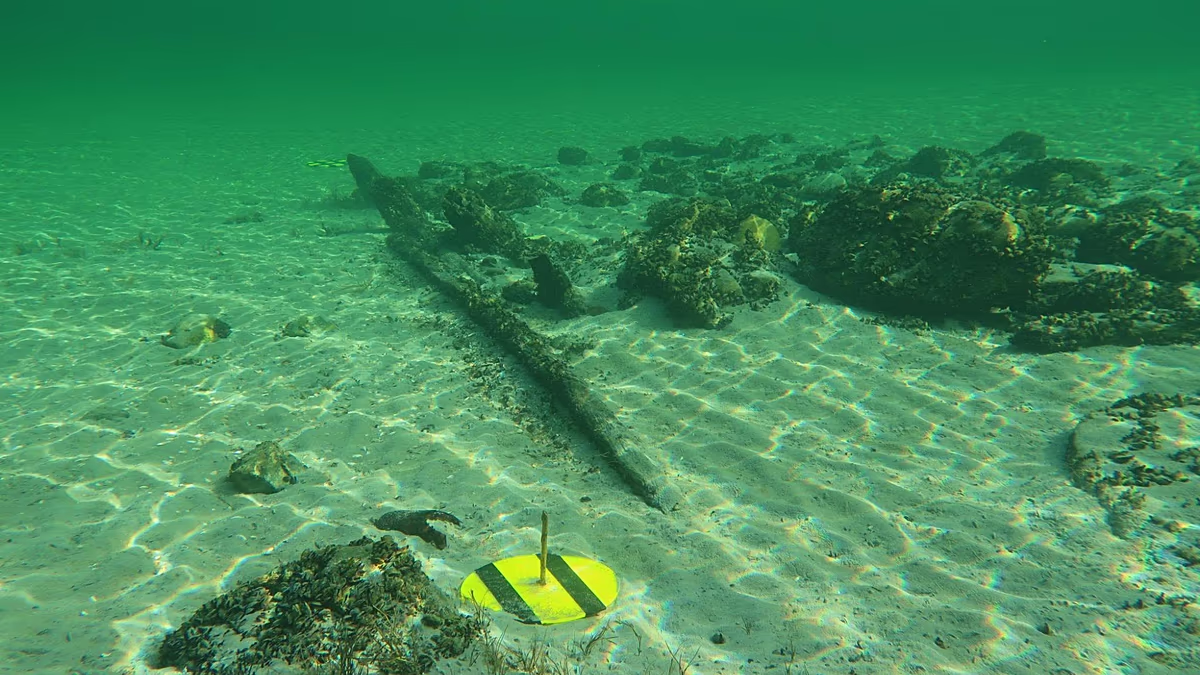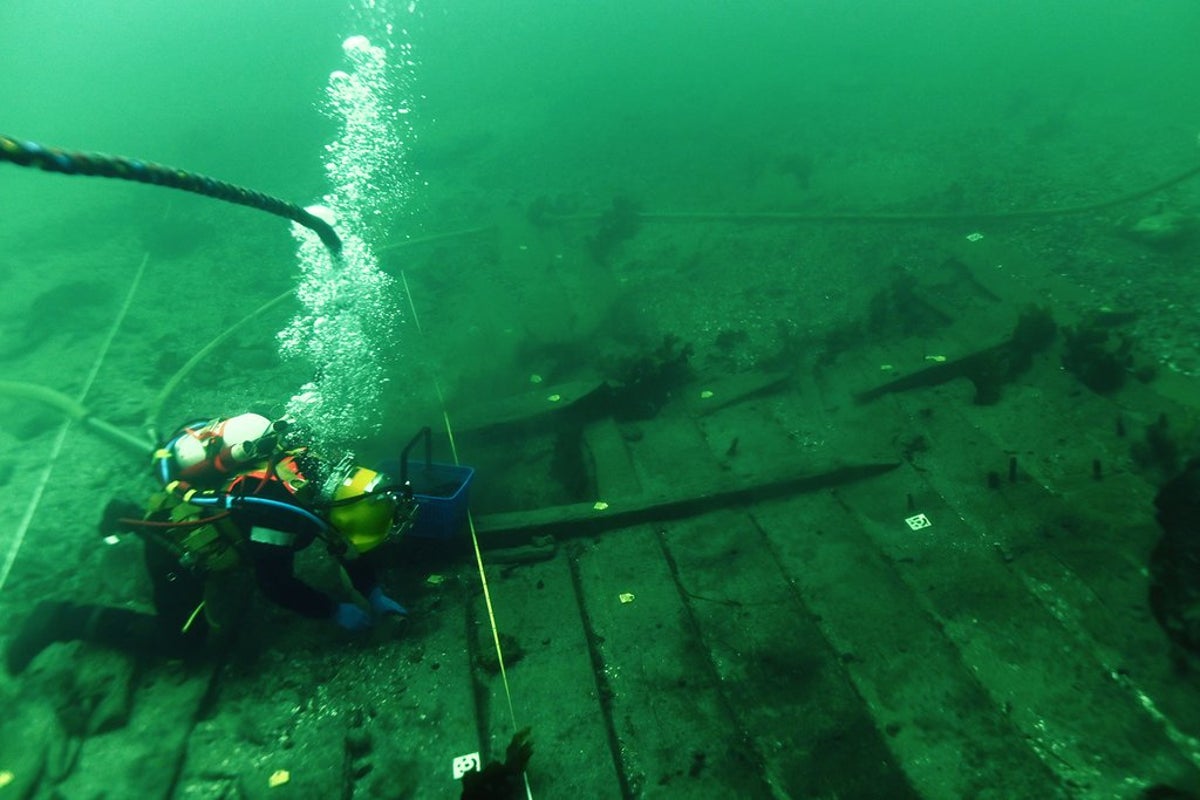
When excavation began for the foundation of a new office building near the Port of Tallinn in spring 2022, work was unexpectedly halted. A 14th‑century wooden ship had been uncovered. A detailed wood analysis of the cog is shedding light on the vessel's history.
It turns out that most of the ship's hull was assembled on the Lithuanian coast. Final outfitting and local cargo were added here in Estonia before the vessel sank.
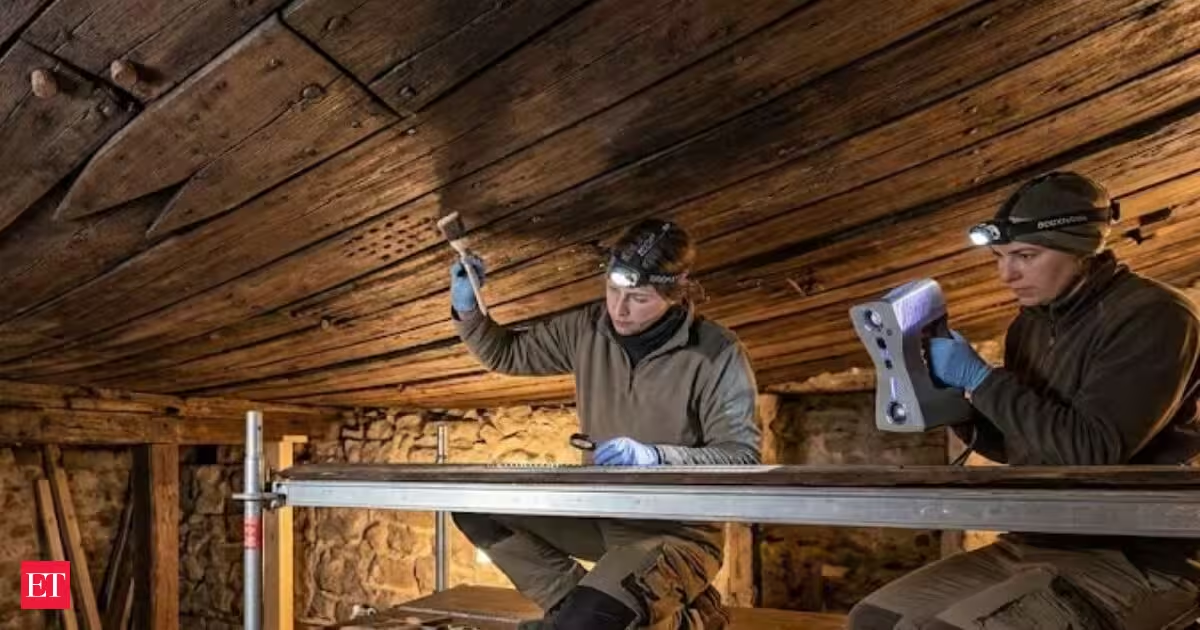
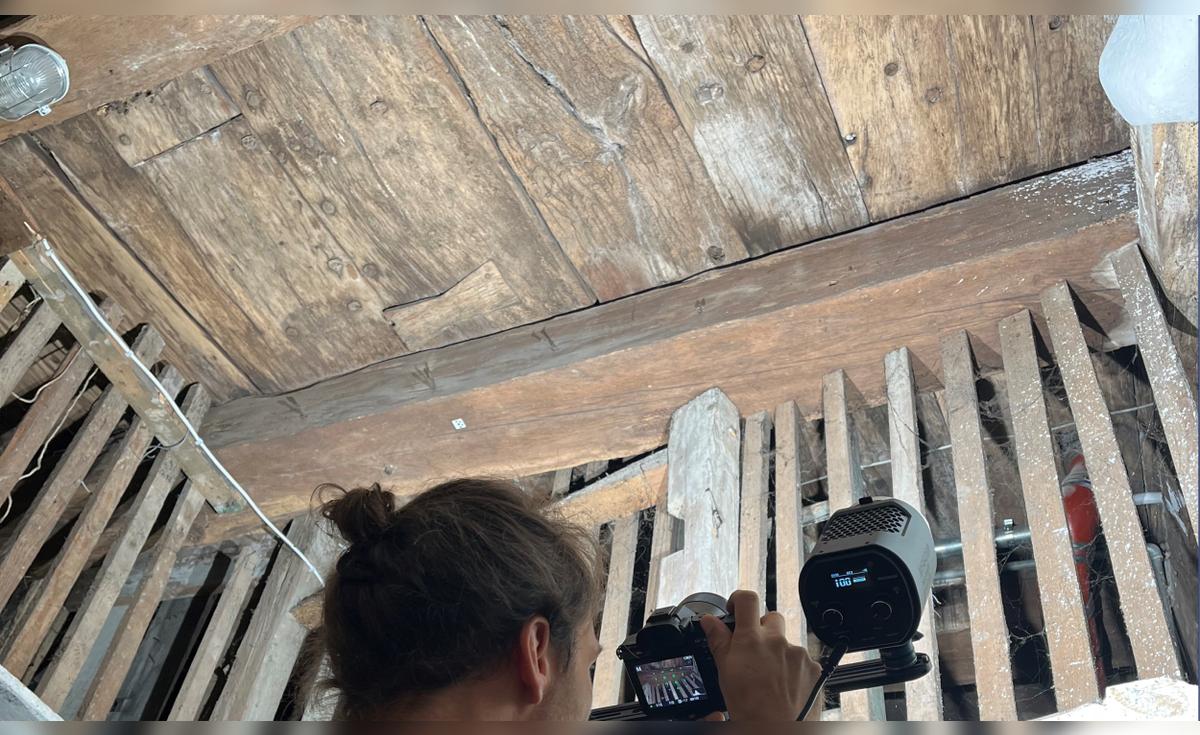
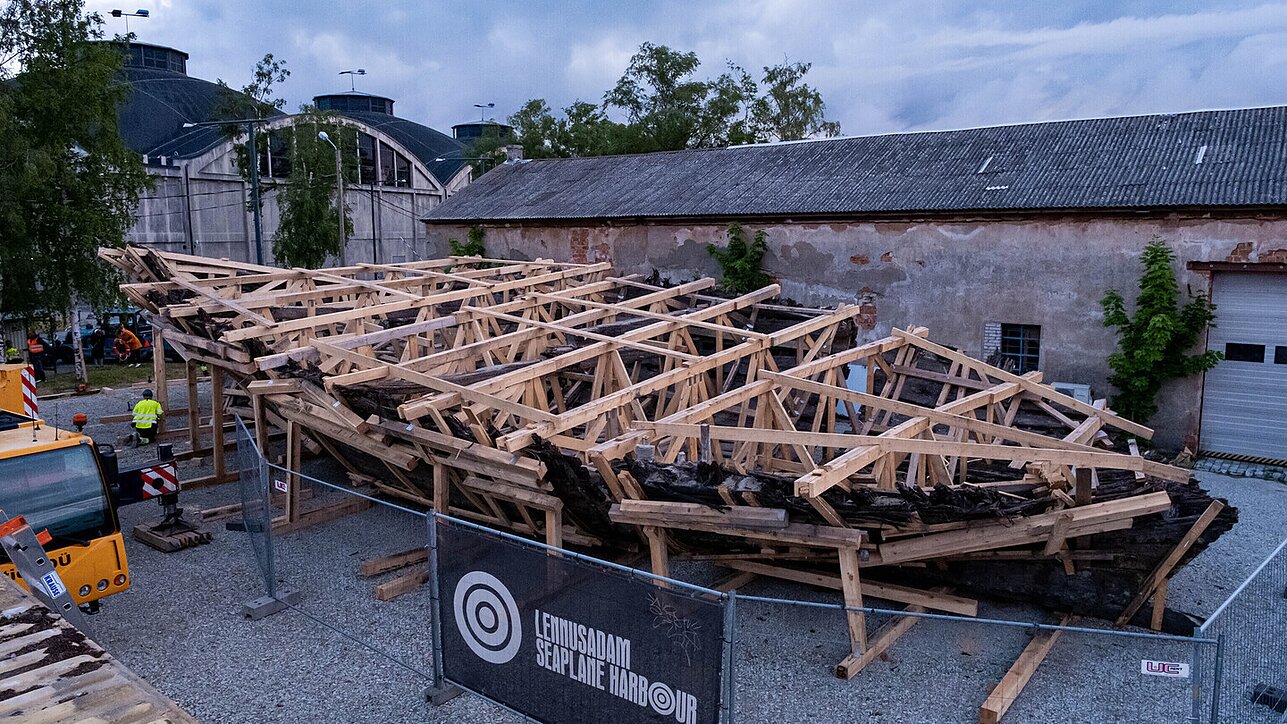
To reach this conclusion, researchers from the University of Tartu, the Estonian Maritime Museum and Copenhagen examined the wreck's timber, which had been moved under a protective tent. Dendrochronology provides precise information about where trees grew and when they were felled.
The results show that shipbuilders cut oak along the Lithuanian coastline during two consecutive winters, 1370–1372, to construct the lower hull. The upper parts of the cog – including the galley – were built from wood felled in the winter of 1373–1374.
Loose wooden components found on board were made from trees cut in that later winter as well. Those trees, however, grew near Tallinn. The vessel, begun in Lithuania, likely sailed north and received its final touches from local craftsmen.