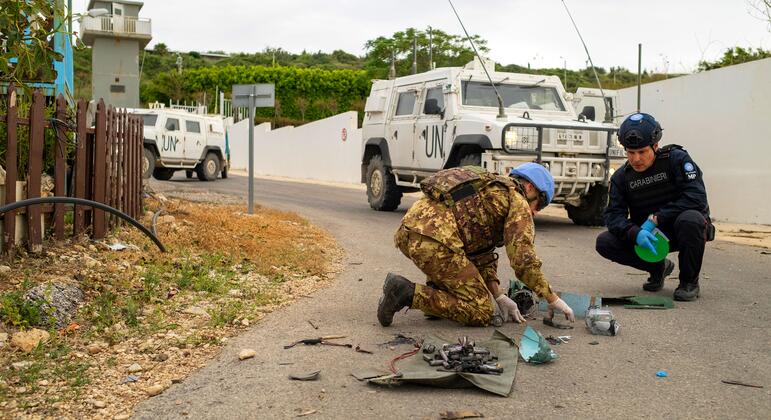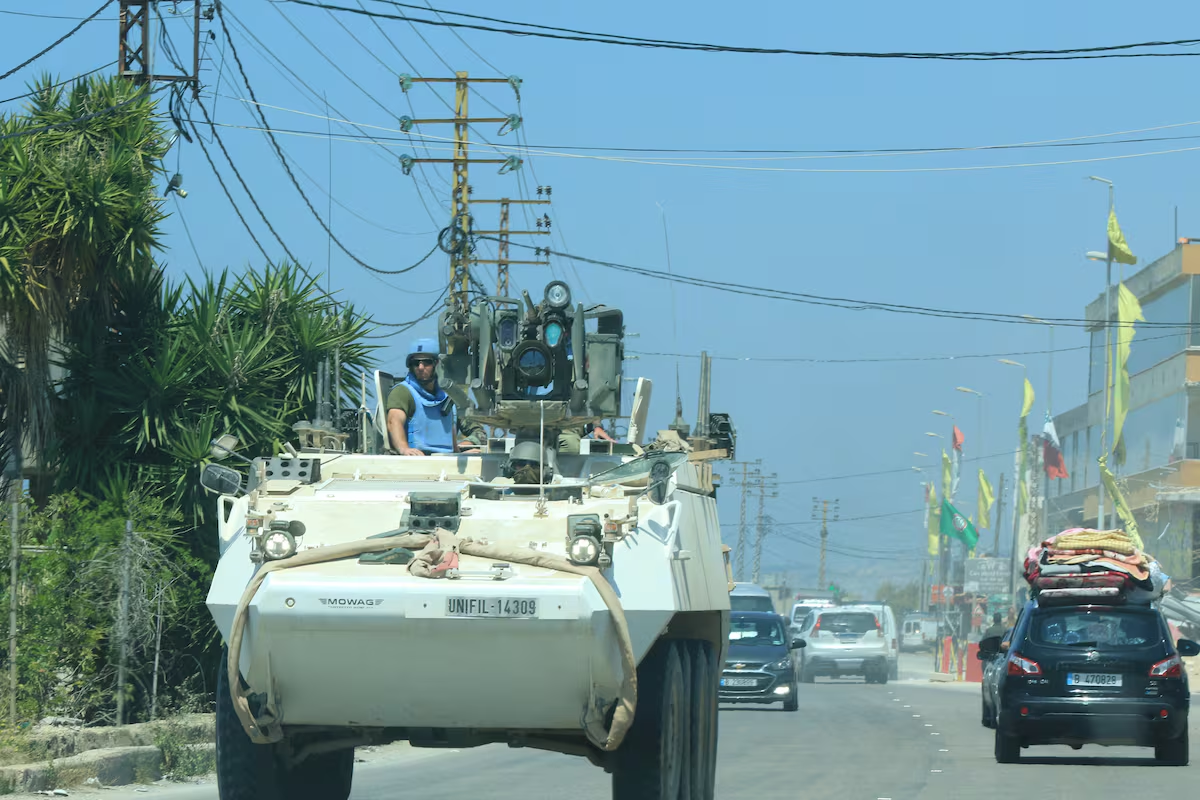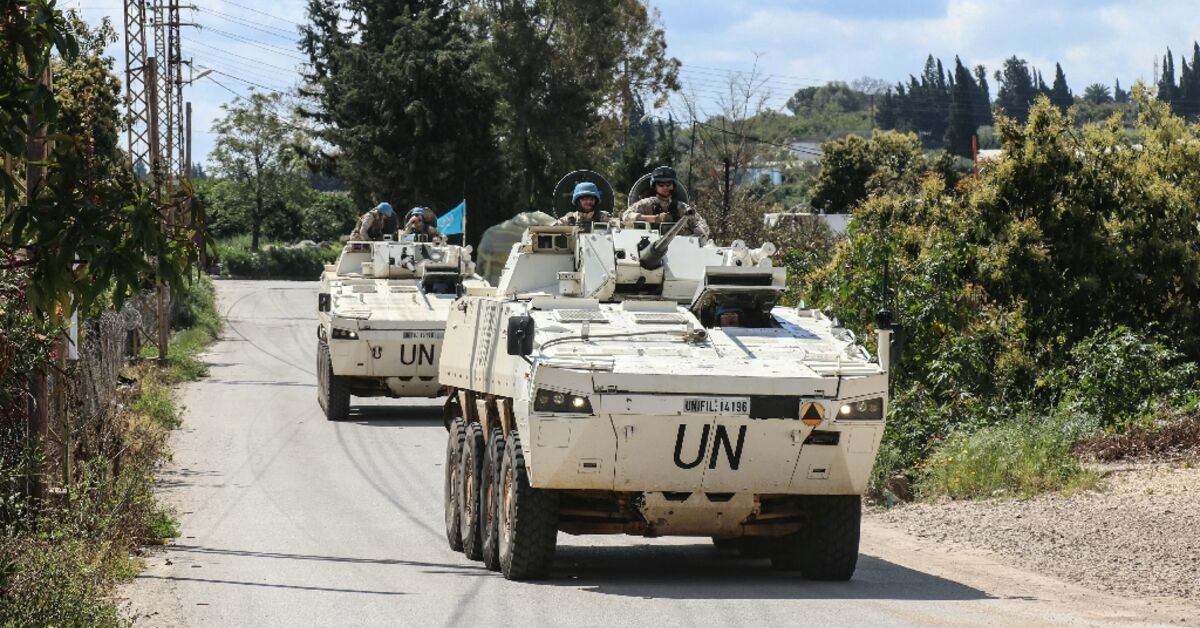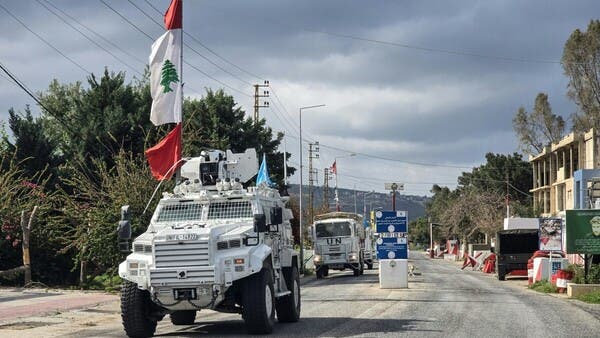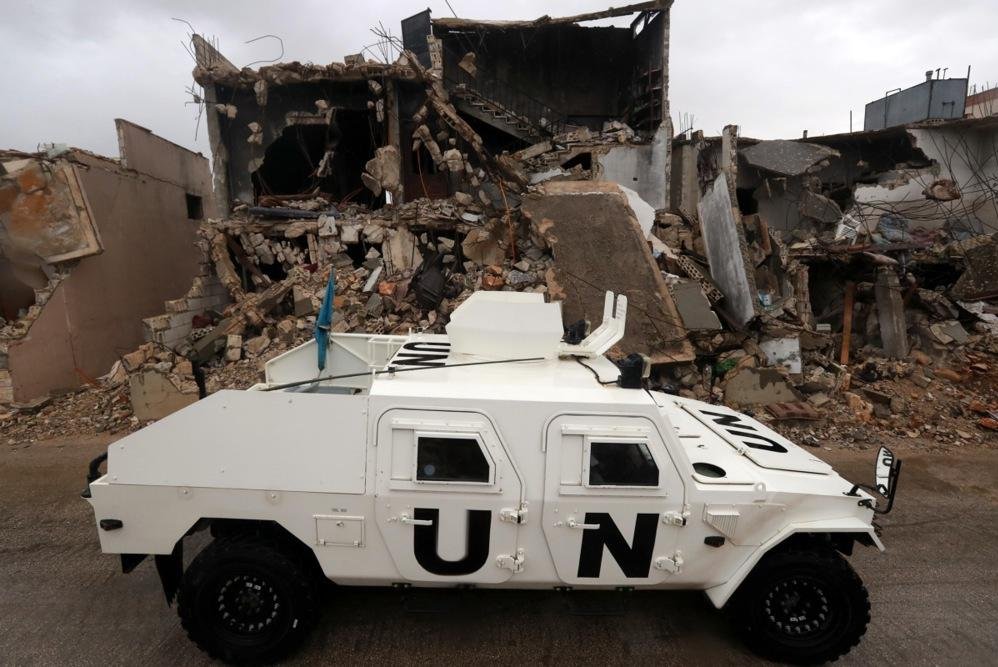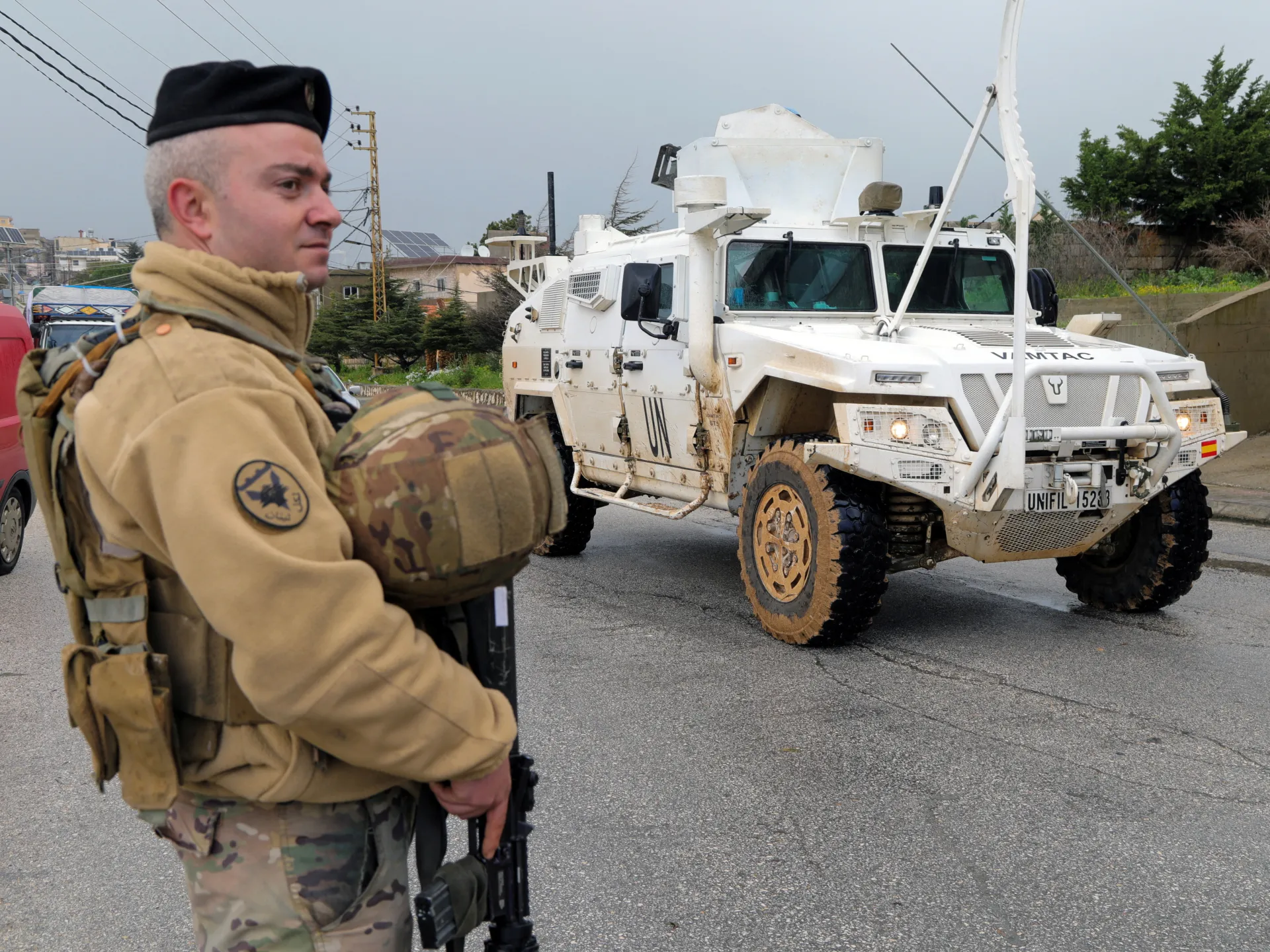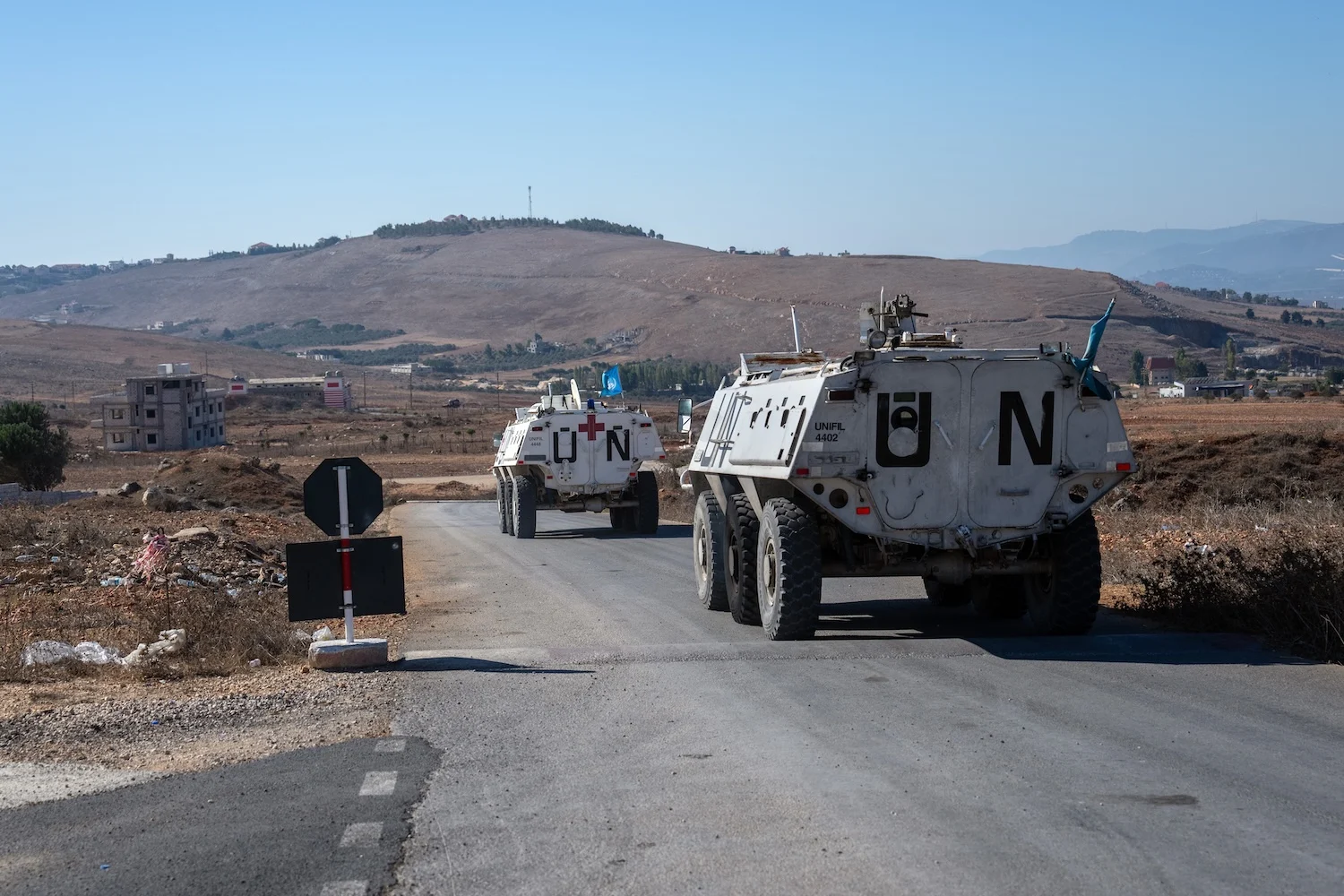
Israel, which long vilified the United Nations peacekeepers assigned to Lebanon as ineffective at best, has received its wish. Thousands of blue helmets deployed in Lebanon will soon be on their way out. Whether anyone, or anything, can replace them is far less clear.
Last year, the UN Security Council (UNSC) extended the mandate of its Interim Force in Lebanon (UNIFIL) for a final time until the end of December 2026. First deployed in 1978, UNIFIL was reinforced in 2006 and tasked with monitoring violations of a deal that ended the conflict between Israel and Hezbollah that year.
They are leaving at a time when the Lebanese Armed Forces are undertaking the mammoth task of disarming Hezbollah and need external support from better-trained and better-equipped armies. Whether under the UN. umbrella or outside it, Lebanon needs a functional replacement for UNIFIL—ideally one with more teeth.
The United Nations has outlined three options, with proposed troop numbers varying from nearly 2,000 to around 5,500. Their ability to support the Lebanese military declines with the numbers and capabilities allocated.
This could be seen as a reformed UNIFIL. But different actors have different propositions in mind. Israelis prefer it to be an American enterprise. France wants to maintain its sway in the region and is forming a coalition of willing countries that may deploy troops post-UNIFIL. There is also chatter about a Turkey-led NATO-backed deployment.