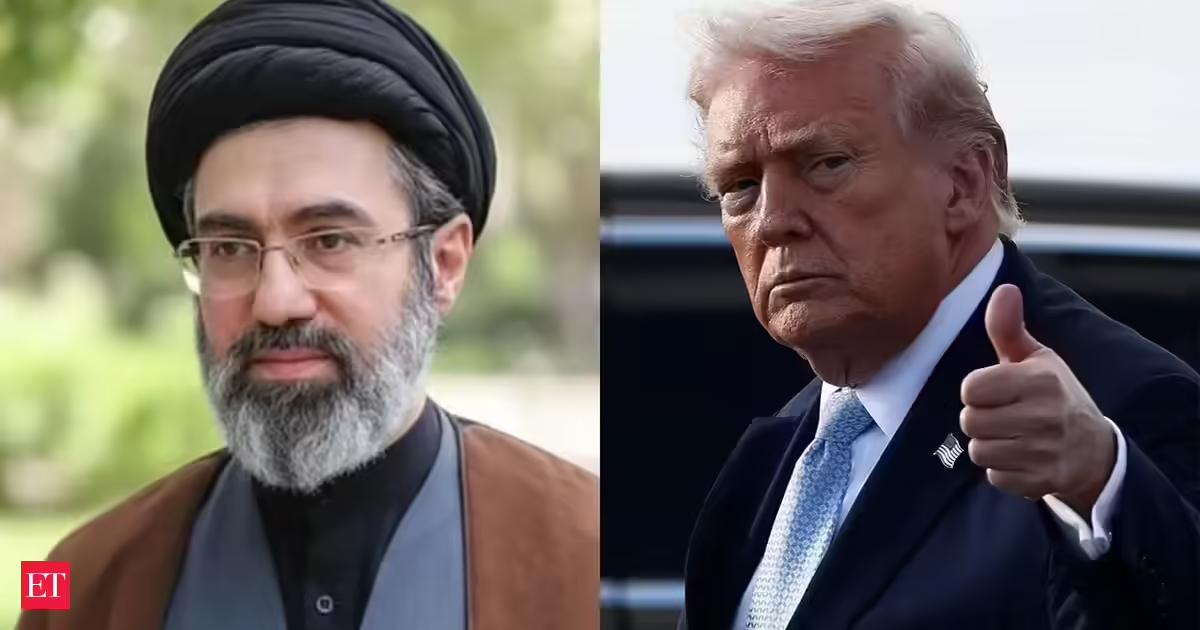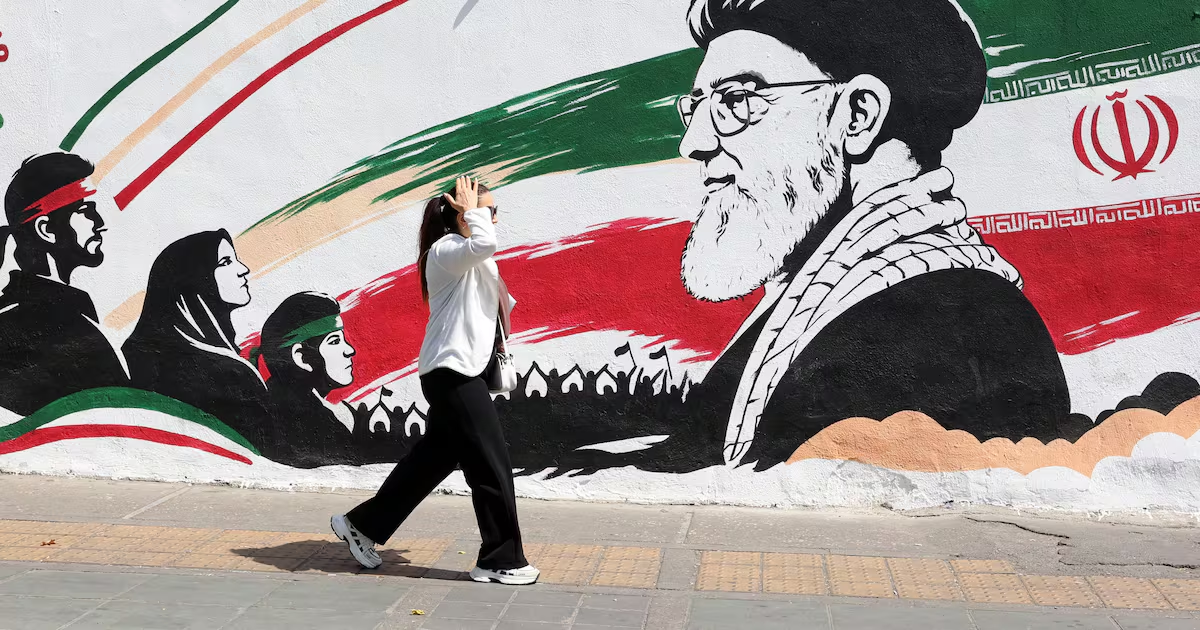
The latest round of military hostilities between Iran and the United States marks a dangerous escalation in the conflict and has raised fresh concerns in an already volatile region.
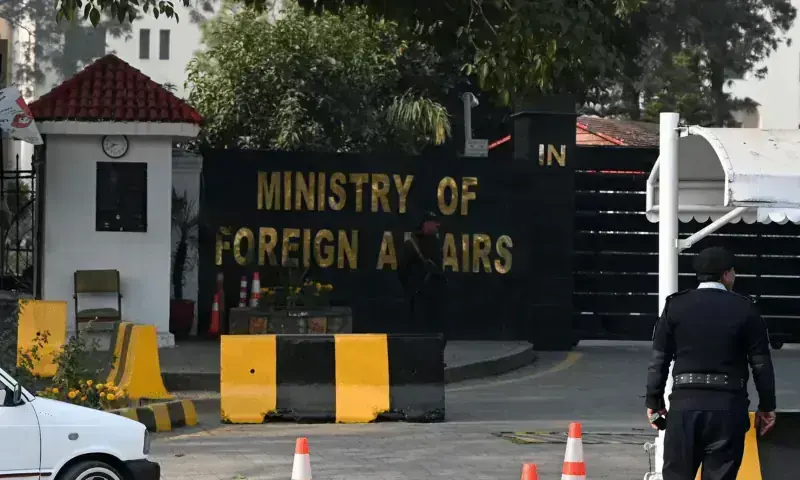
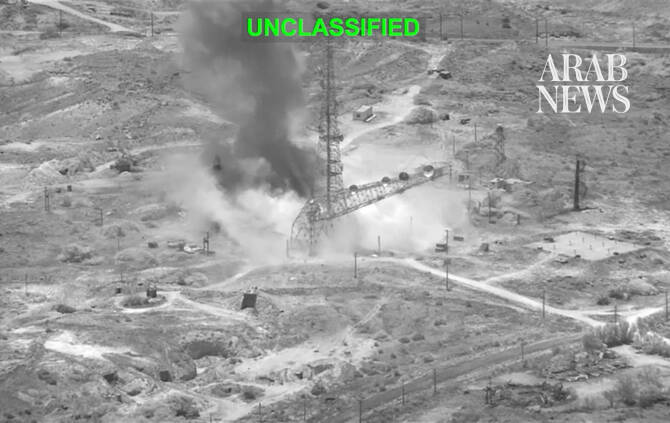
Iran claims to have targeted key American military assets in the region, while the U.S. says it has been hitting important Iranian military facilities for over a week now. Tragically, the latest military exchanges have resulted in civilian casualties, including an attack near a children’s cancer hospital in Iran. The Iranian Foreign Ministry described the attack as “barbaric” and accused the United States of committing a “cowardly war crime.”
The U.S. has once again imposed a blockade on Iranian oil exports while Iran has closed the Strait of Hormuz to oil shipments from Gulf countries. Oil prices are expected to rise once again as the region and the wider world watch the situation with apprehension.
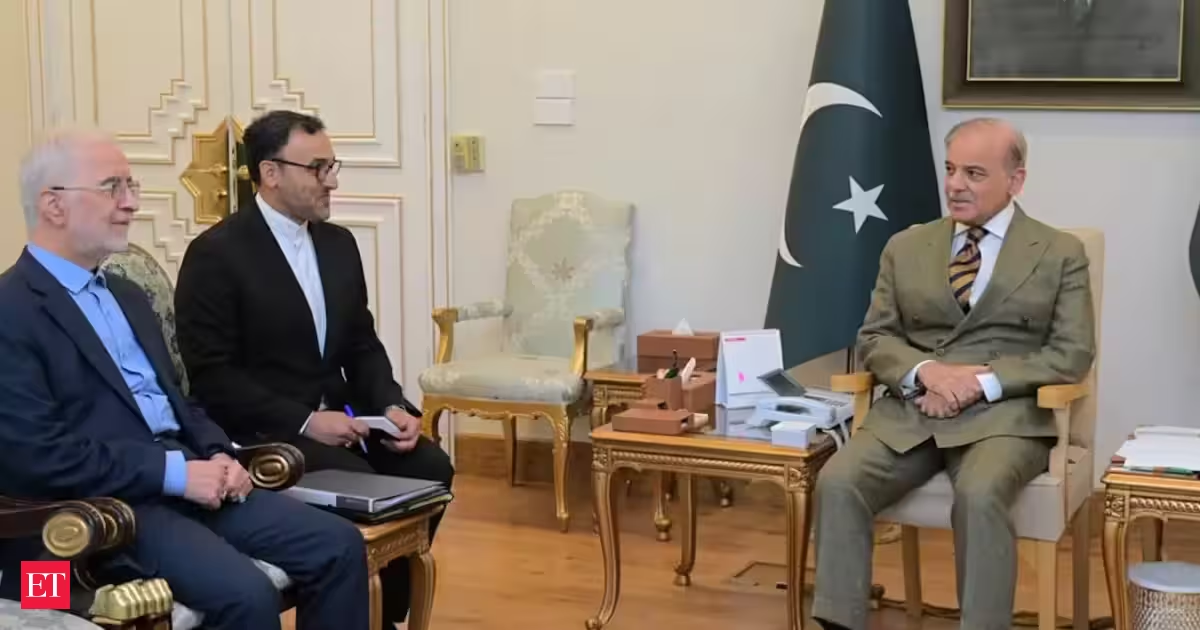
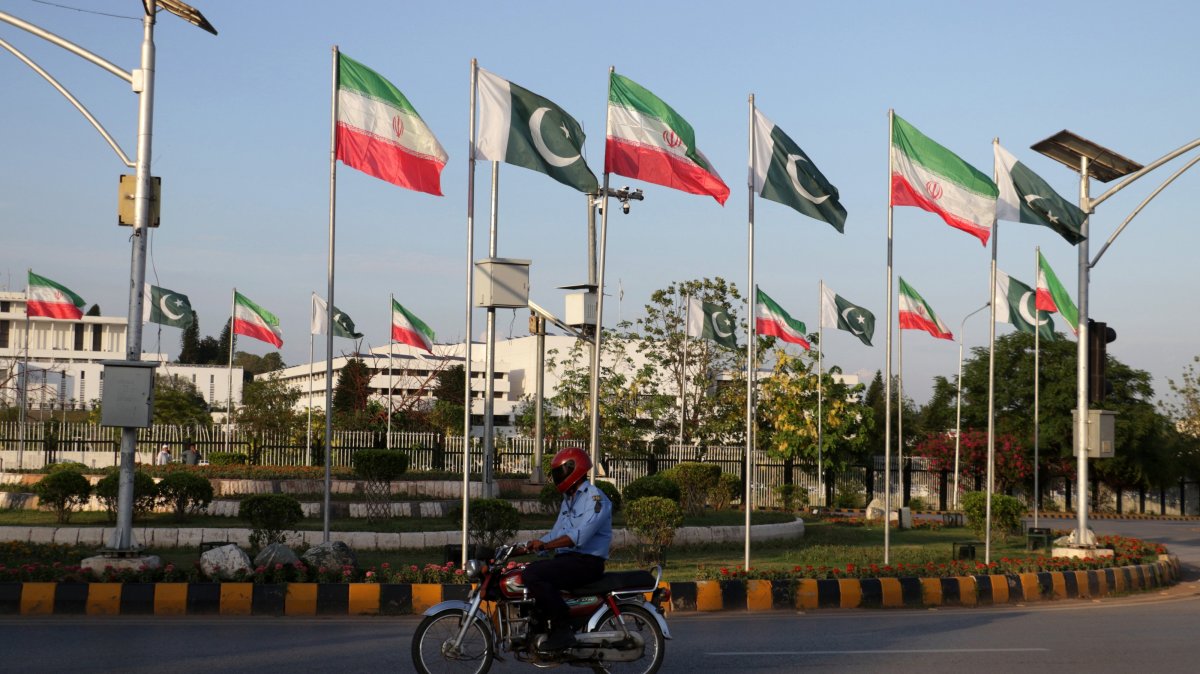
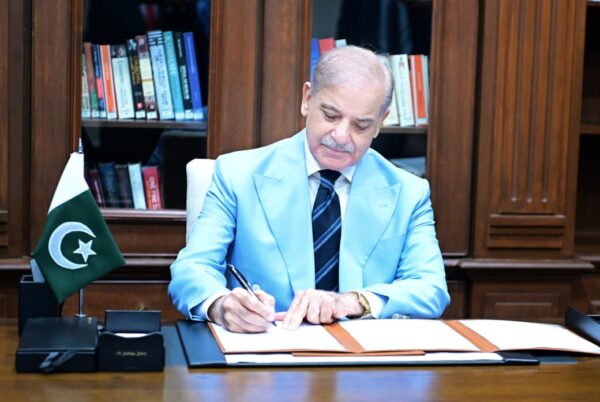
More particularly, the latest flare-up has put the Pakistan-brokered ceasefire efforts and the broader agreement between Washington and Tehran back in the spotlight. Pakistan’s diplomatic efforts led to the signing of the Islamabad Memorandum of Understanding (MoU) in June. The key question now is what role Pakistan can play in steering both sides back toward the Islamabad MoU, which paved the way for potential technical-level talks.