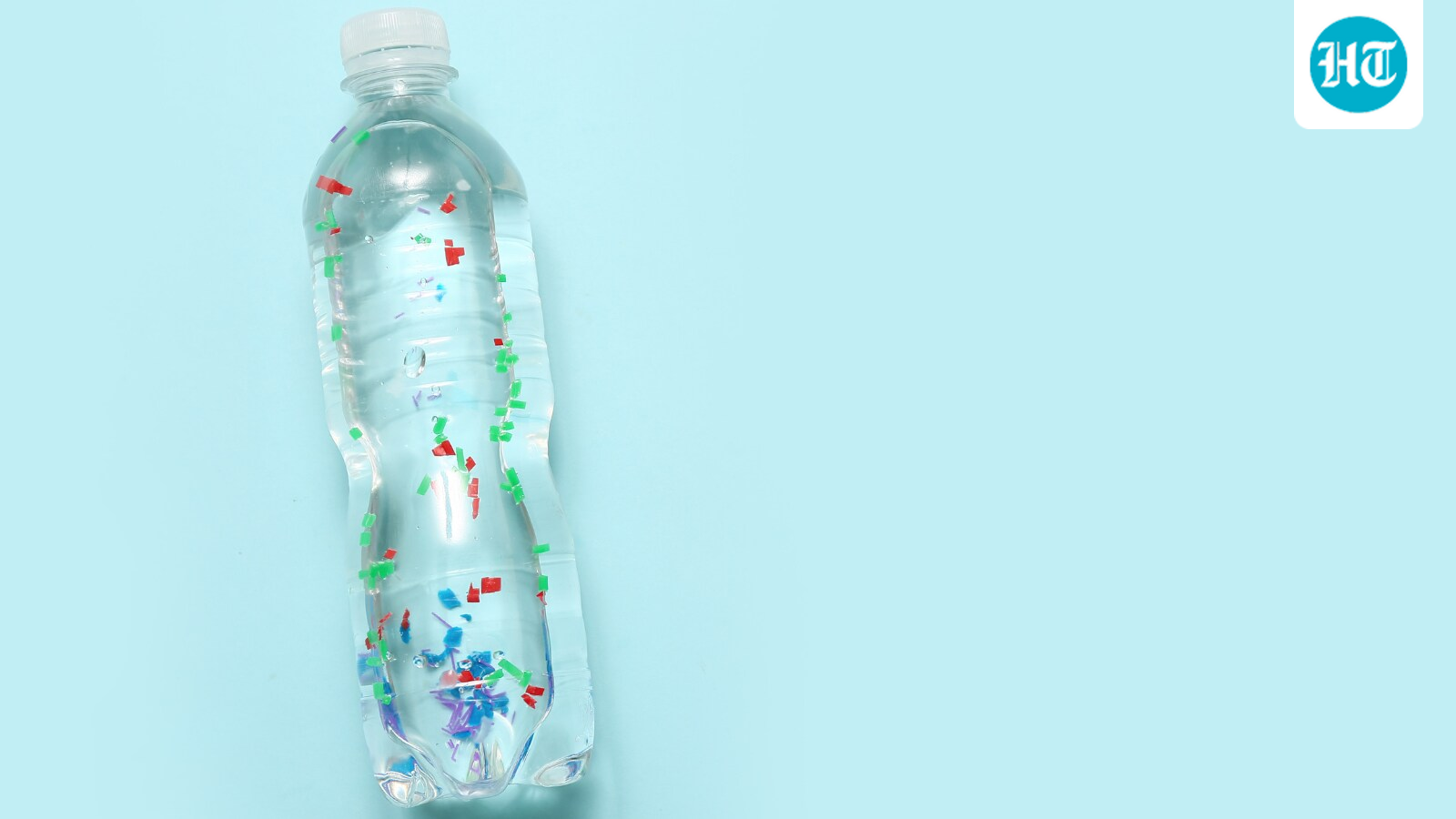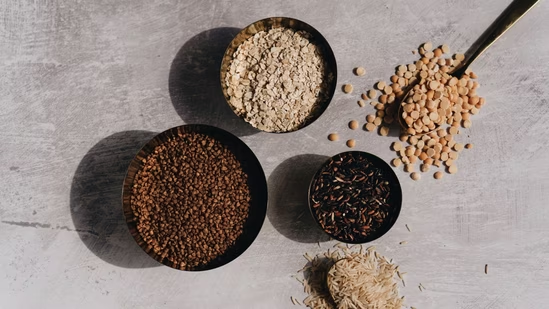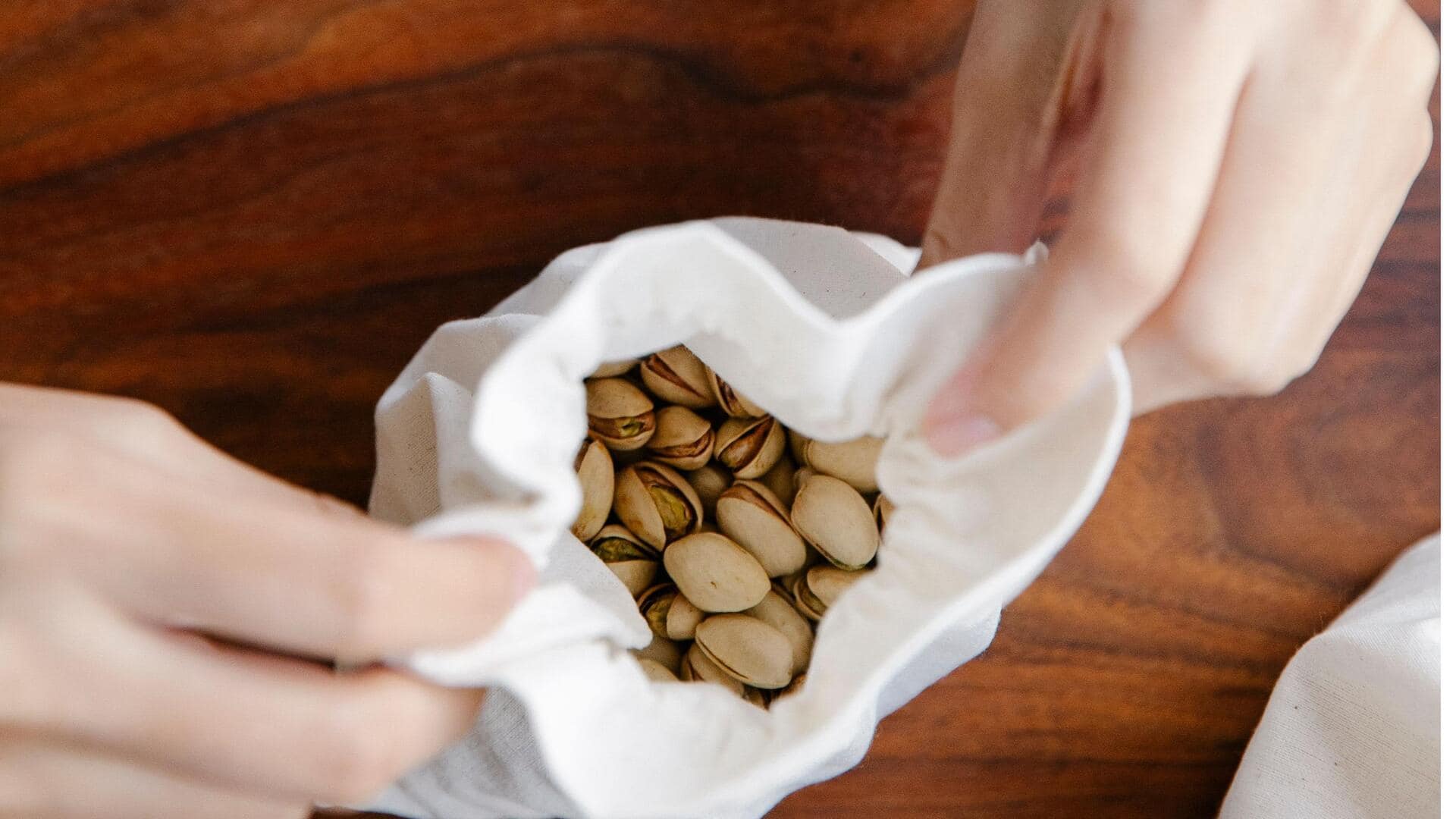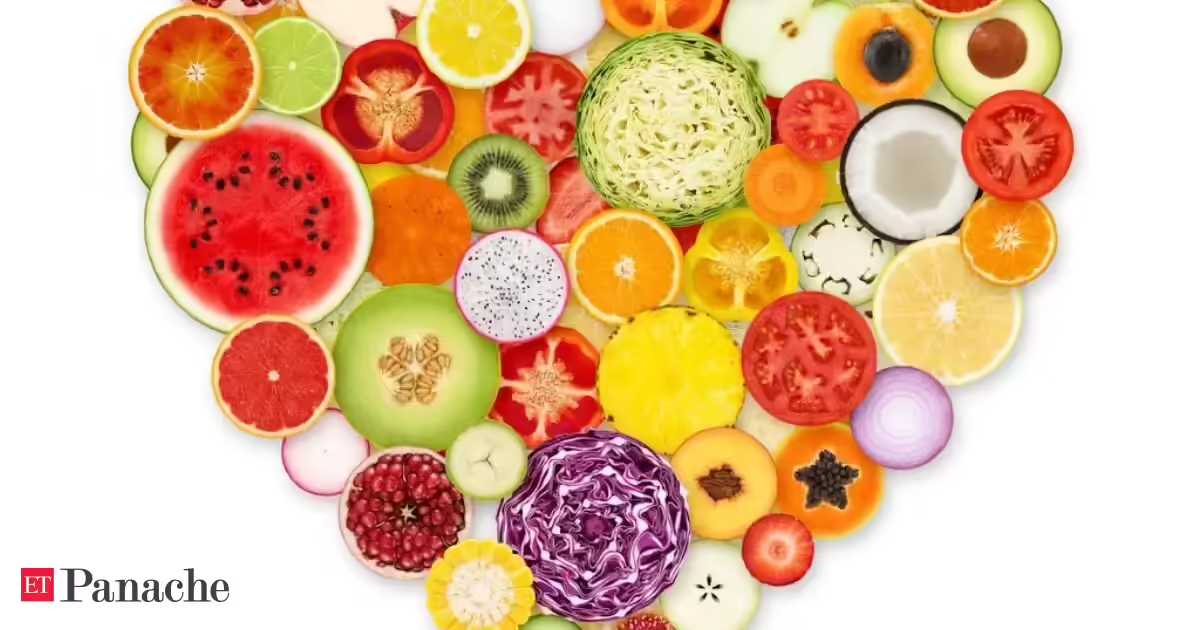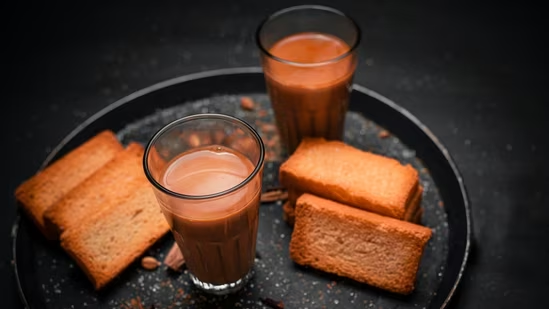
Neurologist Dr. Priyanka Sehrawat advocates minor lifestyle changes to enhance health, (Unsplash) Want to make your home healthier? Neurologist Dr Priyanka Sehrawat shares 10 everyday items she recommends replacing and why.Small everyday swaps can make a big difference to your overall health. In a July 16 Instagram video, neurologist Dr Priyanka Sehrawat shared 10 simple replacements you can make at home to build healthier habits over time. She emphasised that these changes don’t have to happen overnight, but adopting them gradually can help you lead a healthier lifestyle. (Also read: Nearly 1 in 3 Indians at risk of diabetes? Endocrinologist Dr Dheeraj Kapoor shares warning signs and prevention tips )1. Replace ketchup with coriander chutneyInstead of relying on bottled ketchup, Dr Sehrawat recommends homemade coriander chutney. “Instead of ketchup, eat coriander chutney.” Fresh chutneys are generally less processed and can be made without added preservatives.2. Replace fruit juice with whole fruitsDr Sehrawat advises choosing whole fruits over packaged or freshly strained juices. “Instead of fruit juice, eat whole fruits.” Whole fruits provide fibre, which helps slow sugar absorption and keeps you full for longer.3. Replace maida bread with whole wheat bread or chapatiRefined flour products can be swapped for whole-grain alternatives. “Instead of using maida bread, eat whole wheat bread or chapati. You can mix and match millets in chapati.” Adding millets to chapati can also increase its nutritional value.4. Replace sweets with healthier homemade dessertsInstead of regularly eating sweets, Dr Sehrawat suggests healthier alternatives. “Instead of sweets, eat jaggery. There is not much difference between jaggery and sugar. You can make low-fat, low-sugar kheer at home.” While jaggery is often considered more natural, she also points out that moderation is still important.5. Replace aluminium utensilsKitchen cookware matters too. “Instead of aluminium utensils, use stainless steel or cast iron utensils. So change your utensils also.”6. Replace plastic water bottlesDr Sehrawat recommends switching to safer storage options. “Instead of plastic water bottles, use glass bottles or steel containers.”7. Replace biscuits and namkeen with healthy snacksInstead of processed snacks, opt for nutrient-rich foods. “Instead of biscuits and namkeen packets, use paneer salad, sprout salad, nuts and seeds, walnuts, almonds and pumpkin seeds.” These options provide protein, healthy fats and fibre.8. Replace refined cooking oilChoosing minimally processed oils may be a better option. “Instead of refined oil, use cold-pressed coconut oil, mustard oil or olive oil.”9. Replace air fresheners with natural alternativesArtificial room fresheners can also be swapped. “Instead of air fresheners in your room, you can use citronella oil if needed.”10. Replace nighttime screen timeOne of her final recommendations focuses on better sleep habits. “Replace nighttime screen time with books or magazines.”Dr Sehrawat concluded by reminding viewers that lasting lifestyle changes take time, “You can try. All things will not change in a day, but do try.” Her message is simple: focus on making small, sustainable changes instead of trying to transform your lifestyle overnight.About Dr Priyanka SehrawatDr Priyanka Sehrawat is a neurologist based in Gurugram. She completed her MBBS from Lady Hardinge Medical College, Delhi, followed by an MD in Medicine. She later pursued a DM in Neurology from the All India Institute of Medical Sciences (AIIMS), Delhi. Dr Sehrawat currently practices at The Neuromed Clinic in Gurugram, where she diagnoses and treats a range of neurological conditions.Note to readers: This article is for informational purposes only and not a substitute for professional medical advice. Always seek the advice of your doctor with any questions about a medical condition.This report is based on user-generated content from social media. HT.com has not independently verified the claims and does not endorse them.Akanksha Agnihotri is a lifestyle journalist with over 3 years of experience. She is a psychology graduate and holds a postgraduate diploma in Radio and Television Journalism from the Indian Institute of Mass Communication, Delhi, where she graduated as a gold medalist. Originally from Bhopal, the beautiful capital of Madhya Pradesh, she draws inspiration from the city’s rich cultural heritage and layered storytelling traditions that subtly shape her narrative voice.
From maida bread to biscuits and namkeen: Neurologist Dr Priyanka Sehrawat shares 10 things you should replace at home
Want to make your home healthier? Neurologist Dr Priyanka Sehrawat shares 10 everyday items she recommends replacing and why. | Health
892 words~4 min read