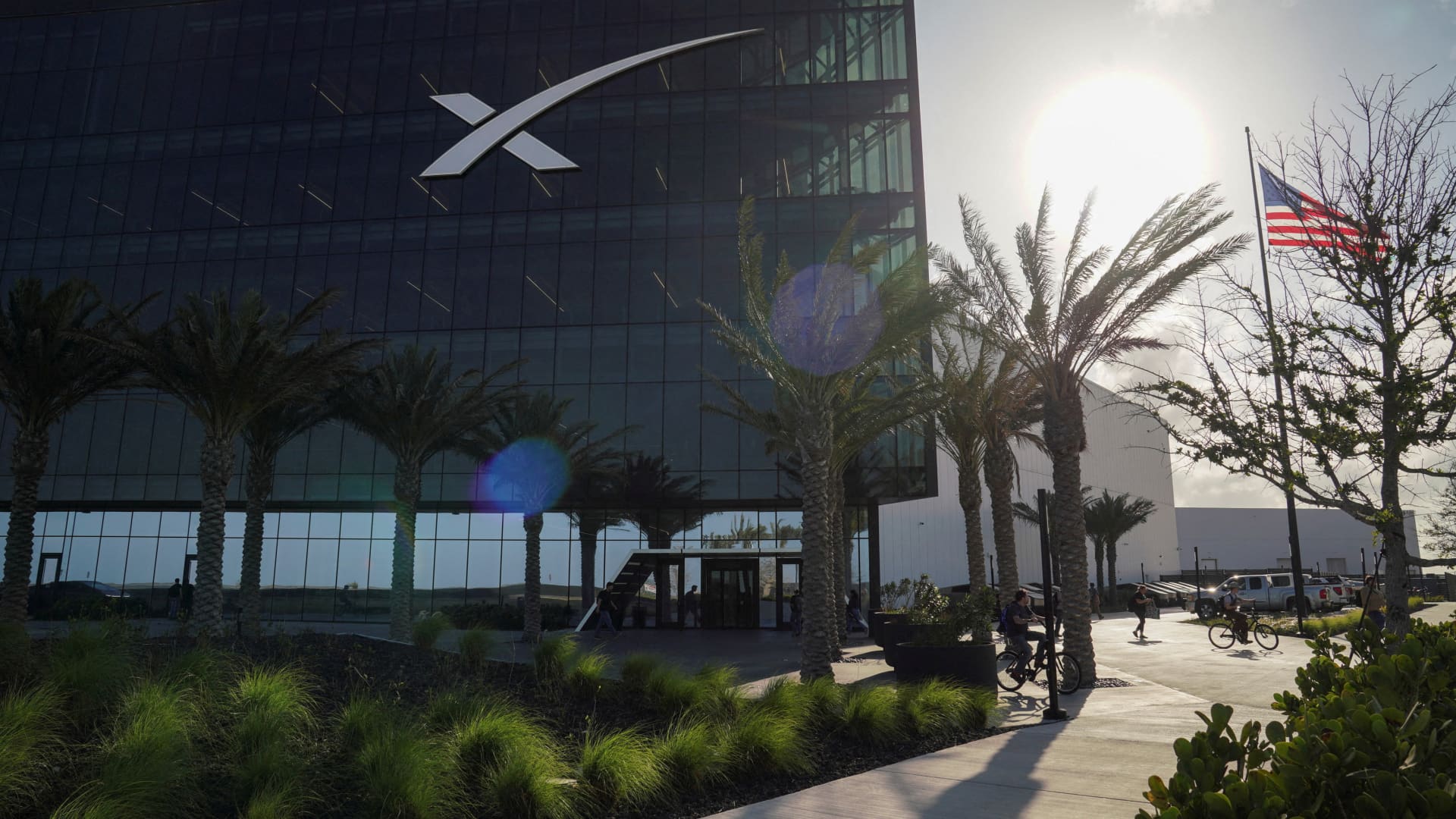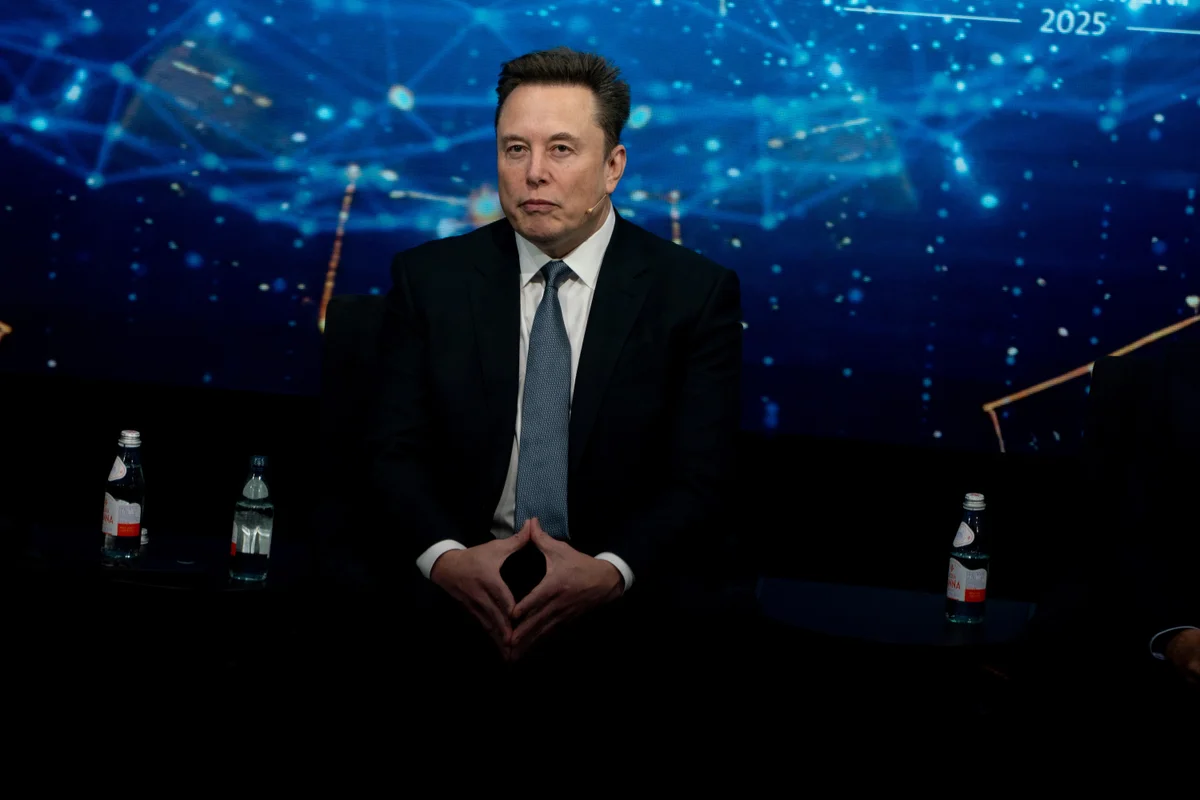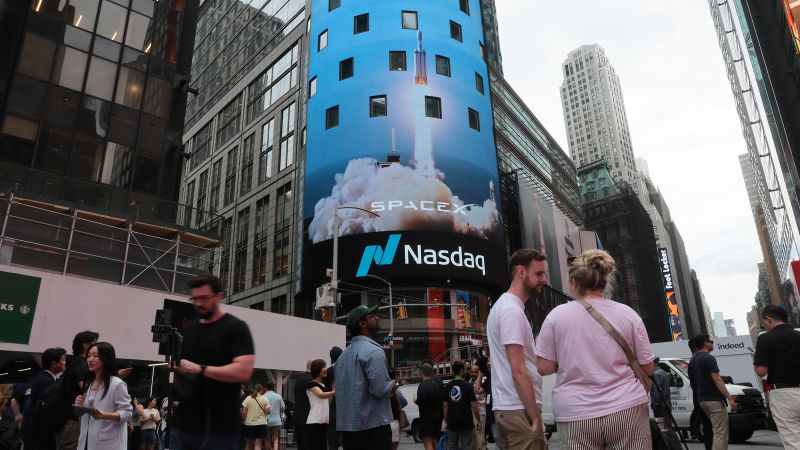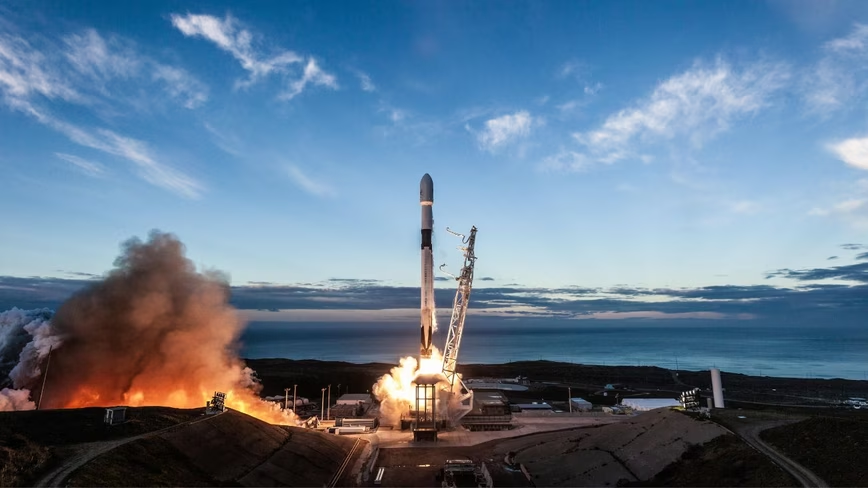
SpaceX’s IPO marks the moment the space dream became a mainstream capital markets story. For decades, it has sold a vision of interplanetary civilization on behalf of the wider space industry. In one sense, not much has changed. That vision remains central to its identity.
What has changed is that the market is no longer treating that ambition as distant science fiction. No company raises more than $85 billion on vision alone. SpaceX has reached the public markets as something rarer: a company whose long-term mission is extraordinary, but whose near-term infrastructure is already becoming essential.
That belief is not built on hype. It is built on a refusal to accept the old aerospace consensus and the ability to execute a new vision. SpaceX put reusability at the center of launch architecture and forced the rest of the industry to rethink what a rocket company could be. Then it built Starlink, and forced the world to rethink telecommunications too.
Now, as it moves into orbital data center, it will need to rethink the orbits at which satellites fly as well.
The vast majority of the more than 10,000 satellites in space currently operate in low Earth orbit (LEO), roughly 500 to 700 kilometers above the Earth. That number is set to increase dramatically, with SpaceX applying to put up to 1 million new satellites into space.