Show Caption
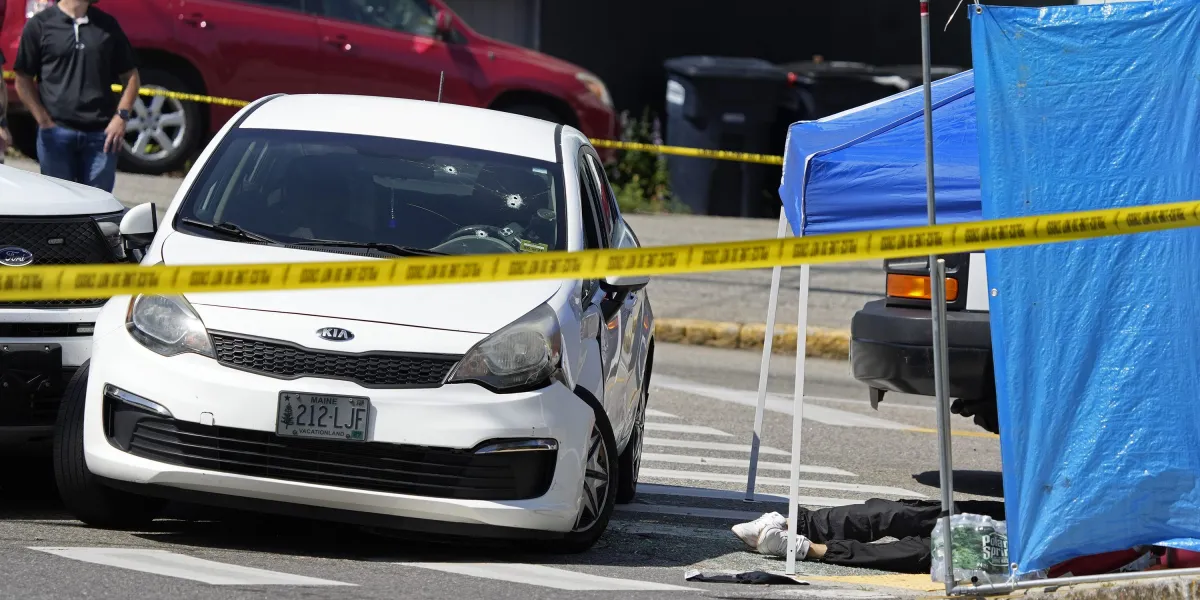
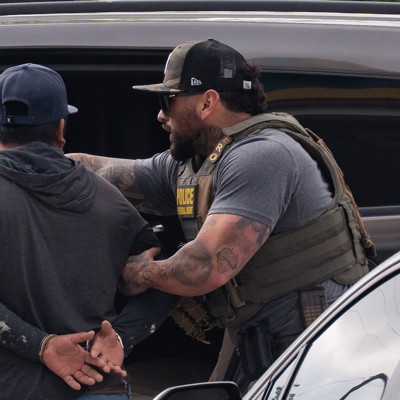
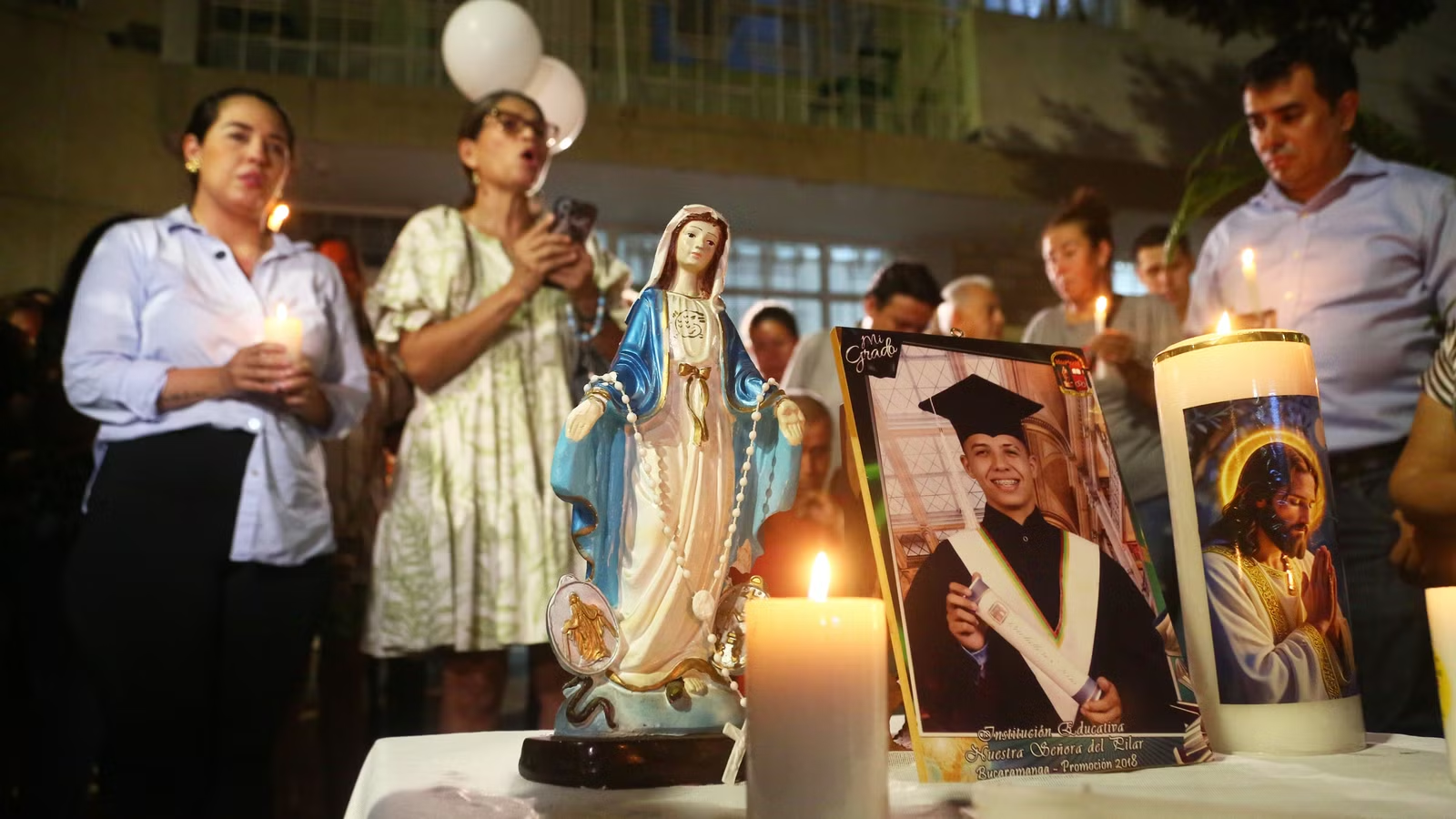
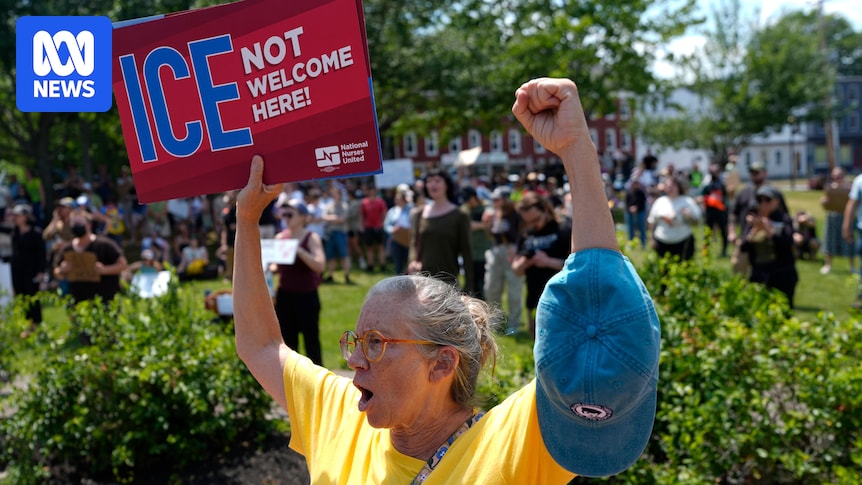
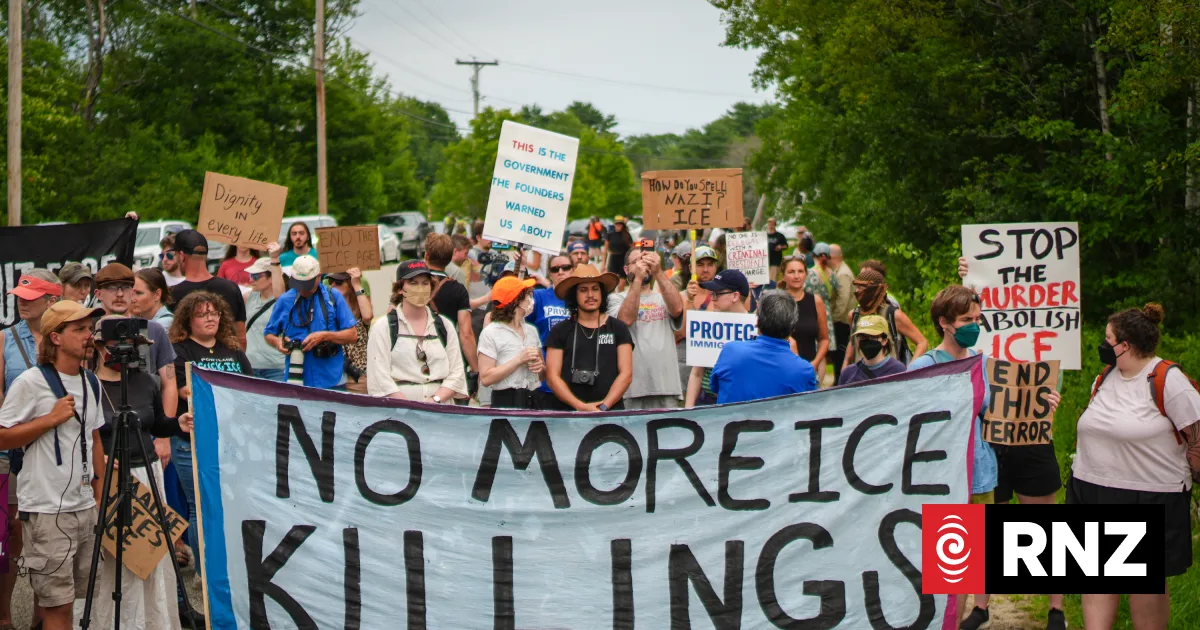
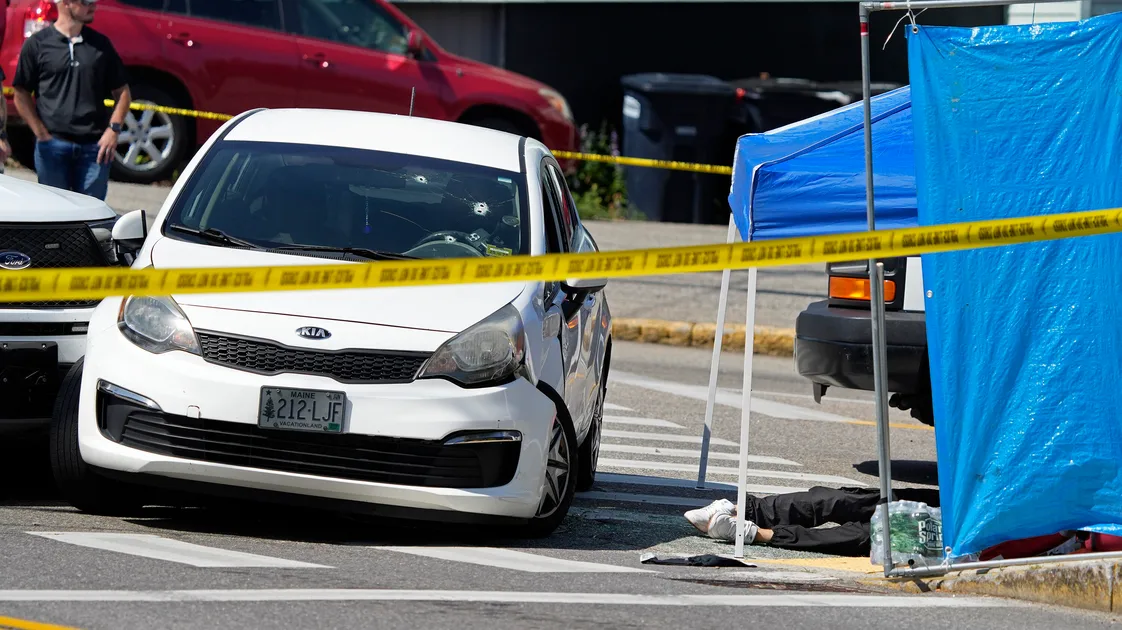
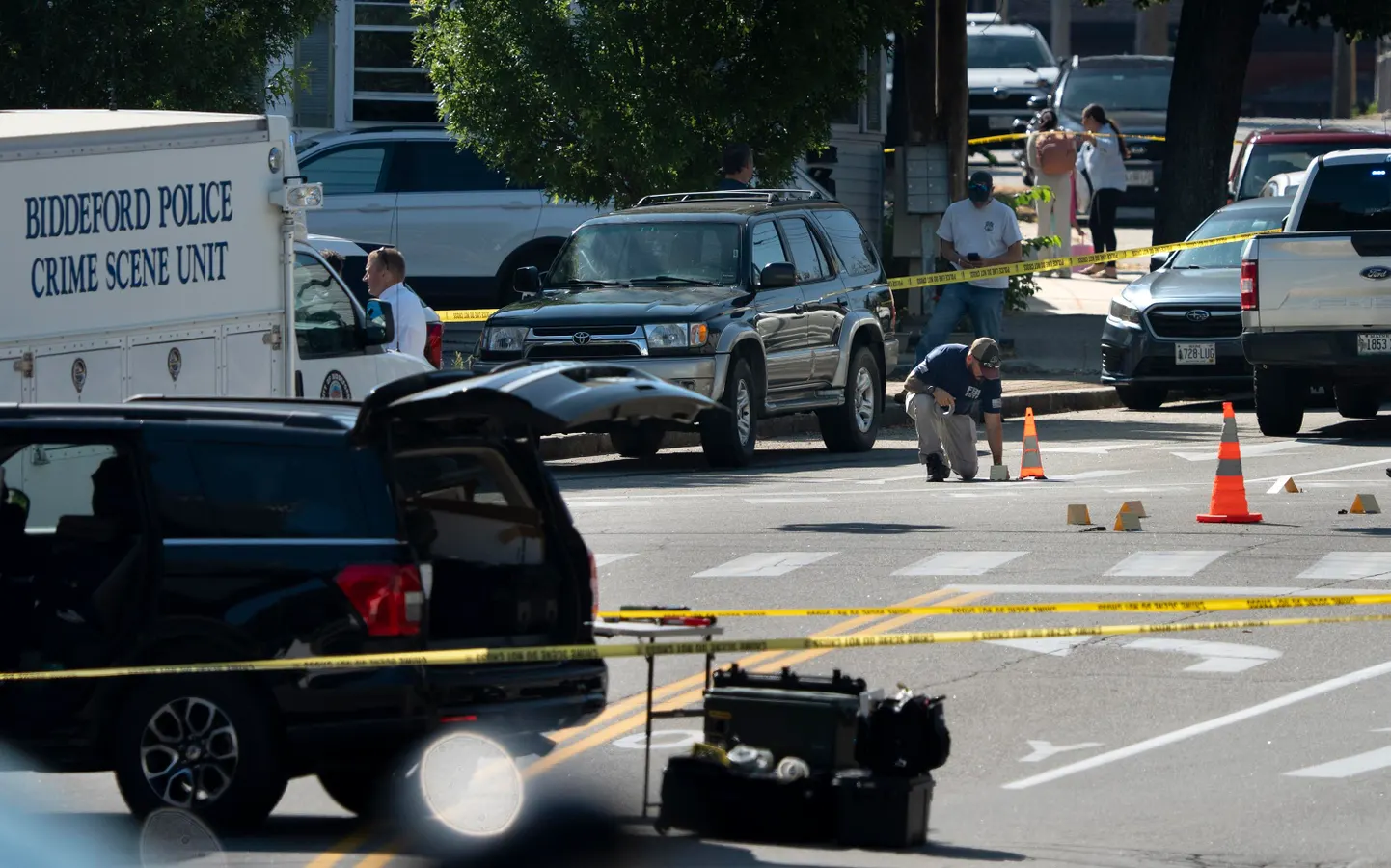
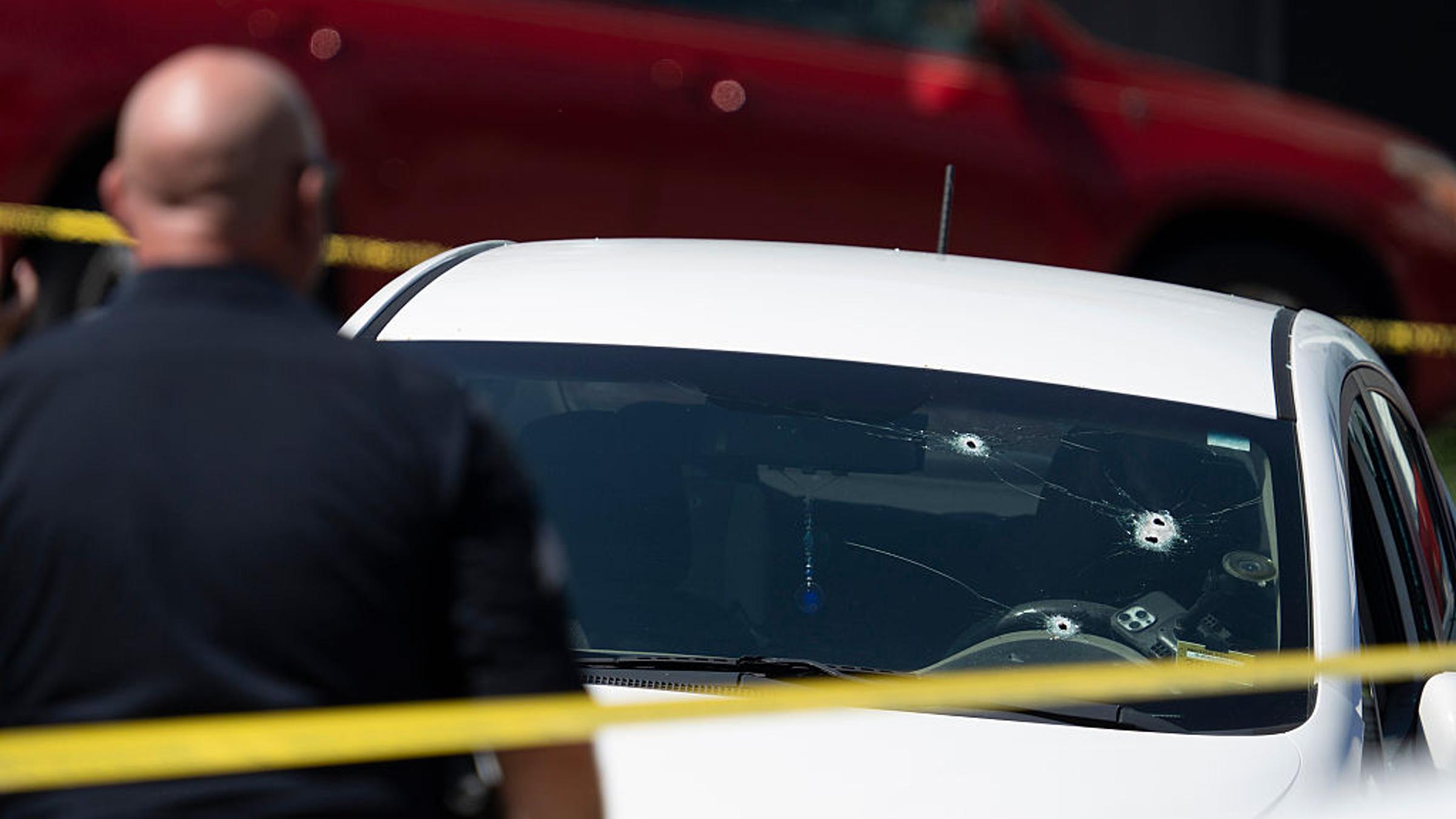
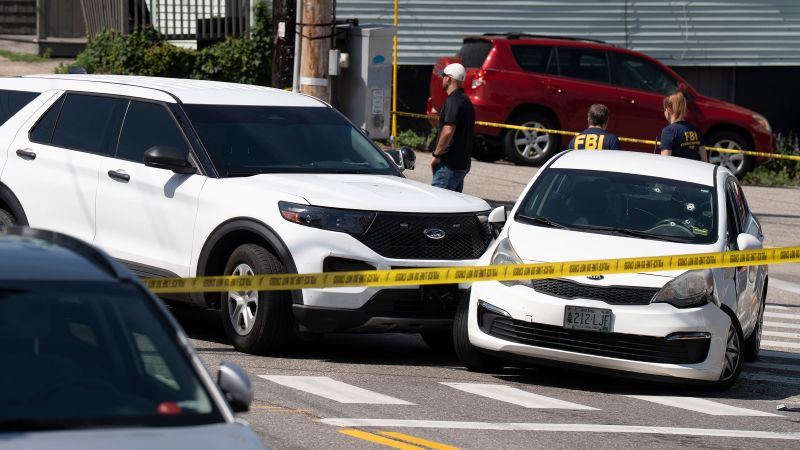
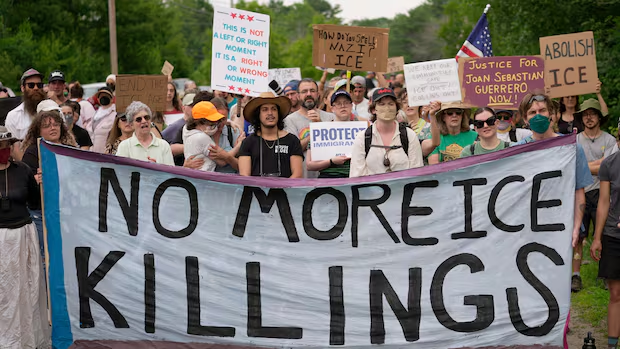
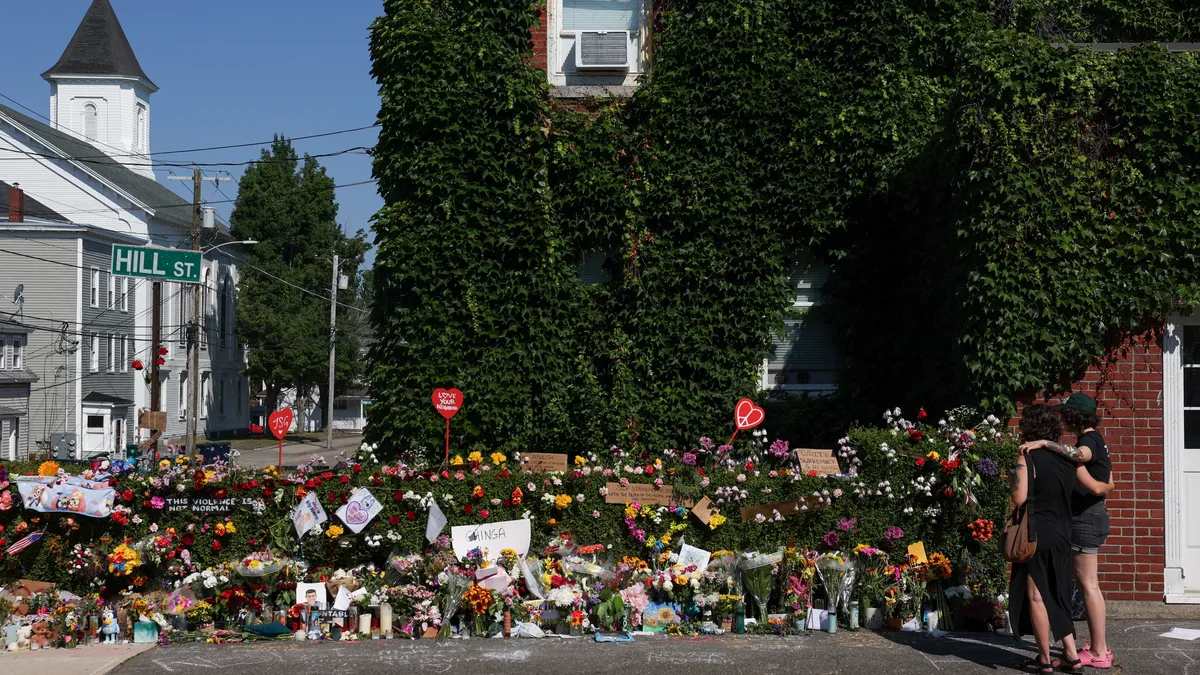
Two fatal shootings by federal officers in less than a week have put one of the Trump administration's increasingly common immigration enforcement tactics under scrutiny: traffic stops.Over six days, U.S. Immigration and Customs Enforcement agents shot and killed two people during vehicle-stop encounters, sparking protests and prompting agency leaders to temporarily suspend most stops nationwide – a decision President Donald Trump quickly reversed.“We CANNOT give up one of I.C.E.’s most important and effective Crime Fighting tools, THE TRAFFIC STOP!” the president said in a social media post.The shootings and rapid policy reversal have fueled calls for a review of ICE's tactics and raised broader questions about how the administration's push for mass deportations is changing the way immigration agents operate in American communities.Former ICE leaders said traffic stops were never a primary enforcement tool. When agents made arrests in the community, they typically relied on surveillance and careful planning to detain people at homes, workplaces or other locations. Those operations were also generally reserved for immigrants considered public-safety threats or those with serious criminal convictions, former officials said.But that has changed as the Trump administration seeks to carry out what it calls the largest deportation campaign in U.S. history. ICE officers, Border Patrol agents and other Department of Homeland Security personnel have increasingly turned to street operations – including vehicle stops – to locate and arrest undocumented immigrants, many of whom have no criminal record.The increase in street operations has occurred alongside a rise in officer-involved shootings. Since the start of last year, immigration agents have shot more than 20 people, most of whom were inside a vehicle at the time of the incident, according to a USA TODAY analysis of official statements, lawsuits and court records.Policing and use-of-force experts said the concerning trend suggests a lack of training and experience on how to safely conduct traffic stops – widely known among law enforcement officials as one of the riskiest types of encounters an officer can face.“A traffic stop is a tricky and sometimes dangerous thing, and it takes real in-depth scenario-based training to learn how to do properly,” said David Harris, a law professor at the University of Pittsburgh who focuses on police procedure. “It doesn’t seem like ICE agents are getting that.”In a statement to USA TODAY, Homeland Security Secretary Markwayne Mullin said: "Our #1 goal is to keep our officers safe and get criminals OFF our streets. Illegal aliens will be arrested and deported wherever they are."Two vehicle stops, six days apartOn July 13, an ICE officer shot and killed a Colombian man in a residential area of Biddeford, Maine. The Department of Homeland Security said the man attempted to flee the scene and the agent opened fire “fearing for public safety.”Six days earlier, an ICE officer fatally shot a Mexican national during a stop in Houston, Texas. Federal officials said the man attempted to ram agents with his car, which witnesses vehemently dispute.Amid outrage over the killings, the heads of ICE and the Department of Homeland Security ordered agents to suspend most traffic stops and prioritize other tactics for immigration enforcement.In a Fox News interview, White House border czar Tom Homan described the pause as a “short-term review to make sure ICE agents are safe and doing the right thing.”Homan also pushed back against claims made by some conservative commentators that the pause would hinder the administration’s immigration enforcement efforts, saying agents can arrest someone at their home or before they get into a vehicle.Nevertheless, Trump took to social media the following morning to blast the decision, describing it as a victory for Democrats and criminals.Within hours, the White House confirmed that Trump had overturned the directive to suspend traffic stops so officials could evaluate their training policies – frustrating policing experts, former ICE officials, lawmakers and others who saw a temporary pause as a logical response to the recent deadly incidents.“With so many shootings and several people dead, I don’t understand why they’re opposed to taking a pause,” said John Sandweg, who served as acting ICE director under former President Barack Obama.‘We didn’t need them’: Former ICE officials say traffic stops were uncommonFor the majority of ICE’s existence, the agency relied heavily on local jails for its arrests, taking undocumented immigrants into custody from local or state law enforcement.This came after the Obama administration broadened a program that linked people booked in local jails with federal immigration officials. Obama later axed the program, but it was revived by Trump during his first term in office.When ICE agents conducted arrests in the community, the operations targeted those convicted of serious or violent crimes, Sandweg said. Of all the arrests ICE conducted out on the streets, most occurred at a residence.“Traffic stops would happen. It wasn’t like they were prohibited, but it wasn’t the focus of the operations,” he said. “We didn’t need them.”Deborah Fleischaker, a former ICE official who served under the Biden and first Trump administrations, said a significant amount of time was dedicated to investigating each street operation during her time at the agency.“You knew where you were going to pick them up, you knew why you were going to pick them up. You watched them for days or weeks to establish their patterns,” she said. “You did all that so you could get them in the safest way for the officers and for the target.”Amid deportation campaign, agents surge into communitiesSince Trump returned to office, immigration agents have increasingly engaged in street operations, including vehicle stops, to carry out the president’s deportation agenda. This has been enabled in part because of the shutdown at the southern border, which experts say has freed up agents to operate in the interior of the country. Illegal border crossings have plunged under the Trump administration.According to a report from the Deportation Data Project, street arrests by ICE were up 11 times compared to the monthly average in the last months of the Biden administration.Over the same period, transfers to ICE custody from state prisons and local jails roughly doubled, the report shows, while the number of people arrested without any criminal convictions was seven times what they were under President Joe Biden.The rise in street arrests has coincided with the agency more than doubling its workforce and pushing to expand the number of undocumented immigrants it arrests for deportation. Stephen Miller, White House deputy chief of staff, previously said that ICE had a minimum goal of 3,000 arrests per day.At the same time, the number of shootings by federal agents has jumped, with more than 20 such incidents occurring since August, most of them involving a vehicle or traffic stop, DHS announcements and court records show.Former ICE officials and policing experts faulted, in part, a pressure campaign to ramp up arrests and a lack of caution by agents operating in the field. They pointed out that in the two recent shootings in Texas and Maine, ICE officers shot and killed men who were not the intended target of the immigration enforcement operations.“Part of what’s gone by the wayside under this mass deportation agenda is that careful planning with a lot of time and thoughtfulness,” Fleischaker said. “Because there is less planning, because they are flying by the seat of their pants so much more regularly, we see these tragic mistakes.”The Department of Homeland Security as well as administration officials have largely defended its agents and tied the shootings to a rise in vehicle assaults and noncooperation fueled by the rhetoric of Democratic officials.The increased street operations are also a result, Trump officials argue, of local officials implementing sanctuary policies limiting cooperation between police and federal immigration authorities."As our officers carry out operations to enforce our nation's laws, they are facing a more than 1,300% increase in vehicle attacks," Mullin said in a statement. "We remind illegal aliens, attempting to evade arrest is dangerous. This reckless illegal alien activity comes after sanctuary politicians held webinars and shared resources for how to openly defy ICE."A tactic with higher risksVehicle stops are among the most dangerous encounters law enforcement officers routinely face because they are inherently unpredictable and can escalate quickly, said Geoffrey Alpert, a University of South Carolina criminology professor who studies police use of deadly force.To manage those risks, police officers receive extensive training on everything from approaching a vehicle and assessing threats to deescalating confrontations. Former ICE officials said immigration agents underwent similar instruction under the Obama, Biden and first Trump administrations.Homan has described the agency's current vehicle-stop training as "quite extensive" and comparable to that provided by other federal, state and local law enforcement agencies.But former ICE officials and policing experts said training alone is not enough. Unlike local police officers, who conduct traffic stops regularly throughout their careers, immigration agents historically relied on other enforcement methods and had fewer opportunities to develop experience handling roadside encounters."When you're doing something that's difficult and dangerous, even in the best of circumstances, and you lack experience, things can easily go wrong," said David Harris, a law professor at the University of Pittsburgh who studies police procedure.Several experts also questioned whether vehicle stops are necessary in many immigration cases. They noted that agents can often make arrests at a residence or other location where conditions are more controlled and the risk of a confrontation is lower.Homan, who previously led ICE under Obama and during Trump's first term, has publicly made a similar point."I hear a lot of noise right now that this is going to affect ICE arrests. It's not going to," Homan told Fox News. "I've been doing this for a long time. When that alien leaves his home, before he gets into a car, you can arrest him then. You can wait until the vehicle gets to the destination."Vehicle stops are back on, White House saysThe brief, nationwide suspension of vehicle stops underscored how seriously immigration officials responded to outrage over the back-to-back shootings. But after the president intervened, administration officials who had defended the pause quickly moved to reaffirm their support for the tactic.“President Trump and I are on the same page,” Mullin said on X. “We want our @ICEgov officers to have all options available to keep them safe while executing our mission of deporting as many illegal alien criminals from our country as possible.”Homan later echoed that sentiment, describing vehicle stops as essential to immigration enforcement, though he had earlier said a pause wouldn't impact the administration's deportation goals.“Vehicle stops are a main tool for us to do our job and we've got to continue that,” he told Fox News.On July 16, White House Press Secretary Karoline Leavitt confirmed that "vehicle stops are continuing" and said the Department of Homeland Security has given "verbal guidance" to all field offices.As the administration forges ahead with its immigration enforcement campaign, former ICE officials and policing experts warned that resuming vehicle stops without a thorough review of training or tactics could lead to more violent encounters.“This is the politics of immigration getting in the way of common sense,” Sandweg said of Trump's decision to reverse the order. “These stops are not good for anyone – the agency, the officers involved or the suspects."