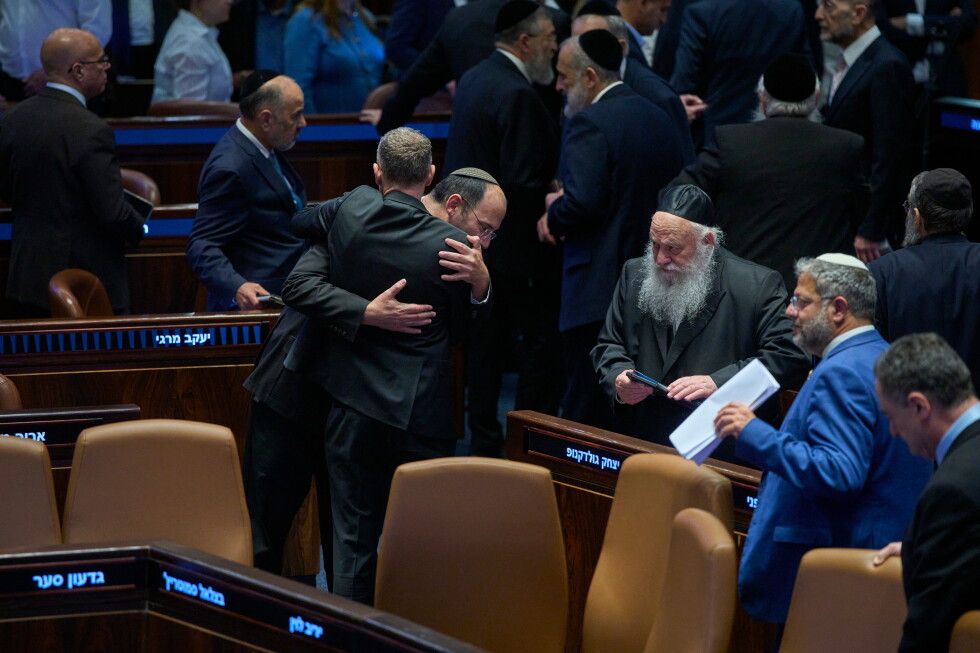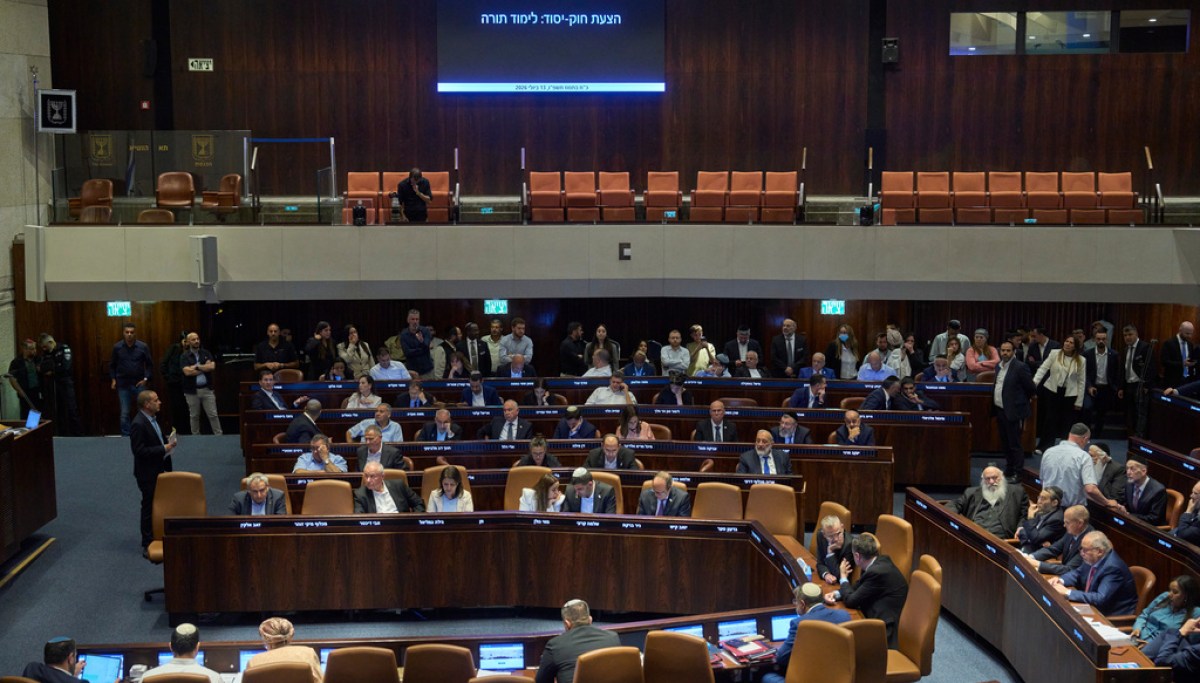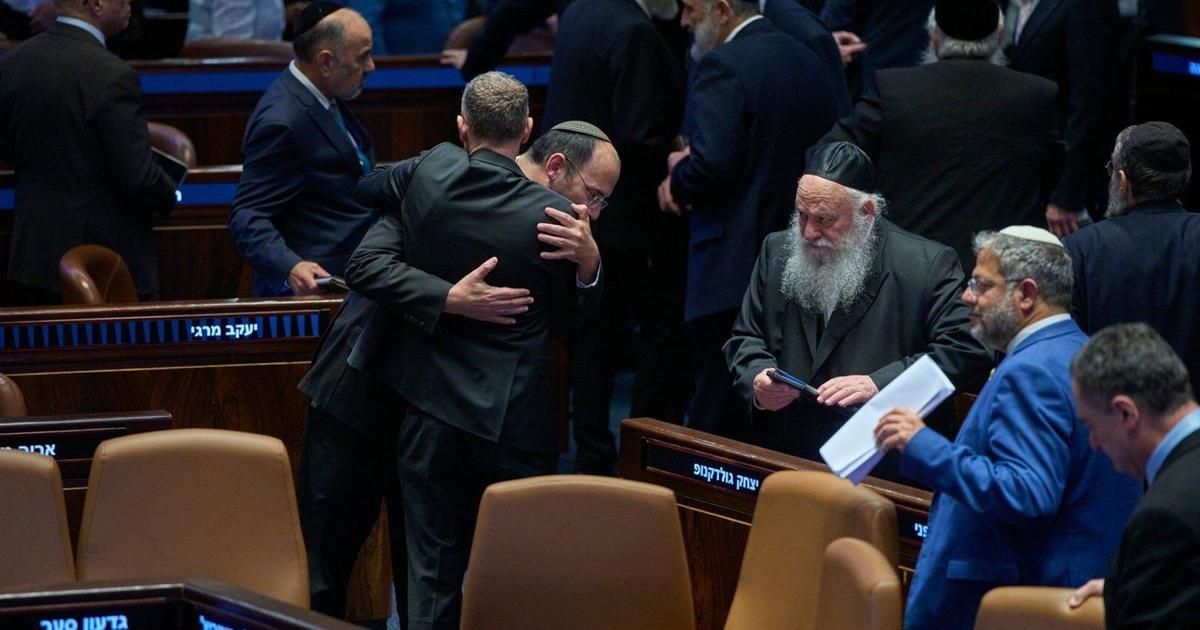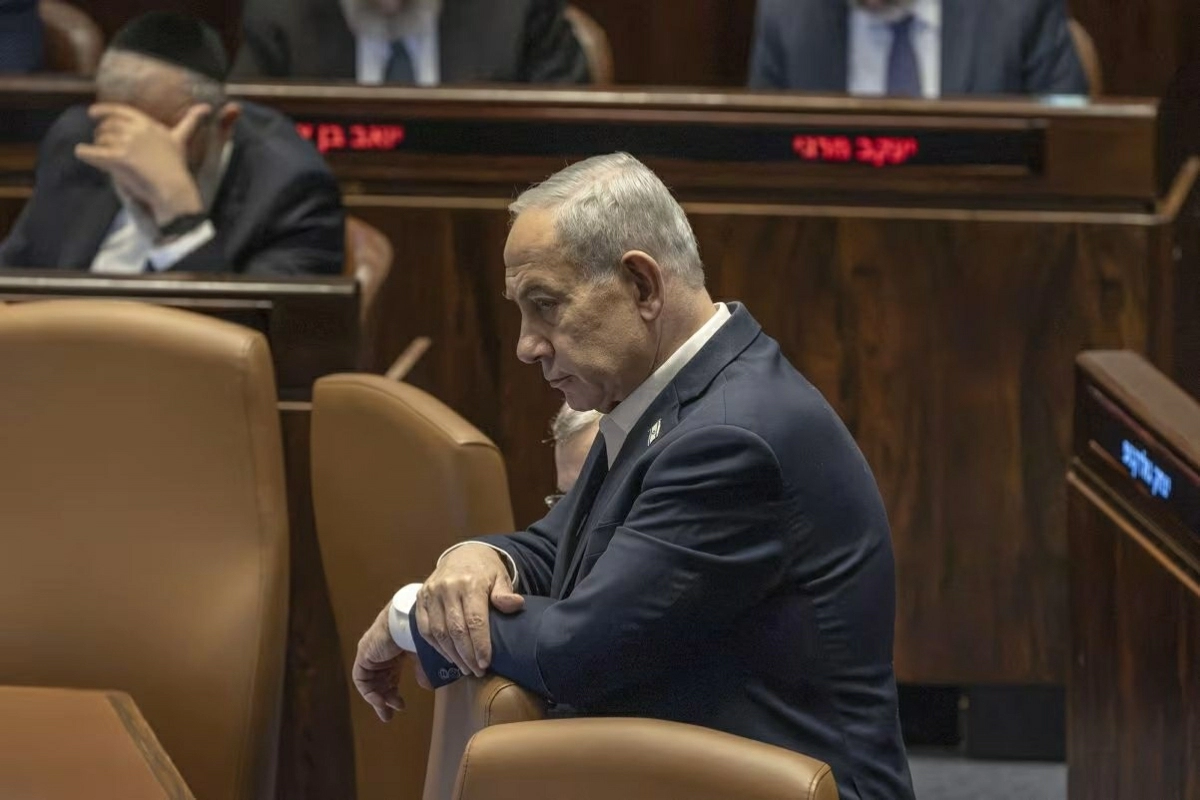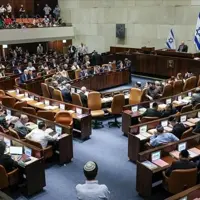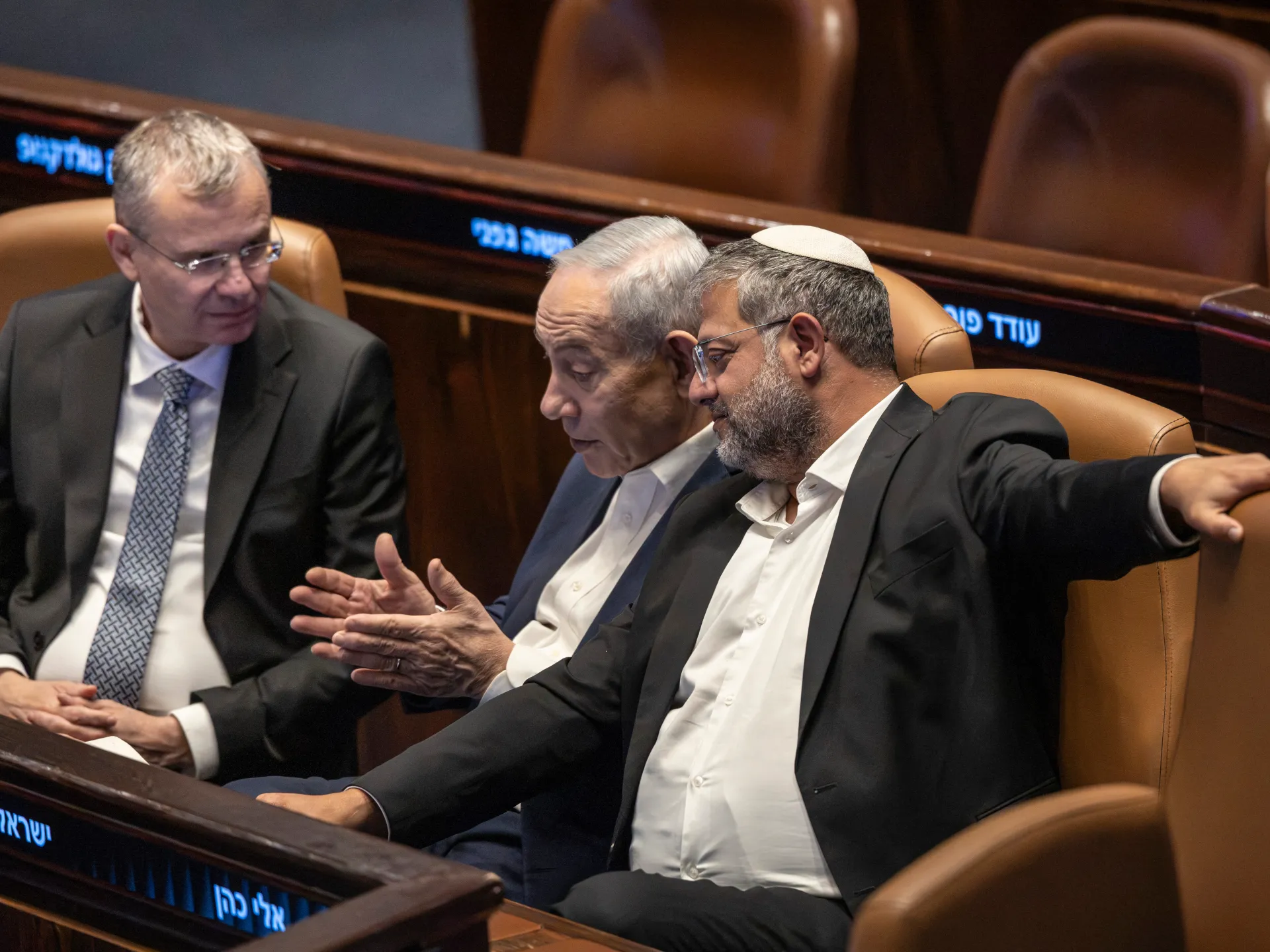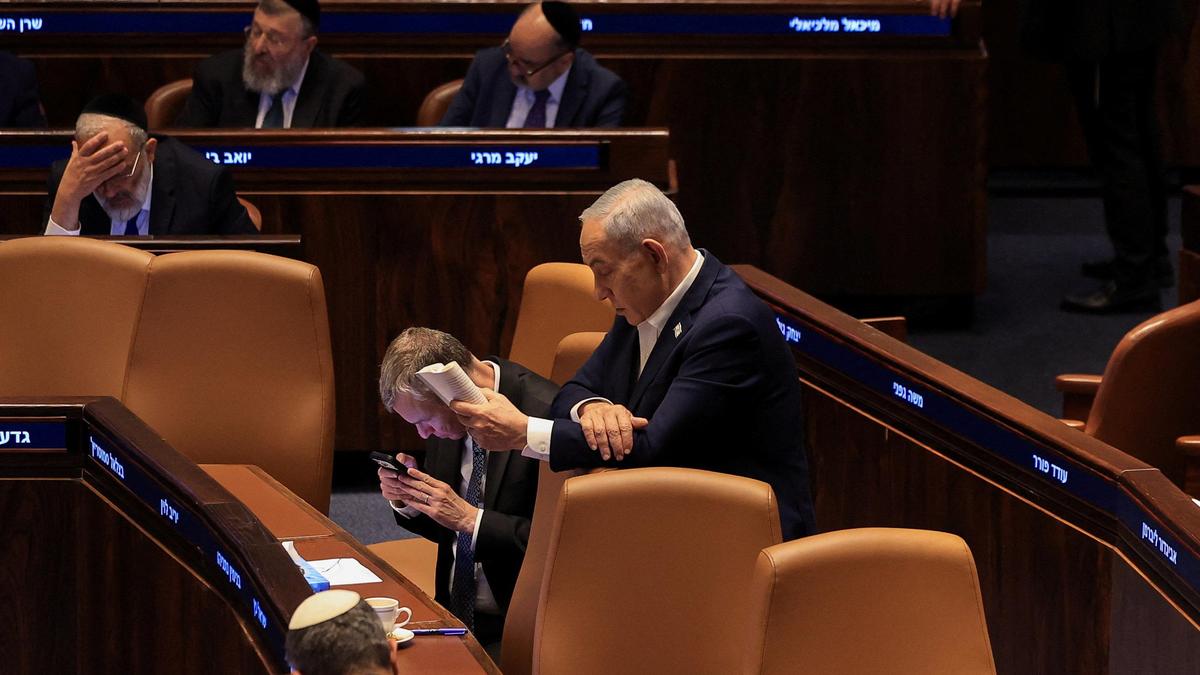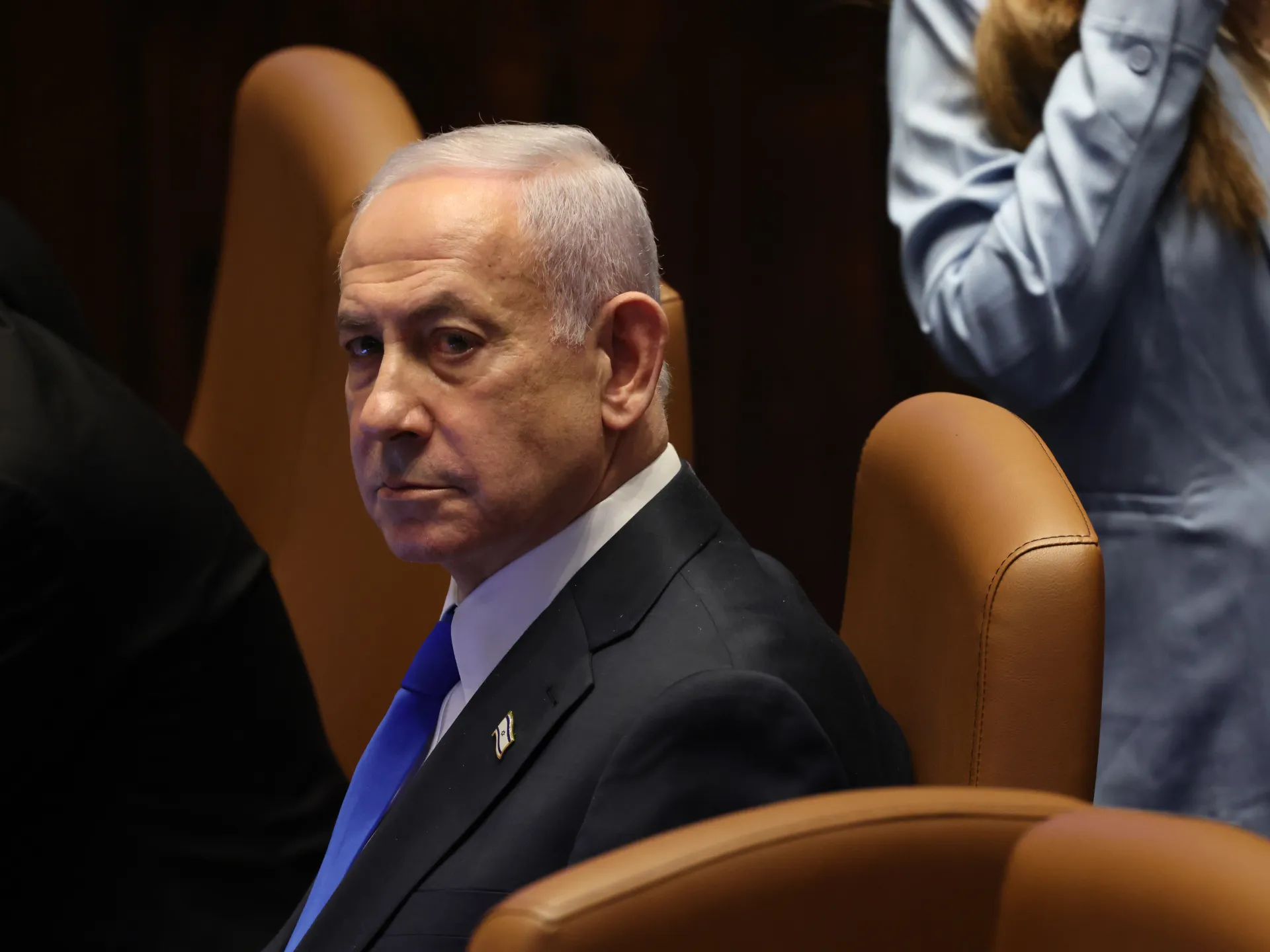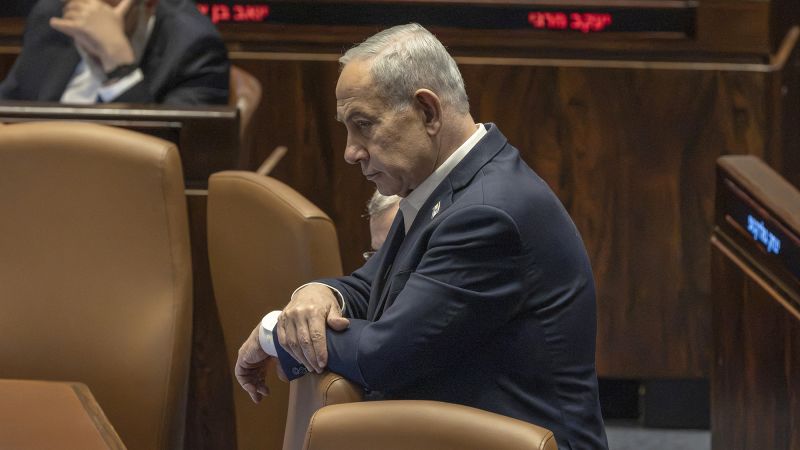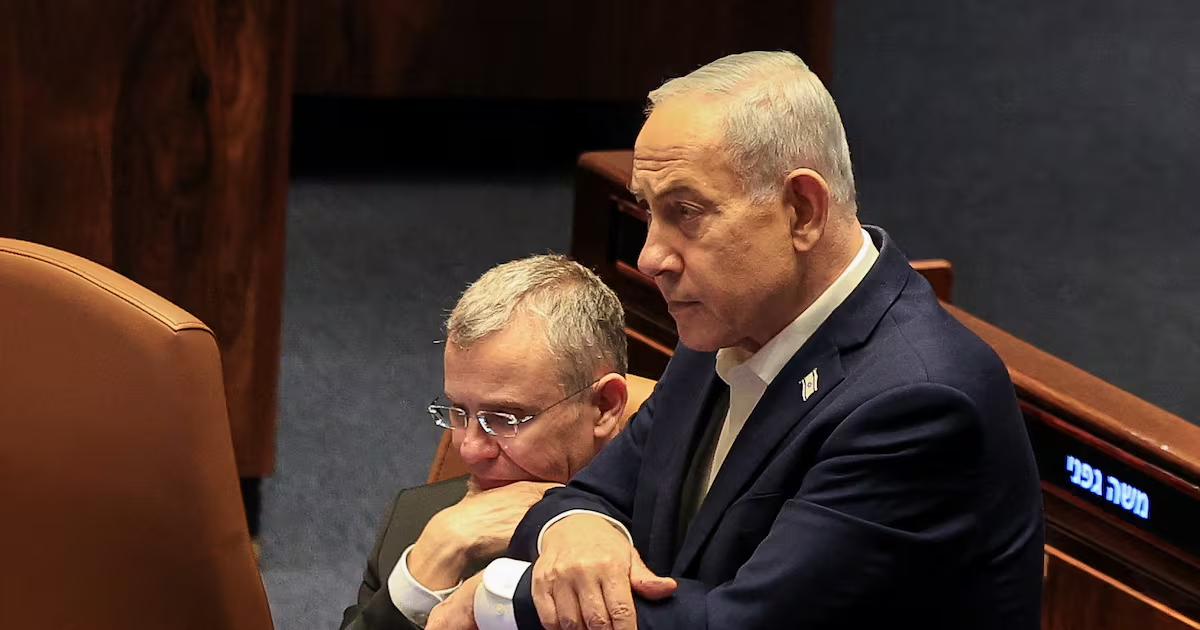
Israeli Prime Minister Benjamin Netanyahu's government has pursued an ultranationalist legislative programme. ReutersInfoFirst Israeli government in 50 years to last full term reshapes media and judiciary – as October elections loomIsrael’s parliament dissolved on Friday, paving the way for elections on October 27 and bringing to a close the ultranationalist legislative programme of Prime Minister Benjamin Netanyahu’s coalition – the first Israeli government in 50 years to last its full term.The government passed several controversial laws in its final week, including weakening the powers of a senior legal position, giving the government more regulatory power over the media and freezing arrests of ultra-Orthodox draft dodgers. It capped a legislative agenda that sparked major public opposition, with some Israelis accusing the government of trying to end democracy and the rule of law. Ultra-Orthodox Jews protest against members of their community being enlisted in the military. EPAInfoOn Tuesday, the government passed a law that will temporarily stop the enlistment of ultra-Orthodox men into Israel’s armed forces, a major victory for the community’s politicians who formed an important section of Mr Netanyahu's government. The law is deeply unpopular, including among some of the coalition’s voters, who say the ultra-Orthodox community is shirking its national duty.Many Israeli reservists have served for hundreds of days since the Gaza war began in October 2023 and the military warns that it is facing a critical manpower shortage. The government also extended the period of mandatory service for male soldiers from 30 months to 32 months, in a vote on Thursday. Israel’s military wanted an extension to 36 months. On Wednesday, the government passed legislation that allows it to reject what were legally binding rulings of the attorney general, a major weakening of the judicial role. Opposition frontrunner Gadi Eisenkot said the law “sets a dangerous precedent in which the government places itself above the law”.Mr Netanyahu’s government came into office with a divisive plan to reform the country’s judiciary, which many on the right viewed as too powerful, too left-wing and too willing to intervene in the work of governments. Anger over the programme, which opponents described as an “overhaul” of the legal system, sparked mass protests before the Gaza war. Late on Thursday evening, the Knesset passed a bill to give the government more control over the media by removing oversight systems and requirements to invest in Israeli productions, among other measures. “In a democratic state, it is forbidden to silence free media. In its final days, the government is passing bizarre and dangerous laws intended solely to preserve its political survival," former prime minister and election frontrunner Naftali Bennett said in a post on X.Israeli Prime Minister Benjamin Netanyahu in the Knesset with senior members of his government. ReutersInfoBefore the Knesset dissolved, Speaker Amir Ohana said: “It is my hope that we will return here soon and remember that, despite all our disagreements, we are not enemies, but partners, even if political rivals, and that we are all part of one people and one country.”The government is also pushing ahead with plans to illegally settle Palestinian land in the occupied West Bank, which has been a priority during its time in power. On Tuesday, the security cabinet allocated more than $430 million to establish 34 new settlements in the area.Israeli Finance Minister Bezalel Smotrich said the government was strengthening the security of the state and "killing the idea of establishing a terrorist state in the heart of the country".Updated: July 17, 2026, 11:56 AM
Knesset to dissolve after week of legislative wins for Netanyahu | The National
First Israeli government in 50 years to last full term reshapes media and judiciary – as October elections loom
579 words~3 min read