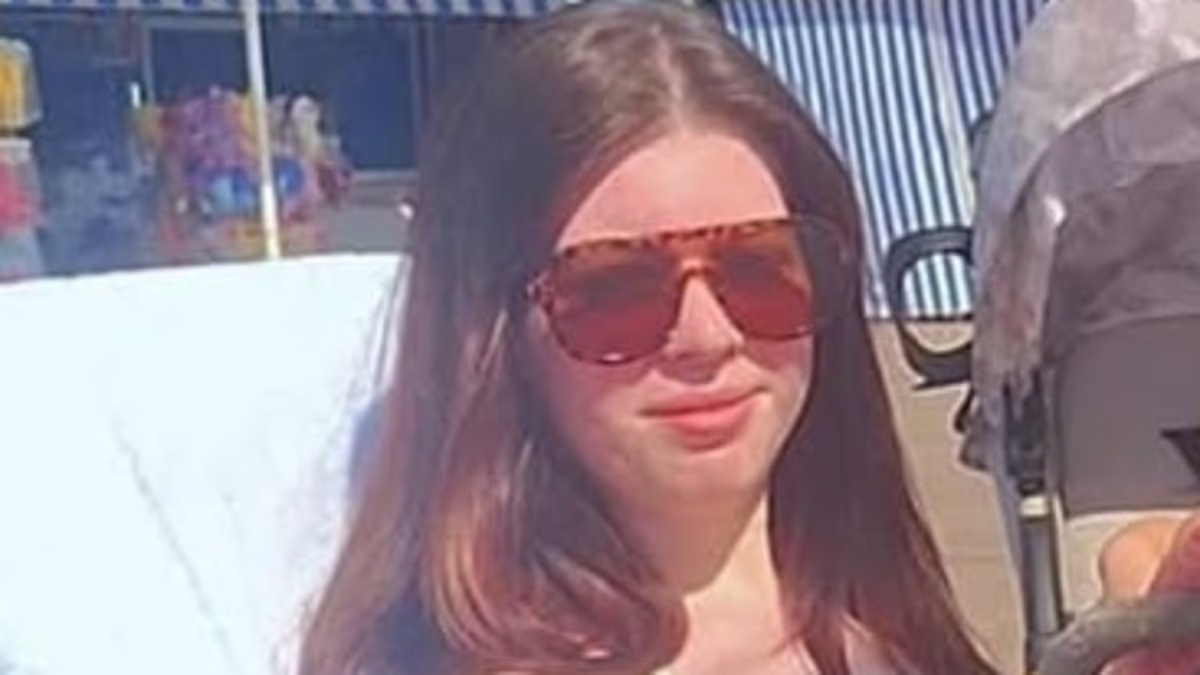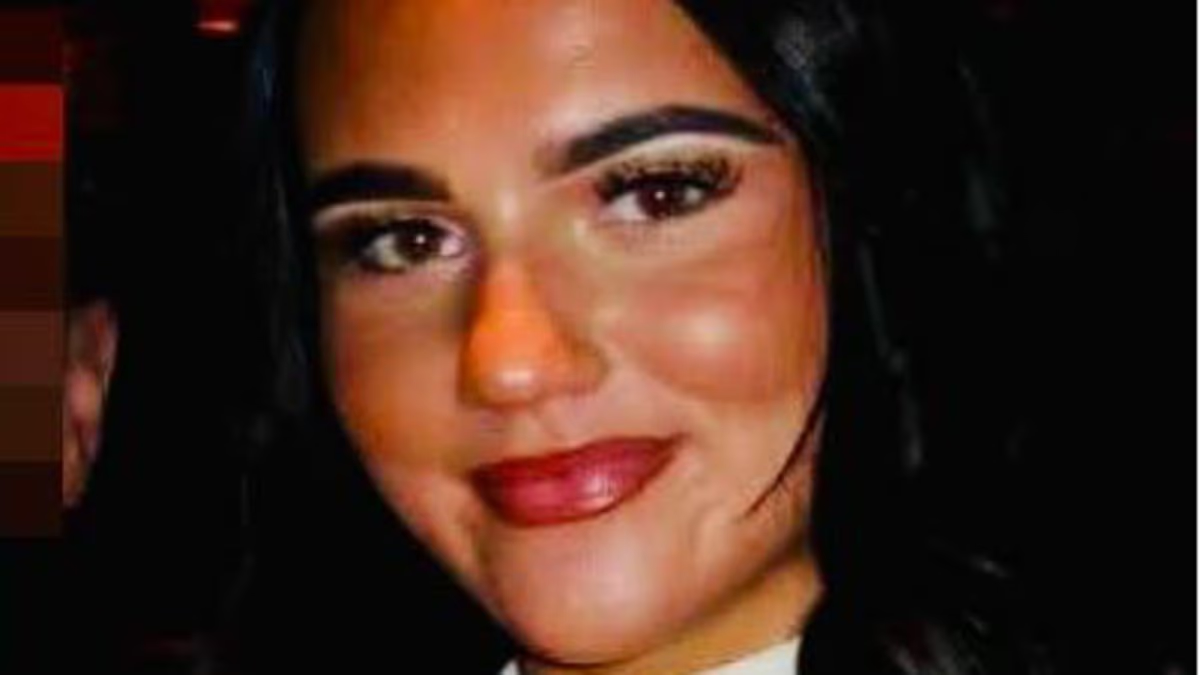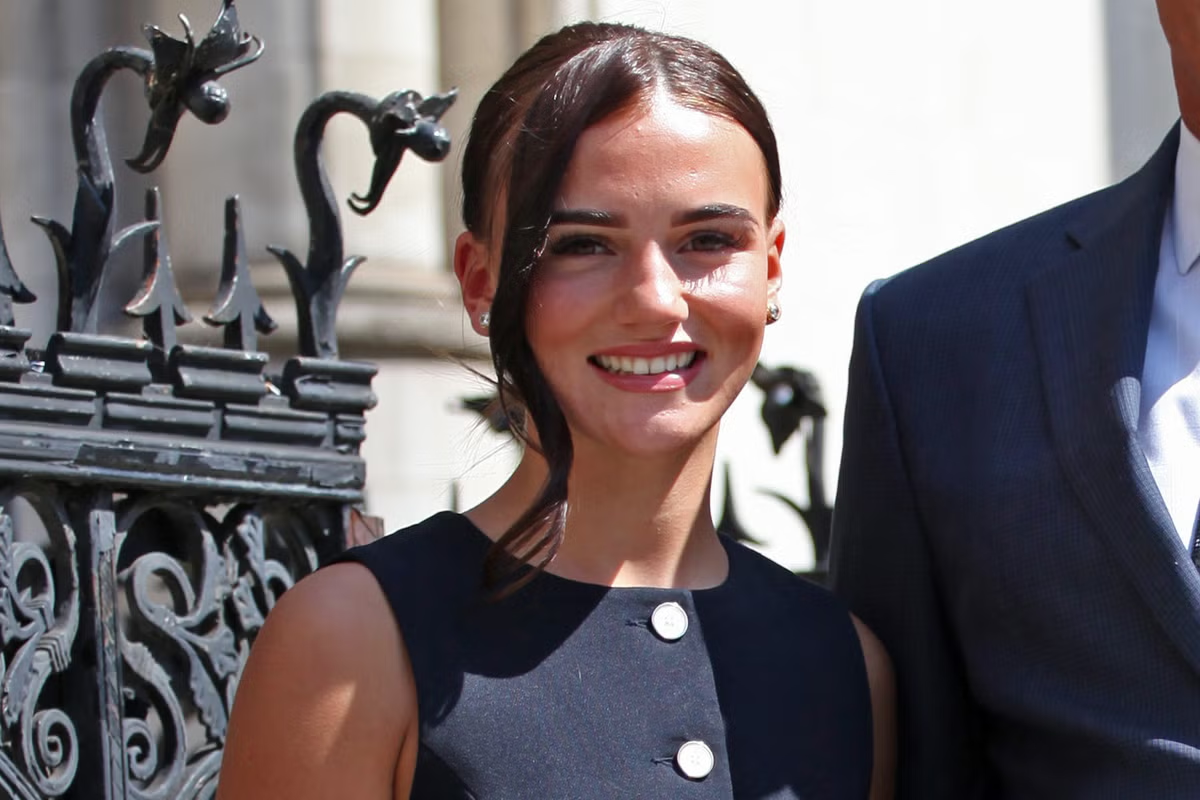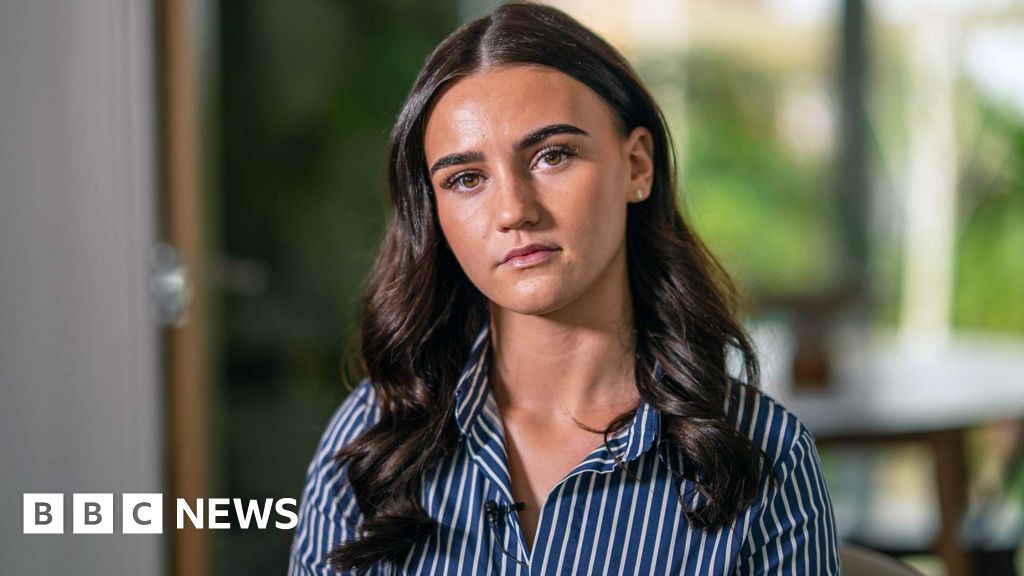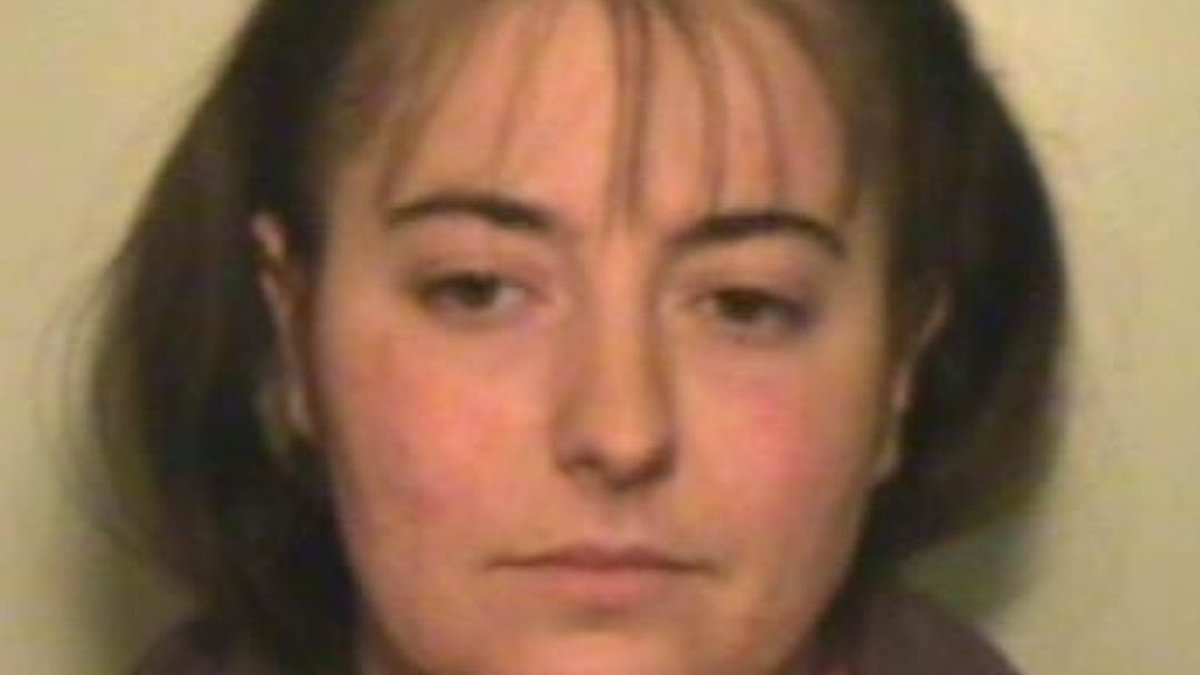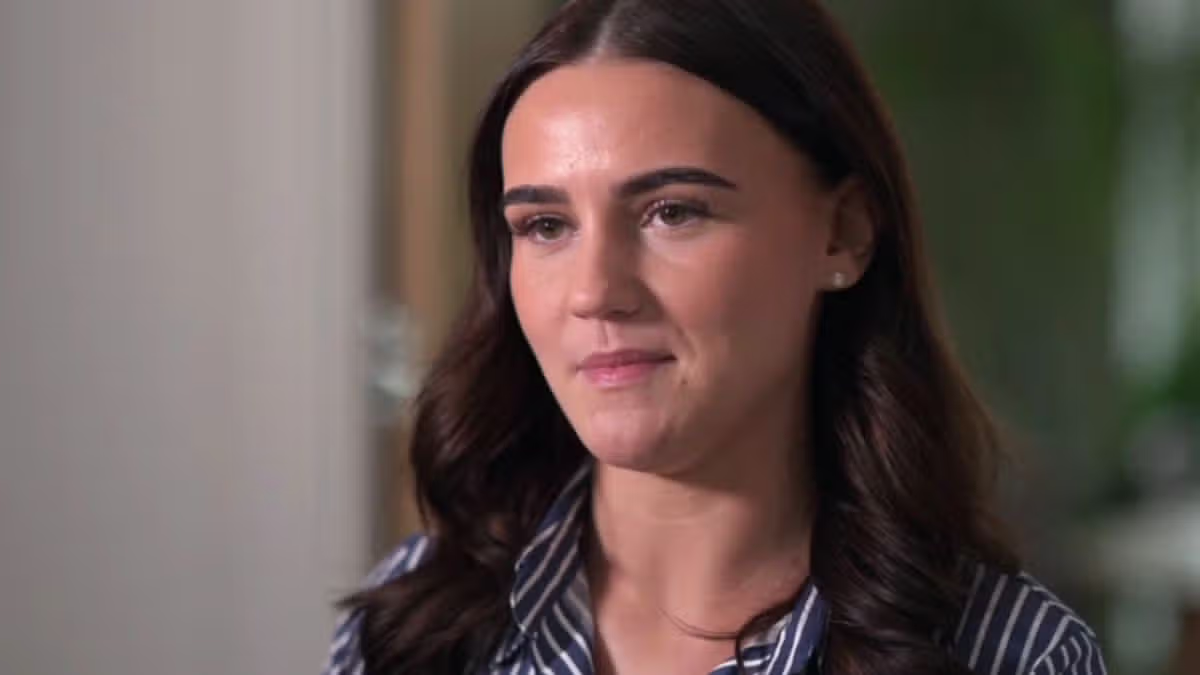
Sasha-Jay Davies, from Rhondda Cynon Taf, Wales, had her identity stolen by Elha Mai Weston, who orchestrated an expansive catfishing campaign and amassed 100,000 followers12:57, 17 Jul 2026A teen girl had her identity stolen and abused by a serial catfisher who set up profiles to fool men into thinking the 19-year-old was their girlfriend.Sasha-Jay Davies, from Aberdare in Rhondda Cynon Taf, Wales, had photographs stolen from her online profiles by Elha Mai Weston - another teenager living in the same Welsh town - who posed as the teen to strike up relationships with men and friendships with other women. The nightmare, Sasha-Jay said, started when she was just 16, and an account emerged on TikTok using her picture.Despite contacting police, the campaign continued for nearly four years across platforms including Tinder, Hinge, Snapchat, Instagram, Facebook and even SoundCloud until Sasha got lawyers to track down her abuser.Weston used Sasha-Jay's identity to amass 100,000 followers between 2022 and 2026, and used her profiles to strike up romantic conversations with strangers online in conduct that continued even after the teen submitted reports to platforms on which the catfishing was taking place.In some cases, the accounts were used to fool men into thinking they were in a relationship with the teen, leaving her fearful to leave her home after she was approached in real life.The teen said she was also thrown into a panic when people would stare at her in public, fearing that they could be another person fooled by Weston into believing they were in a relationship. In one case, London's High Court heard, Sasha-Jay was approached by a man believing the two were in a serious relationship after exchanging messages with one of Weston's fake accounts for months.Although Sasha contacted police about the abuse, it was only after an appearance on the BBC's 'This Morning' that most of the accounts were deleted.Miss Weston was then identified by Sasha's lawyers, Cohen Davis Solicitors, through an open-source intelligence investigation which connected the fake persona's network of accounts to her real identity. She sued the identity thief at the High Court in London and has now won a £10,000 compensation payout after Weston admitted through lawyers that she was to blame and apologised before a judge.Weston, the court heard, had engaged in a "sustained campaign of online impersonation". Weston's persistent catfishing utilised Sasha-Jay's pictures for multiple fake accounts run under the names "Sophie" and "Sophie Kadare".The High Court also heard that accounts had used AI-generated images based on the teen's likeness, and following a police investigation, she has apologised and admitted to carrying out the four-year catfishing campaign. The catfisher has agreed to pay Davies £10,000 in compensation after accepting her "conduct was wrongful" and having acknowledged that she caused Sasha-Jay "very significant distress and suffering".The court heard that Weston "deeply regrets her actions and apologises to Miss Davies wholeheartedly and unreservedly for everything she has been put through". Speaking afterwards, Sasha said: "For four years someone else was living a life as me, talking to men as me, while strangers approached me in the street believing they knew me."I reported it over and over and was made to feel nothing could be done. I stopped feeling safe leaving the house. Hearing her admit in court that it was her, and apologise, means I can finally start getting my life back. I want other girls going through this to know it is not hopeless, the person doing it can be found."The settlement, part of a binding civil justice agreement named a Tomlin Order, comes with an agreement not to repeat her conduct in the future. In a settlement statement given in court with the agreement of Weston, Sasha's barrister Chris Zabilowicz said her ordeal began when she was only 16 and continued until this earlier year."Miss Weston engaged in a sustained campaign of online impersonation, commonly known as catfishing, of Miss Davies," he told Mr Justice Fordham."Miss Weston created and operated numerous accounts under the fictitious identity 'Sophie' and variants thereof, including 'Sophie Kadare'. Those accounts collectively accumulated more than 100,000 followers and used photographs - and, in due course, AI-generated imagery - of Miss Davies without her knowledge or consent."Through those accounts, Miss Weston communicated with a large number of individuals, including by way of personal and romantic conversations."As a consequence, Miss Davies has been approached on a number of occasions by members of the public who had interacted with the 'Sophie' persona and believed they had a genuine connection with her. On one occasion, a man showed Miss Davies messages he had exchanged with one of the fake accounts over a period of months, having believed throughout that he was in a romantic relationship with Miss Davies."Mr Zabilowicz said Weston had accepted "that her conduct was wrongful," continuing: "She further acknowledges the very significant distress and suffering it has caused Miss Davies.""Miss Weston deeply regrets her actions and apologises to Miss Davies wholeheartedly and unreservedly for everything she has been put through." Any breach of the order could result in her being hauled back before a judge for contempt of court, with the risk of a jail sentence.Speaking afterwards, Sasha's solicitor Yair Cohen said: "For four years, Sasha did everything right. She reported it to the platforms and to the police, and she was failed, because the person behind the accounts was anonymous and everyone treated anonymity as the end of the road.Article continues below"It is not. We identified her using open-source intelligence, from the traces her own accounts left behind. Once a catfish loses their anonymity, the campaign collapses."Catfishing is one of the most misunderstood forms of online abuse. People imagine a distant stranger, but in case after case we have handled, including this one, the person behind the accounts was somebody within the victim's own world. There is no offence called catfishing on the statute book, but the conduct around it - harassment, misuse of private information, breach of data protection law - is unlawful, and the civil courts can deliver identification, compensation and enforceable protection."This matter is also not over. Now that we have the evidence and an acknowledgement of wrongdoing in open court, we will be asking the police to investigate."
Teen social media queen had identity stolen by woman for catfishing spree
Sasha-Jay Davies, from Rhondda Cynon Taf, Wales, had her identity stolen by Elha Mai Weston, who orchestrated an expansive catfishing campaign and amassed 100,000 followers
1,034 words~5 min read