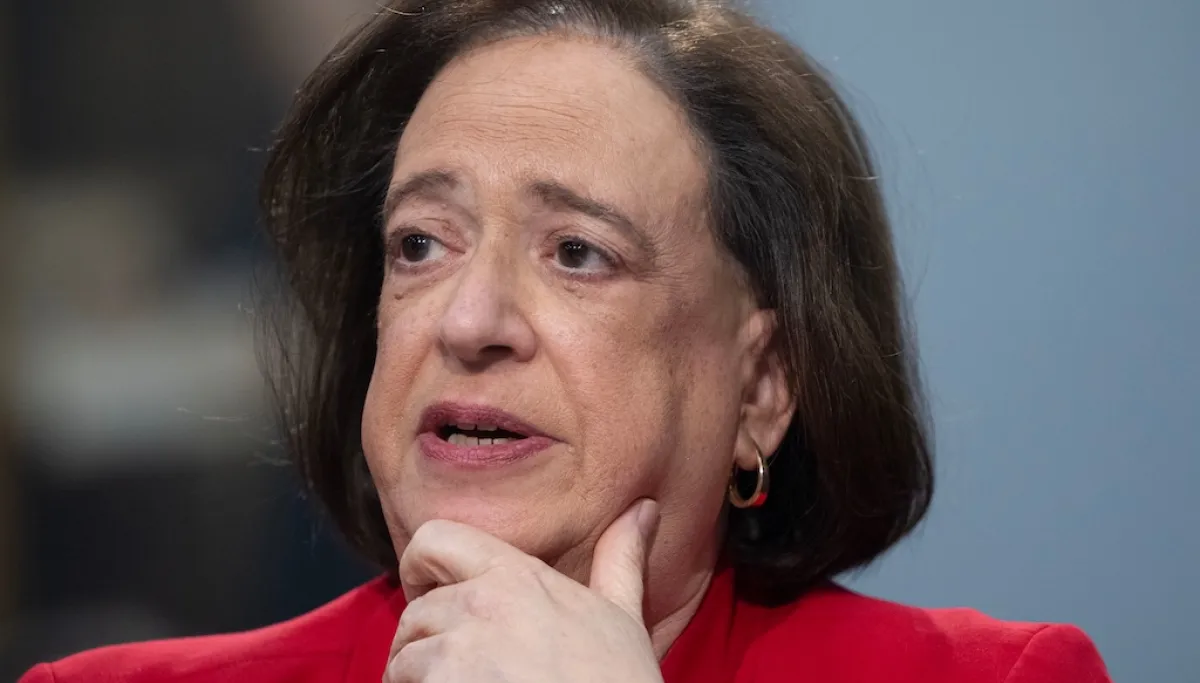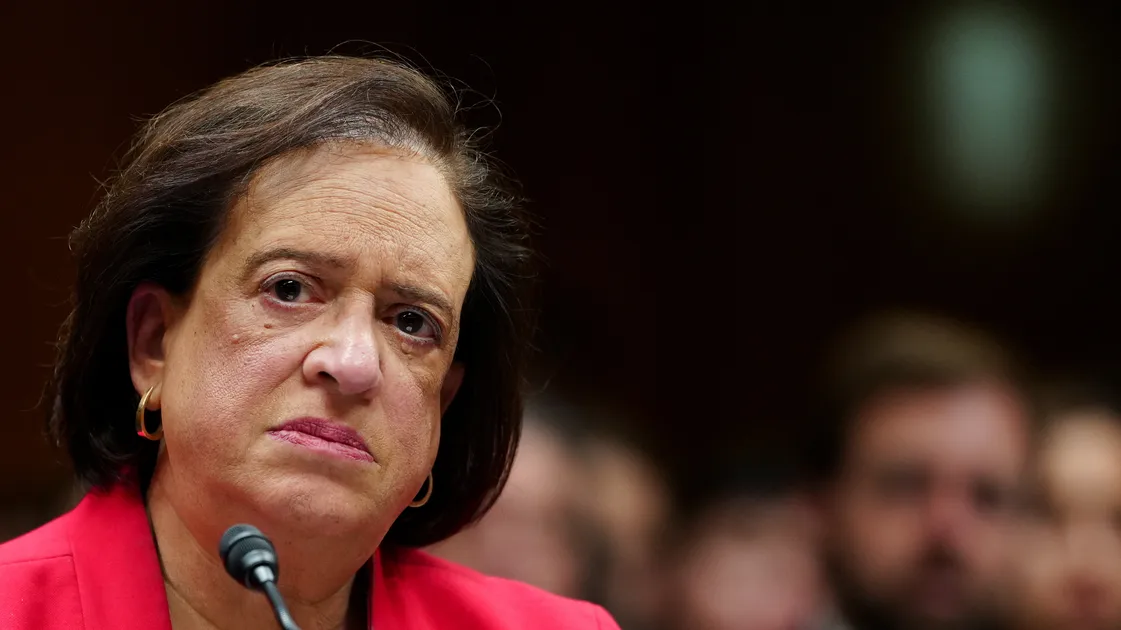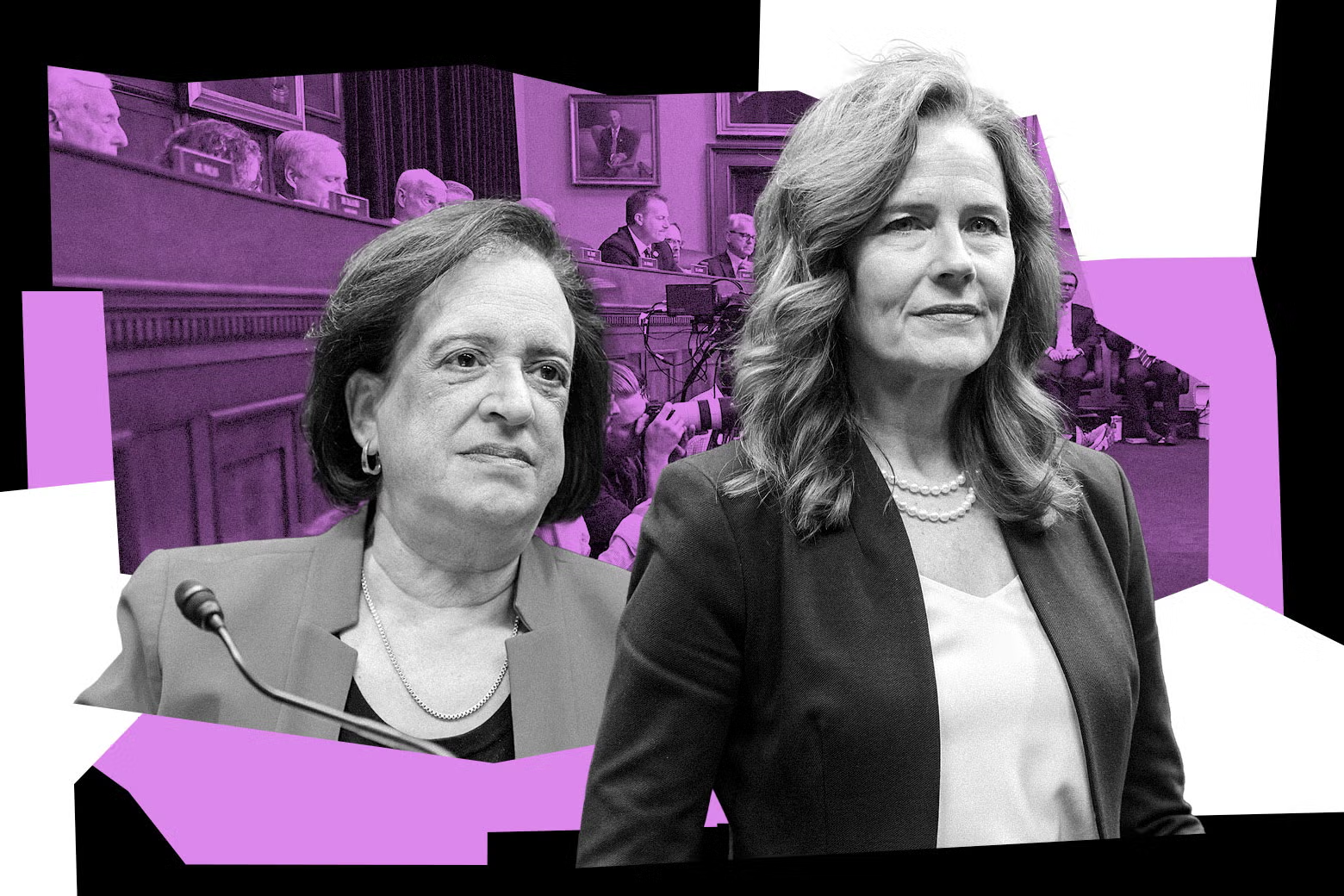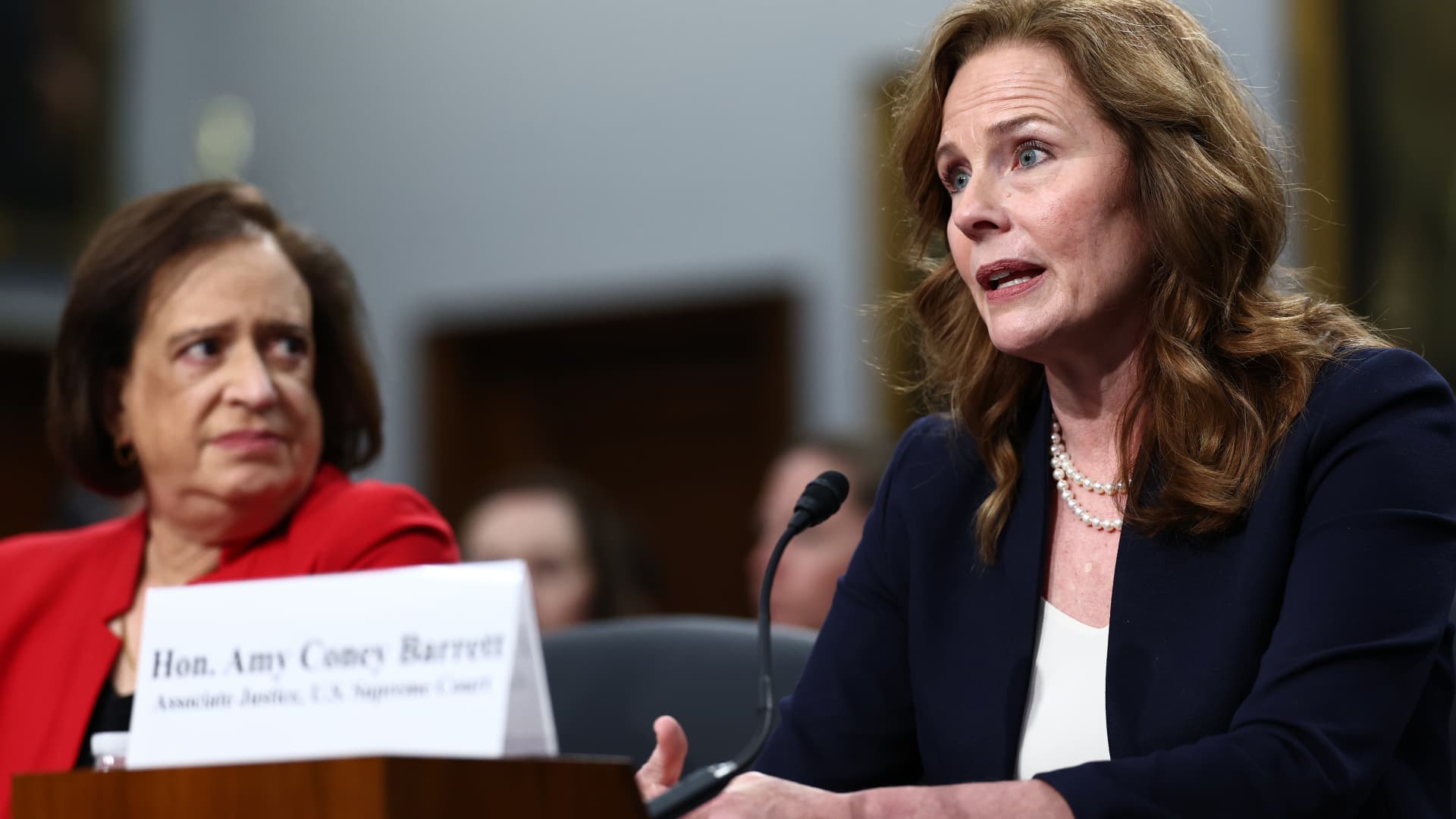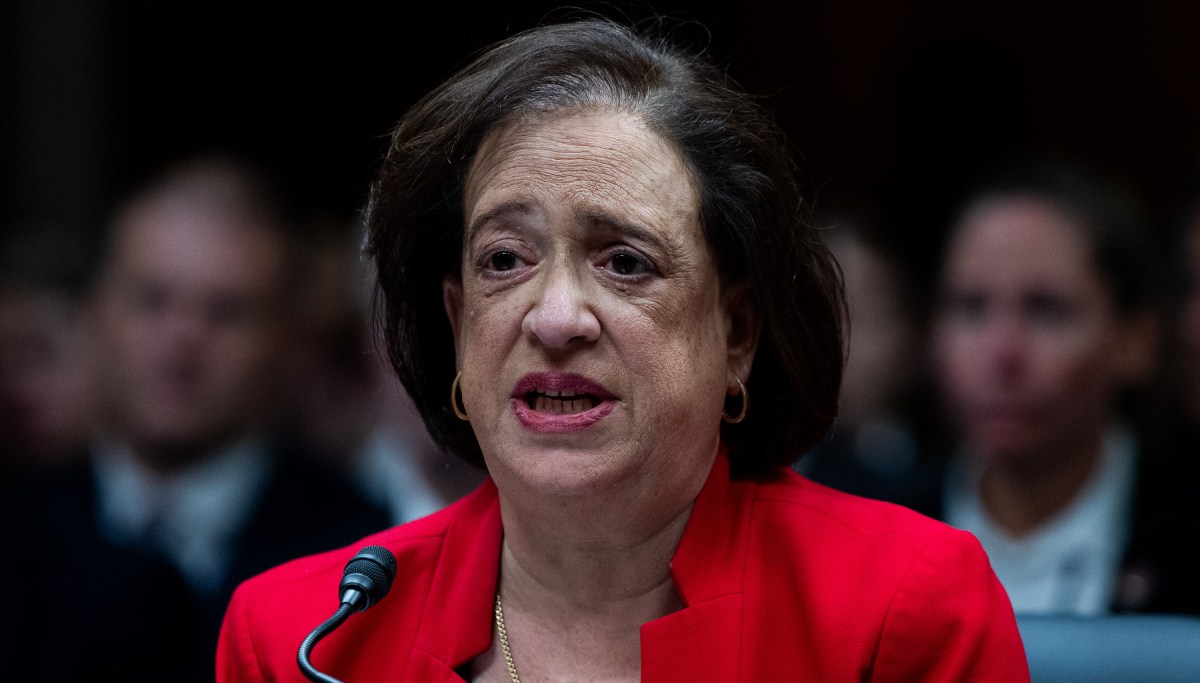
Justice Elena Kagan should recuse herself from Suncor Energy v. Boulder County. Not because a lower court told her to. Not because an ethics board ruled against her. Because the oldest test in the profession says so: would a reasonable, informed observer question her impartiality? Here, the answer isn’t close.I spend a good part of my career serving as an expert witness in securities and fiduciary litigation. Before I say a word to counsel, I clear conflicts, in writing, every time. Not because I’m worried about actual bias. Because the standard doesn’t ask whether I feel biased. It asks whether a reasonable person, looking at my history with the parties or the subject matter, would wonder. If the answer is yes, I will step aside. No hearing required. No committee vote. That’s the discipline the profession imposes on people far less consequential than a sitting justice of the Supreme Court.Federal law imposes the identical standard on judges, Kagan included. Under 28 U.S.C. § 455(a), a justice must disqualify himself in any proceeding in which his impartiality might reasonably be questioned. Courts have described this as a purely objective inquiry. It doesn’t turn on whether the judge actually harbors bias, only on how the situation looks from the outside.
Kagan's climate conflict is obvious — recusal shouldn't be optional
Federal law says judges "shall" recuse when impartiality is in question. Supreme Court Justice Elena Kagan is deciding for herself whether that applies to her.
737 words~3 min read