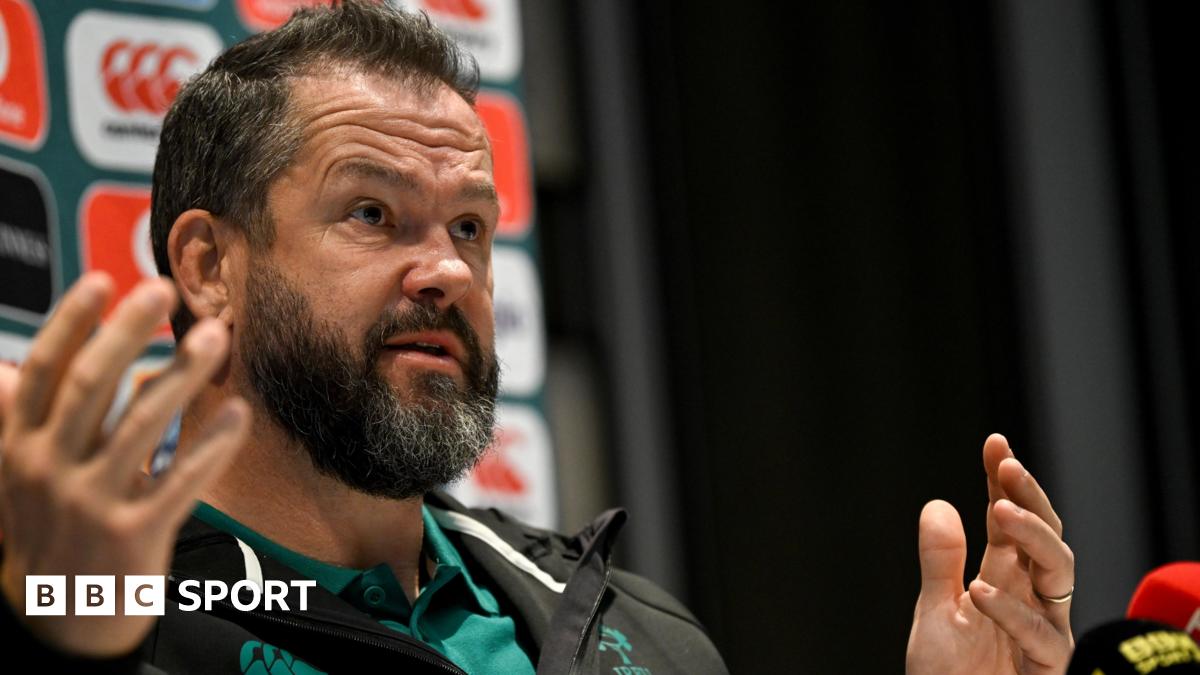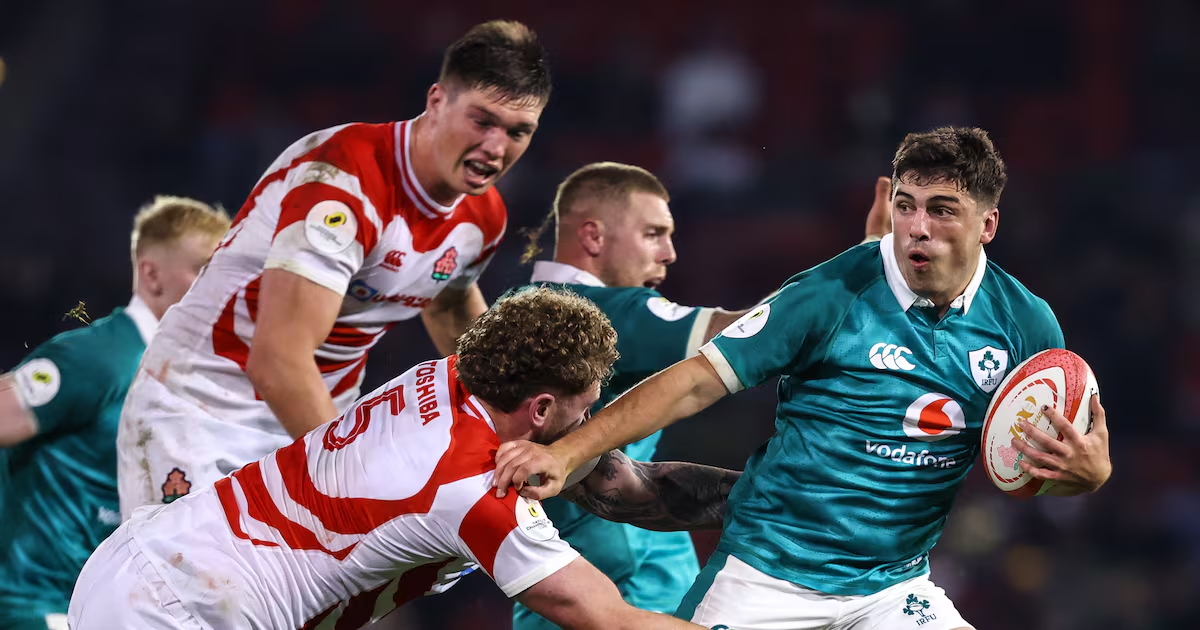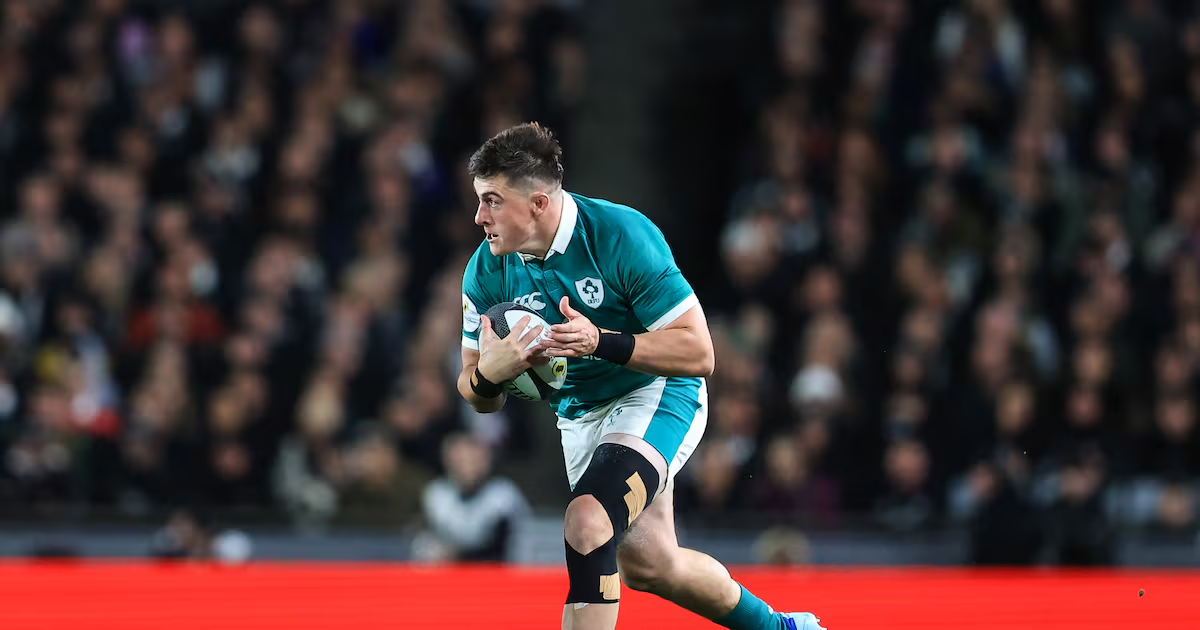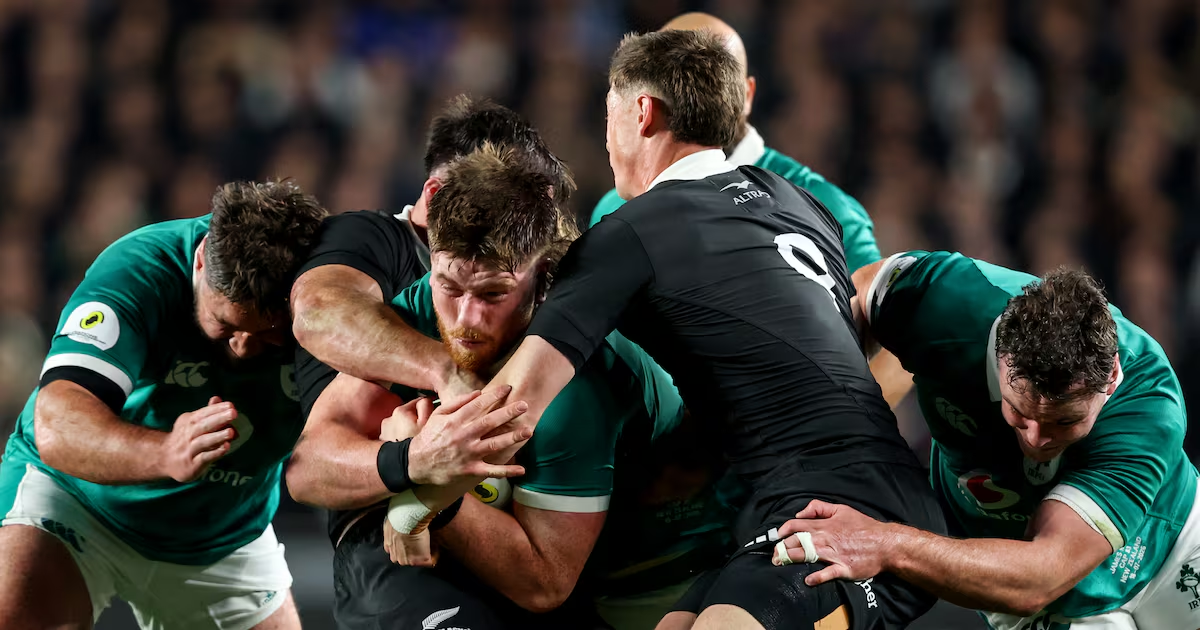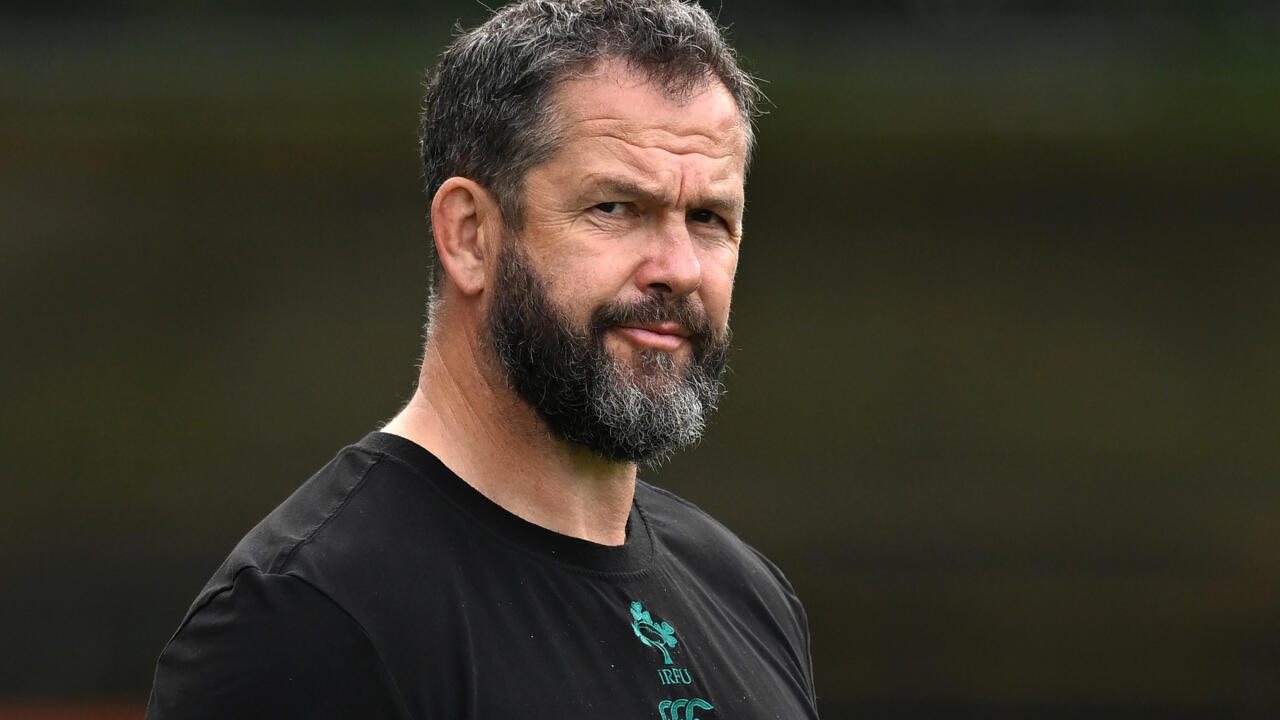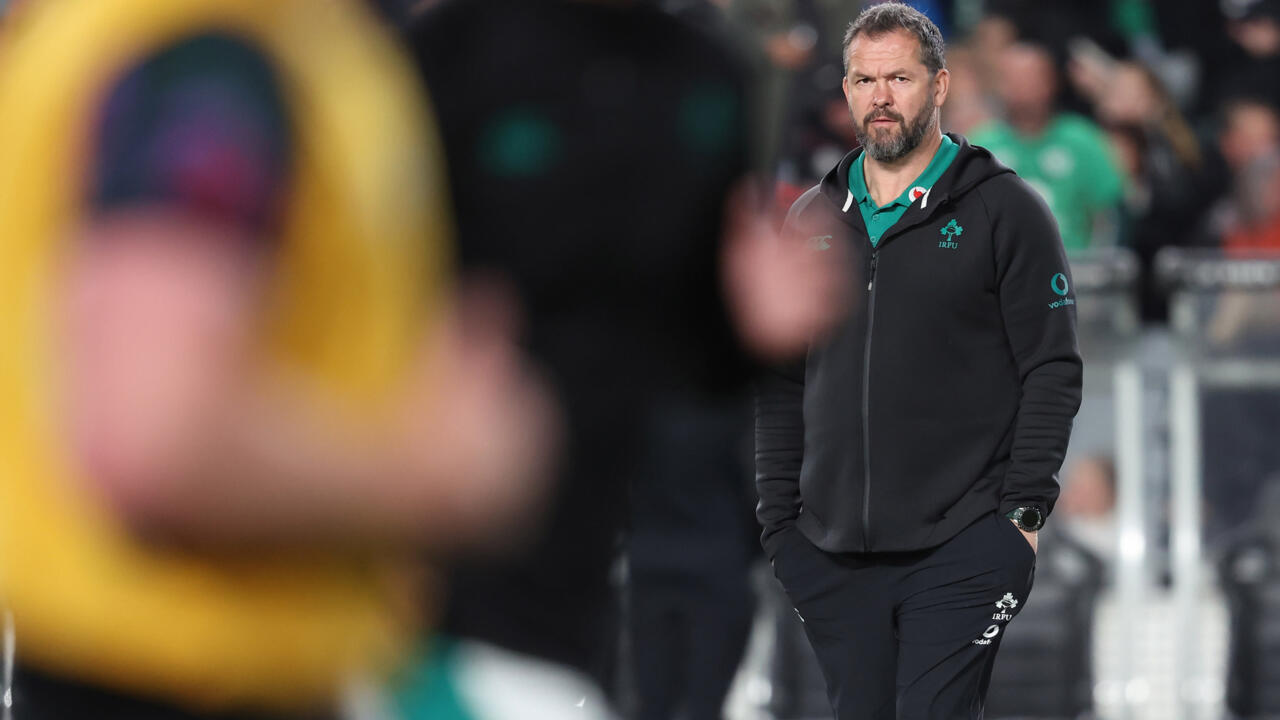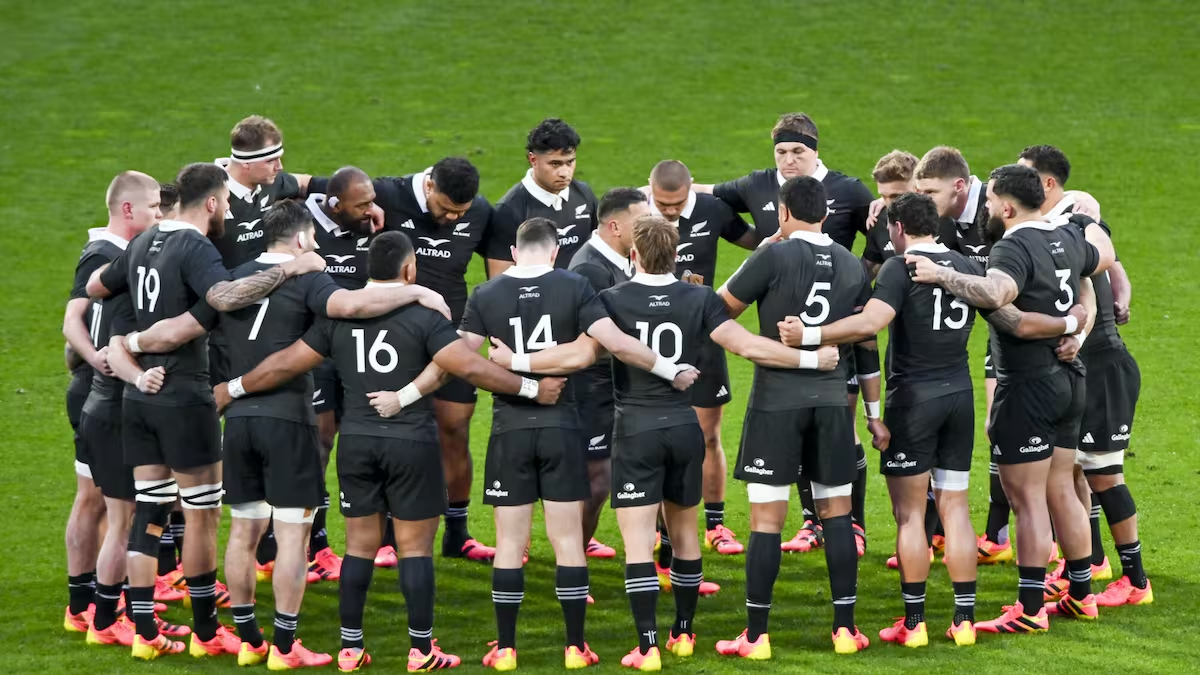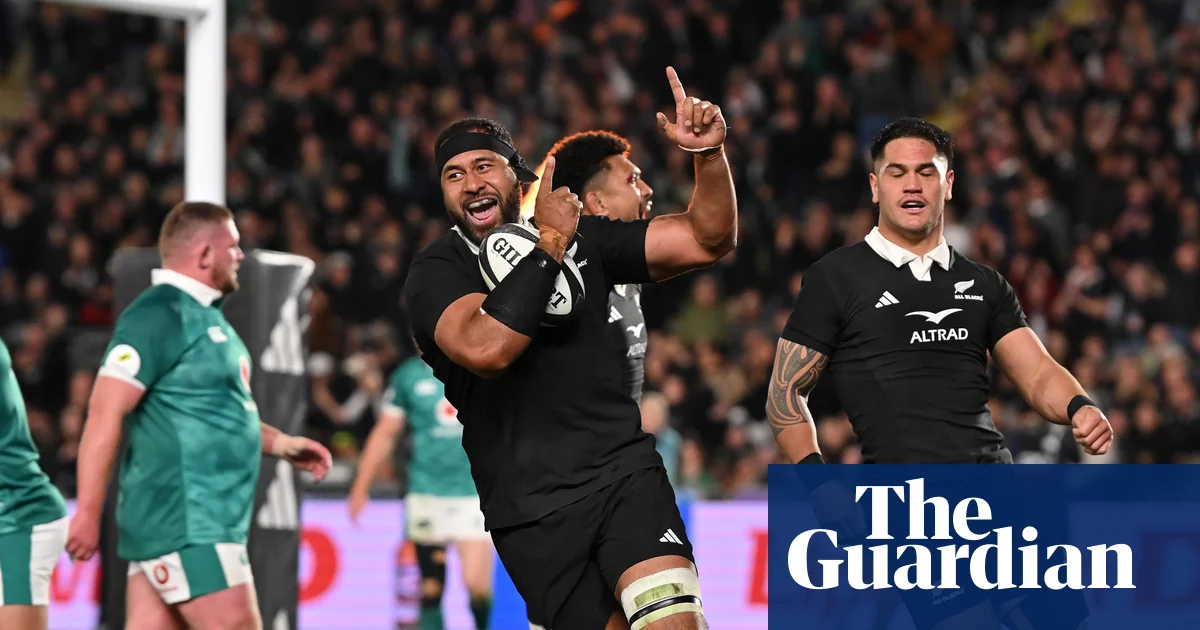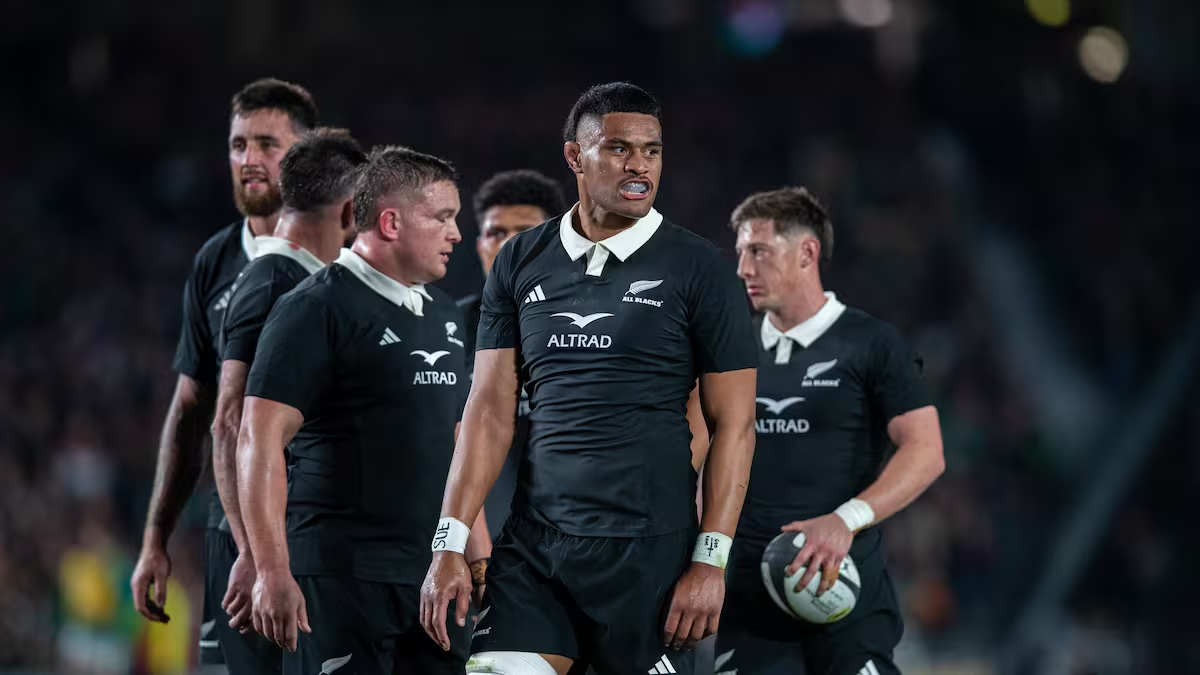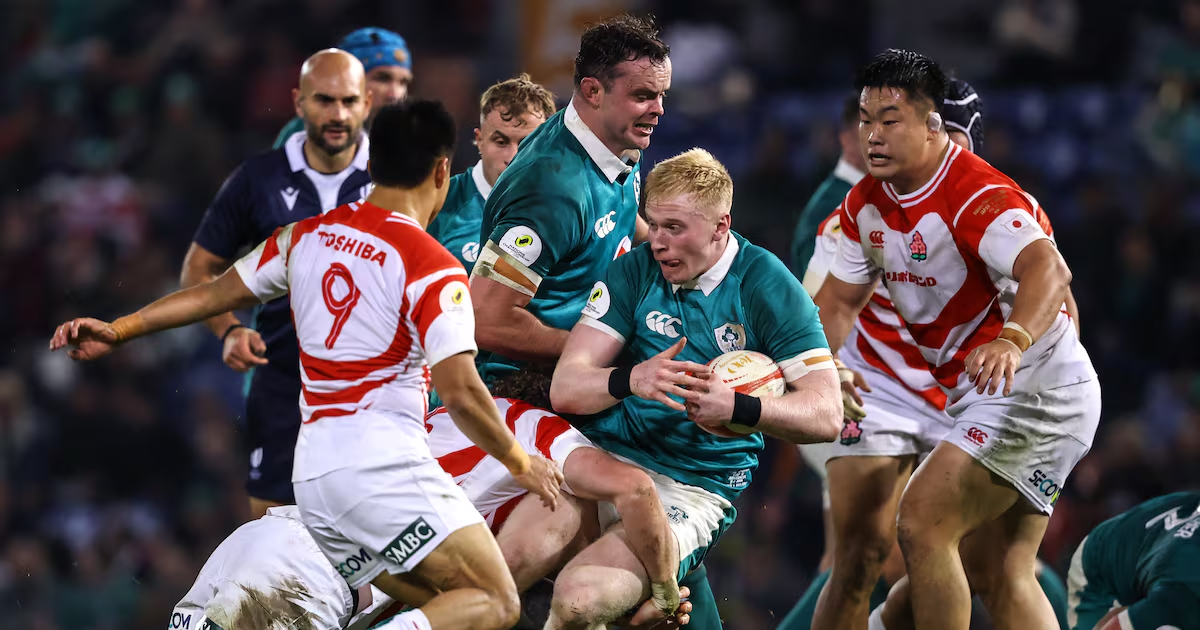
Is Ireland’s backline most effective as the sum of the parts playing to pattern or is there enough instinctive, individual flair to colour outside the lines, to seize the moment on any given Saturday? The jury’s out.That wasn’t the question that former Leinster, Ireland and Lions fullback Rob Kearney was asked but he effectively addressed it while giving a comprehensive response to a mundane inquiry as to whether he liked the composition of the backline for Saturday’s Test against New Zealand in Eden Park.He paused, replying “it’s the best we have” before going into a deeper dive on the personnel. “I think Jamison [Gibson-Park] is by far Ireland’s most important player. That’s not new. Sam [Prendergast] has had a really good finish to the season, but we all know there are areas, flaws of his game, that he desperately needs to continue to work on.Underdog Ireland gear up for All Blacks test Listen | 23:52“You just hope they’re not exposed too much in the big games. The centre partnership. Stu’s [McCloskey] had a wonderful season, the best of his career. I’d like to see Garry [Ringrose] get on the ball a little bit more. Not that he’s turning into a crash-ball centre, but he’s taken a fair bit of ball into traffic.“That’s not necessarily his fault. He’s not getting the opportunities to have a gallop in open space. I think that’s something I’d like to see a little bit more. And then the back three. Hugo’s [Keenan] Hugo. You’re always going to get exceptional performances from him.“It’s good to see Rob Baloucoune back. He’s the one true bit of X-factor in the back line. It’s important to have a player in your backline who can change a game. We see how important it is to the likes of France, South Africa, New Zealand. They have those players in abundance, and they can be match winners. It’s important he’s back on the field.”Ireland head coach Andy Farrell preferred Jimmy O’Brien to Jamie Osborne for the number 11 jersey that Jacob Stockdale wore against Japan. Osborne started the game at fullback and switched to the left wing. O’Brien played the 80 minutes on the right wing. Kearney said: “Jamie probably didn’t have his best game against Australia [on the left wing]. It’s hard for him playing a new position defensively. The wing is a difficult defensive position to play, particularly under Andy’s system and how he likes to play. I’m not sure where his [Osborne’s] favourite position is; I’m not [even] sure where his best position is.“But you would hope he will get consistent opportunities to play in one position because it’s very, very difficult to try to be an international-level [player] at three positions. Overall, I think [the backline selected] is the best [available] we have. I know they can do damage to the opposition. You’d probably just like to see them get a few more opportunities to show what they can do.”New Zealand scrumhalf Cam Roigard in action against Italy last weekend. Photograph: Phil Walter/Getty Images Ireland’s defence, which excelled against Japan for the most part, is going to have to level up on Saturday. New Zealand look to shift the ball immediately from quick ruck possession and don’t wait around for scrumhalf Cam Roigard to do so. There is no getting into shape first. The All Blacks have a run-and-gun philosophy.France have a similar philosophy. There have been times when Ireland have struggled against teams that adopt the fast approach. So how do you negate it? Kearney said: “Honestly, it all starts at the breakdown.“The breakdown is the heartbeat of the rugby game, both sides of the ball. If you get a quick ball, it means you can play on top of the opposition and they’re under pressure to get set, to get their spacing. It starts with the tackle.“We’ve got to slow the New Zealand ball down. If it means two guys on the tackle trying to hold them up. It’s difficult against the French because they’re so good at winning collisions. Same with South Africa. They don’t rely as much on that real quick tempo to play on top of [teams] because they know they can create a quick ruck speed whenever they want. “It all starts with defence, wrestling with the New Zealand guys. You’re trying to choke tackle. Slower ruck ball can have a big impact on defensive line speed and your ability to make good decisions thereafter.”And what of nullifying or mitigating Roigard’s influence? “It goes back to the ruck and the tackle. If you can slow the ball, he has less options and less time. He’s a triple threat. He’s got a great kicking game. He can take the line on. He’s strong, fast with good footwork. He has it all. I’m sure Ireland will have some sort of plan in place.”That last sentiment will apply to the attacking side of things too.Catch all the action live on Virgin Media Play and Virgin Media One
Rob Kearney on Ireland v New Zealand: ‘This backline is the best we have available’
The former fullback discusses Ireland’s line-up for Saturday’s daunting clash in Eden Park and the key challenges facing Andy Farrell’s side
832 words~4 min read