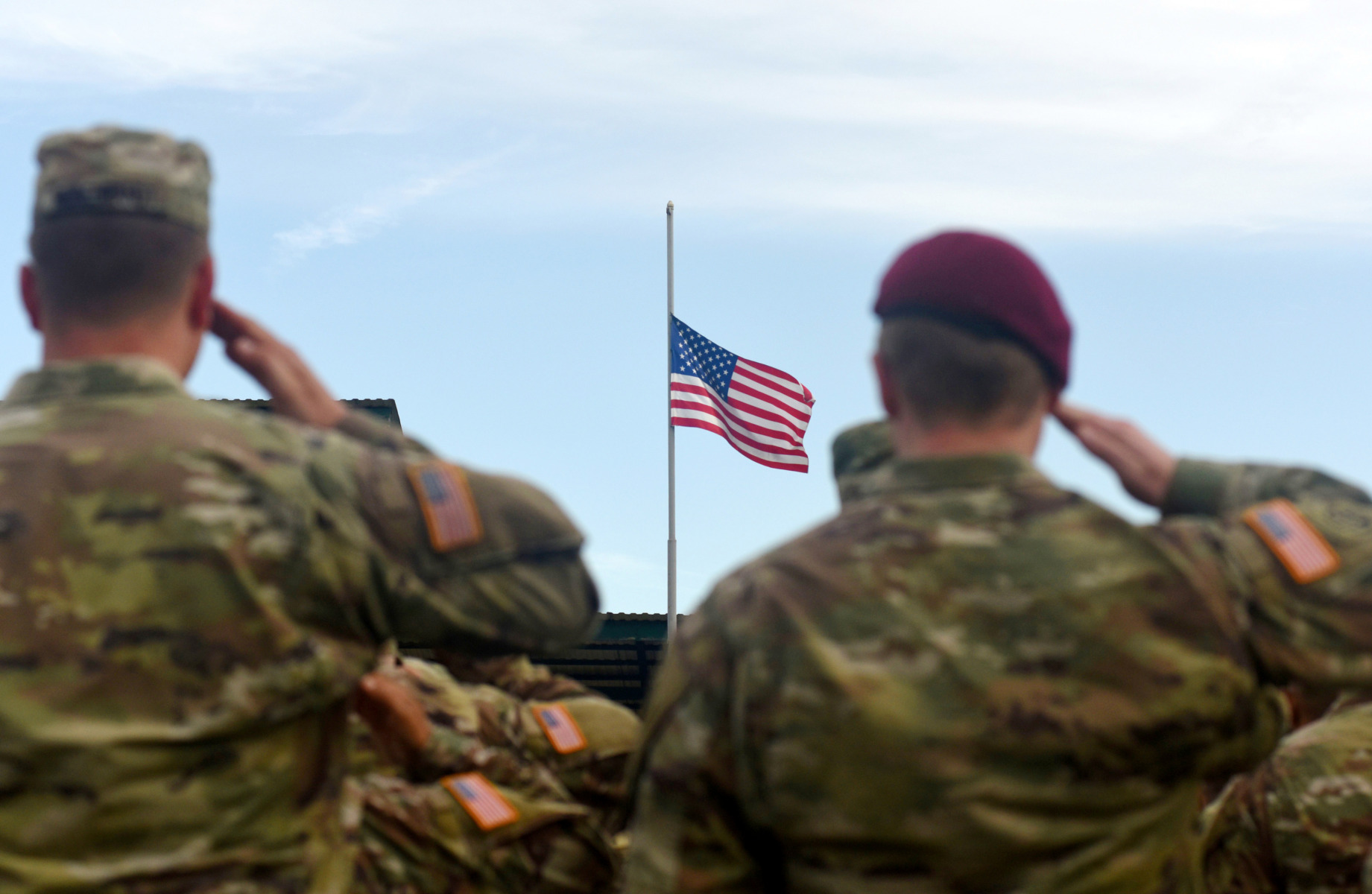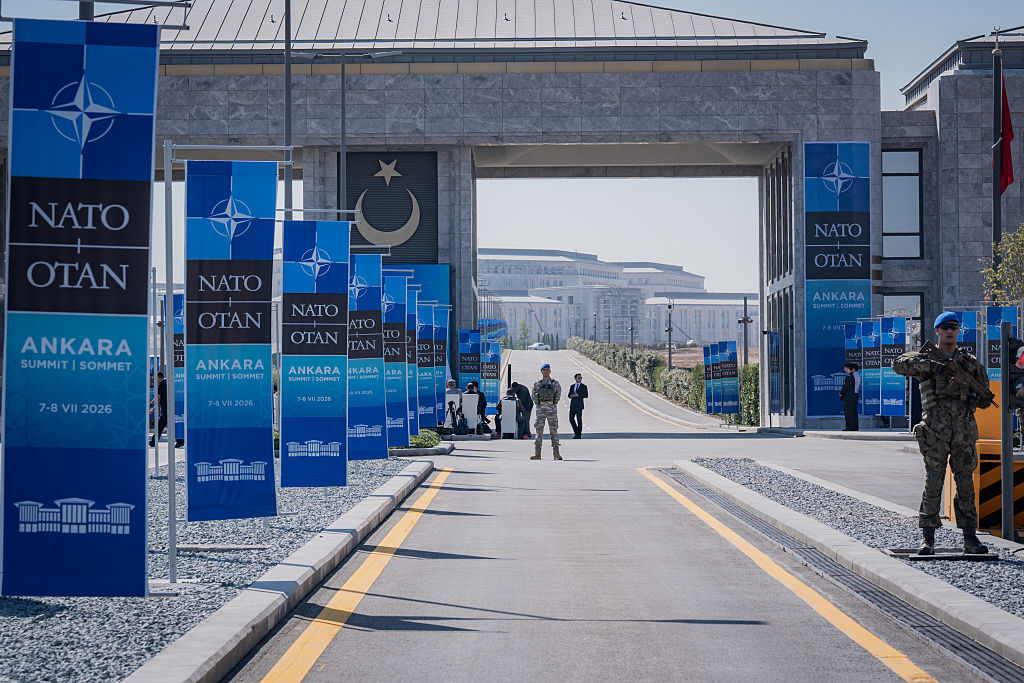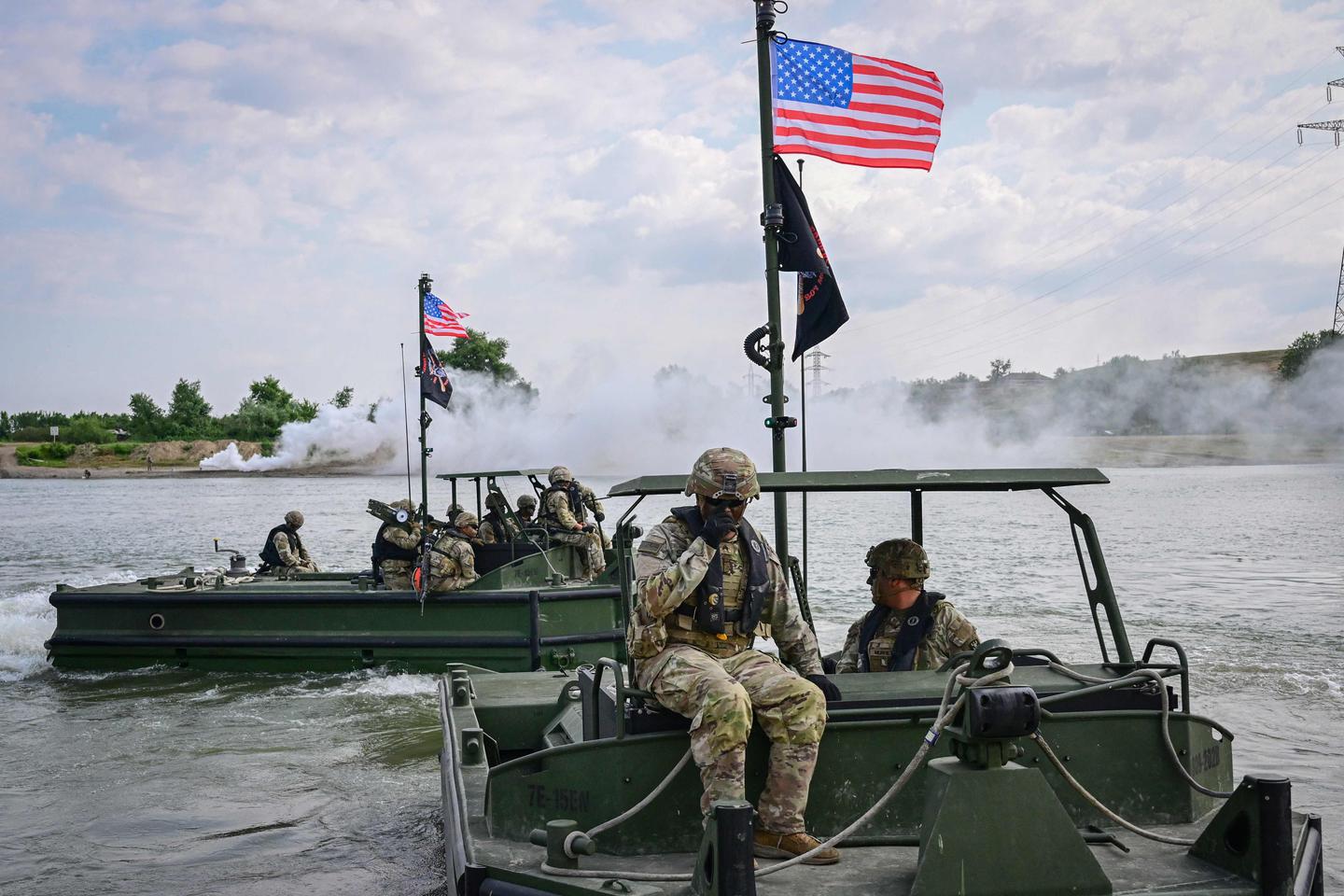
As Estonia’s Defense Minister Hanno Pevkur prepared to fly to the NATO summit in Ankara this month, he revealed to local journalists that several hundred US troops deployed to his Baltic nation in the winter had quietly been withdrawn – with no clear sign of when or whether they might return.
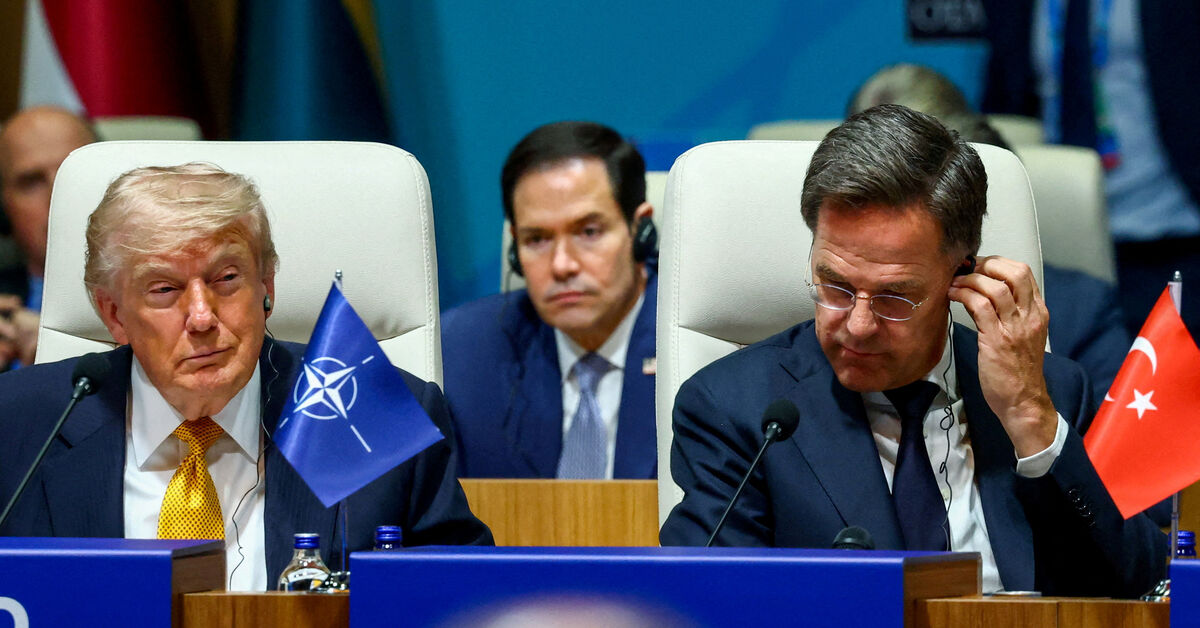
At the Ankara gathering itself, delegates from the Baltic states and Poland proudly wore badges proclaiming themselves members of the “five percent club,” the only nations in the NATO alliance to have already reached the spending target set at last year’s meeting in The Hague – a status they had believed until recently would secure them lasting US military backing. Despite some of the most outspoken behavior yet by US President Donald Trump at a major international gathering, NATO officials including Secretary General Mark Rutte claimed it as a victory, pointing to a string of new defence deals, increases in European spending and an “ironclad” commitment to mutual assistance.
However, many of those commitments – including a nine-nation defense bank led by Canada and a long-range strike missile consortium worth $50 billion and involving a dozen countries – will take years to deliver.
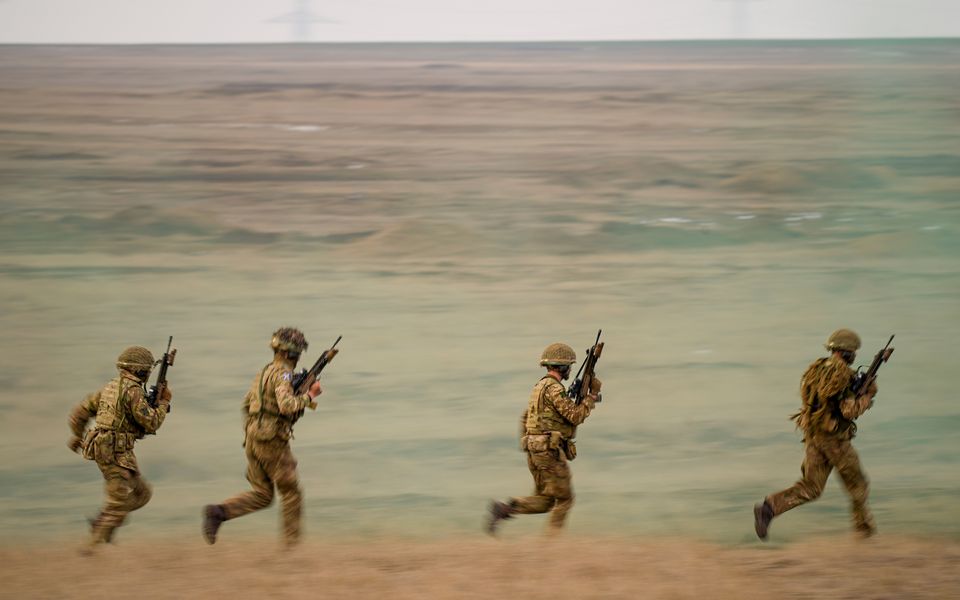
In public, even Trump-sceptic leaders such as Canadian Prime Minister Mark Carney praised the US president for putting pressure on NATO members to increase their spending. Meanwhile, what is actually happening on the ground this summer is that the US has now pulled back its forces from some of the most vulnerable areas in Eastern Europe just as worries grow that a Kremlin increasingly publicly humiliated by Ukraine’s long-range drone and missile strikes deep into Russian territory might be tempted to lash out.