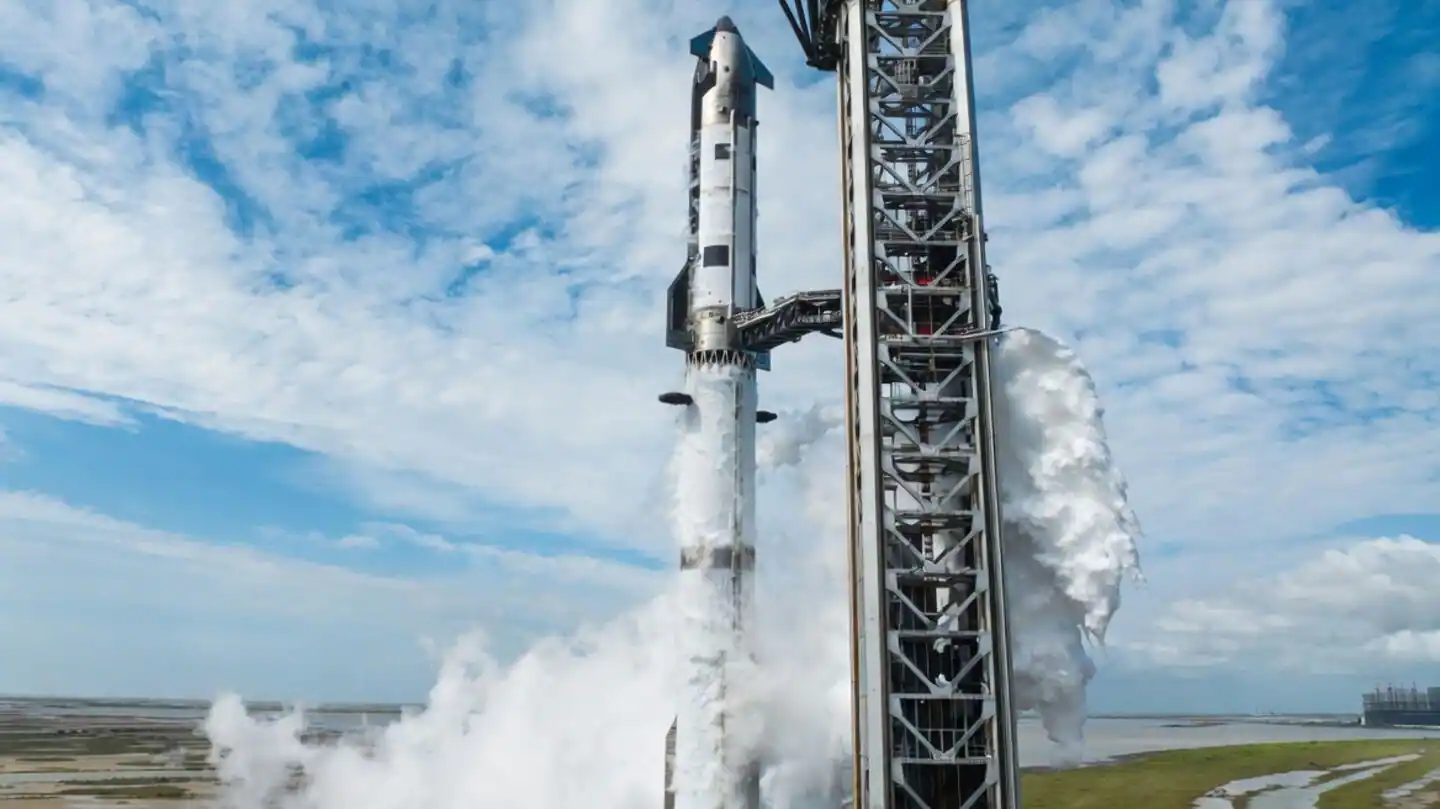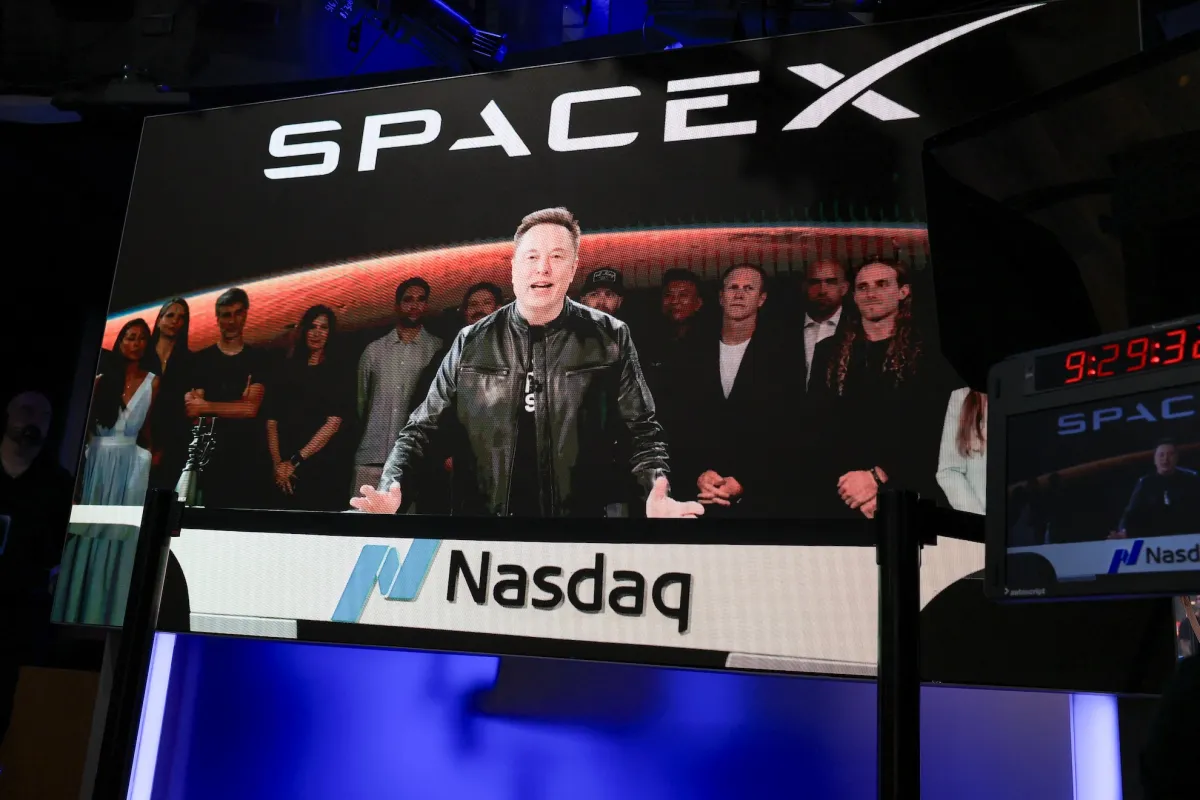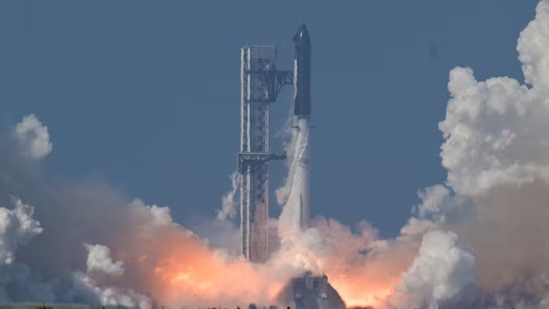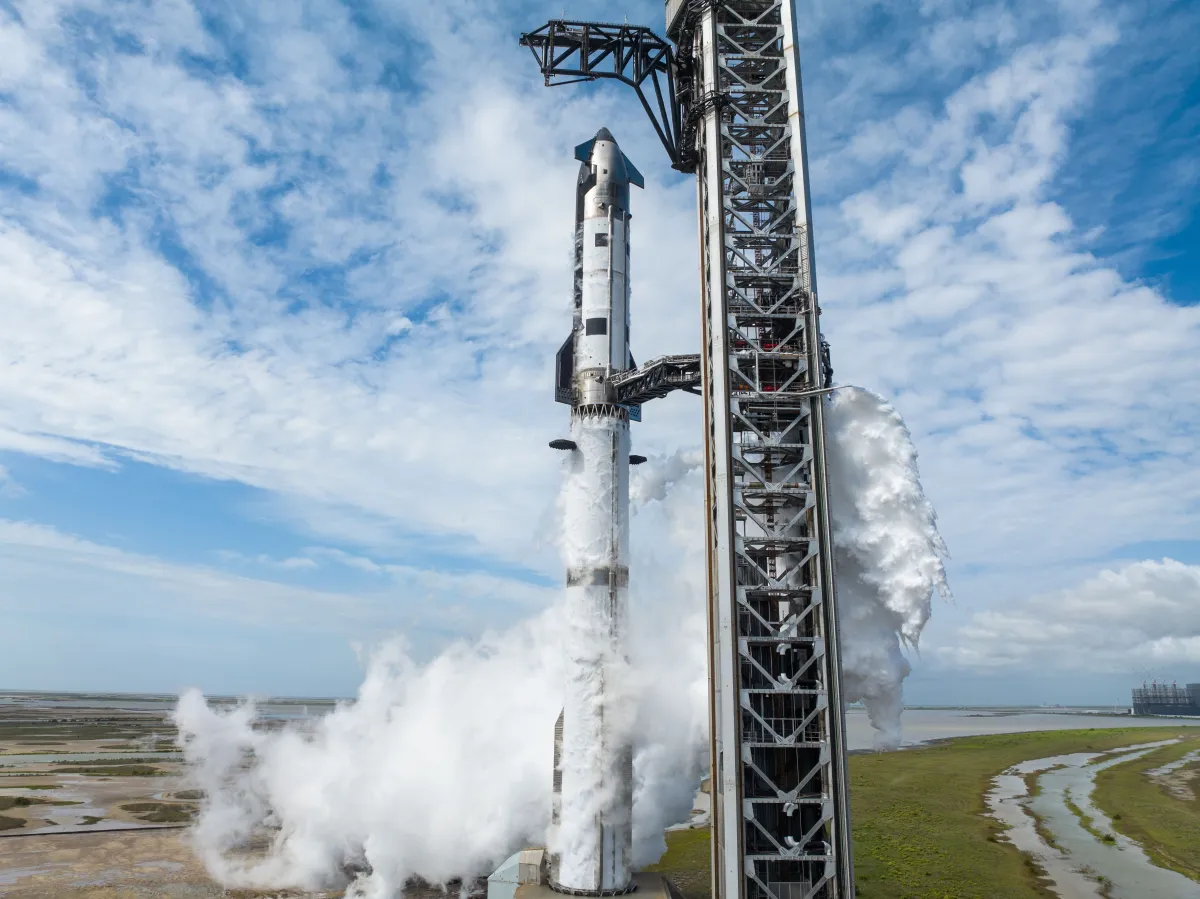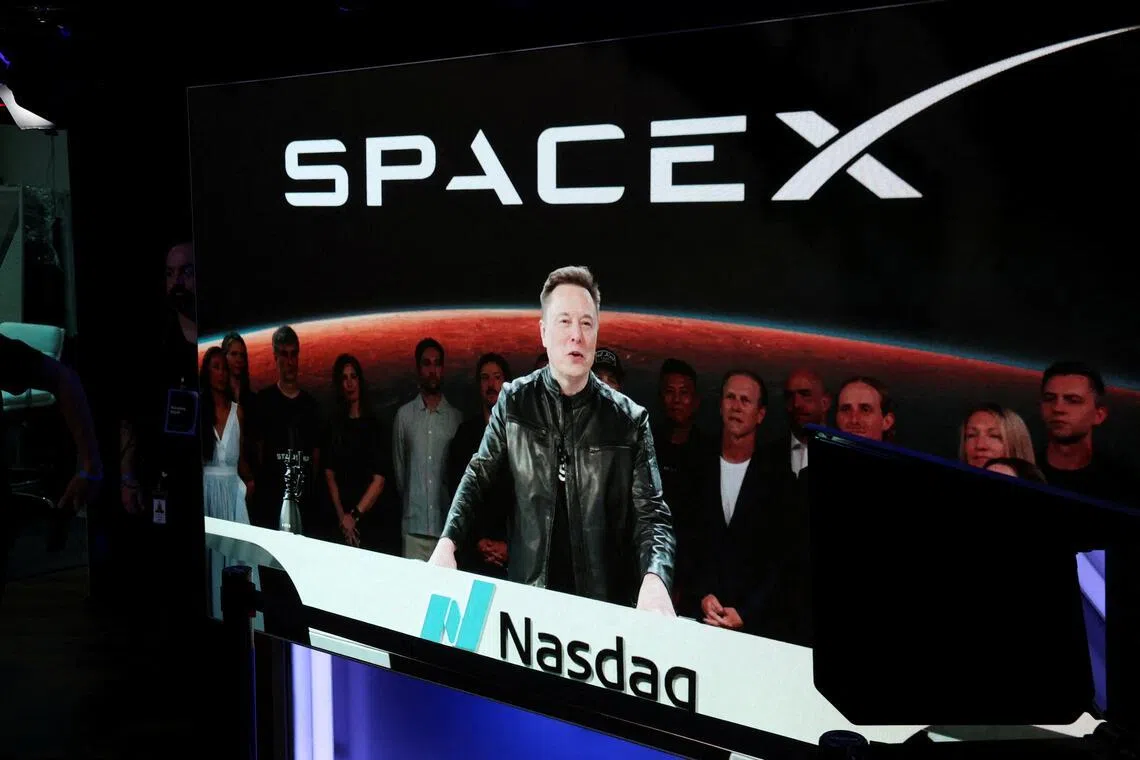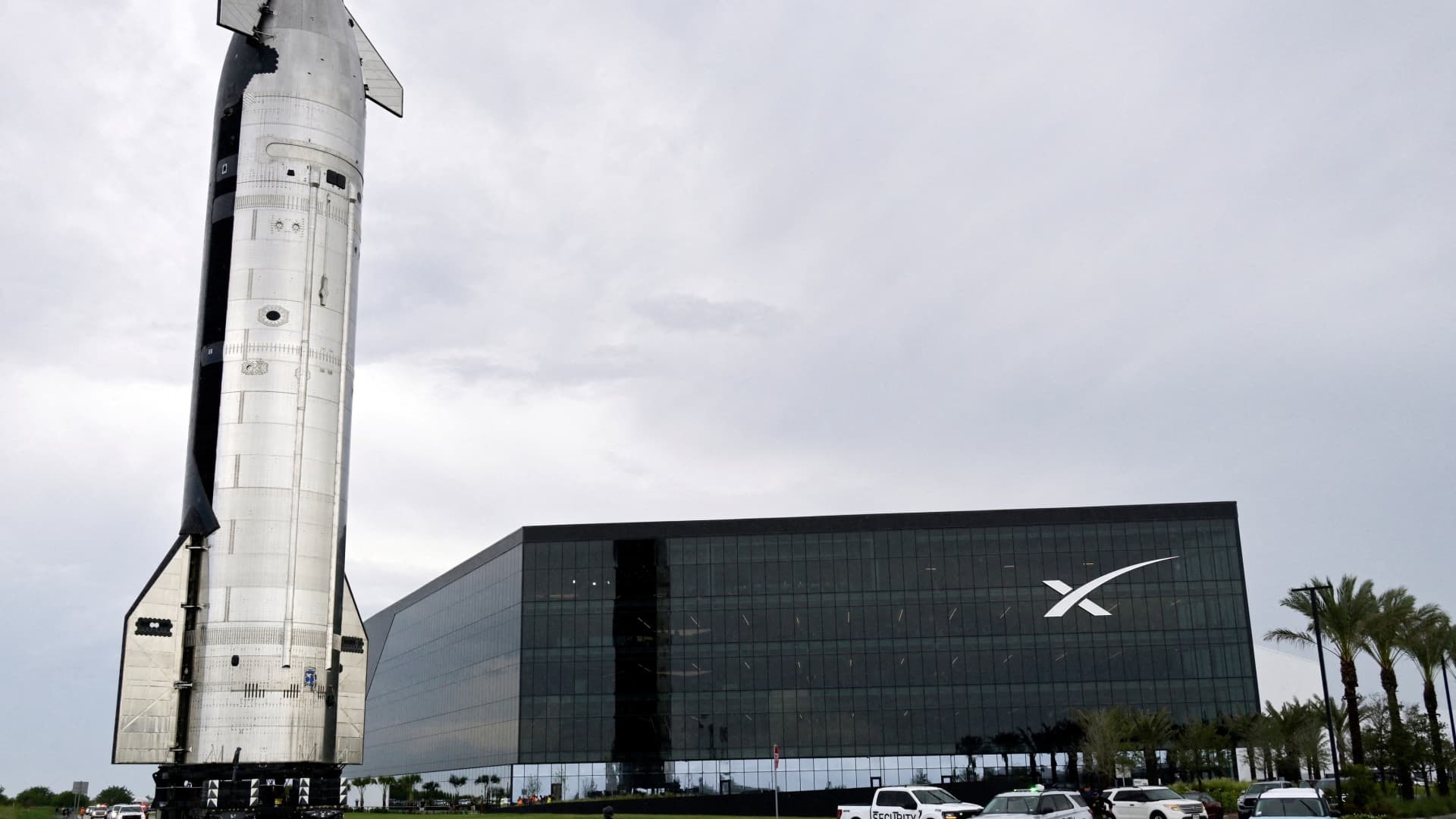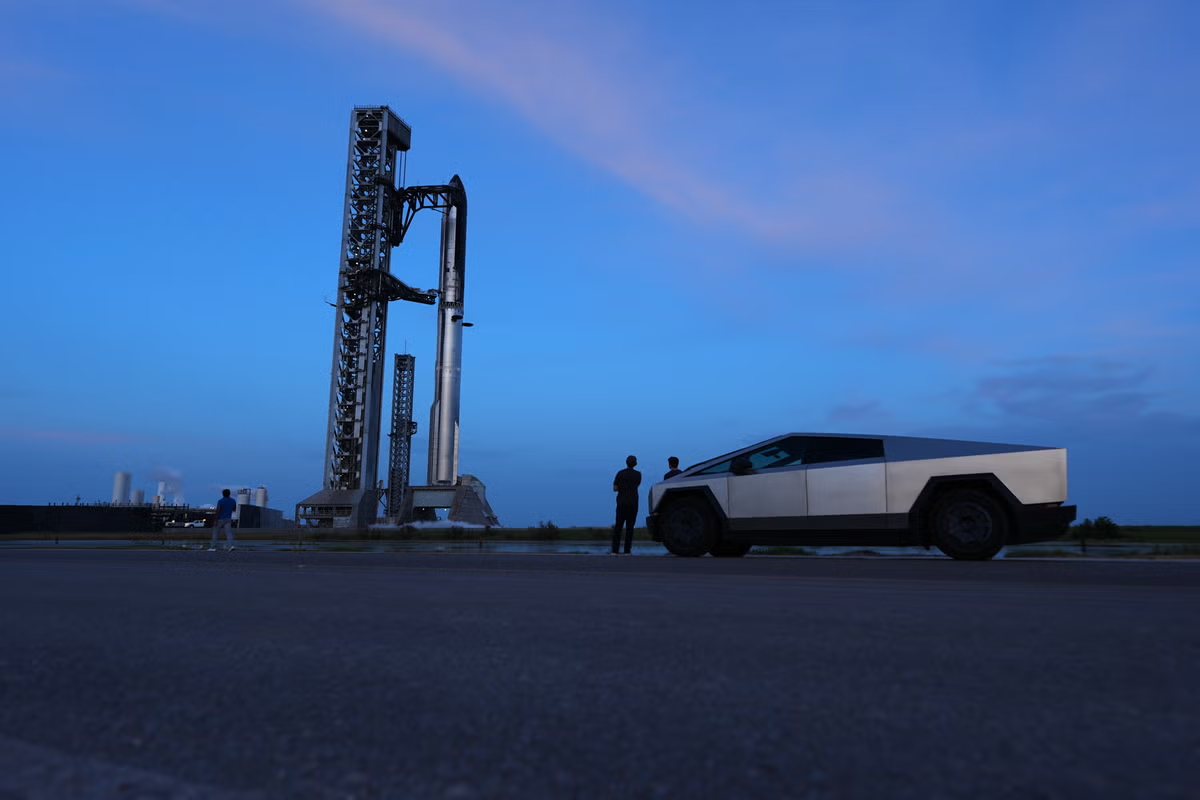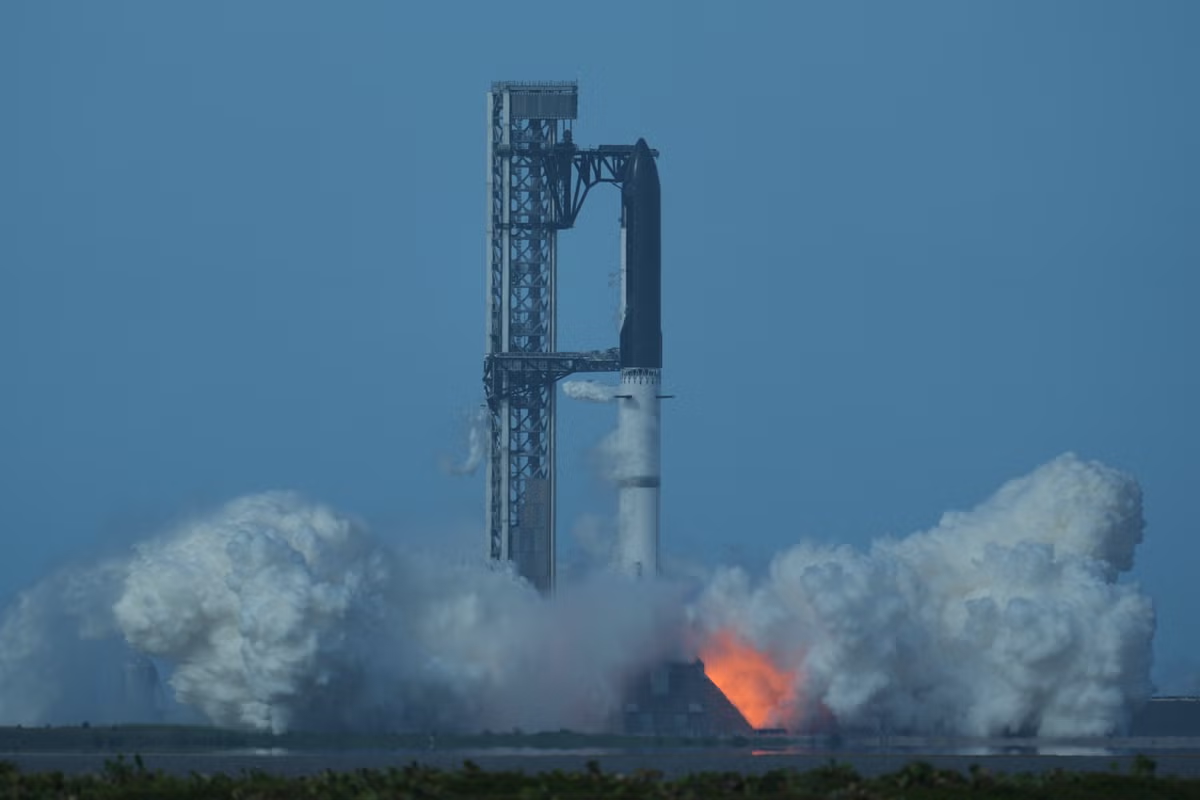
SpaceX was forced to abort its latest Starship launch just seconds before lift off on Thursday after some of the engines on the world’s biggest rocket failed to start.The scrubbed launch came just hours after SpaceX shares fell below their initial public offering (IPO) price of $135 for the first time, marking a 40 per cent drop in value over the last month.The share price fell a further 6 per cent in pre market trading in the minutes following the Starship launch failure.The IPO on 12 June saw SpaceX founder Elon Musk become the world’s first trillionaire, though the latest stock slide has seen his net worth slip to $833 billion, according to the Bloomberg Billionaires Index.SpaceX’s valuation is strongly tied to the success of Starship, though it is yet to prove itself to be mission ready.The company is relying on the rocket to fulfill a multi-billion-dollar contract with Nasa to send astronauts to the Moon, as well as to grow its own Starlink internet network, which is SpaceX’s largest source of revenue.Thursday’s launch attempt from SpaceX’s Starbase facility in Texas was the first to carry a payload of next-generation Starlink V3 satellite, which are twice as big as earlier versions and capable of delivering more than 10 times the capacity.“Starship is planned to deploy 20 satellites which will extend solar arrays and antennas and will attempt to connect with the larger Starlink constellation via high-capacity lasers,” SpaceX wrote in its mission brief.“The Starlink satellites will be on the same suborbital trajectory as Starship and are expected to demise upon reentry approximately 20 minutes after deployment.”The most recent Starship launch in May saw the 124-metre-tall rocket lift off successfully, before the second stage deployed dummy versions of the Starlink V3 satellites.During the descent of the first stage, multiple engine failures meant the giant rocket crashed into the Gulf of Mexico, leading the US Federal Aviation Administration (FAA) to order an investigation into public safety.SpaceX employees gather near the Starship and Super Heavy v3 Booster at Starbase, Texas, on 16 July, 2026 (Reuters)The latest engine failure will require some of the engines on Starship’s Super Heavy booster to be replaced, according to Mr Musk.“Some of the engines didn’t start, triggering an automatic launch abort,” the SpaceX CEO wrote on X following the failed launch attempt. “To be confident of a good flight, two Raptors will be removed and replaced.”SpaceX said the next Starship launch attempt will take place “as early as next week”, though no specific date has been set.
Starship launch fails to take off as SpaceX stock plunges to new low
Shares in Elon Musk’s company have fallen below the IPO price for the first time
419 words~2 min read