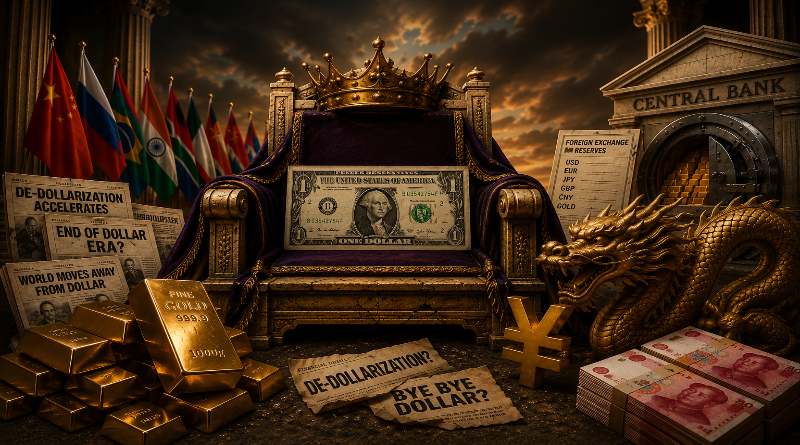
Over the past year or so, obituary writers have taken aim at the U.S. dollar. They’ve spilled ink over the greenback’s sliding valuation, griped about the lack of “safe haven” correlations after “Liberation Day” (the dollar failed to rally as rates rose and stocks fell), and called China’s currency a clear usurper, as more and more trade is settled in its currency.
Dollar obituaries are a regular feature of public discourse since at least 1971 when Nixon finished off the gold standard. But over the subsequent half century, the greenback has comfortably outlived a variety of terminal diagnoses.
Today is no different. A weaker (or stronger) dollar says little about America’s ability to remain the world’s reserve currency, and neither do the greenback’s other blemishes. Instead of analyzing the dollar’s shortcomings, we need to see reserve currency primacy as a demanding competition that imposes burdens few are willing to carry. As it turns out, you don’t have to be pretty to win a beauty contest—just prettier.
The dollar’s valuation says little about dollar hegemony
Executives and investors around the world have good reason to care about the greenback’s value as their revenues, assets, liabilities, and competitiveness often depend on it. But viewing the dollar’s—and America’s—strategic role through the lens of dollar valuation is as misguided as it is common.