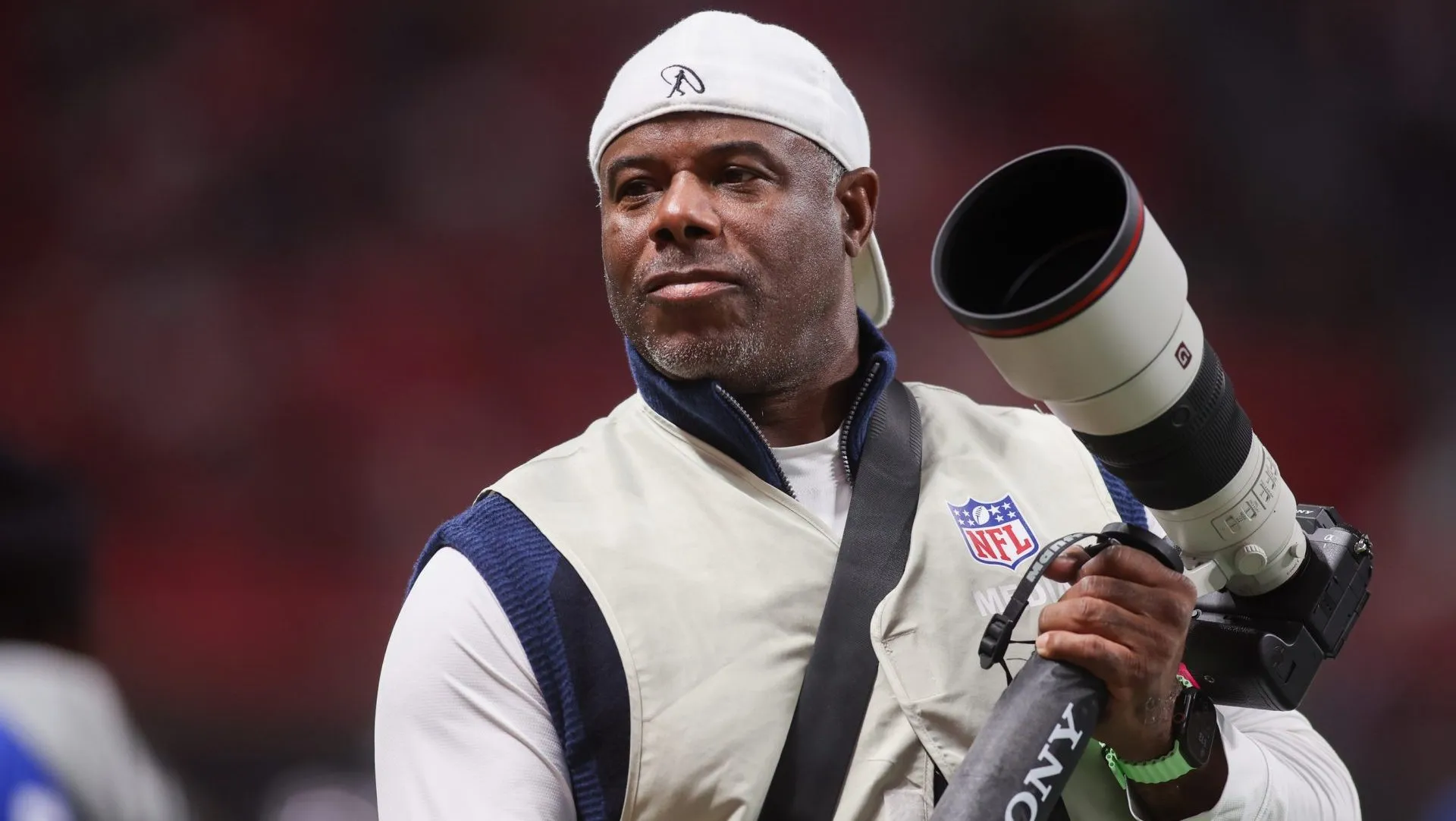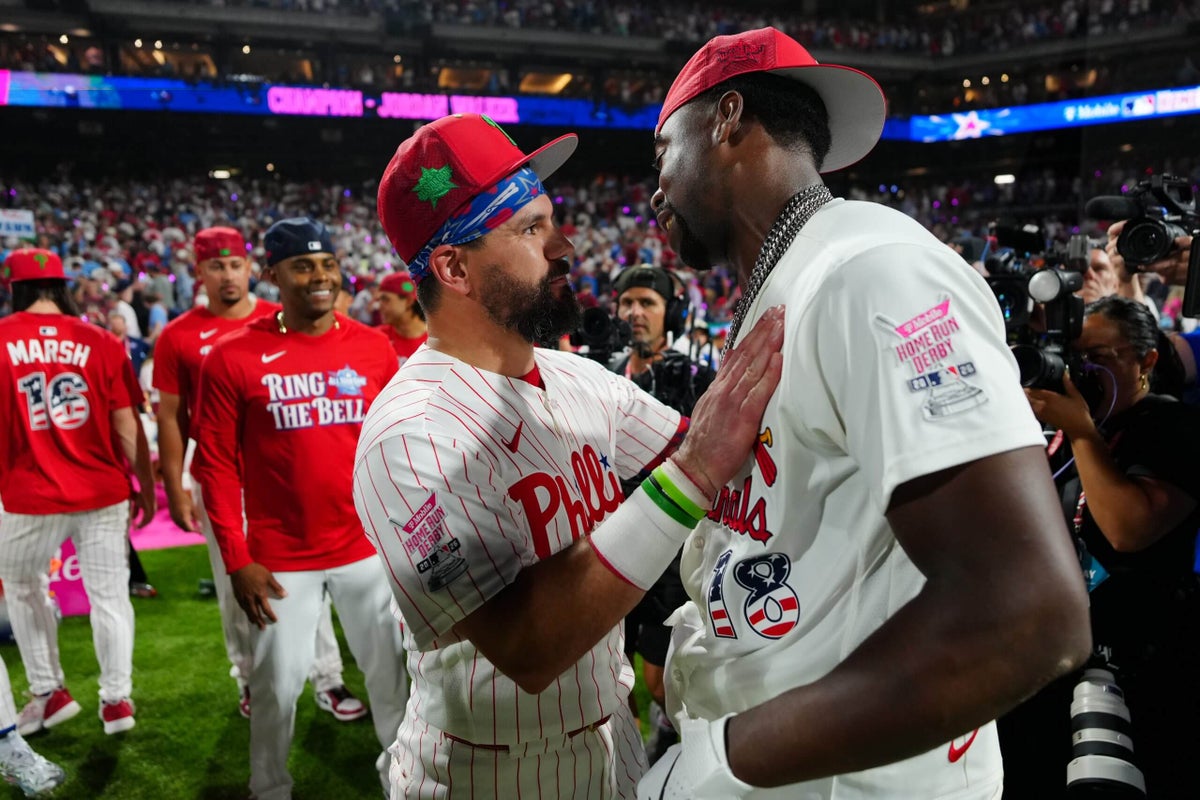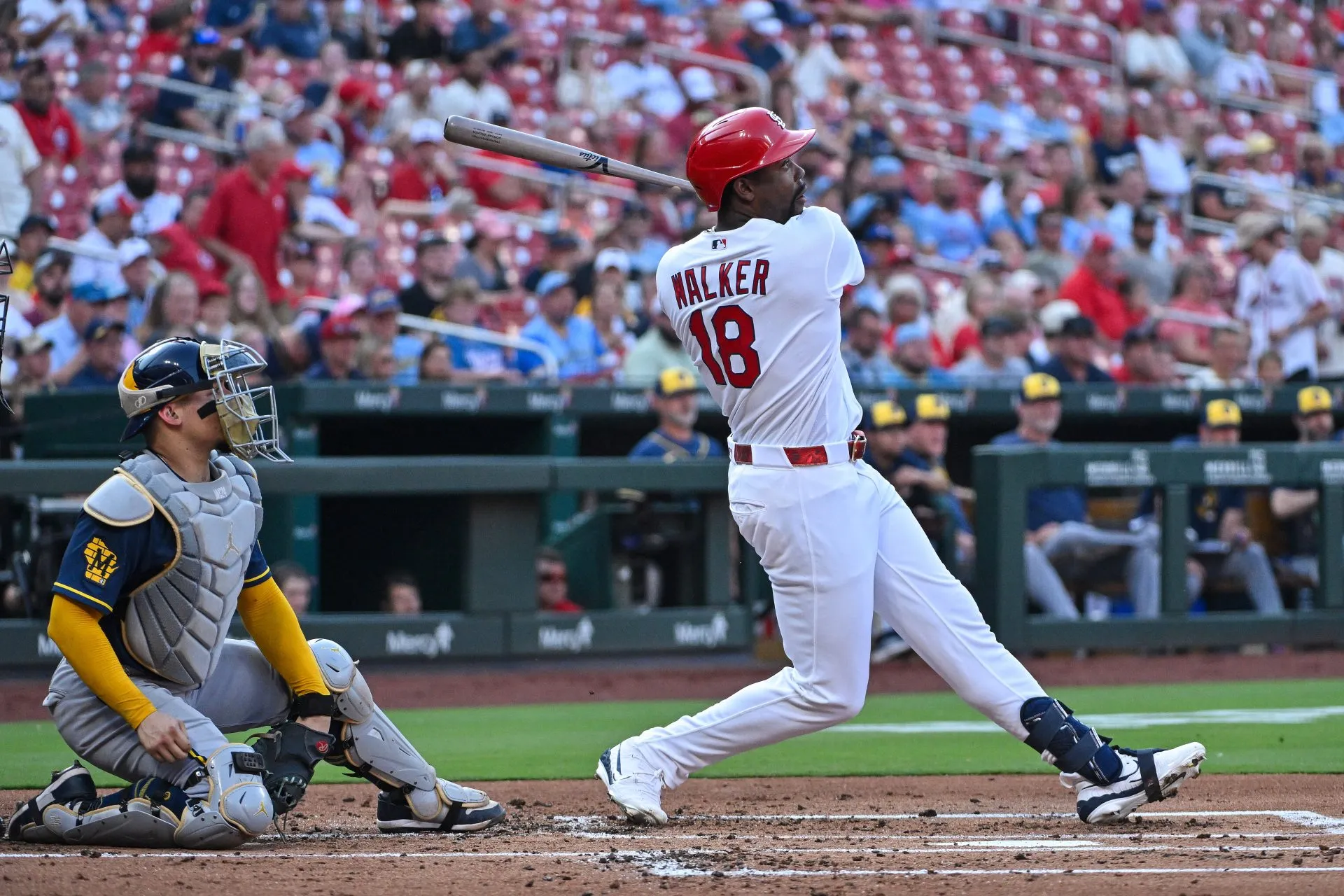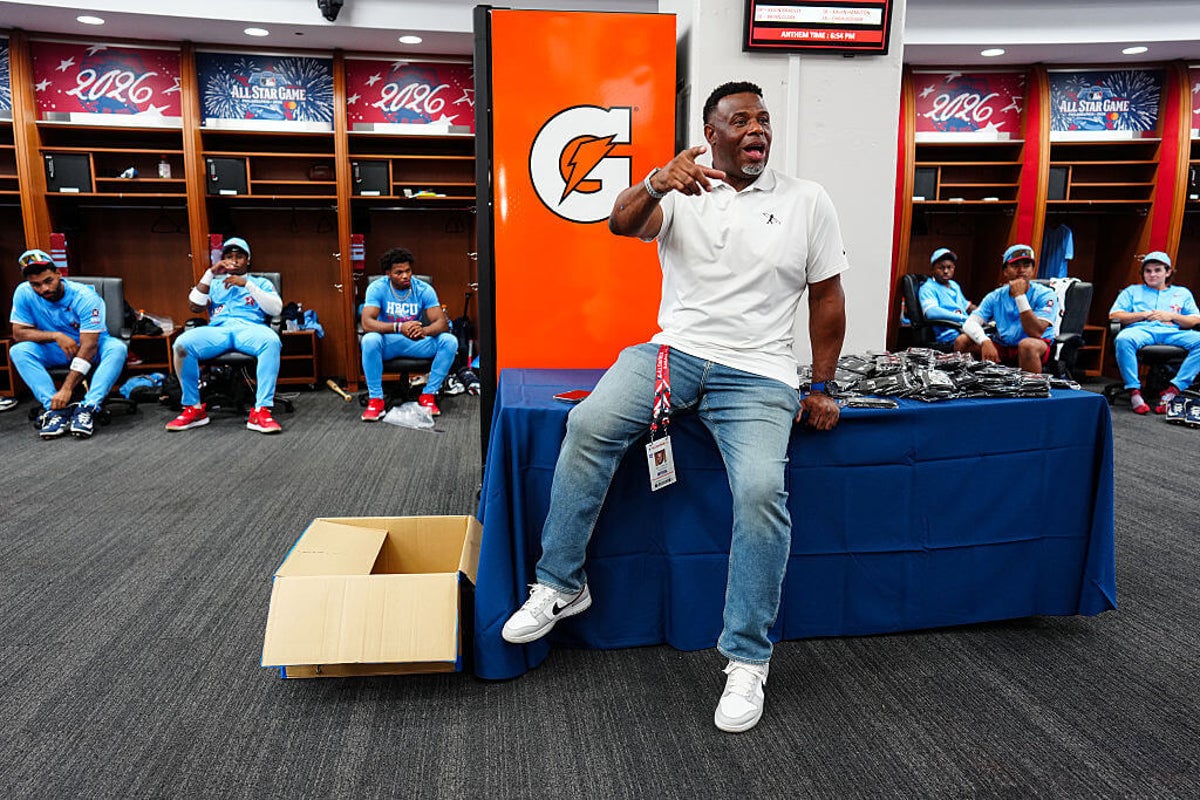
Welcome to Sliders, a weekly in-season MLB column that focuses on both the timely and timeless elements of the game.PHILADELPHIA – Ken Griffey Jr. used to own the Home Run Derby. In a six-year stretch, he won it in Pittsburgh, Denver and Boston. He also hit the Camden Yards warehouse, in Baltimore, on the fly.That all happened in the 1990s, when rosters looked very different than they do today. In that era, Griffey would have had no reason to say what Jordan Walker did after he won Monday’s derby at Citizens Bank Park in Philadelphia.“I want more Black kids in baseball,” said Walker, the St. Louis Cardinals’ right fielder, adding that he considers himself a role model. “Hopefully this raises some awareness. I know a lot of them are playing the basketball, football route, but I want them to know the baseball route is open to them, too.”In 1990, when Griffey played in his first All-Star Game, that would have gone without saying. There were five Black American players in the starting lineups at Wrigley Field that night, and seven others who came off the bench. Only four U.S.-born Black players appeared in Tuesday’s game in Philadelphia.Griffey wants to do something about it. Last Friday, he hosted his fourth annual HBCU Swingman Classic, bringing together 50 of the best players from historically Black colleges and universities for a pre-All-Star showcase.Griffey, 56, was drafted first overall from Cincinnati’s Moeller High School in 1987, reached the majors at age 19 and stayed until age 40. As the son of an MLB star, he recognizes that few prospects have the same chances that he did.“I think it’s (important) to bring recognition to kids who don’t have that opportunity,” Griffey said. “I mean, I grew up in a locker room. I was able to go into the locker room and see a big-league facility. So when I got here, it wasn’t like I was in awe of everything. It was like, ‘All right, I’ve got a job to do.’”From 1973, when Ken Sr. debuted, until 2016, when Ken Jr. was elected to the Hall of Game, the number of Black American players on MLB rosters fell from 17.4 percent to 6.7 percent, according to the Society of American Baseball Research. This year, according to MLB, it was 6.8 percent on Opening Day.Harold Reynolds, a two-time All-Star, said the issue is a passion project for Griffey, a player he mentored with the Mariners.“He is present,” Reynolds said. “This isn’t just, ‘Here’s my name, I hope this happens.’ He thought about it, he went to MLB about it, so he created this opportunity. He really is passionate about letting these kids be seen. He’s doing interviews — and you know he doesn’t (like to) do stuff like that — and he’s pouring himself into it.“He sees these kids during the season. He’s invested. He spoke last night at the dinner, like, ‘Hey, in the house that I grew up in, my dad had everybody over, Willie Mays, you name it, he had all kinds of Black players.’ And he said, ‘I’d love to create an environment like that for you guys.’”Two HBCU alums were selected in this year’s draft: pitcher Michael Lane, from Delaware State, and outfielder Michael Smith Jr., who played in the 2024 Swingman Classic while attending Prairie View A&M and was drafted from the University of Dayton. Lane went in the 16th round to the Detroit Tigers and Smith in the 13th round to the Los Angeles Dodgers.Reynolds, who had nine Black teammates when he joined the Mariners in 1982, does not believe baseball rosters will ever include as many Black players as they did in his era. With the soaring cost of amateur baseball in the U.S. often steering young athletes to other sports, many teams have found it more efficient to focus elsewhere.“They didn’t have all the Dominican academies like they do now, so the investment has kind of gone into that player,” Reynolds said. “I’d love to see it invested back. Plus, an American player costs so much now. We’ve cut (draft) rounds, but the expenses have gone up. So now when you’re competing to get drafted in this country, it’s hard. We have the RBI academies and things like that, but it’s not like the Dominican academies.”The number of Black U.S.-born players on MLB rosters has actually grown in each of the last two years, up from 6 percent in 2024 and 6.2 percent last year. The league wants showcases like Griffey’s to be part of a groundswell of support that will eventually yield more talent.“Look, this is one of those issues that you have to continue to invest, grind it out, do that kind of grassroots work to attract more people to the game, and then nurture them in a way that gets them into this elite pipeline,” MLB commissioner Rob Manfred said.“One of the things we’re really focused on right now is to try to provide alternatives to sort of the pay-for-play, elite play, so that players who enter the system in that big funnel at the bottom — (and) who don’t have the economics to afford to be in that elite pay-for-play — have an opportunity to get discovered.”
For Ken Griffey Jr., a passion project to expand opportunities, on the field and off
Plus the high-school program that won big in Philly, the emergence of the Rangers' All-Star closer and more.
2,487 words~11 min read