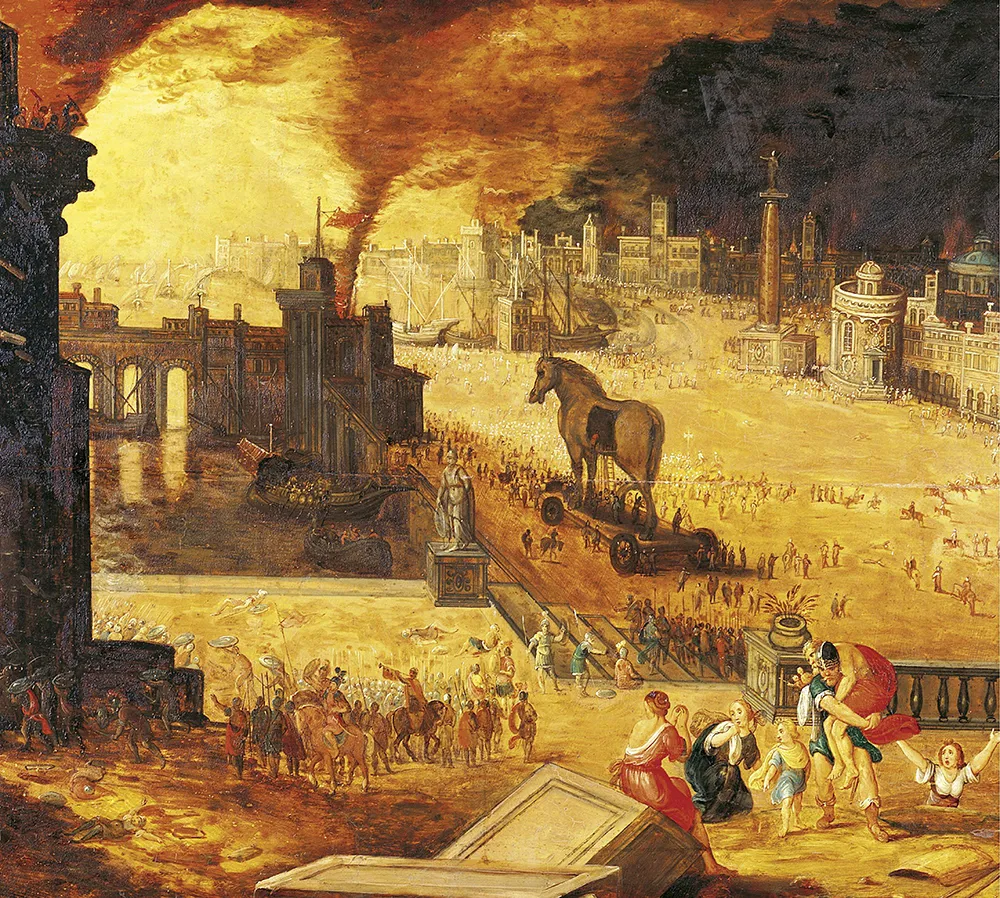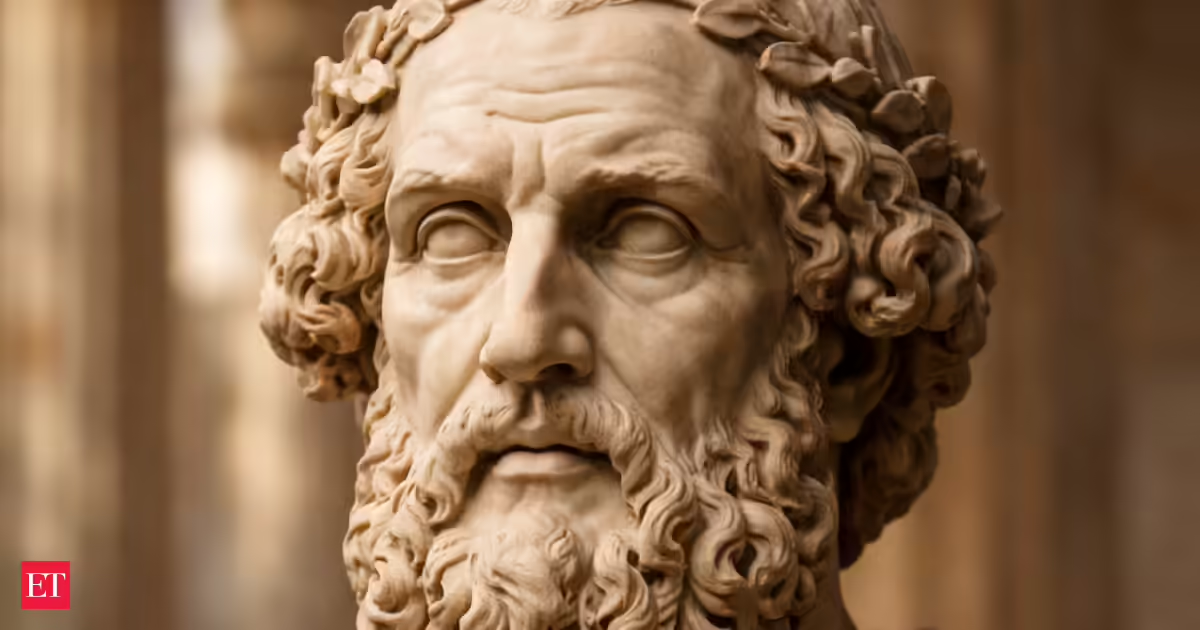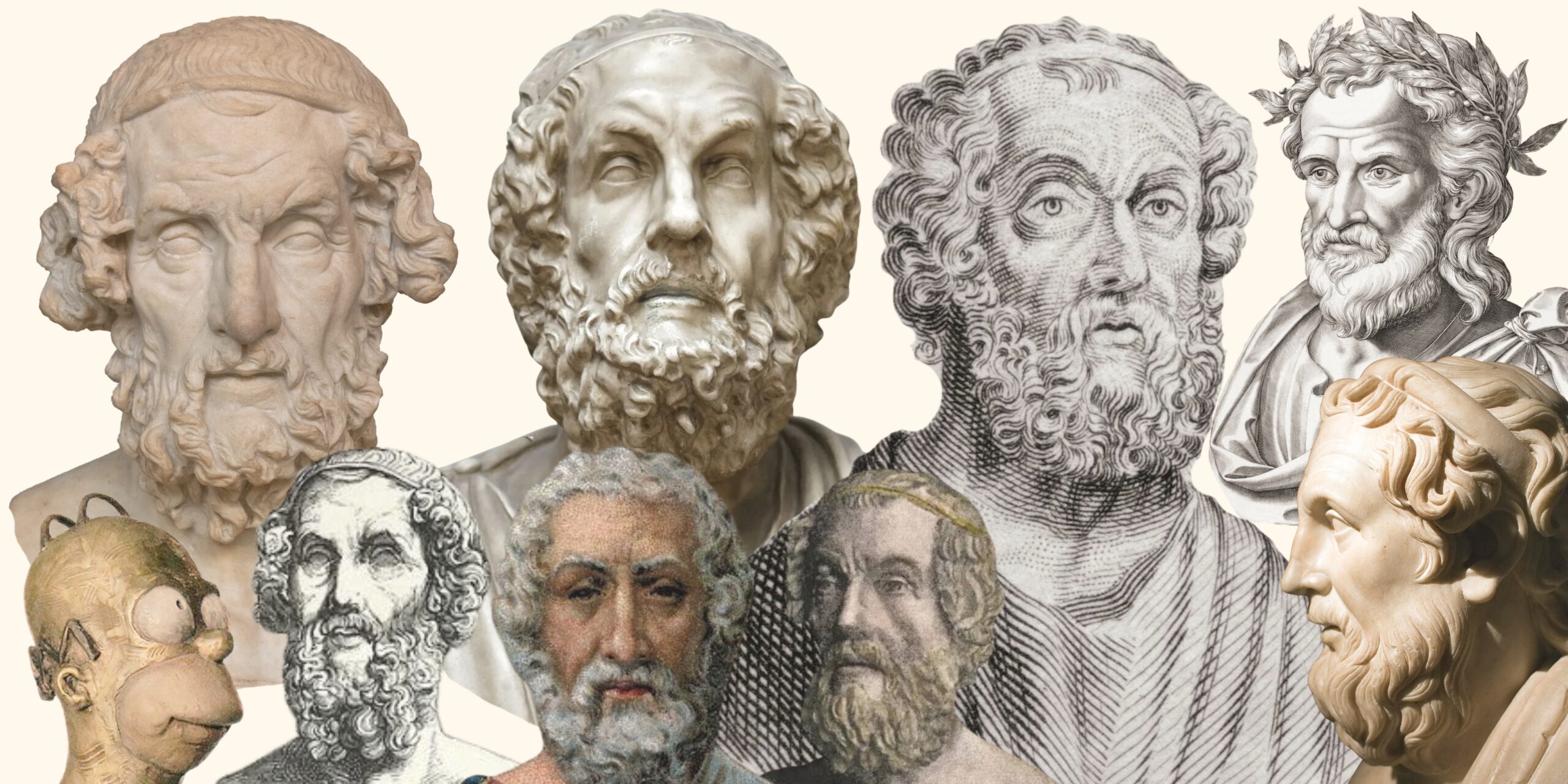
Dawn touches the sky with her rosy fingers, and I realize that I forgot to put the bin out. I turn on the radio, and the news is full of stories about powerful men with fragile egos catapulting the world into chaos, and about human beings who endure under impossible circumstances. The stories are familiar from two poems I first read when I was eight years old, written (or so I was told) by a blind man named Homer. I have thought about those poems every day since. Homer is already on my mind as I drag the bin onto the street, and Homer will still be on my mind when night comes, the tamer of gods and men.Article continues after advertisement
I teach literature at a university, so it’s impossible to escape Homer in my working life: echoes of the Iliad and the Odyssey can be found everywhere in the literature of the English-speaking world, and beyond. But I see their traces everywhere, not just in the poems and novels I discuss with my students. Two thin-skinned colleagues square up to each other in a faculty meeting; I don’t anticipate actual violence, but I do have a vision of Achilles reaching for his sword after being provoked by Agamemnon. Protesting students have pitched their tents on the hill outside my office window; I see Hector and his troops camped out on the plain, ahead of tomorrow’s fighting. My son calls to ask when I’m getting back, and whether there’s anything he can eat; I think of Telemachus, patiently waiting 20 years for his father’s return.