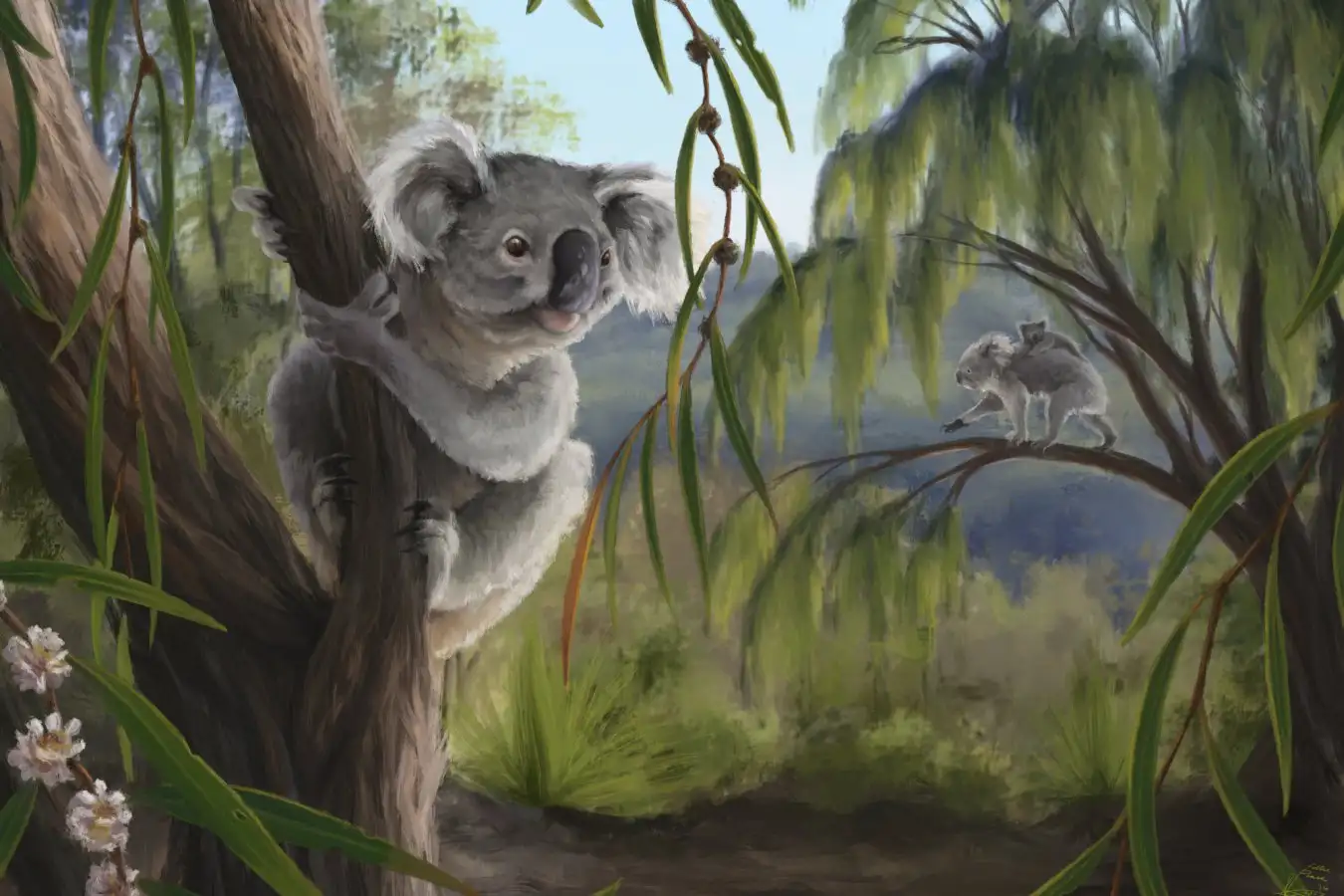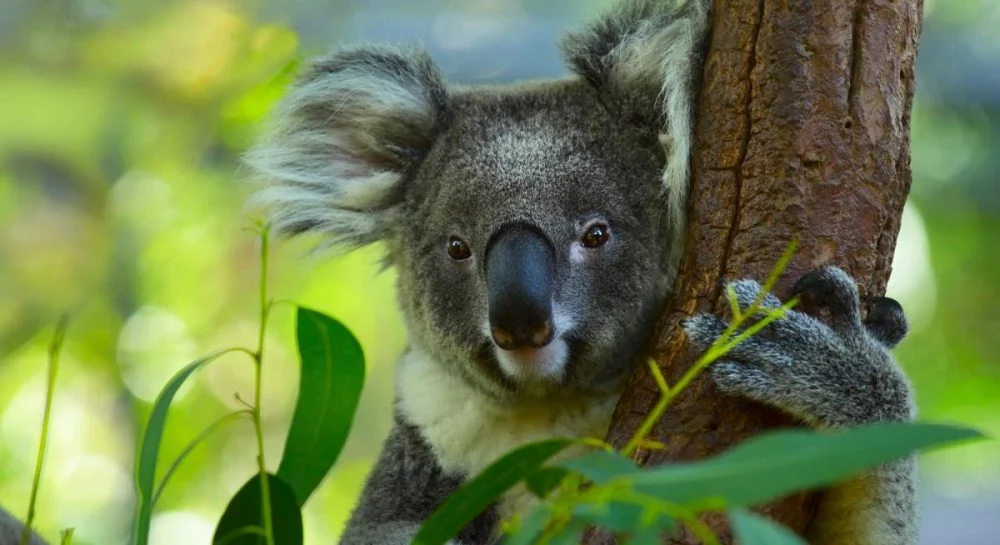
A major genomic analysis is changing scientists' understanding of koala evolution. The research indicates that koalas (Phascolarctos cinereus) underwent a severe population decline about 100,000 years ago, well before humans reached Australia.
Every koala alive today appears to descend from a single ancestral population that endured dramatic environmental shifts, including intense glacial periods.
Modern koalas, however, are now confronting a different combination of dangers. These include hunting, widespread land clearing, bushfires, and disease.
Researchers from the University of Sydney and Texas A&M University led the study, which challenges earlier research suggesting that koala numbers collapsed only after humans arrived in Australia. The findings were announced in Molecular Biology and Evolution, published by Oxford University Press.
"The study rewrites the timeline for the koala's genetic history in Australia," says PhD student Toby Kovacs, who led the research.