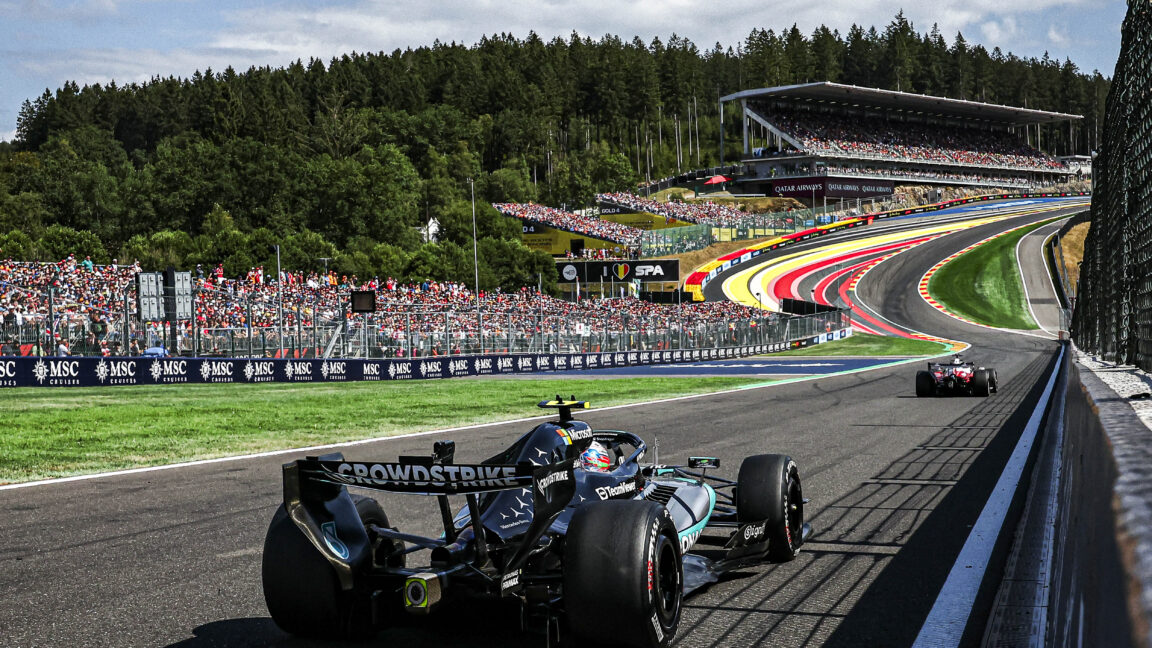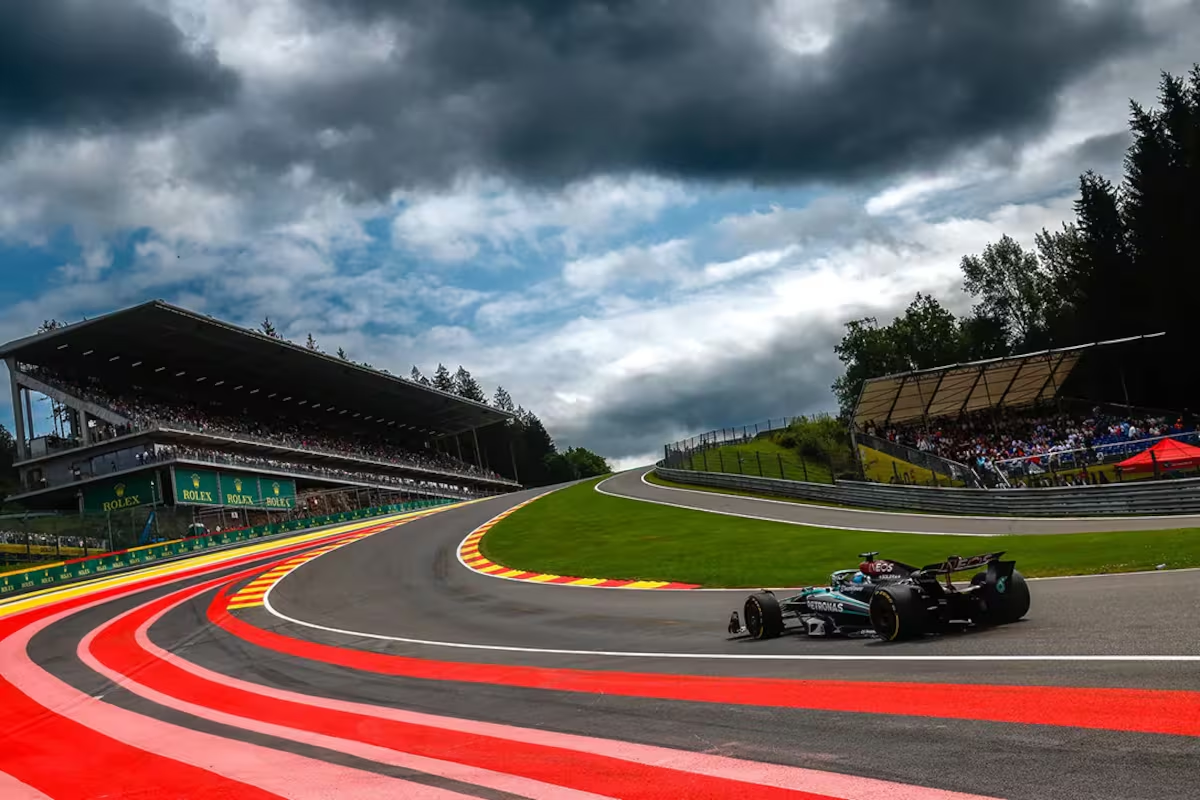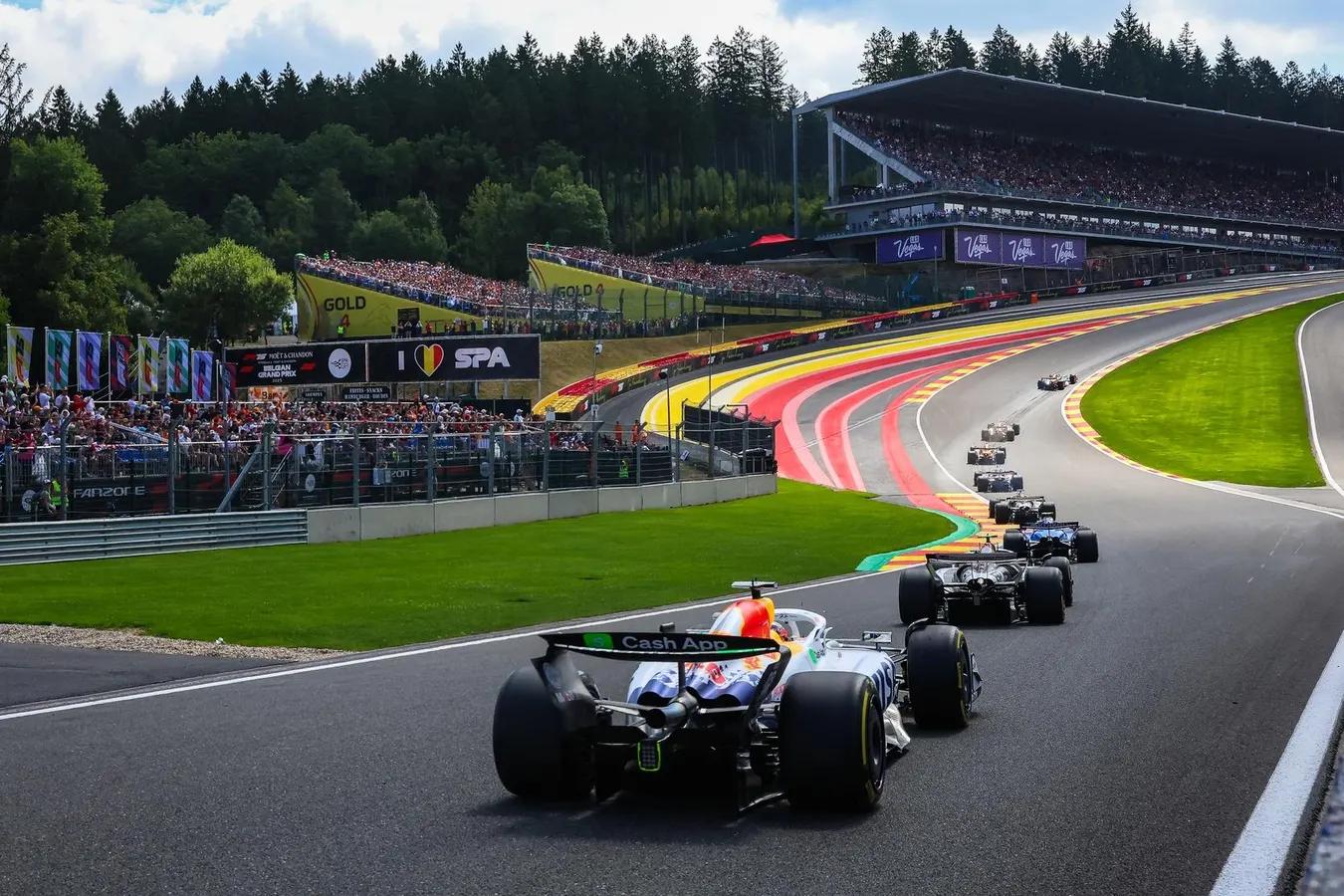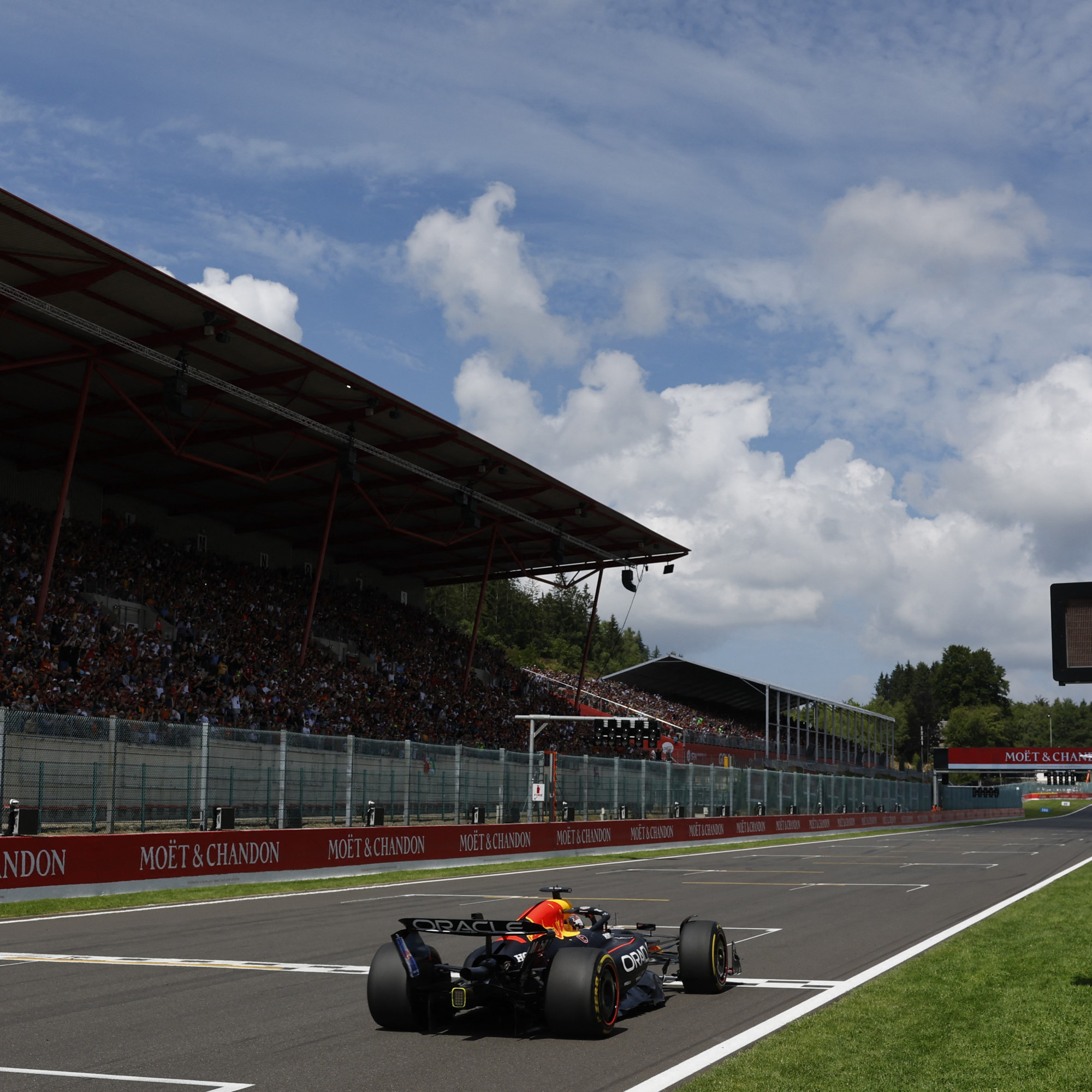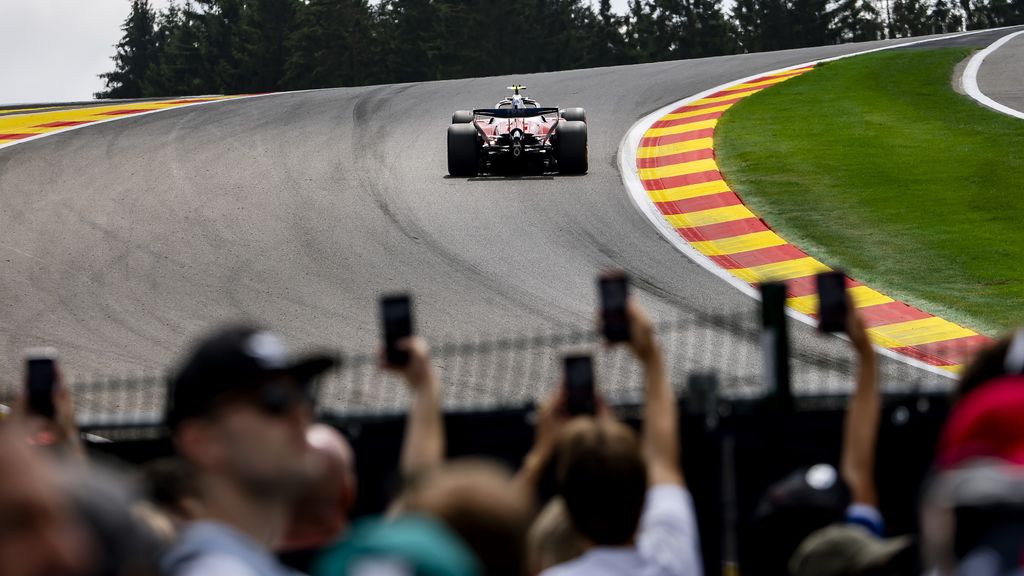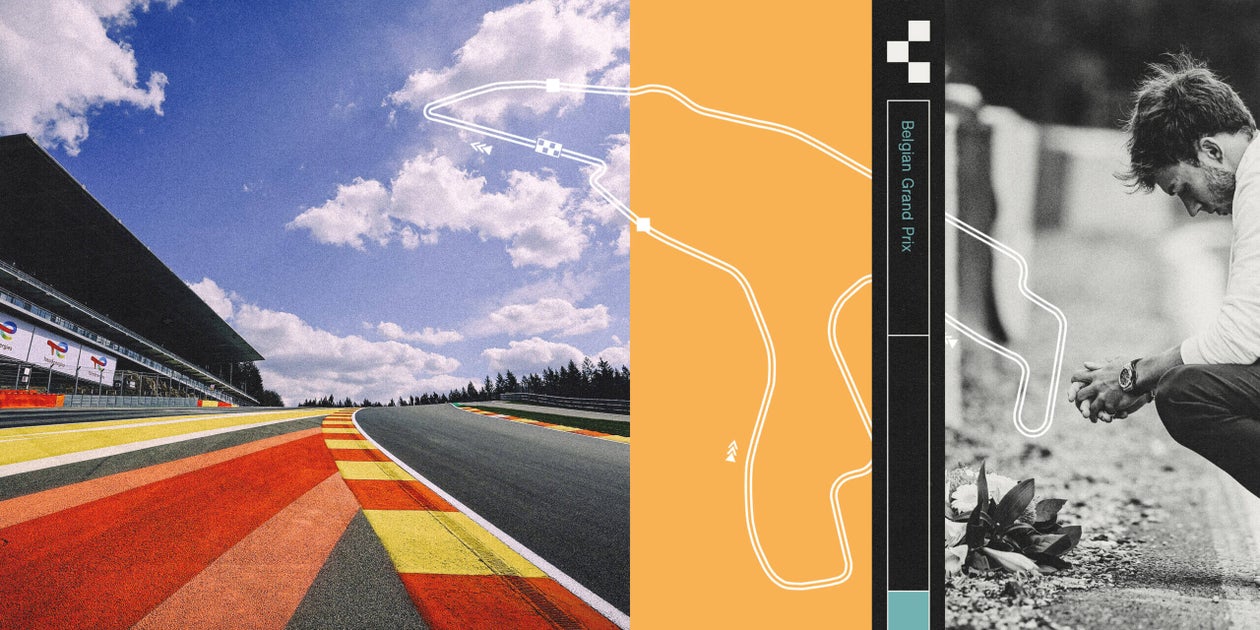
Circuit de Spa-Francorchamps, home to the Belgian Grand Prix, holds a special place in the Formula 1 world, as one of the seven tracks that were part of the inaugural world championship in 1950.Its racing history dates back over a century, a stretch which has included more than its share of glory and tragedy.The 19-turn Belgian track is the longest on the calendar, spanning seven kilometers (4.3 miles). It covers such a large area that drivers can encounter rainstorms and beaming sun in a single lap — a tricky challenge for tire strategy.The mix of fast corners and long straights has evolved over the years, as Spa has morphed from public roads to a permanent facility. The track has also implemented various rounds of safety-minded changes in the wake of severe and occasionally deadly crashes.The famously rainy circuit’s dangerous nature even led to its removal from the F1 calendar in the 1970s, before it rejoined in a shortened format in 1983. Its safety suitability came under scrutiny again in 2023, when Dutch driver Dilano van ‘t Hoff died following an accident in a junior series race.As F1 prepares for its final doubleheader before the 2025 summer break, here’s what you need to know about the Belgian track famed for its dangerous nature.Key Specs
Belgian GP track breakdown: Spa’s iconic layout blends F1 beauty with danger
One of F1's oldest tracks, Spa is huge, fast, dangerous and utterly epic.
1,797 words~8 min read