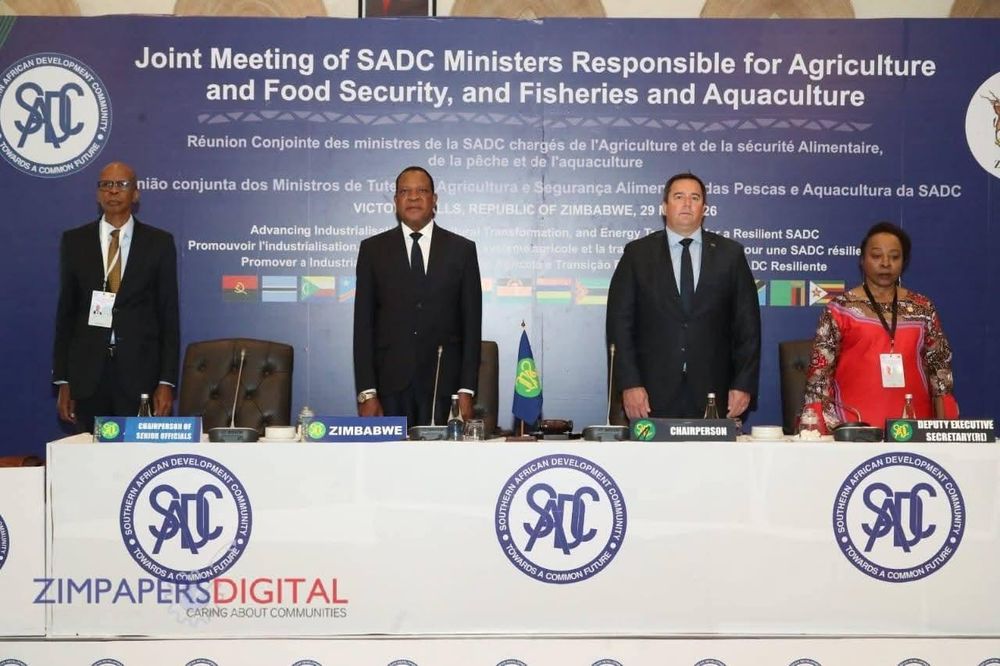
There is nothing glamorous about a "joint meeting of SADC Ministers responsible for Energy and Water." No fireworks, no viral soundbite, no drama for the news cycle.
There is nothing glamorous about a "joint meeting of SADC Ministers responsible for Energy and Water." No fireworks, no viral soundbite, no drama for the news cycle. And yet this is exactly the kind of gathering that quietly decides whether the region moves forward or stays stuck. This week Pretoria is hosting SADC's Energy and Water Ministers, running from Tuesday through Friday, with South Africa in the chair's seat because it currently leads the relevant SADC Sectoral Committees. The agenda sounds technical. The stakes are not.
Energy and water are the plumbing of any economy. You don't notice them until they fail, and in Southern Africa, they have been failing often enough that everyone notices. Load shedding taught South Africans this lesson the hard way. Zambia's hydropower crisis, driven by drought on the Kariba Dam system, taught Zambians the same lesson from a different angle. The two sectors are also inseparable. Hydropower depends on water levels, water treatment depends on electricity, and a region that can't coordinate one will struggle to coordinate the other. That is the quiet logic behind putting both ministries in the same room.