Artificial intelligence has become one of the defining technologies of the 21st century.
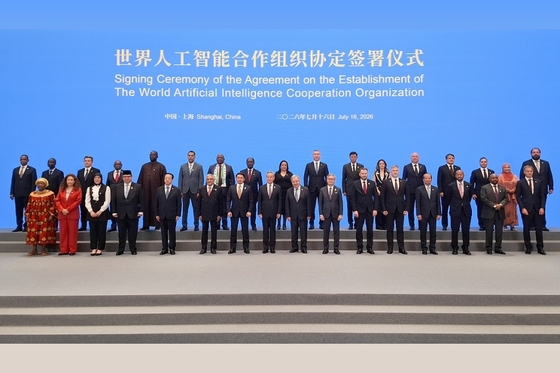
Artificial intelligence has become one of the defining technologies of the 21st century. It is transforming industries, reshaping economies and increasingly influencing national security. Against this backdrop, 29 countries have signed an agreement to establish the World AI Cooperation Organization (WAICO), a new intergovernmental body aimed at strengthening global cooperation on artificial intelligence governance. Spearheaded by China, the initiative seeks to create a platform where countries can coordinate AI development, establish common standards and reduce the widening technological divide between developed and developing economies.
The agreement marks a significant shift in the global conversation around AI. Until now, discussions on AI governance have largely taken place through forums led by Western economies, including the G7, the OECD and the Global Partnership on Artificial Intelligence. The creation of WAICO introduces another major player into an increasingly competitive race to shape the rules governing one of the world's fastest-growing technologies.
Artificial intelligence is no longer just about chatbots or image generation. It is becoming the foundation of future economic growth, with applications ranging from healthcare and education to manufacturing, agriculture and defence. The countries that help define AI standards today will likely influence how data is shared, how technology is regulated and who benefits from future innovation.