in Art, Books, Poetry | July 17th, 2026 Leave a Comment
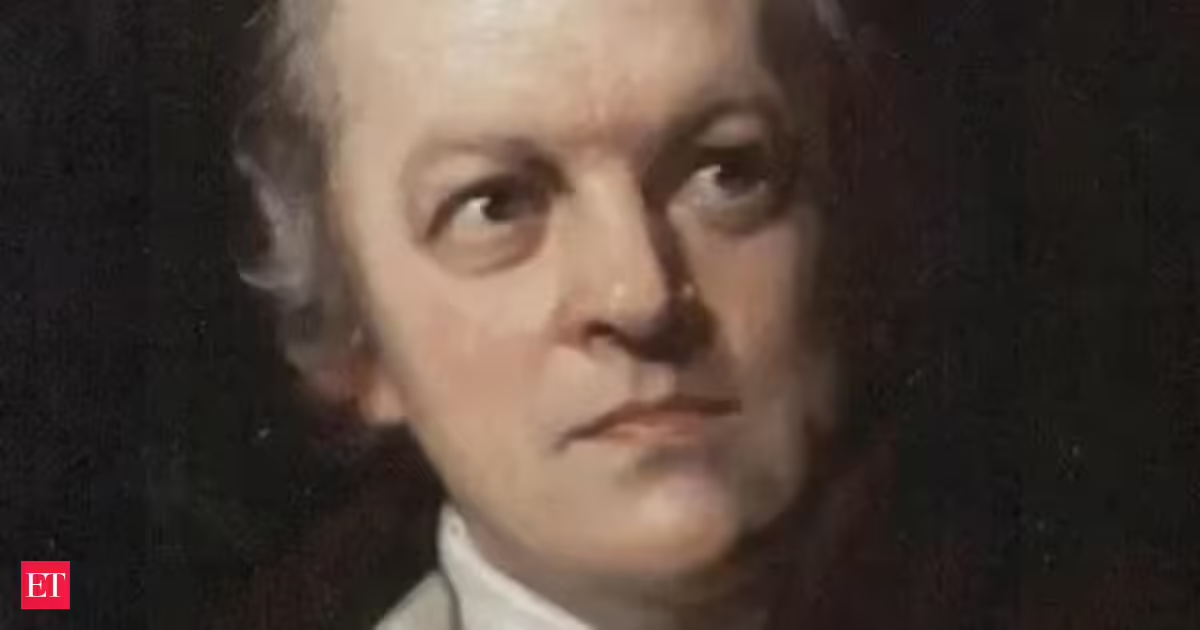
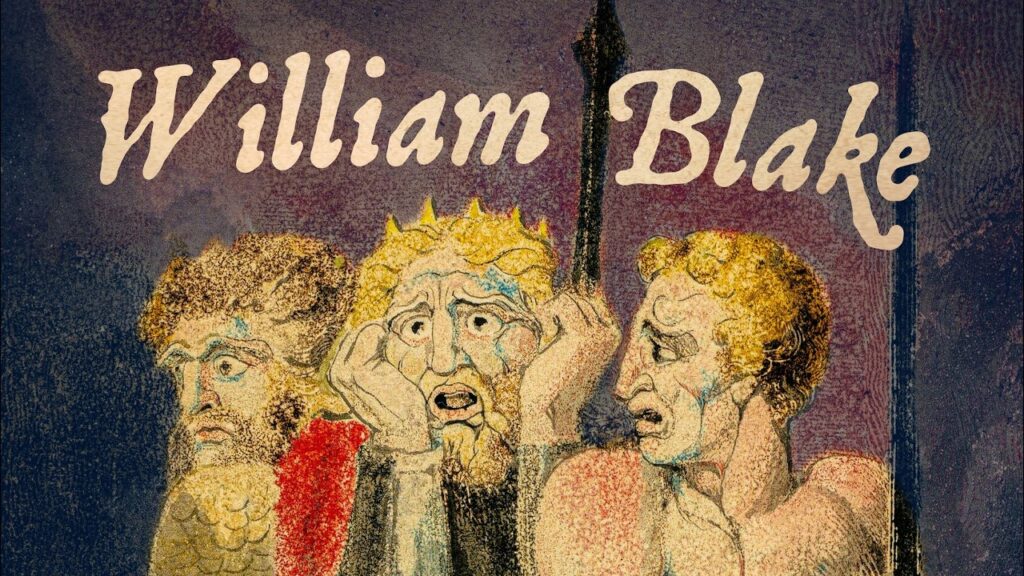
William Blake is a household name, or not far from it, but things get more complicated when it comes to professional description. He was a poet, a painter, and a printmaker, at least insofar as he wrote poetry, painted paintings, and made prints. But we can’t hope to attain even a basic understanding of his legacy if we regard him as one man who happened to have the energy to do three different things. In fact, the ostensibly separate artistic pursuits in which he engaged were but three aspects of a unified act of creation, resulting in the likes of Songs of Innocence and of Experience and his illuminated “prophetic books”: unclassifiable works by “the patron saint of unclassifiable artists.”
So Evan Puschak, better known as the Nerdwriter, labels him in his new video above. Blake made books, “which he designed, wrote, etched, colored, and printed himself, using a technique that he invented.” They “mix and synthesize categories, and as a result, the artwork of the late seventeen- and early eighteen-hundreds didn’t really know what to make of them.”
It didn’t help that the Royal Academy of Arts, founded when Blake was in adolescence, had laid down its own strict aesthetic, generic, and formal standards. Officially an engraver and accorded the lowly status thereof, Blake devoted his labors to realizing his elaborately idiosyncratic visions using images and words together in ways that no artist had done before.