Katie covers the impact of health technology on patients, clinicians, and businesses. Her stories explore the price tag of clinical AI, digital health at the FDA, and the boom in direct-to-consumer telehealth. Confidential tips can be sent on Signal at palmer.01.Every day, doctors turn to specialized calculators to make decisions about their patients’ care. Kidney performance? There’s a calculator for that. Chance of a successful vaginal birth after a previous C-section? There’s a calculator for that.
Medicine has accumulated hundreds of these clinical scores and decision-making tools, and their numbers continue to grow along with the scale of clinical data. But just because a calculator exists doesn’t mean doctors should always trust its output.
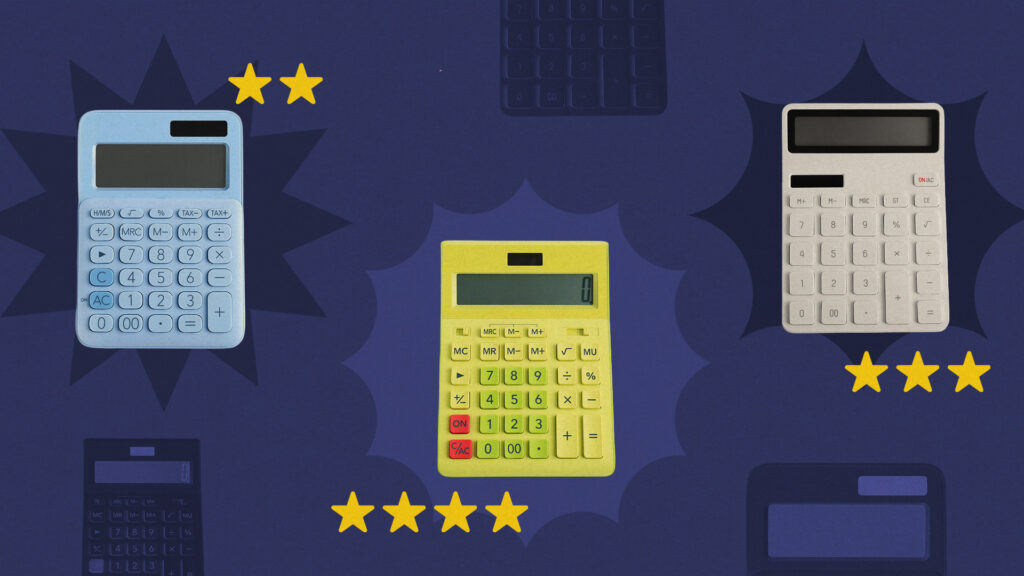
“In clinical practice, a lot of the tools that we use, we genuinely have no idea how limited it is in its validation,” said health systems researcher and gastroenterologist Shazia Siddique. That is why MDCalc, the company Siddique joined last year, is launching a quality-rating system to apply to the more than 800 clinical tools and calculators that doctors use through its site.
STAT+ Exclusive Story
Already have an account? Log in