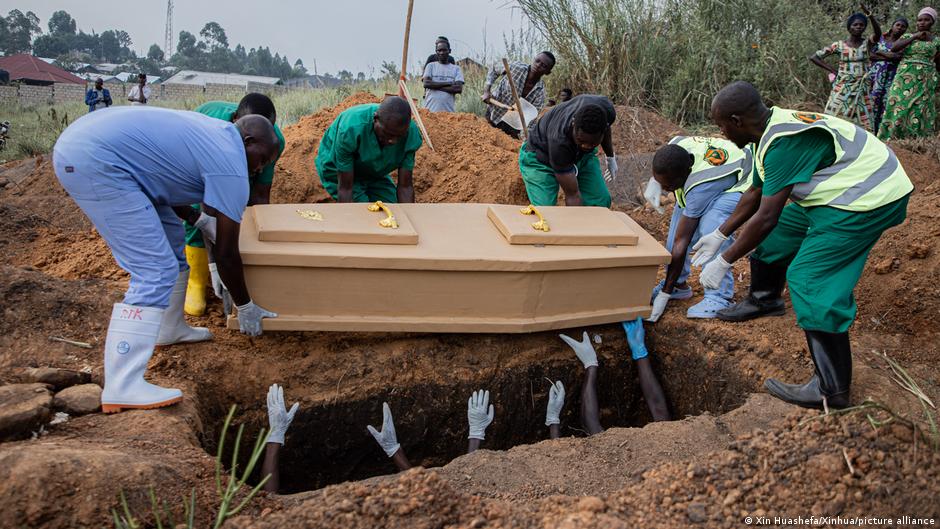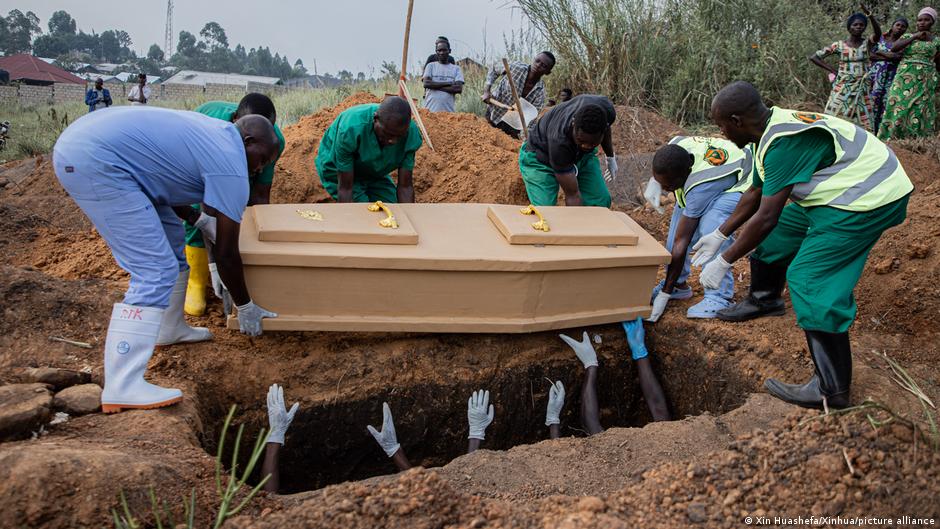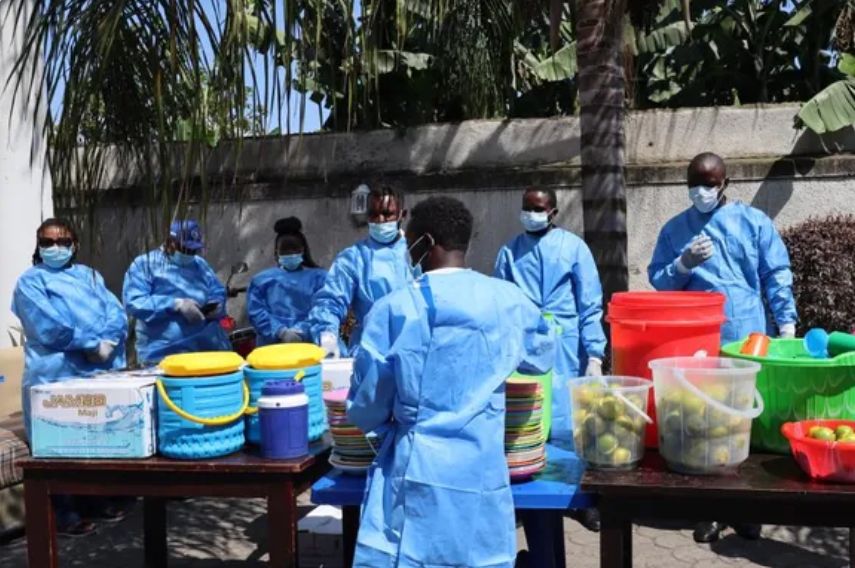
Staff members prepare meals for people under quarantine in Goma, the Democratic Republic of the Congo
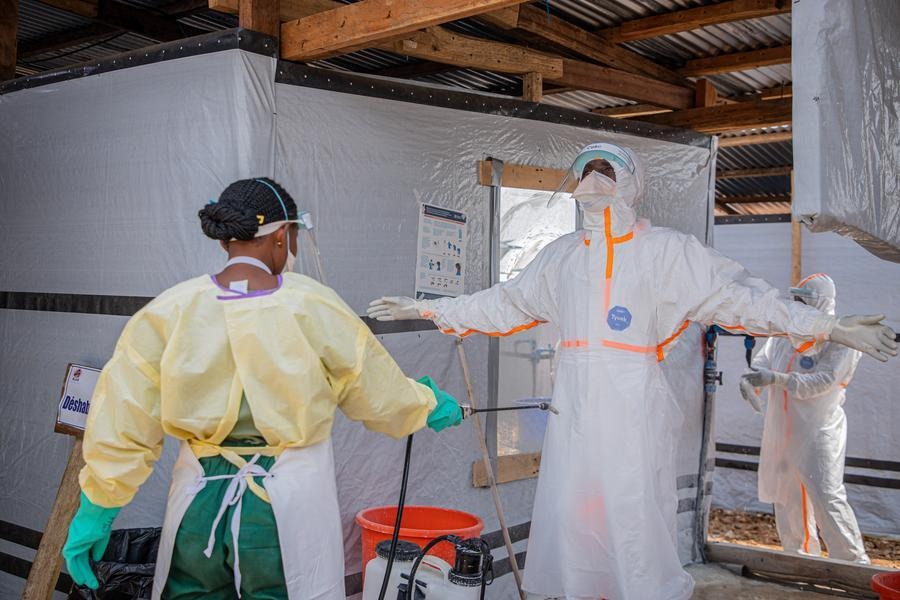
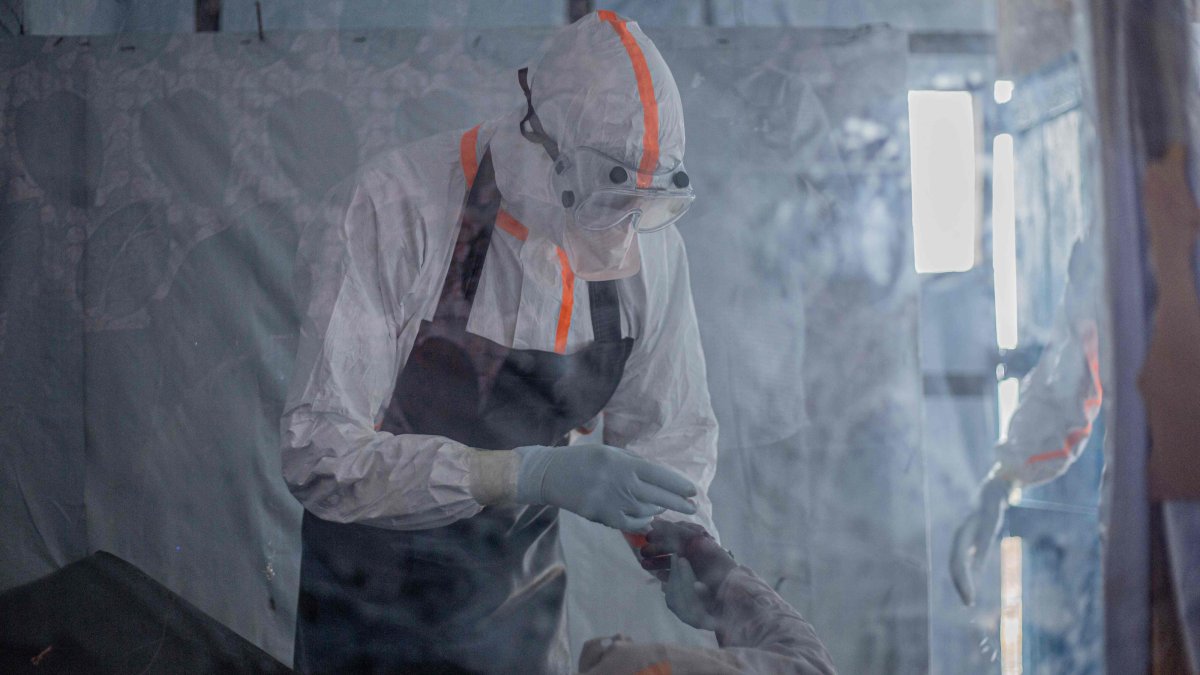
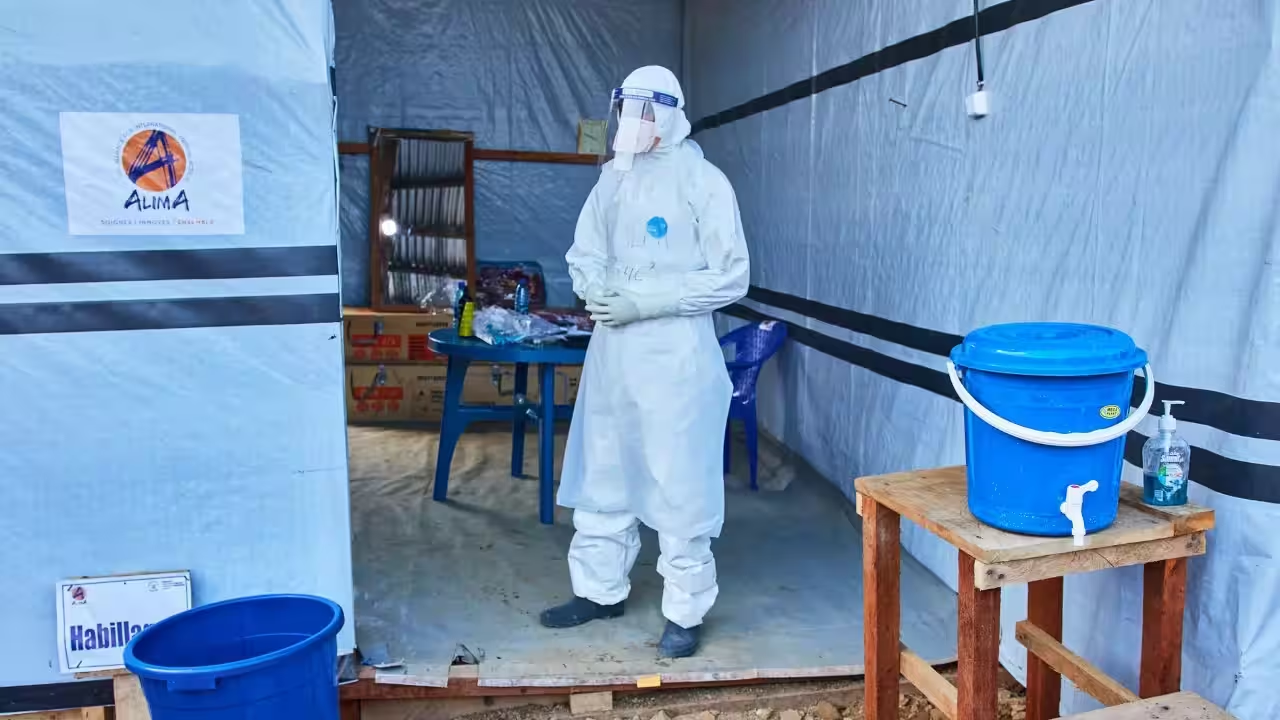
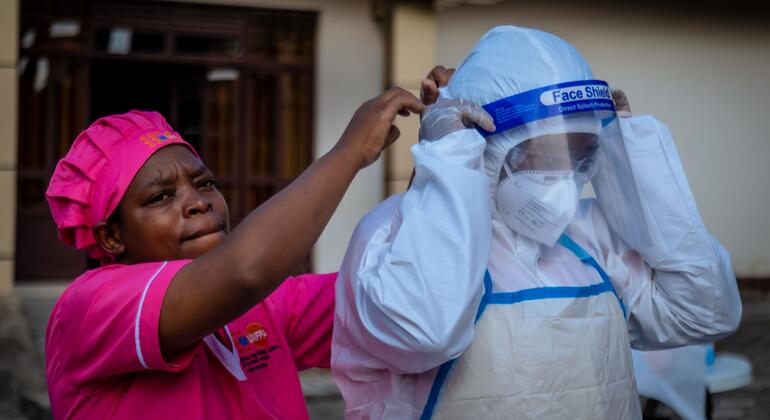
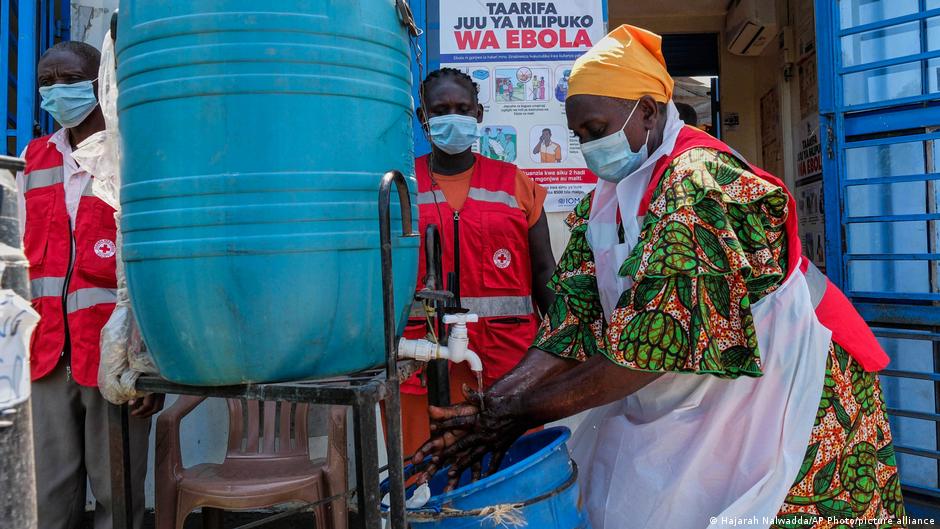
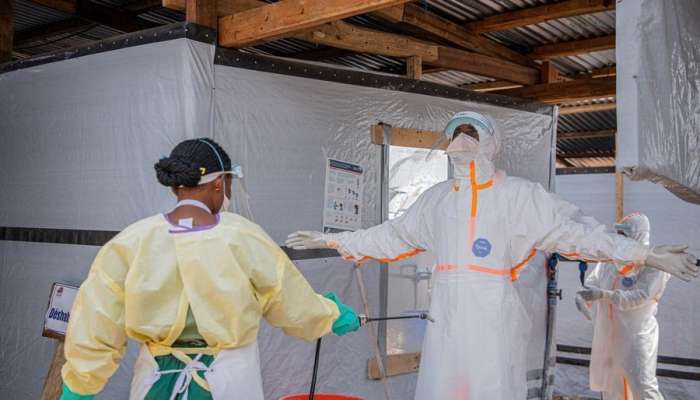
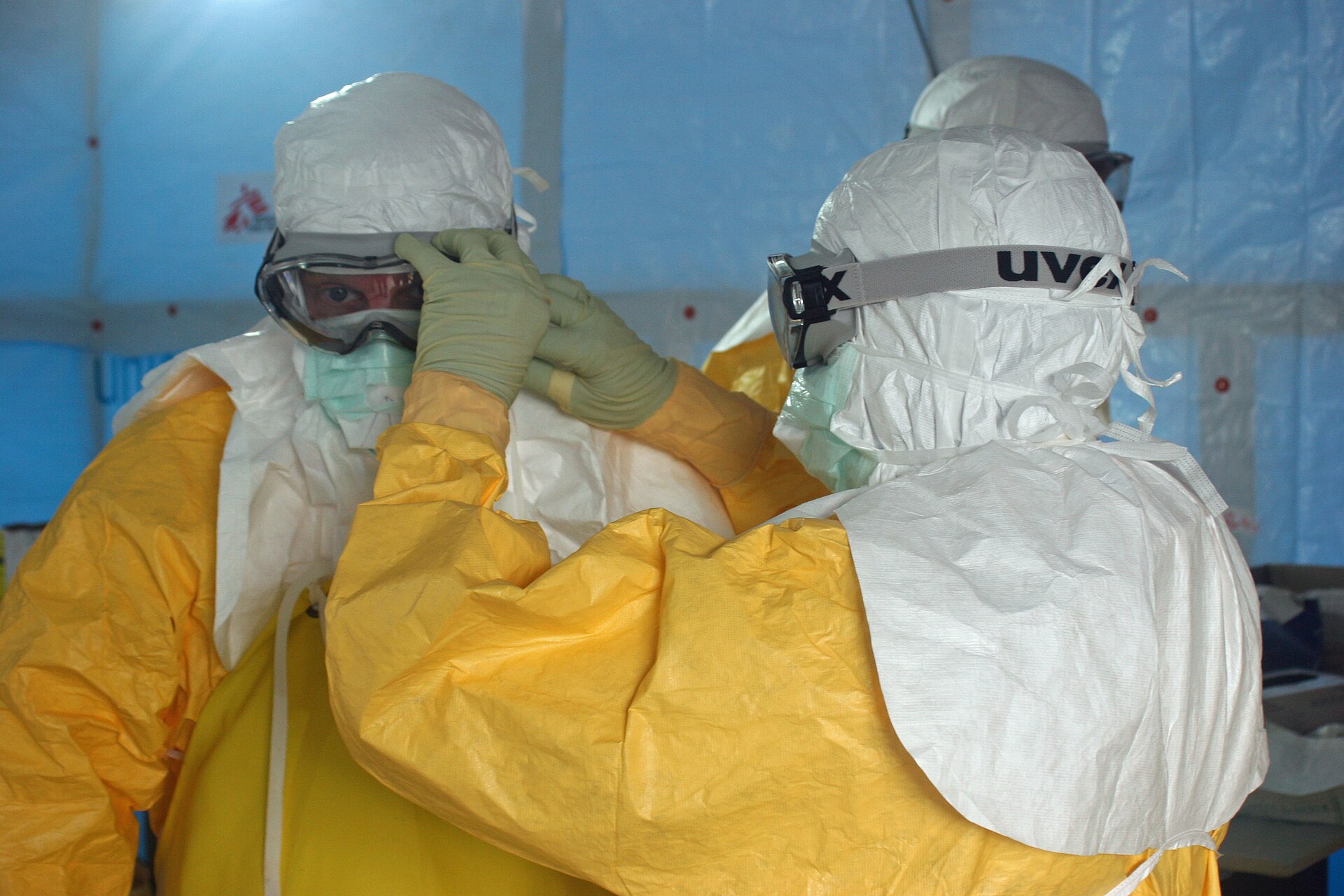
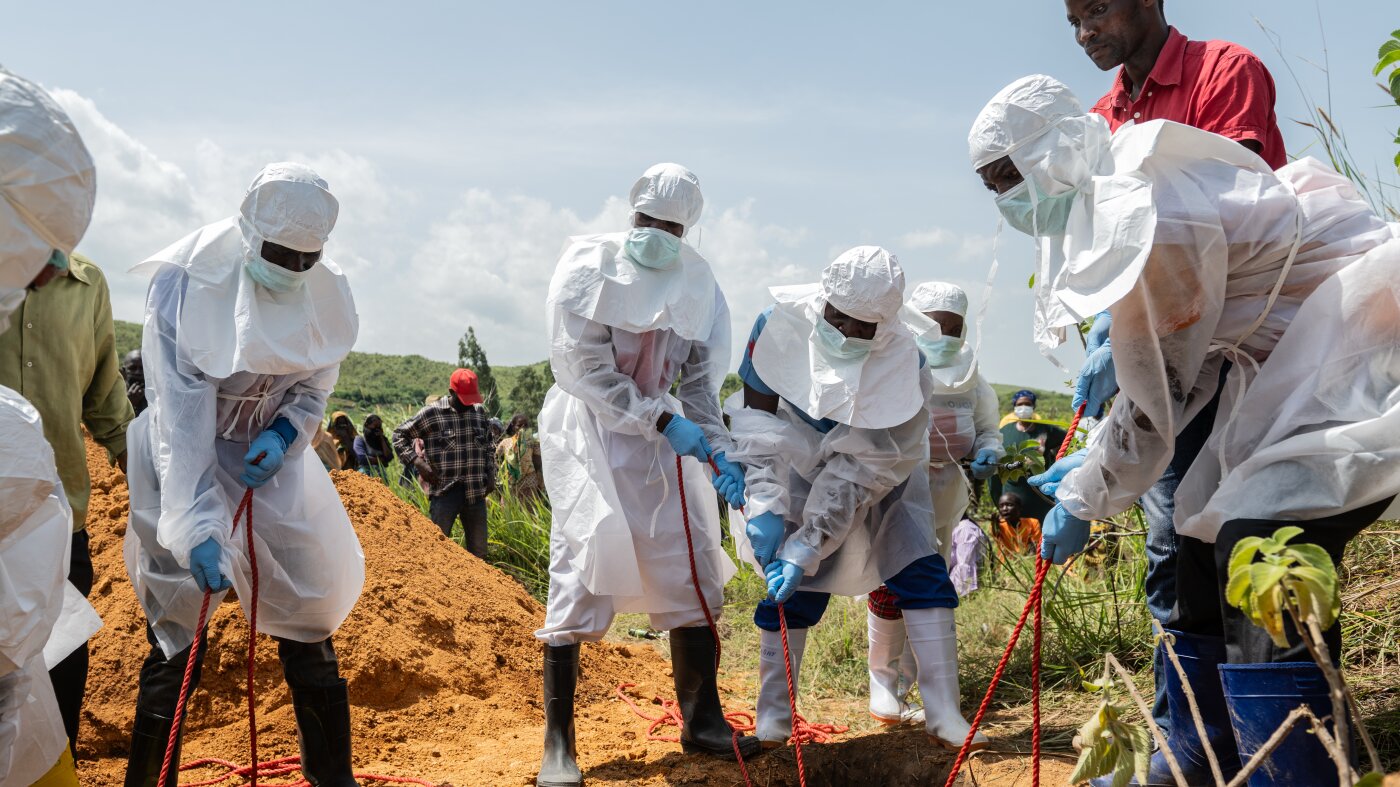
The Democratic Republic of the Congo (DRC) has once again found itself at the centre of one of Africa's most serious public health emergencies. Confirmed Ebola infections have now exceeded 2,000, making this the country's fastest-growing Ebola outbreak on record. More than 750 people have already died, while hundreds of health workers, the very people leading the response, are threatening a full-scale strike over months of unpaid salaries.
The numbers alone are alarming. What makes this outbreak particularly worrying is that it is spreading faster than authorities can contain it. The World Health Organization (WHO) has warned that the epidemic remains in an expansion phase and that current funding and response capacity are falling far short of what is needed.
Africa has dealt with Ebola before. Countries such as Sierra Leone, Liberia and Guinea experienced devastating outbreaks between 2014 and 2016 that claimed more than 11,000 lives and crippled already fragile health systems. Those outbreaks demonstrated that infectious diseases do not remain confined within borders. They disrupt trade, education, investment and public confidence long before they spread internationally.