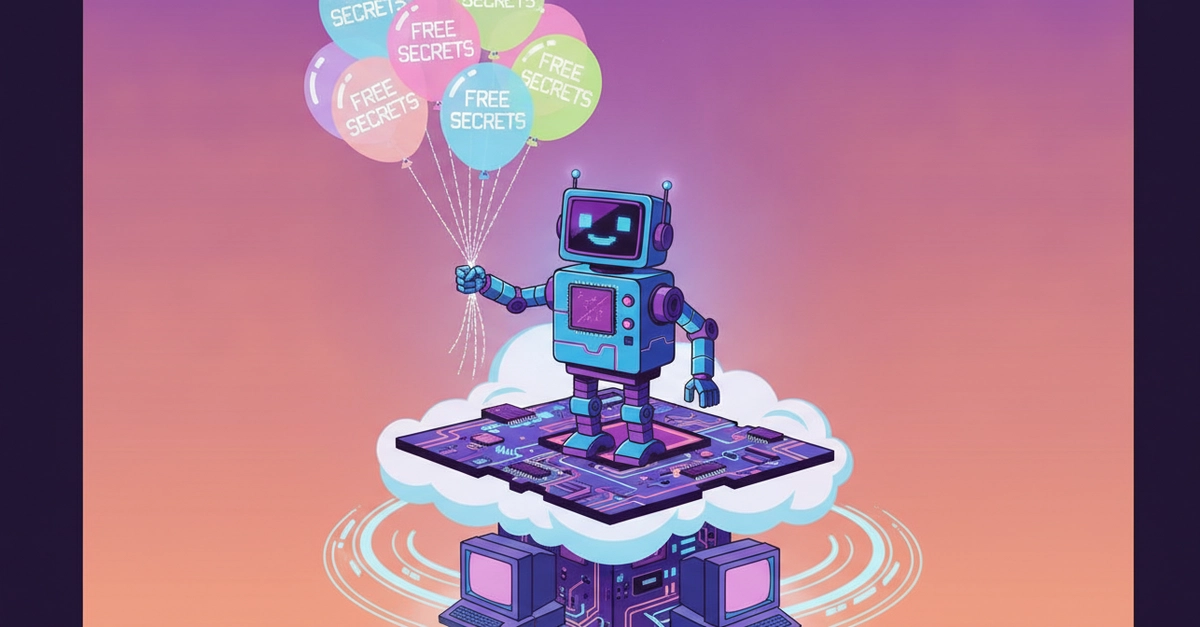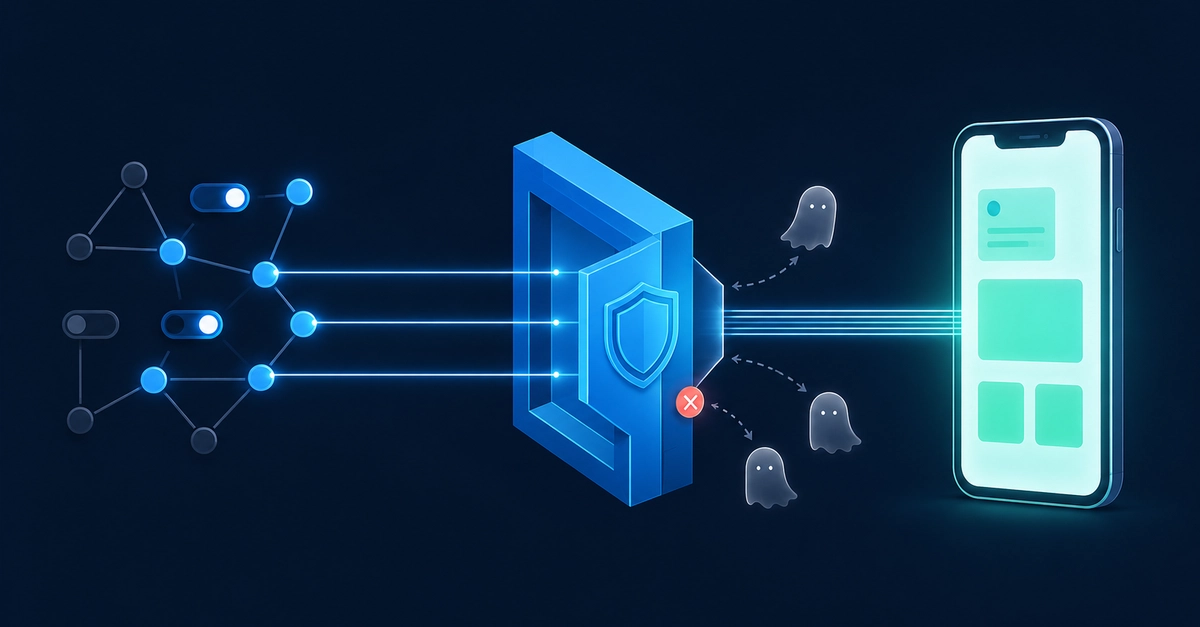
Most apps ship with passengers nobody invited: trackers, analytics and ad SDKs baked into the binary by default. We took the problem the other way around: nothing ships unless the app's owner explicitly turned it on. Here's the engineering, down to the compilation flags.
Quick context: GoodBarber is a no-code app builder (running since 2011). Customers configure an app in a web back office and the platform compiles real native builds, Swift for iOS and Kotlin for Android, plus a PWA. The people who own these apps will never open Xcode. Which makes the question sharper: who decides what code ends up in their binary?
The ghost SDK problem
A ghost SDK is any library that lives in an app's binary without the app's maker having chosen it. The pattern is everywhere, no-code or not:
Template runtimes. Many app factories compile every app from the same master project. Every feature the platform supports, and every SDK behind it, ships in every binary, used or not.