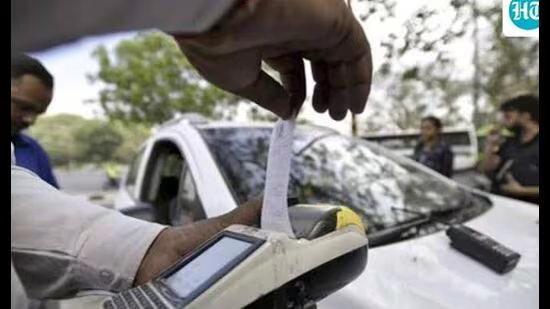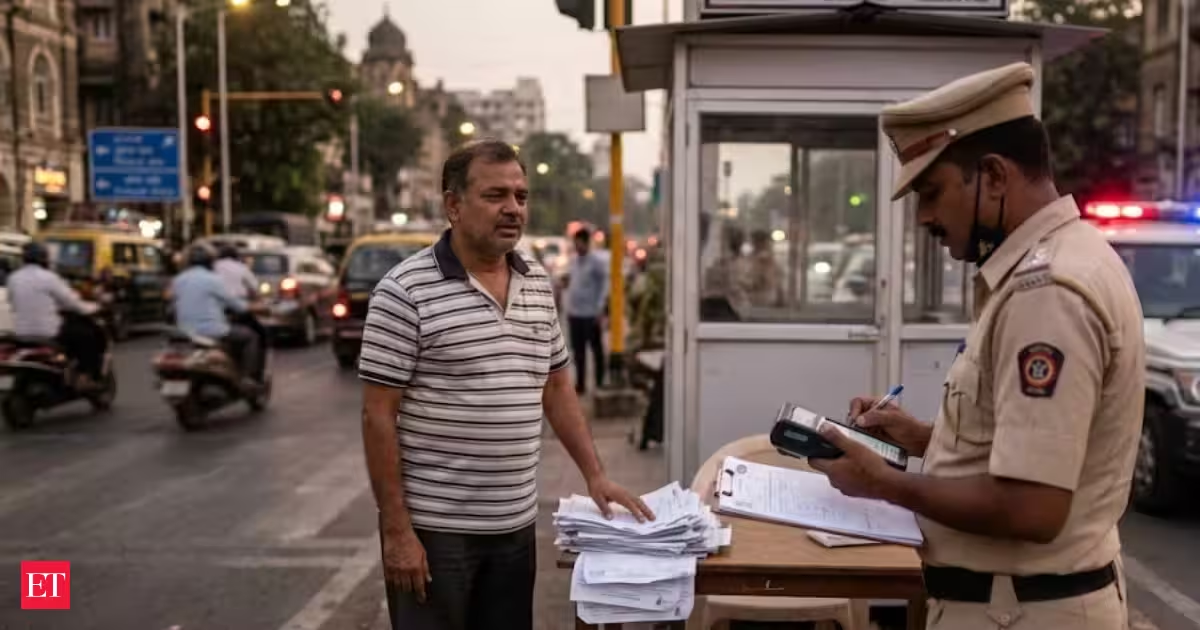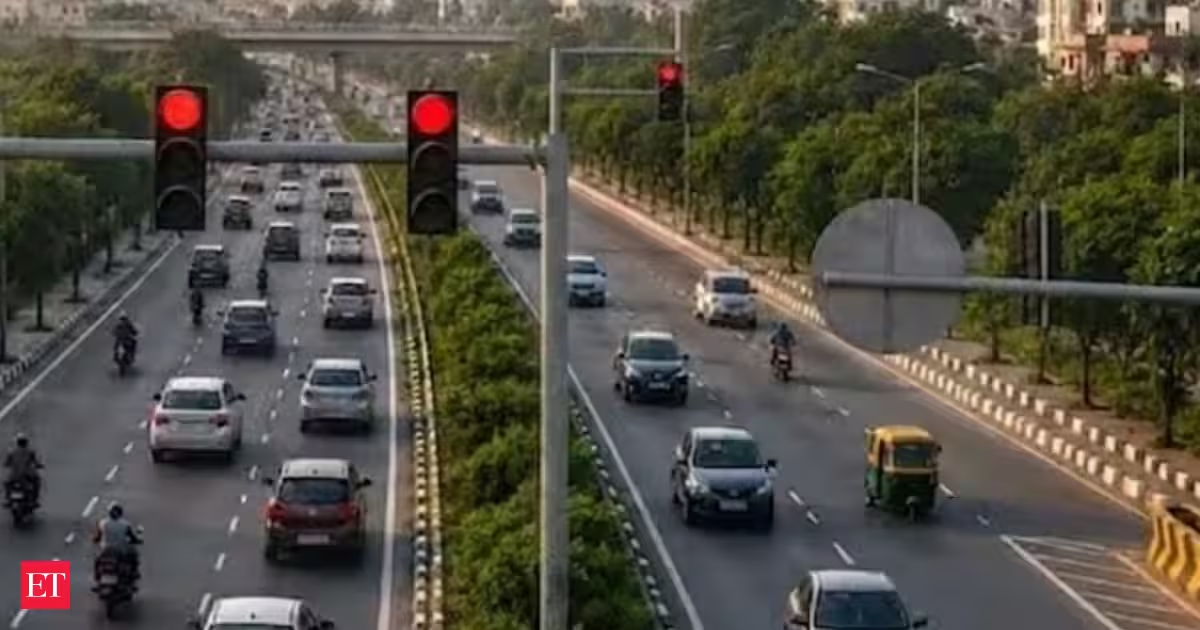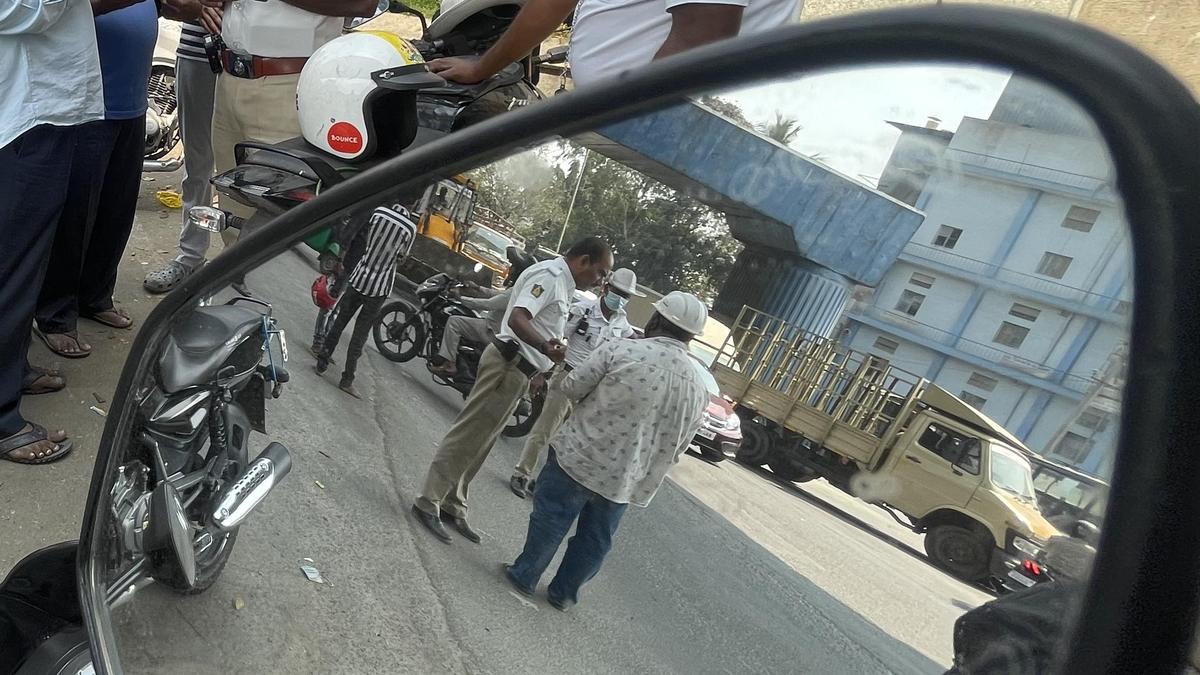
SynopsisDigital challan systems now manage traffic violations, replacing older paper methods. Automated cameras and ANPR software capture violations, which are then logged digitally. Drivers can check their e-challan status online using vehicle or license numbers. Unpaid fines can block vehicle registration and transfers, causing significant delays. Proactive engagement with these digital platforms prevents future complications and administrative hassles.ET SpecialTraffic violations have a way of catching up at the worst possible time. A forgotten fine from six months ago can stall a vehicle registration renewal. Or delay an insurance claim. That shift from paper registers to digital dashboards changes how people interact with enforcement systems.How digital challan systems actually workMost people think the process is simple. Camera catches a violation, fine lands in the system. Wrong. The reality involves several layers that most drivers never see.Automated cameras at intersections capture registration plates, and ANPR (Automatic Number Plate Recognition) software reads the text. That data gets matched against the Vahan database, which links the plate to an owner. A challan entry then gets generated under the Motor Vehicles Act section that applies - whether it's Section 184 for dangerous driving or Section 177 for general traffic rule breaches. For drivers in India, checking e challan UP status online has replaced what used to be a full morning lost at the traffic office.Here's what actually happens behind the screen: The challan record sits in a state transport department server, tagged with a challan number, date, location coordinates, and photographic evidence. When drivers check their status online, the portal pulls this record using either the vehicle registration number or driving licence number as the lookup. The system also flags whether the fine is pending, paid, or under dispute. Not all states update their databases at the same speed.The practical gains of going paperlessPaper challans created problems that digital records eliminate. Physical slips got lost in glove boxes. Drivers disputed fines they'd already paid because receipts faded. Traffic constables had limited tools to verify on-the-spot whether a vehicle had outstanding dues.Digital platforms address each friction point:Persistent records: Every challan stays accessible until resolved, regardless of whether the driver remembers receiving it.Payment trails: Once a fine is cleared, the transaction ID and timestamp are logged permanently - no receipt to misplace.Pre-sale verification: Buyers can look up pending challans before completing a used vehicle purchase, avoiding inherited fines.Dispute filing: Some state portals now allow online objections with uploaded evidence, reducing the need for physical court visits in minor cases.The critical step is accessing the correct portal. Each state operates its own traffic challan system. Uttar Pradesh uses the UP Traffic Police portal. Delhi relies on the Delhi Traffic Police website. The mParivahan app provides national-level access to challan data across states, pulling information from these same state sources.Most drivers find that managing the payment of e challan through these digital platforms eliminates the queue-based hassles of physical payment centres. Online gateways accept multiple payment methods and generate instant receipts.What catches most people off guardUnpaid challans carry enforcement consequences that drivers often underestimate. A single unpaid challan rarely causes immediate trouble on its own. Stack three or four, and the total fine amount increases. That changes everything for someone planning to sell their car or transfer registration. Regional Transport Offices cross-check pending challans during Form 29 and Form 30 processing. An unresolved fine can block RC transfer, fitness renewal, and PUC issuance. Repeated unpaid challans can trigger a court summons under the Motor Vehicles Act.The practical approach: resolve fines when identified. Immediate resolution prevents penalties from compounding and avoids paperwork delays that surface during transactions like insurance renewal or vehicle sale. Setting a quarterly reminder to check the relevant state portal takes two minutes and prevents surprises during transfers.Another detail worth noting: some digital platforms send SMS or app notifications when a new challan is issued against a registered mobile number. Enabling these alerts means drivers don't need to remember to check manually. The notification typically includes the challan number, violation type, and fine amount, giving enough information to verify legitimacy before paying.Limitations that deserve honest acknowledgementDigital systems aren't flawless. ANPR cameras misread plates, especially on older vehicles where the font has faded, or the plate isn't standard. Challans occasionally get issued to the wrong vehicle owner because a single digit was misidentified. The dispute resolution process, while available online in some states, still moves slowly.Server downtime is another reality. State portals experience heavy traffic around fine payment deadlines, and timeouts during payment can leave a transaction in limbo - deducted from the bank but not reflected as paid on the portal. Keeping a screenshot of the payment confirmation page saves trouble later.Despite these rough edges, digital traffic record management functions better than the old system. Drivers who engage with these platforms proactively tend to avoid the compounding headaches that catch others off guard. The infrastructure exists. Using it consistently is the part most people skip.Read More News on...moreless
Why digital platforms are changing how drivers handle traffic records
Digital challan systems now manage traffic violations, replacing older paper methods. Automated cameras and ANPR software capture violations, which are then logged digitally. Drivers can check their e-challan status online using vehicle or license numbers. Unpaid fines can block vehicle registration and transfers, causing significant delays. Proactive engagement with these digital platforms prevents future complications and administrative hassles.
821 words~4 min read