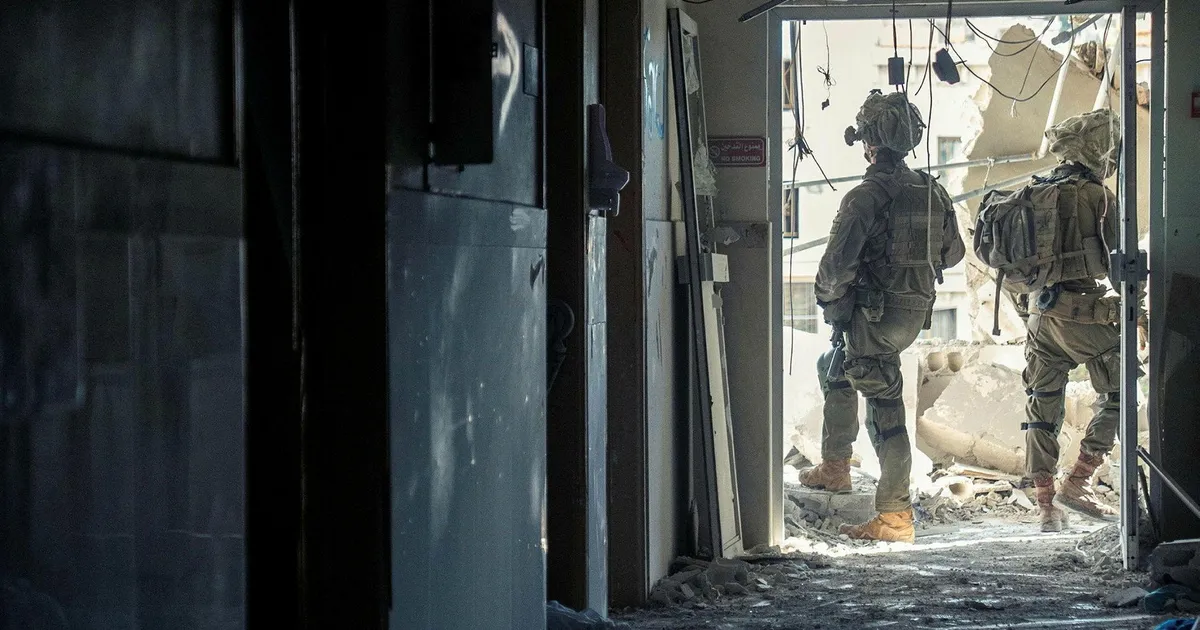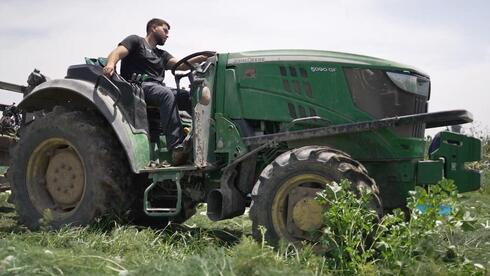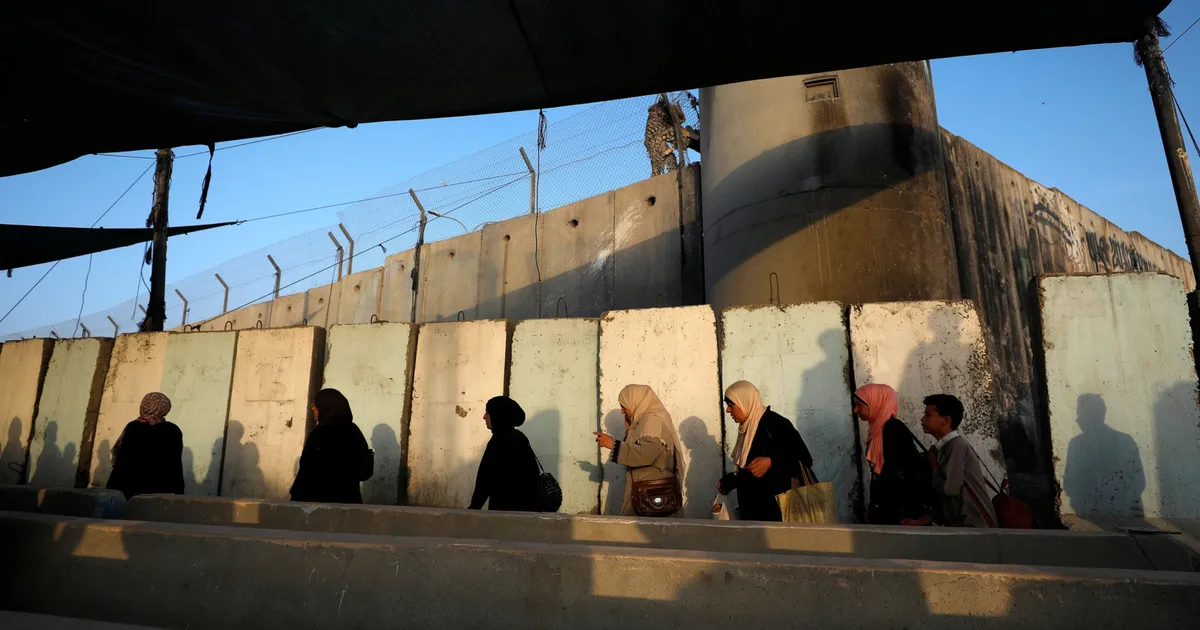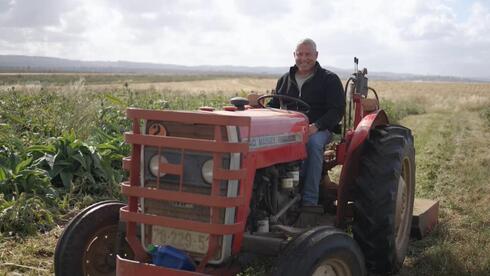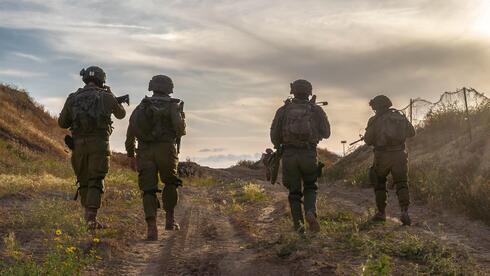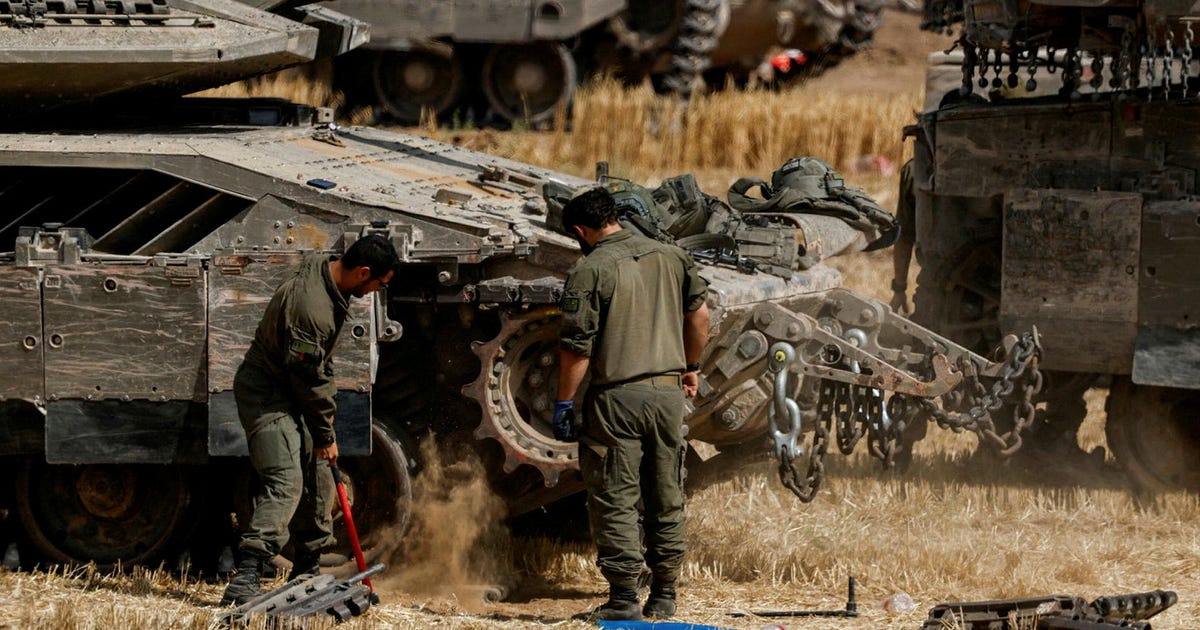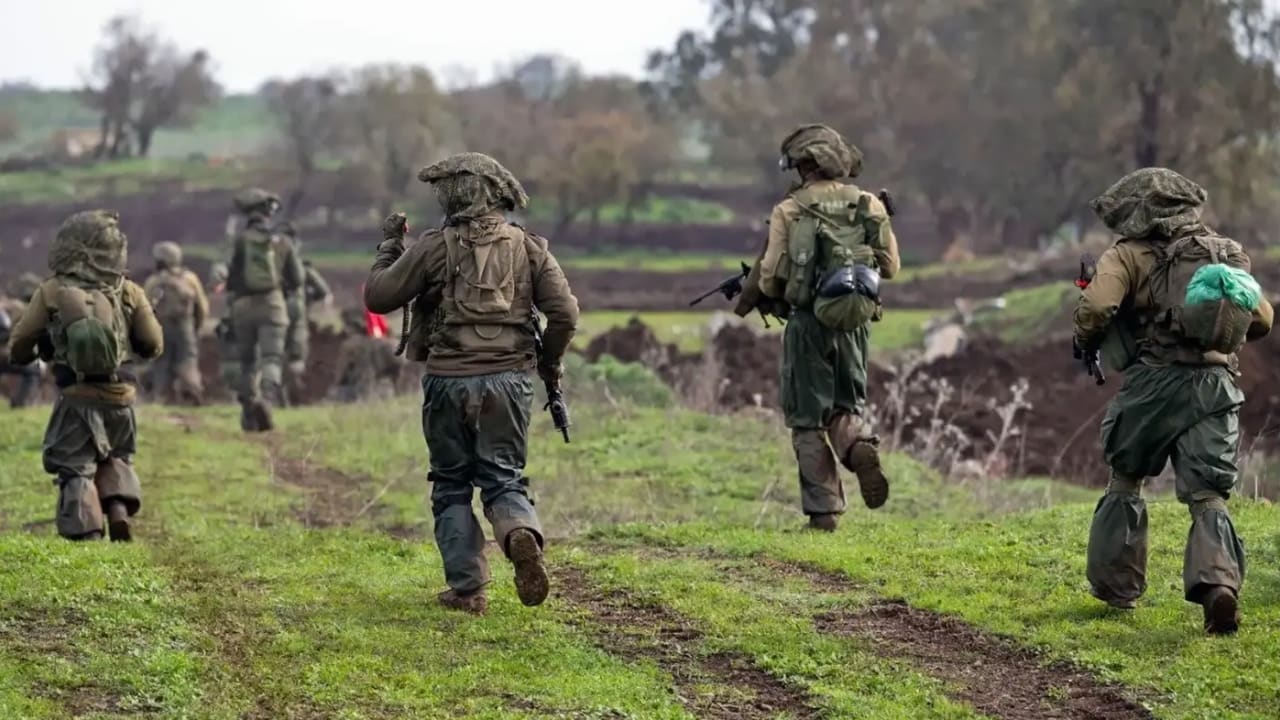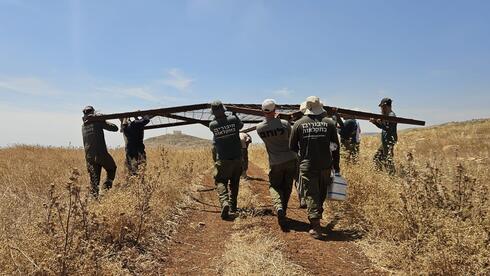
After 14 months of fighting, Nahal troops spent their final year of service farming, mentoring at-risk youths and supporting isolated communities along Israel’s eastern frontier, blending combat service with agriculture in a modern revival of the Nahal modelAfter 14 straight months of combat, the members of the “Hineni” Zionist task group of the Nahal Brigade did not go home to rest. Instead, they headed straight to the Jordan Valley for a full year of agriculture, education, and building up the land. Gilad rose at three in the morning to milk cows in the dairy barn, Liran mentored at-risk teens at the Neve Sraya youth village, and Naveh, who split his days between the orchard and the fields, sums it up: “We experienced the devastation of the war, and now it is time to bloom and to grow”There is one moment that Gilad, 22, will never forget: the moment he climbed onto the truck that took him out of Gaza for the last time, after 14 straight months of combat. But the truck did not head home; it headed to the Jordan Valley, carrying him and his friends, armed with assault rifles on one side and with spades and pruning shears on the other.Gallery'You come straight out of the war to build the next story of the pioneering enterprise with your own hands.' Members of the Zionist task group in the fields of the Valley (Photo: Courtesy of Chiburim BaChakla’ut)“You come straight out of the war to build the next story of the pioneering enterprise with your own hands,” he recalls, “and you feel that you have found the right piece of the puzzle.”This is how, about a year ago, the “mission chapter” of the Hineni Zionist task group began. It is the first pioneer-oriented Nahal Zionist task group of the Bnei Akiva movement, in partnership with the organization Hiburim B’Haklaut, established to strengthen the eastern border in the wake of the Swords of Iron war.The members of the Zionist task group, who enlisted together even before October 7, and who fought shoulder to shoulder in a battalion of the Nahal Brigade, reached the final year of their service and dedicated it, as part of their track, to settlement missions along the borders.This month, the circle was closed with a festive ceremony in the Jordan Valley, one that also marked the revival of the original Nahal model - combat alongside working the land - which had not existed for several decades.And back to Gilad: for an entire year, at an hour when most of us were still deep in sleep, he was already deep into his workday at the dairy barn of Shadmot Mechola.“The moments that will forever stay with me are those of the sunrise over the mountains of Gilead, which are clearly visible from the barn,” he says. “After you have gotten up at three in the morning and prepared the milking area, the sunrise is an awesome view for your morning coffee.”It is hard to imagine a situation more distant from the place he came from, together with his fellow group members. “We had been fighting and standing guard for hundreds of days in heavy vests in the heat, and for a far longer stretch than we had ever imagined,” he recalls. “On the one hand, we want to get to the part of building and developing the country, to share in the ideal of ‘do good.’ On the other hand, these are years in which active combat soldiers who will do the ‘grunt work’ and keep guard even when it is hard and hot are perhaps needed most.”'People who decided to settle where they are needed, not where it is comfortable' (Photo: Courtesy of Chiburim BaChakla’ut)In the end, this dissonance was resolved by the new routine. “All the guys get up at six in the morning and go to pray, and whoever is smart has already prepared his tuna sandwich and cold water in advance, and everyone heads out to their missions, each to the track he built himself together with the Zionist task group coordinators and the heads of the institutions, whether on the agricultural farms, at the youth village, or in the dairy barn.”But it was not only the work that left its mark on him; the residents of the Valley themselves did too. “These are idealistic people building their home in the Valley, a region with a difficult climate, out of love for the land and the soil,” he says. “Every movement a person makes here, every new car driving through the area, all of it is felt immediately, because the place is relatively desolate, and the residents here settled where they are needed, not where it is comfortable to live.”Unlike Gilad, who milked cows, Liran, 23, was not sent to the fields or to the barn, but to the Neve Sraya youth village in Brosh HaBika’a, a location that began its life as a Nahal outpost in the 1980s and which today, closing a circle of its own, once again took in Nahal soldiers who traded combat for building, agriculture, and education.“Taking off the uniform after intense combat and arriving in the Valley is a kind of shock, in the deepest sense of the word,” he says. “My mission was not agricultural but educational, and it took me time to make the switch in my head and move from a combat state of being, alert and operational, to a state of listening, patience, and educational work.”What helped you make that transition?
'We got on the last truck out of Gaza, and went straight down to the fields of the Jordan Valley'
After 14 months of fighting, Nahal troops spent their final year of service farming, mentoring at-risk youths and supporting isolated communities along Israel’s eastern frontier, blending combat service with agriculture in a modern revival of the Nahal model
1,954 words~9 min read