Britain has become accustomed to shuffling through prime ministers at a rapid pace and is now poised to have its seventh leader in a decade. But the transition still requires a few steps.
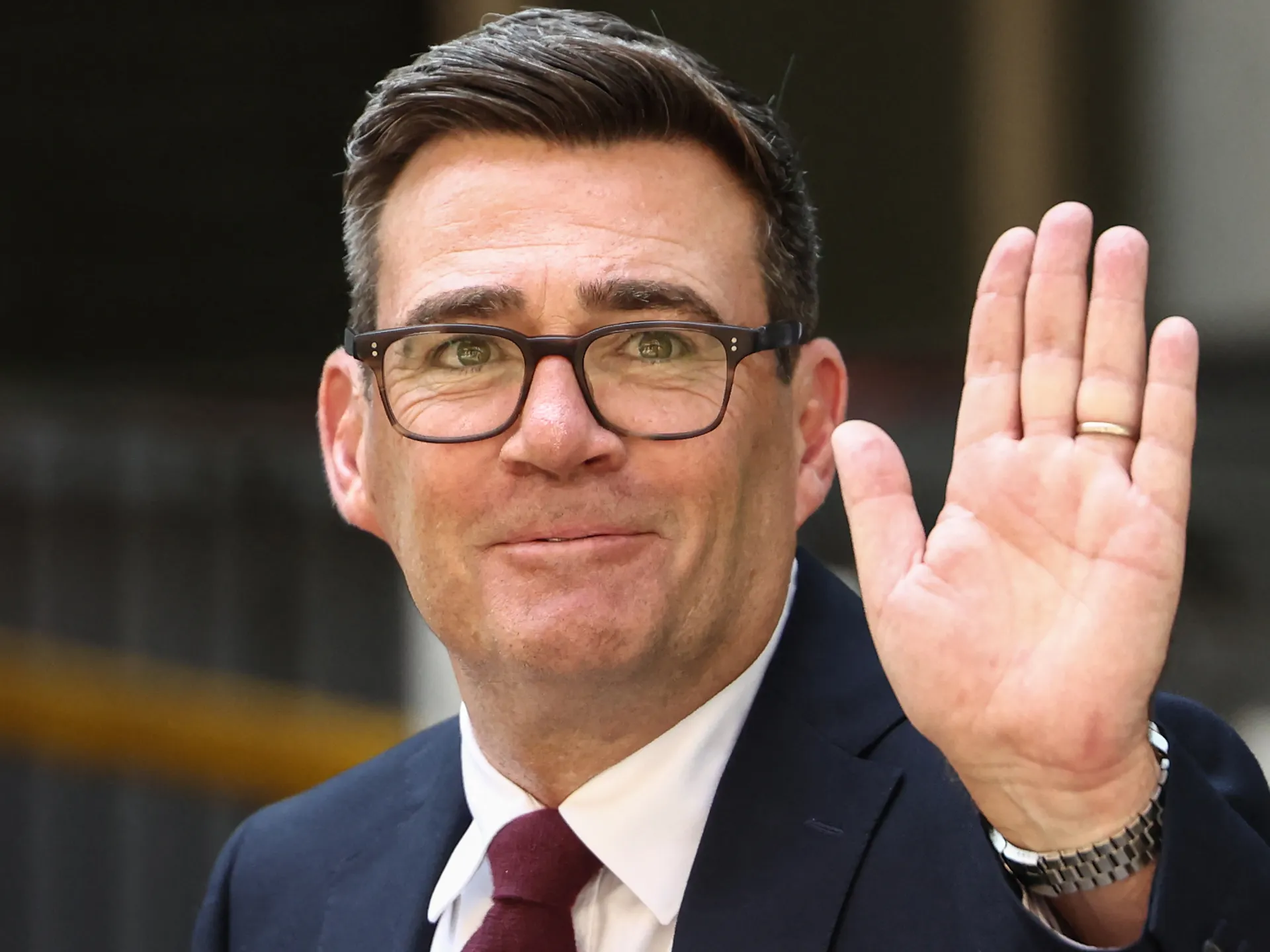
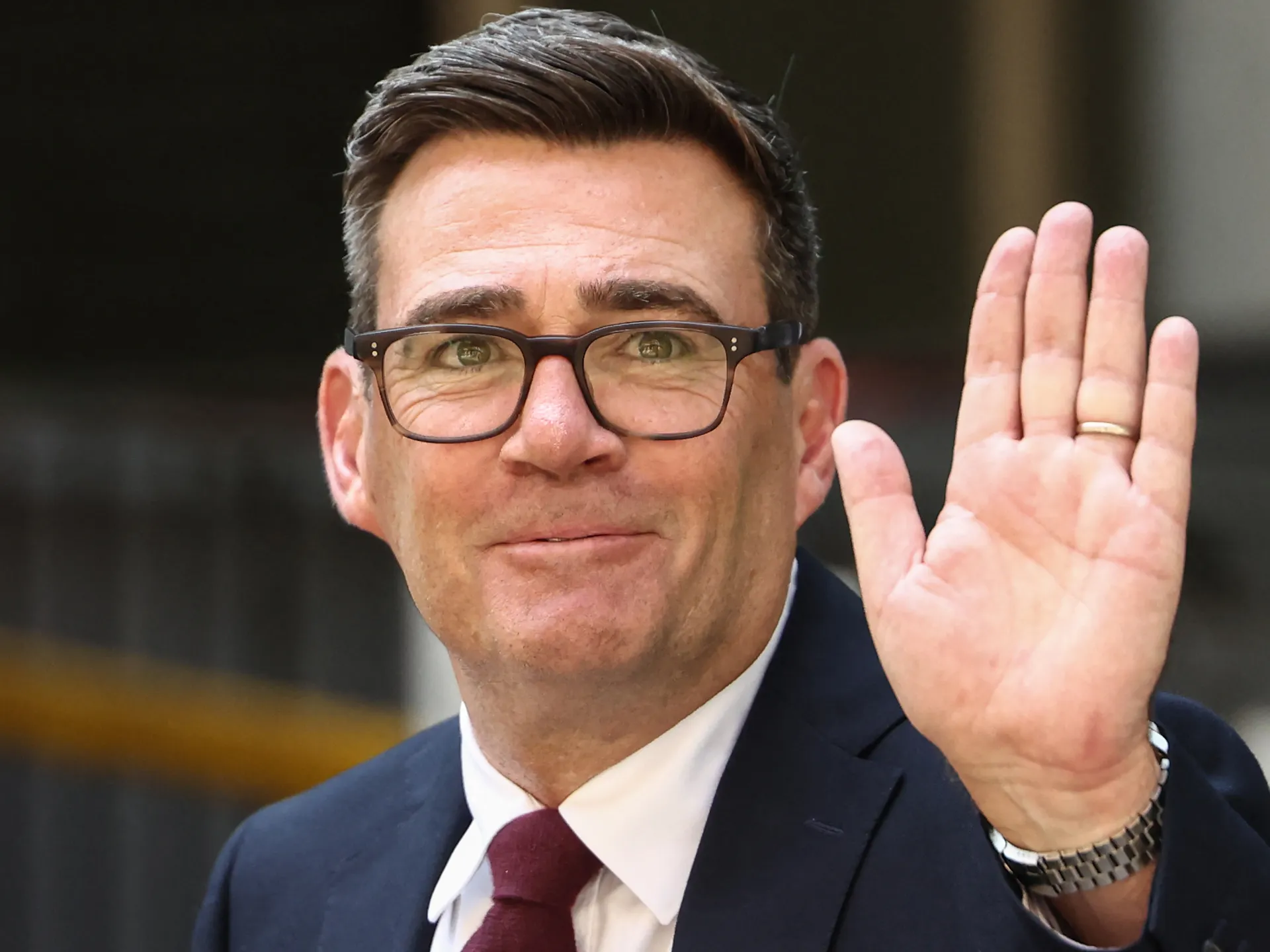
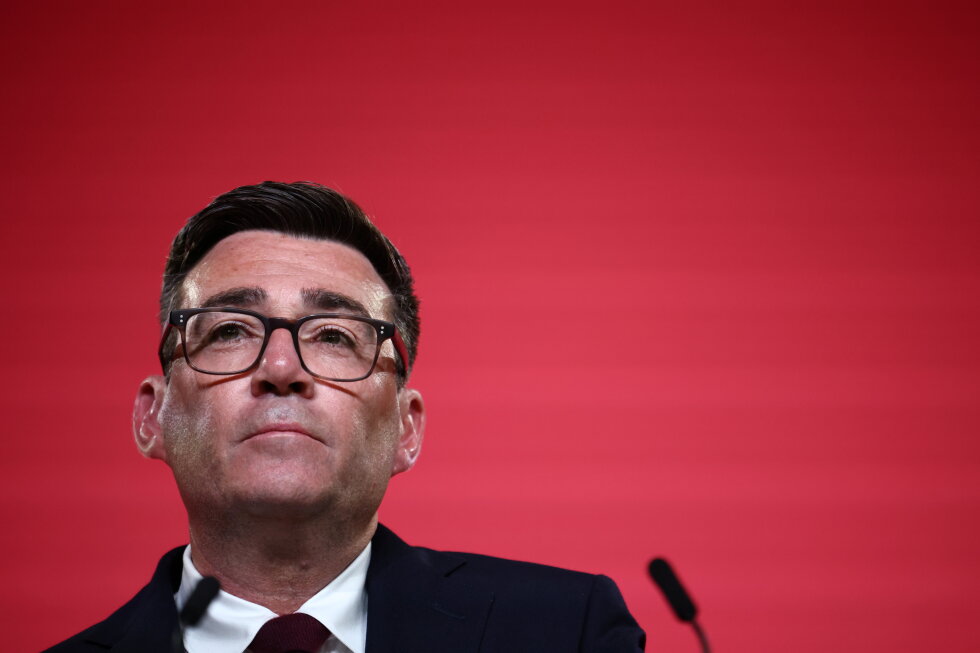
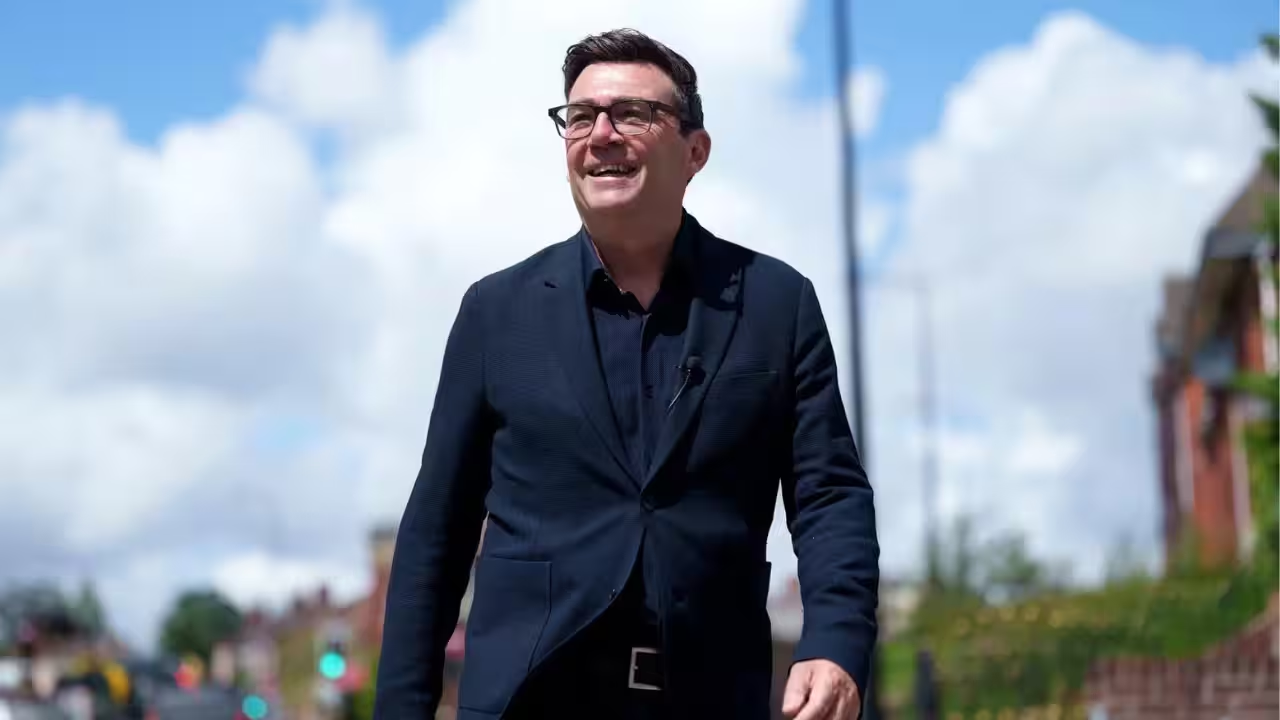
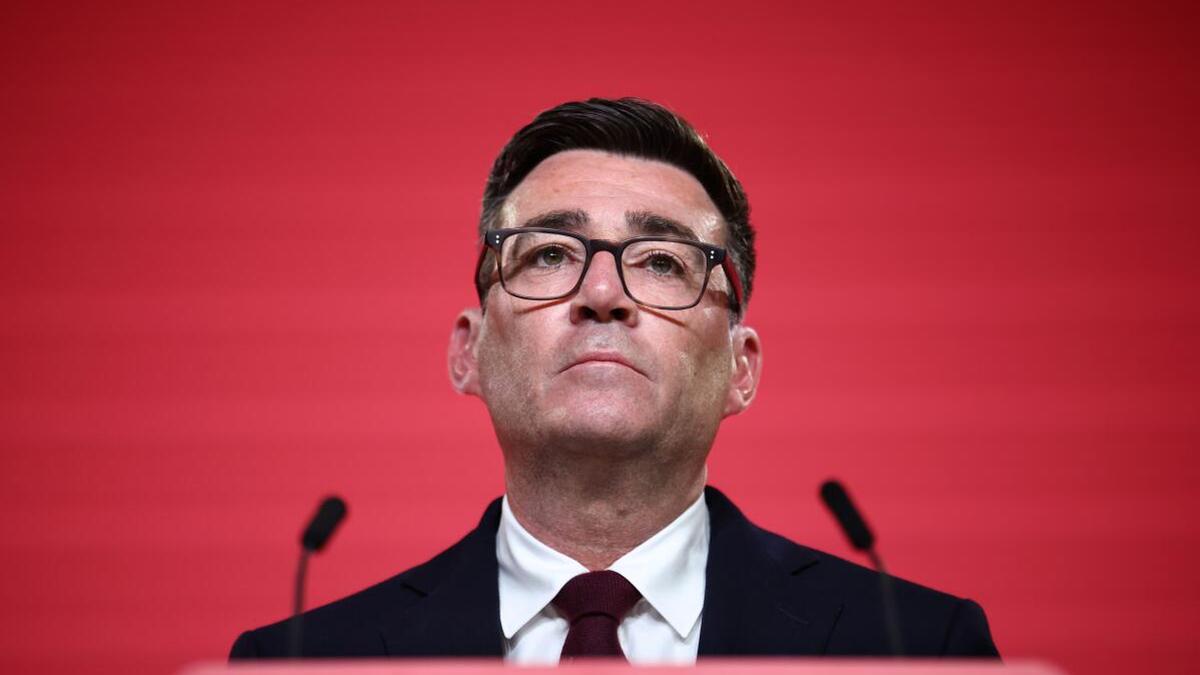
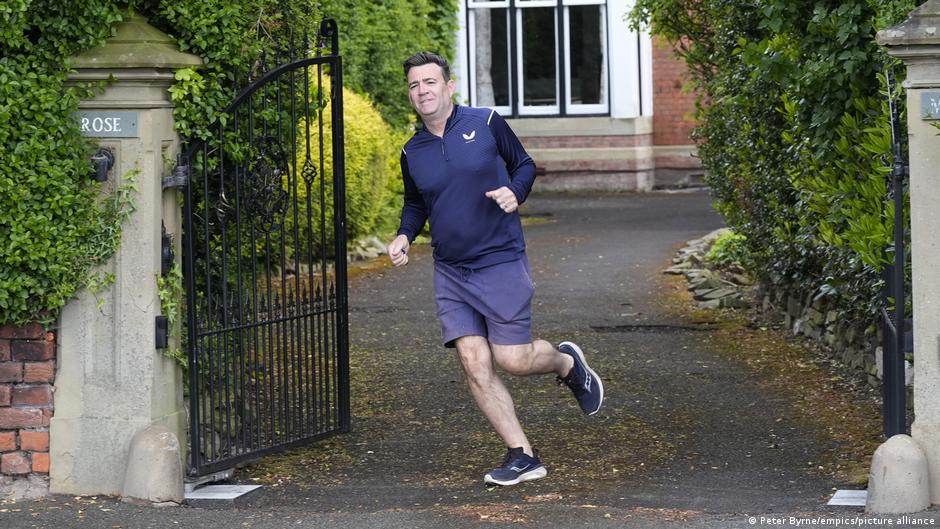
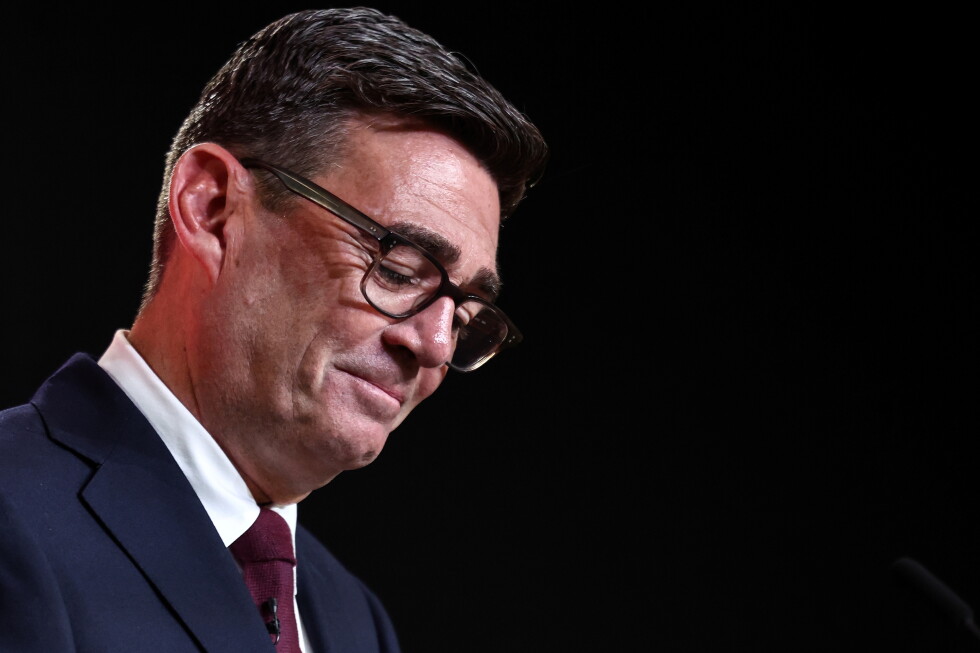
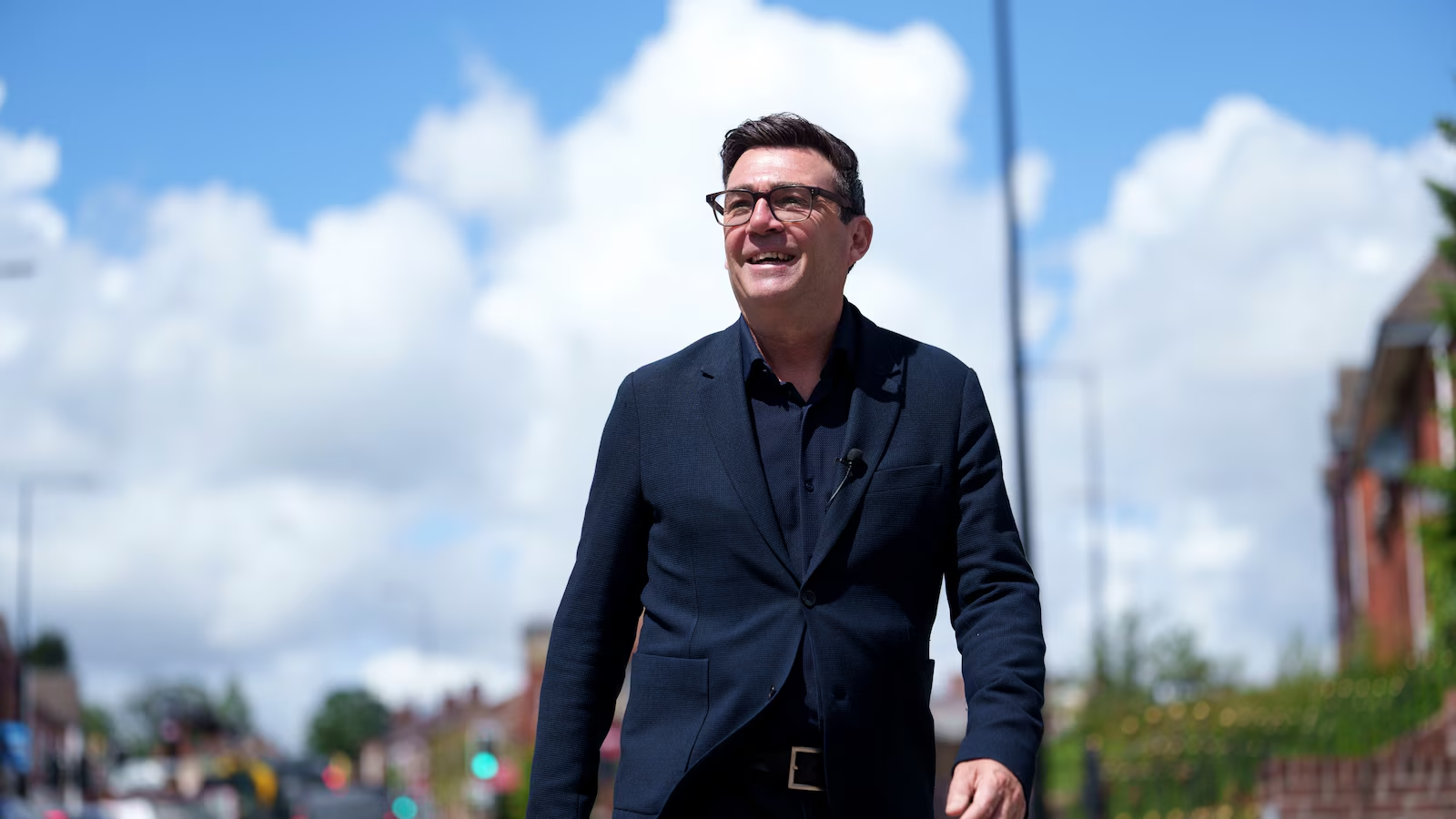
Last month, prime minister Keir Starmer, amid a mutiny from within his party, announced his plans to resign. That made way for Andy Burnham, the former mayor of Manchester, who became eligible by winning a special vote for a seat in parliament.
Because of Britain’s parliamentary system, voters don’t elect an individual to serve as prime minister but rather cast their ballots for a party to govern. It is the party in power, in this case Labour, that gets to decide who is at the helm.
Burnham has made an uncontested bid for leadership of the governing Labour Party, with the backing of almost 95 per cent of his party’s lawmakers in parliament. Once he becomes Labour leader, his path to the premiership will mostly be a matter of formality.
Burnham is expected to officially become Britain’s prime minister on Monday. Here’s how everything is expected to play out: