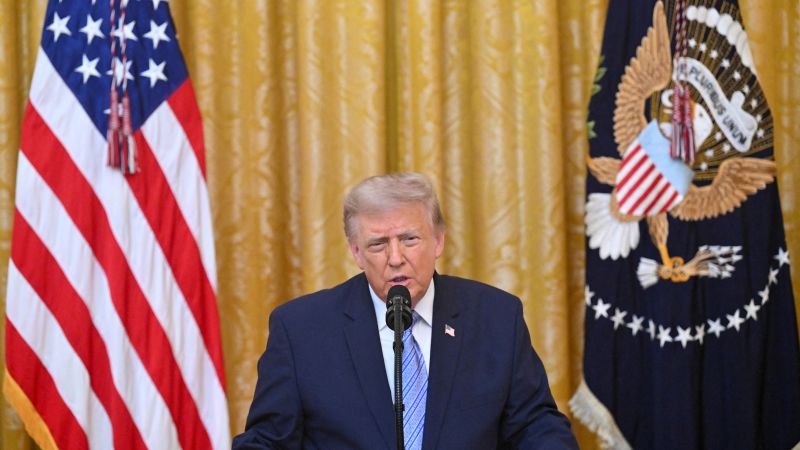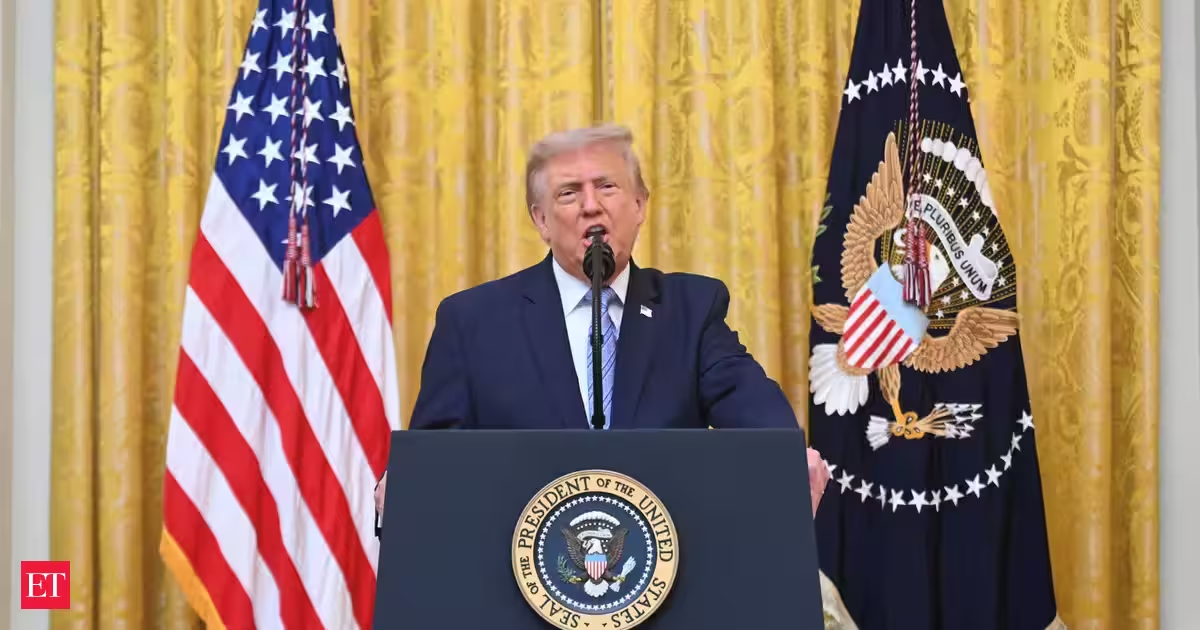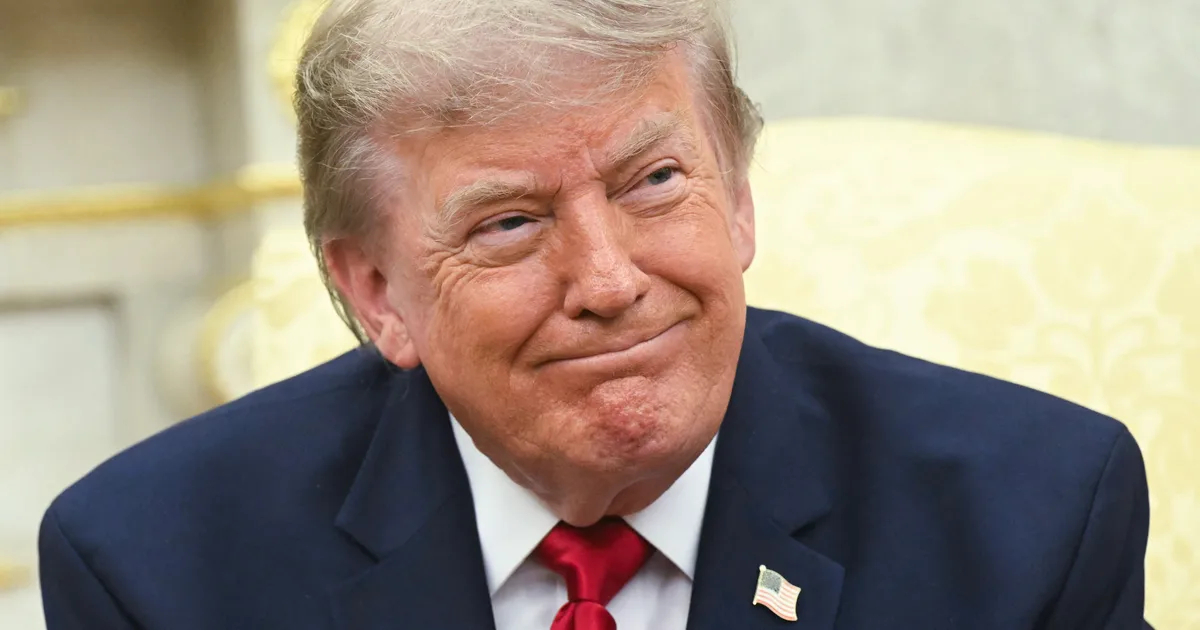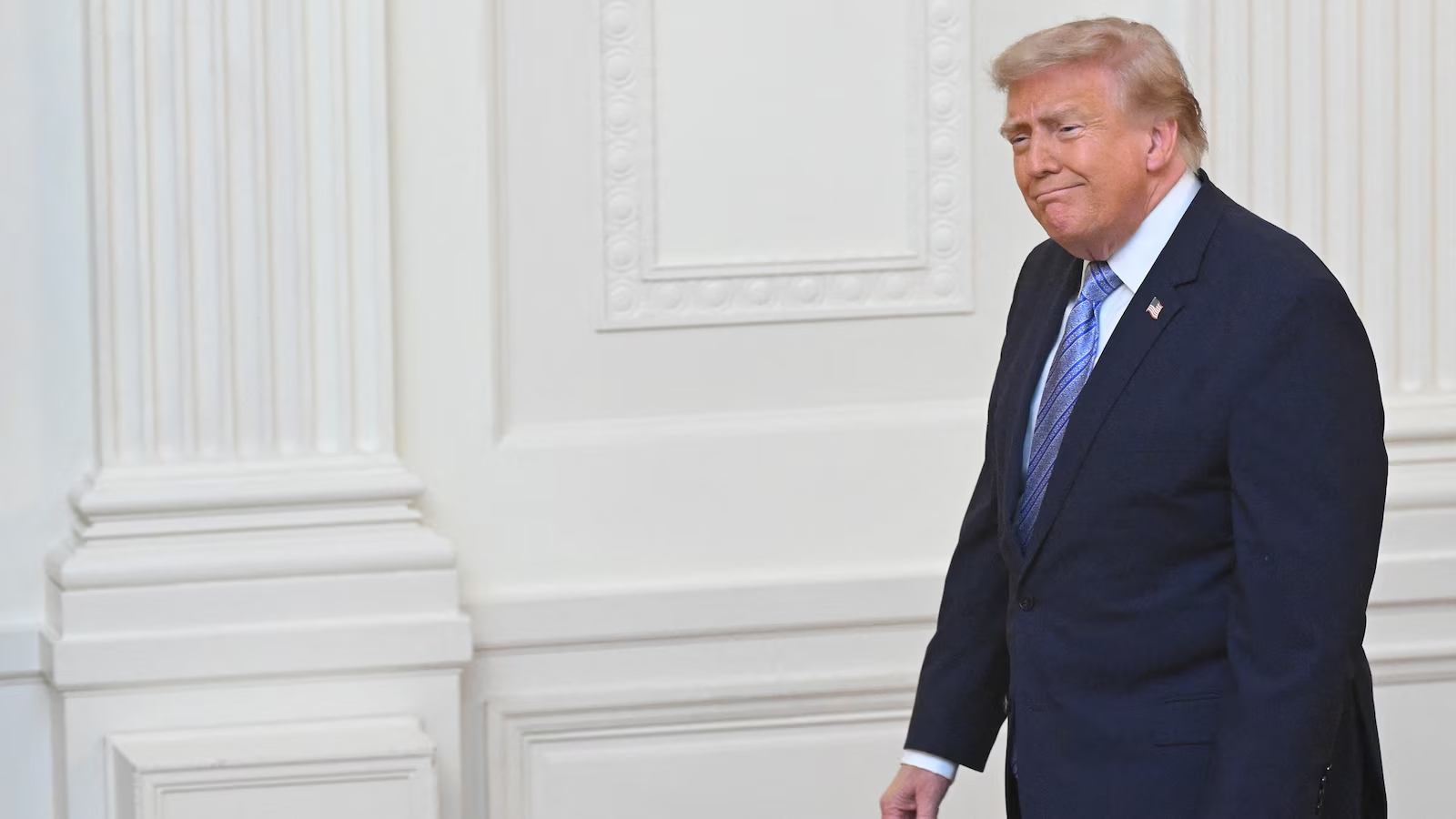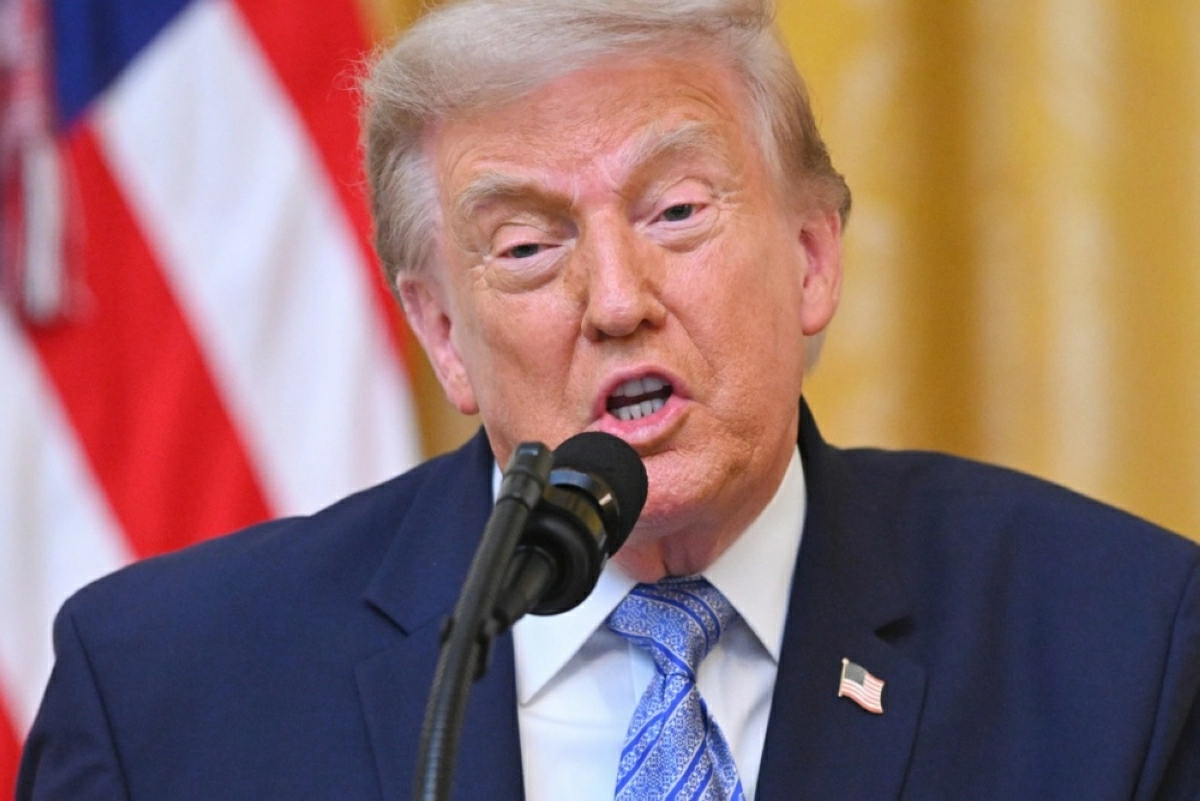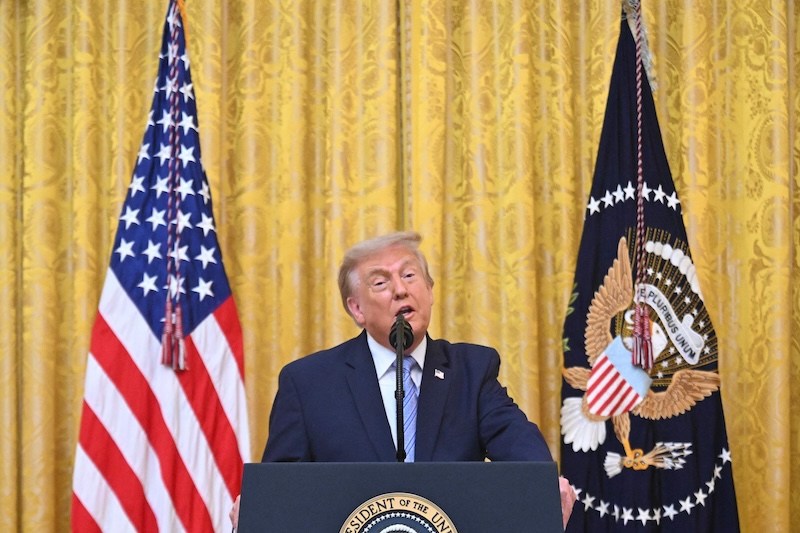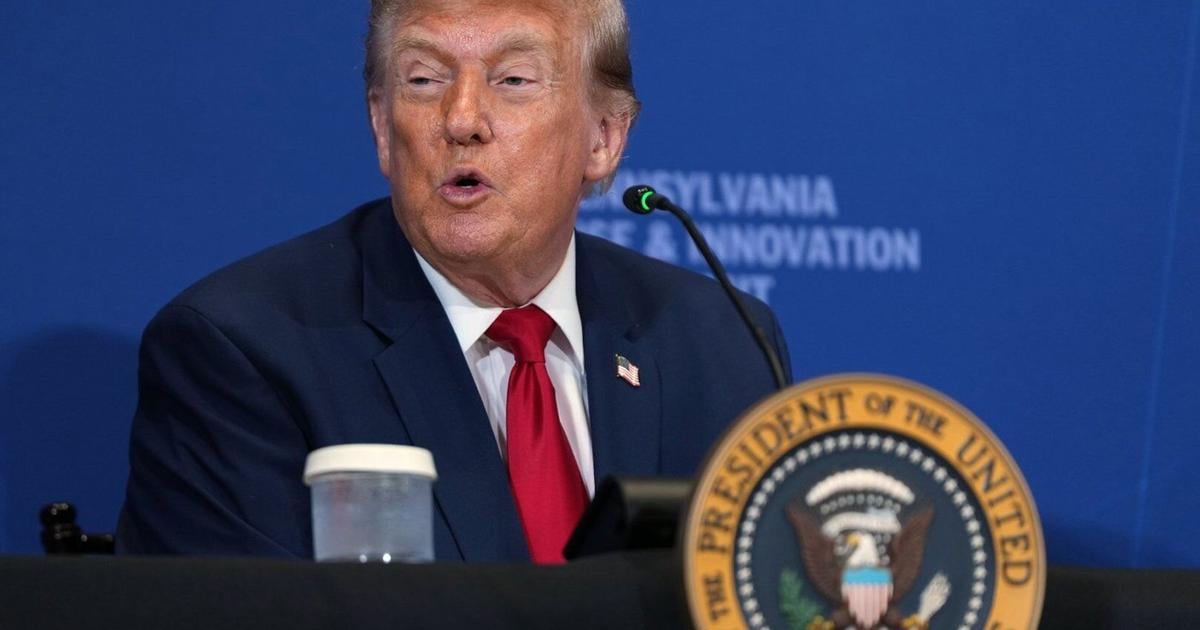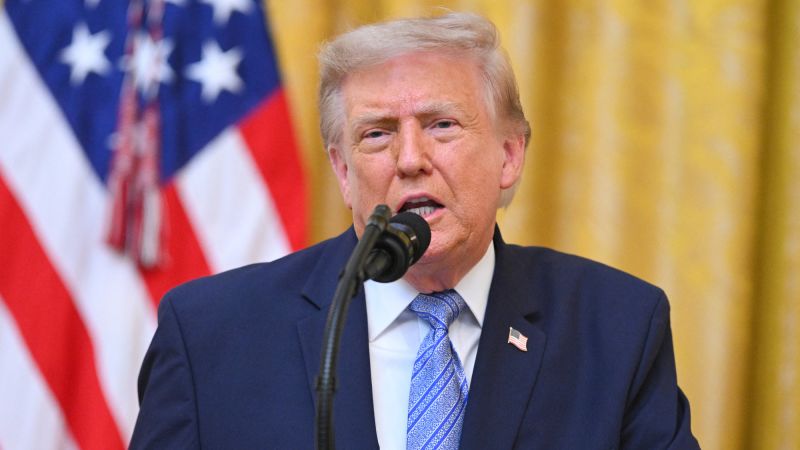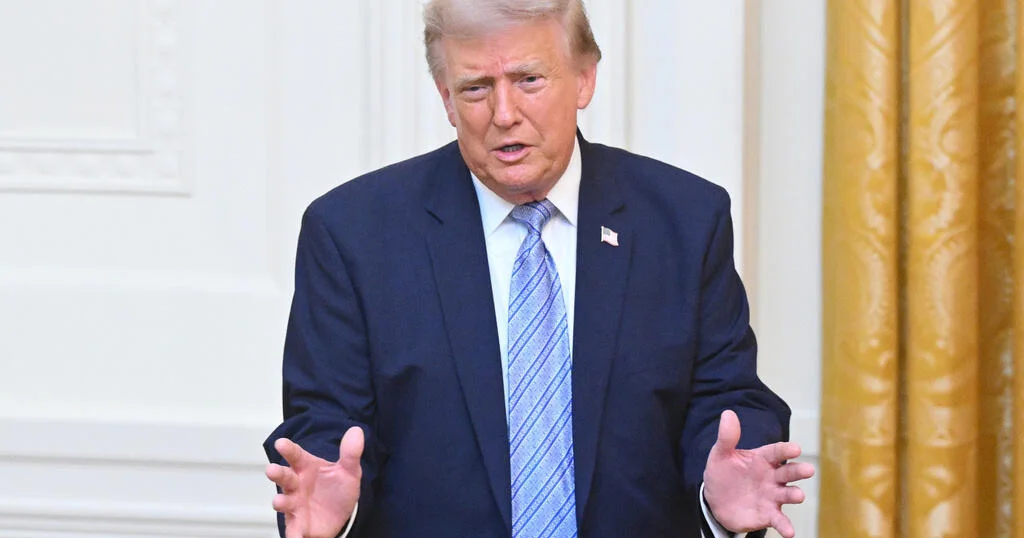
In a primetime address Thursday evening, President Trump alleged the U.S. election system falls "catastrophically short," revisiting a topic that has drawn his attention for years — and making claims that election experts have heavily disputed.The White House released a trove of newly declassified documents on election security in conjunction with the address. In a briefing with reporters several hours before the speech, a White House official acknowledged that none of the newly released information would allege that any votes were switched or voting machines hacked. The president and his allies have long insisted otherwise, falsely claiming the 2020 election was stolen from him due to widespread fraud.Mr. Trump used part of his speech to push lawmakers to pass the SAVE America Act, a suite of controversial proposed election law changes, including requirements to show proof of citizenship to register to vote. That legislation remains stuck in limbo, with some Senate Republicans skeptical. Mr. Trump's allies in the GOP caucus largely praised the speech and echoed his calls to pass the SAVE America Act, while Democrats blasted it and accused Mr. Trump of seeking to undermine elections.Shortly after the speech wrapped up, David Becker, executive director for the Center for Election Innovation and Research, argued that little groundbreaking information was revealed."This administration has been in total control of the federal government for 18 months. They've redirected untold taxpayer resources to try to uncover evidence of massive voter fraud," he said. "And at the end of that 18 months, all we got is more rehashed, debunked conspiracy theories, many of which we've known about before and already knew didn't affect our elections."Trump and ChinaOne of the more notable allegations leveled by Mr. Trump was that the Chinese government had acquired 220 million U.S. voter registration files from 2020 to 2023 in what the president called "the largest compromise of election data in history." The information, the president said, included voters' names, addresses, phone numbers and party affiliations.The president alleged that intelligence agencies "kept the information secret and hidden," never disclosing China's access to U.S. voter registration data to him or to Congress.
In primetime speech, Trump revisits disputed claims about election security and declassifies documents
In a primetime address, President Trump alleged the U.S. election system falls "catastrophically short," revisiting a topic that has drawn his attention for years — and making claims that election experts have heavily disputed.
1,519 words~7 min read