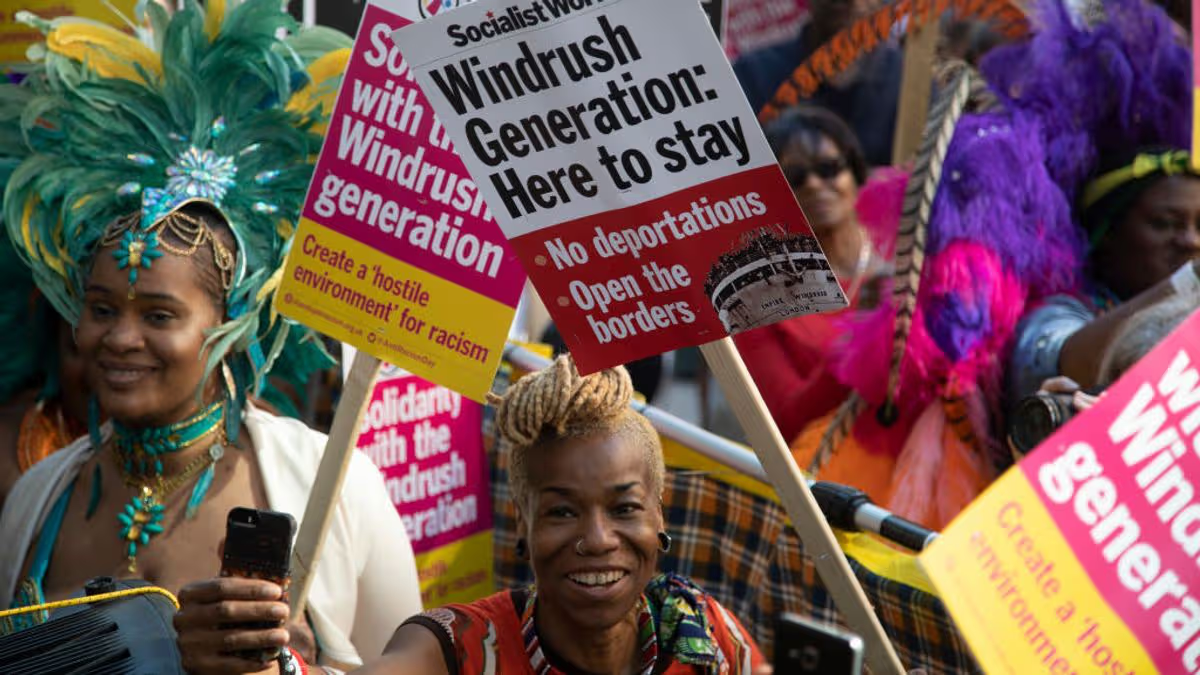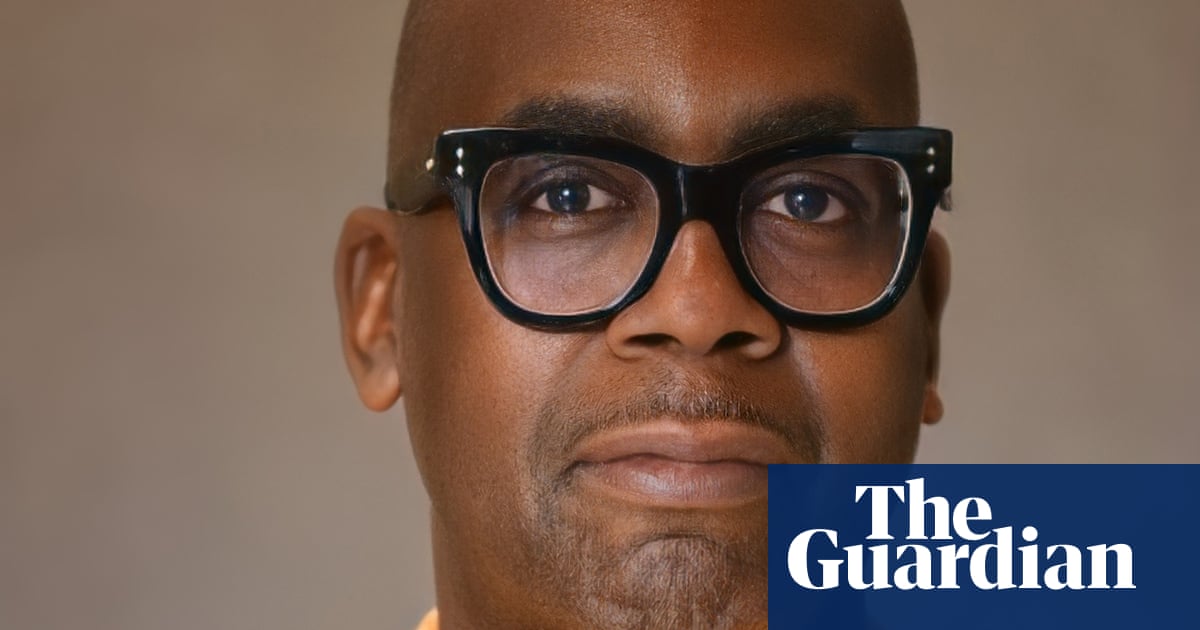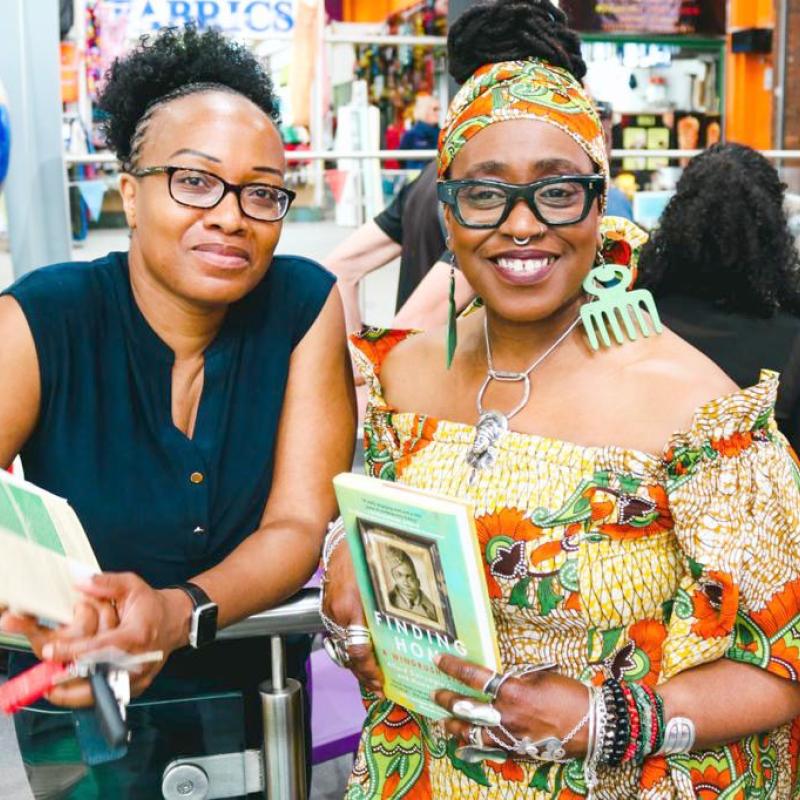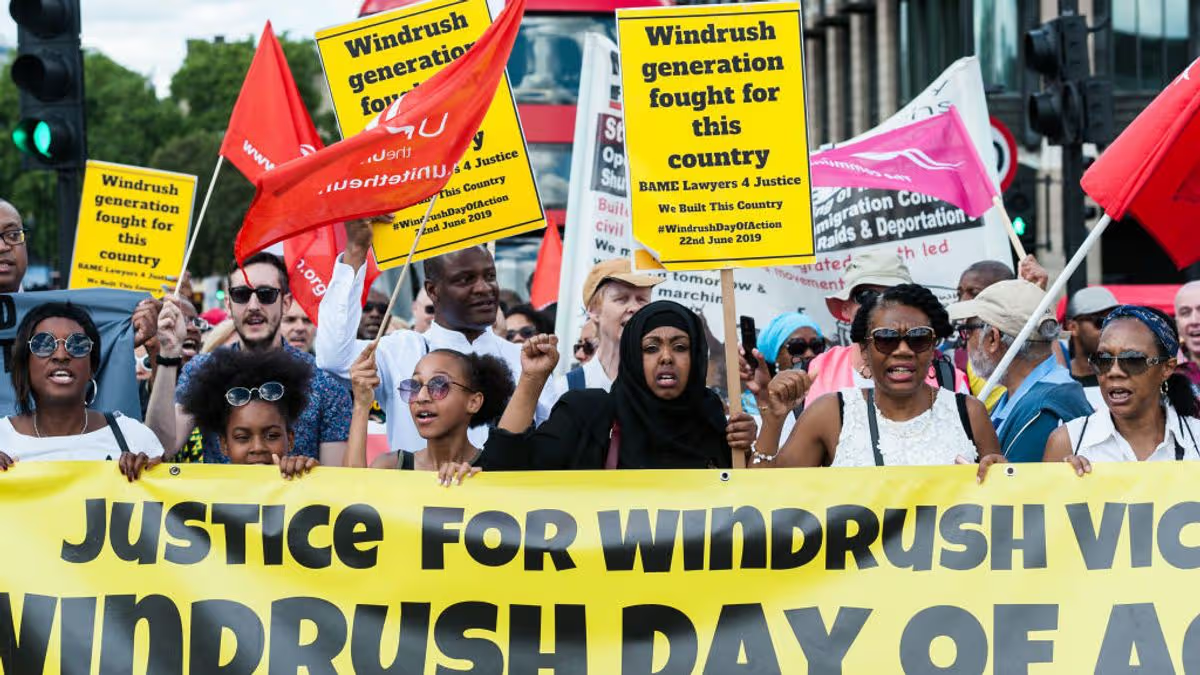
Earlier this month, the government held lavish Windrush Day celebrations across the country, spending £500,000 on the events to mark the 78th anniversary of the arrival of the HMT Empire Windrush. No 10 Downing Street held its own private garden reception, inviting campaigners and community elders to join in the festivities. Several Windrush campaigners declined to attend. They turned down their invitations for a very good reason. Colin McFarlane, the British actor and co-founder of Justice 4 Windrush, a charity he set up two years ago to help the Windrush generation, along with singer Annie Lennox and Pauline Campbell, an award-winning lawyer working with the charity, declined to attend any government-hosted celebrations.Neither of them felt they could attend the lavish parties while Windrush victims were still not accessing the legal rights and compensation they deserve. Like the man their charity supports who was rejected for British citizenship, despite living here since the age of two, and then, days later, received an invitation from David Lammy to the Downing Street celebrations. “Can you believe this? How insulting is that?” says McFarlane, shaking his head. “Some victims have to pay for their healthcare because they've been told they're illegal. And the government’s having celebrations every year about Windrush.”David Lammy at this year’s Windrush Day celebrations in 10 Downing Street (PA)The Windrush scandal appeared to be resolved back in 2018, when then-prime minister Theresa May apologised for “the appalling treatment that many members of the Windrush generation have suffered.” It was finally recognised that many of the people who came to the UK from Caribbean countries between 1948 and 1978 – who were encouraged to live and work in Britain – had been wrongly treated as illegal immigrants despite their legal rights.A Windrush Compensation Scheme was set up to compensate the tens of thousands of people who had suffered financial loss or distress, while a Windrush Taskforce was created to help people confirm their immigration status and obtain documentation. The news was greeted positively, and it felt like justice was finally being given to Windrush victims. But seven years on, the scandal is not over. The Windrush Taskforce was closed for over a year in 2023 when the government shut it down, until strong campaigning brought it back. While the Windrush Compensation Scheme is in action, only 4,000 claims have been paid out so far, with claimants paid an average of £30,000 – despite the fact that many spent decades treated as illegal immigrants, unable to earn a living. Two-thirds have been awarded no monetary compensation, and thousands more are still struggling to access pensions, passports, housing, employment rights, and compensation - despite having lived in Britain for decades.“One of the biggest problems we have is that there is still no legal funding,” says Campbell. She points out that this is the only government compensation scheme with no legal funding for claimants who have to provide an extensive amount of paperwork in a complex bureaucratic process. “Hundreds and hundreds of people are applying for this compensation and they don't meet the criteria; they go through the whole process.”Colin McFarlane with Annie Lennox, who have campaigned on justice for the Windrush generation for years (Colin McFarlane)Meanwhile, the government has spent £500,000 to celebrate Windrush Day each year since 2019 – £4m that the Windrush generation would much rather see invested in legal aid for the compensation scheme.“The government is basically saying: ‘You can celebrate Windrush, but you can’t talk about the scandal, and we won’t give money to people from the African communities or the South Asian communities. It's only the Caribbean communities,’” says McFarlane. “It triggers everything because you think ‘How can I live in a world where you’re telling me I’m illegal, I can’t work, I can’t access the NHS - and then you’re having celebrations every year about Windrush.’”McFarlane is passionate about educating people about the reality of the ongoing Windrush scandal, and how it affects people from 60 countries – not just the Caribbean ones the government has highlighted. “So many people say, ‘Oh, I know all about Windrush, that’s been resolved, hasn’t it?’ and then you have to go, ‘No, it’s not resolved. Do you want to meet some of the victims?’ One of our big points to get across, along with the lack of legal assistance, is that Windrush injustice is global.”McFarlane was inspired to campaign for the Windrush generation because of his parents, both of whom came to the UK from Jamaica in 1954, and experienced racism that neither had expected. It was only because his father worked in the RAF that they were able to eventually secure British passports – and even before then, his father was almost stopped from entering the country after visiting the Middle East with the RAF. The HMS Empire Windrush, upon which the government shipped people to the UK to fill shortages in the labour market following the Second World War (PA)“My dad always says to me, ‘There but for the grace of God go I,’” says McFarlane. “My parents were so upset [about the Windrush scandal.] They just said to me: ‘I feel like we’ve gone backwards. We fought so hard in the Fifties to fight racism and make the best of our opportunities and show the best of ourselves.’”His father is now 91 and believes the government is waiting for the Windrush generation to die out to avoid paying compensation. “I think a lot of people agree with that, sadly,” says McFarlane. “They look at the facts and go: not enough people have been given justice. Although when you speak to the victims, yes, they want to be compensated, but it’s more about being heard, and that’s not happening.”Campbell believes it comes down to racism from the government. “They don’t believe – and they never have – that people of colour’s voices matter. History tells you from the Sixties onwards that the majority of people who came here from Caribbean countries and African countries were skilled but they hit a colour bar. The colour bar still exists in relation to how the scheme is run. When it comes to Black and brown people, they have always been treated differently in comparison to their white counterparts.”McFarlane points out that a government report (which was only published by the Home Office three years later after public pressure) clearly stated that racism was the reason why the Windrush scandal ever happened: “The Windrush scandal was caused by a failure to recognise the changes in immigration and citizenship law in Britain since 1948 had affected black people in the UK differently than they had other racial and ethnic groups. As a result, the experiences of Britain’s Black communities of the Home Office, of the law, and of life in the UK have been fundamentally different from those of white communities. Major immigration legislation in 1962, 1968, and 1971 was designed to reduce the proportion of people living in the United Kingdom who did not have white skin.Lawyer Pauline Campbell believes that the government’s attitude speaks to a larger problem (Pauline Campbell)“This is not new,” stresses McFarlane. “This is not Theresa May. This goes back to the 1940s. It’s the word that people don’t use – sadly, it is racism. This is what is underlying everything and that's what people need to understand and that’s what’s been buried under the carpet, but it is on the government’s website.”This week, there has been an outcry about Shabir Ahmed, the convicted ringleader of the Rochdale grooming gang, responsible for multiple race and sexual offences against underage girls, who has been stripped of his British citizenship by the Home Office, leaving him only with his Pakistani citizenship. But even so, he cannot be deported to Pakistan without the government amending the 1971 Immigration Act that currently protects people who arrived in the UK before 1973 as Commonwealth citizens who cannot be deported.“The minister rightfully wants him removed from this country after the heinous acts he’s committed,” says Campbell. “There is no doubt that everybody is in agreement with that. However, what we have to think about in relation to this is that the government needs to be clear that when they change this piece of legislation, they are going to terrify anyone who has been caught up in the Windrush scandal because of what the hostile environment did.”Colin’s father Sidney receiving an MBE from then-Prince Charles in November 1999 (Colin McFarlane)She points out that the 1971 Act currently protects the Windrush generation – but any changes to the wording could affect anyone who has been here for over 50 years. “What we need the MPs to do before they vote on this amendment is to look at what the specific safeguards are that are going to be put in place to ensure that those who are lawfully here, who have never committed a crime, will not be impacted by this.”Campbell, who has recently managed to create training programs for the Passport Office to ensure people who have lived in this country for years are not blocked from re-entering after going abroad, hopes now that the government will take action to help Windrush claimants. The Justice 4 Windrush group is calling for legal funding for claimings, a lower burden of proof for compensation (some victims have been asked to provide the names of midwives at their birth and paperwork they were never given), a simplification of the compensation process (it is 44 pages along with 200 pages of advice), and for the complaints process to be streamlined, as right now all complaints must go through local MPs.The Home Office was contacted for a comment for this article, but did not respond. “So many people have been traumatised by [the process],” says McFarlane. “People literally want to take their own lives because they think they're in some sort of Twilight Zone. It doesn't make any sense; they've lived here all their lives. People who are married or in partnerships are suspicious of the other person thinking, ‘You must have done something wrong for them to call you illegal.’ No, you've done nothing wrong. It's institutional racism, I'm afraid. And it's been dressed up with immigration and citizenship legislation that allows it to happen.”“The government completely ignores what needs to be fixed and just does the celebrations,” says Campbell. “So that's what the charity is looking to do; we're trying to find this middle road. “No matter how bad it gets, our voices will get louder rather than quieter, and that's how we have to be. But it is exhausting, but it doesn't matter. We know it's going to be a hard road, but we're just going to stay on it.”
‘Millions have been spent on Windrush Day, but thousands are denied their rights’
Seven years after the government apologised for the scandal, it’s far from resolved – as many victims are still living in a world where they are told they’re illegal and can’t work or access the NHS, pensions and passports. Radhika Sanghani talks to Colin McFarlane and other campaigners asking how there can be jubilation every year for Windrush Day when so many are still waiting for recognition of their lawful status
1,781 words~8 min read