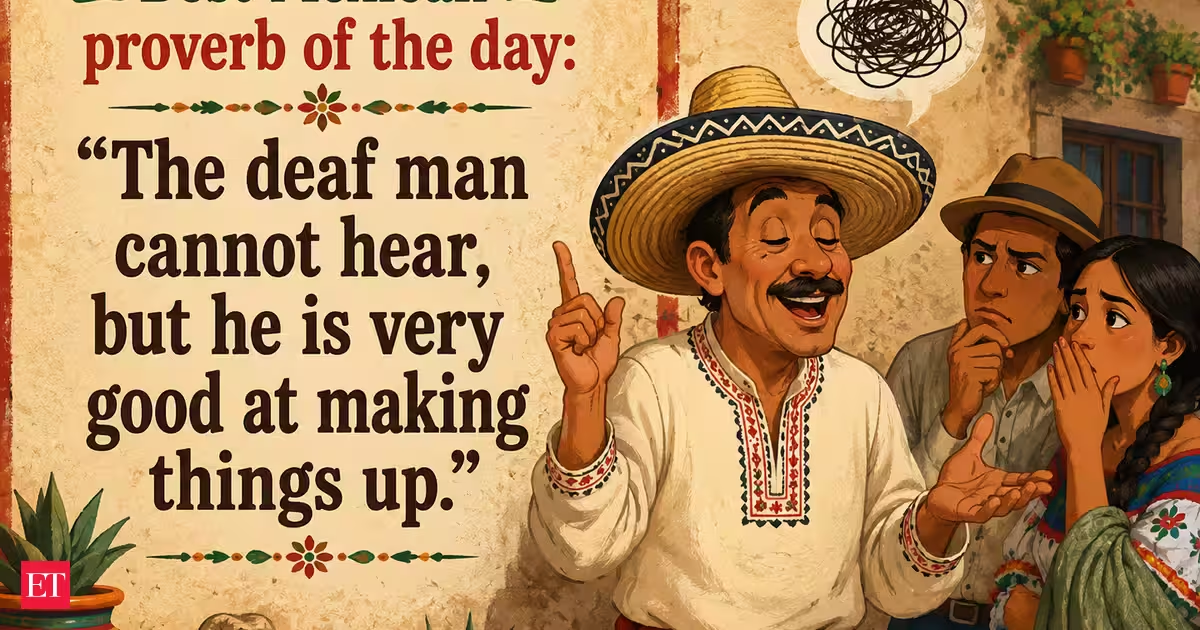
Best Mexican Proverb of the Day: "The deaf man cannot hear, but he is very good at making things up" is a timeless reminder that people should never jump to conclusions without knowing the full story. The traditional Mexican proverb "El sordo no oye, pero bien que compone" warns against making assumptions or inventing explanations when facts are incomplete. In an era where misinformation can spread within seconds, its message about seeking truth before speaking is more relevant than ever. The proverb teaches that people sometimes create their own version of events when they lack accurate information. Instead of admitting they do not know something, they may fill in the gaps with assumptions, rumours or imagined details. The image of a deaf person who cannot hear but still invents explanations is symbolic rather than literal. It illustrates how incomplete knowledge can lead to misunderstandings and false conclusions. The saying encourages humility. It reminds us that acknowledging what we do not know is wiser than pretending to have all the answers.Why "the deaf man cannot hear, but he is very good at making things up still matters today" The proverb has become even more relevant in the digital age. Social media, instant messaging and online discussions allow information to spread rapidly, but not everything shared is accurate. Rumours, edited videos and misleading posts can quickly shape opinions before the truth emerges. This Mexican proverb reminds us to pause before believing or repeating unverified claims. Checking reliable sources, asking questions and listening carefully are essential habits in a world where misinformation can travel faster than facts. Its lesson also applies to everyday life. Misunderstandings between friends, colleagues and family members often arise because people assume intentions instead of communicating openly. The life lesson behind " the deaf man cannot hear, but he is very good at making things up" One of the greatest lessons of this proverb is that wisdom begins with listening. Careful observation, patience and a willingness to seek evidence help people make better decisions and avoid unnecessary conflict. The saying also encourages intellectual honesty. Admitting that we do not have complete information is a sign of maturity, not weakness. By resisting the urge to speculate, we become more trustworthy and thoughtful in our conversations. Ultimately, the proverb teaches that truth deserves more value than quick opinions.Why this Mexican proverb has endured for generations Traditional proverbs survive because they capture enduring truths about human behaviour. Long before the internet or social media existed, people recognised that rumours and assumptions could damage relationships, communities and reputations. This saying has remained relevant because the tendency to invent explanations when information is missing is a timeless human habit. Its memorable imagery makes the lesson easy to remember and apply across generations. Whether in personal relationships, workplaces or public life, taking time to understand the facts before speaking continues to be a mark of wisdom.The enduring takeaway "The Deaf Man Cannot Hear, but He Is Very Good at Making Things Up" reminds us that assumptions are often poor substitutes for knowledge. By choosing to listen carefully, verify information and speak responsibly, we strengthen trust and reduce misunderstanding. In a world where rumours can spread instantly, this traditional Mexican proverb offers a timeless lesson: seek the truth before drawing conclusions.
Best Mexican proverb of the day: "The deaf man cannot hear, but he is very good at making things up." A timeless lesson on avoiding assumptions
Best Mexican Proverb of the Day: This Mexican proverb teaches people to avoid assumptions when facts are incomplete. It highlights the danger of inventing explanations instead of seeking truth. The saying remains relevant today as misinformation spreads rapidly online. Wisdom begins with listening carefully and verifying information before speaking. Admitting what we do not know fosters trust and reduces misunderstandings.
545 words~2 min read