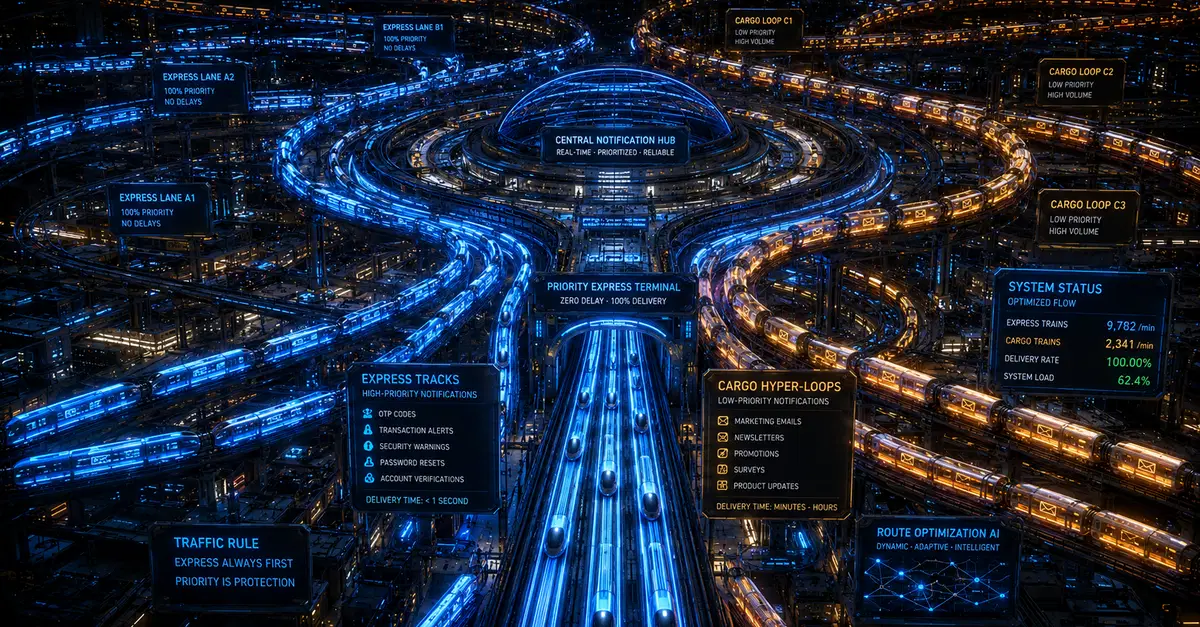
The Notification Queue Traffic Jam
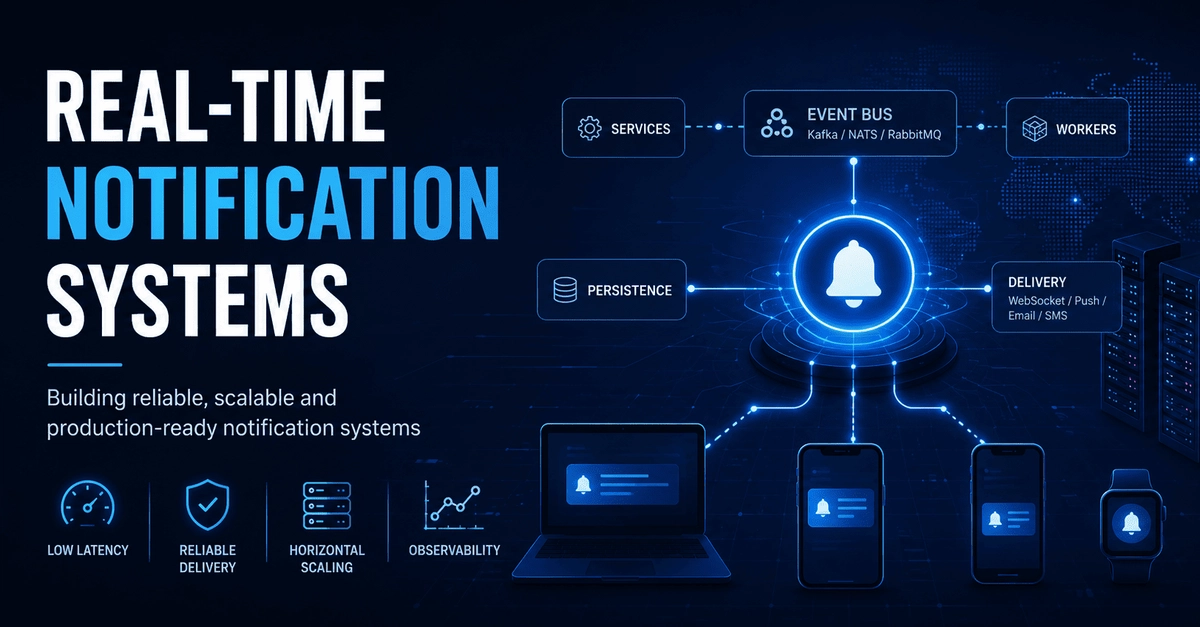
When engineering high-volume notification ecosystems at Smart Tech Devs, offloading alerts to a background processing queue is standard operational practice. Consider a platform that fires multiple types of messages: high-priority One-Time Passwords (OTPs), system password reset tokens, daily account digests, and monthly marketing newsletters.
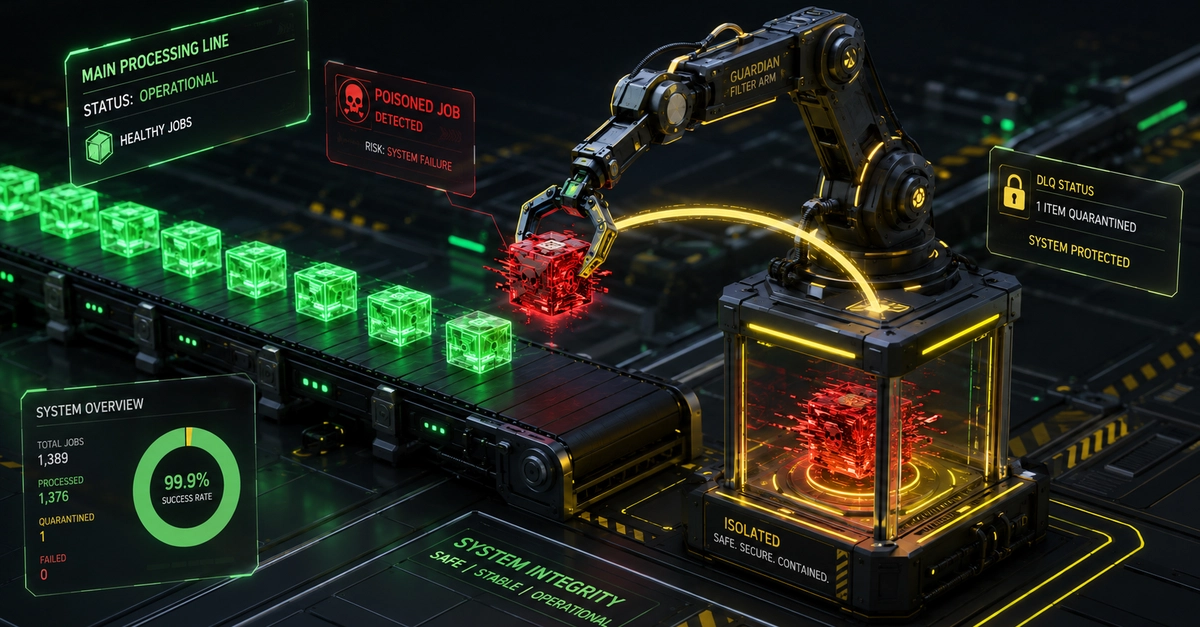
Here is the architectural vulnerability: If you route all these notifications into a single, generic default queue, you will eventually experience a high-traffic collision. When the marketing team dispatches a massive campaign blast to 50,000 subscribers, your queue fills with 50,000 heavy, low-priority email jobs. If a new user attempts to register at that exact second, their critical OTP validation message gets stuck at position 50,001. The user waits 15 minutes for their sign-in token, abandons the funnel, and leaves your platform. To maintain instant business delivery metrics, you must implement Queue Worker Isolation.
The Solution: Dedicated Traffic Channels
Queue worker isolation requires physically splitting your workload into specialized lanes. Instead of throwing everything into one processing pool, you assign distinct name categories to your pipelines and configure independent system processes to run them at different concurrency weights.