Comments
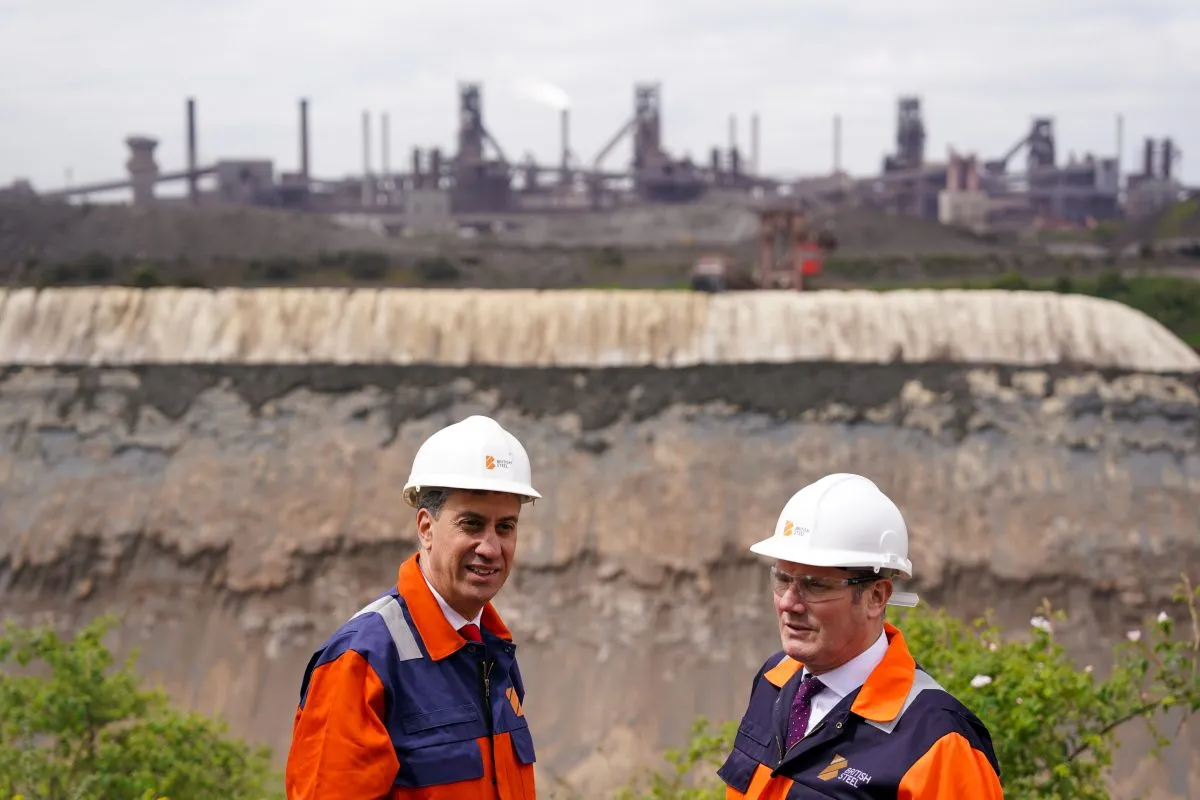
Keir Starmer won’t leave much of a legacy, but his last week has brought one thing which will be seen as a totemic achievement in Labour circles: he has completed the nationalisation of British Steel. Not only will that warm the cockles of his party members, but Starmer has stolen a march on Nigel Farage, who had also proposed to nationalise what remains of the steel industry.
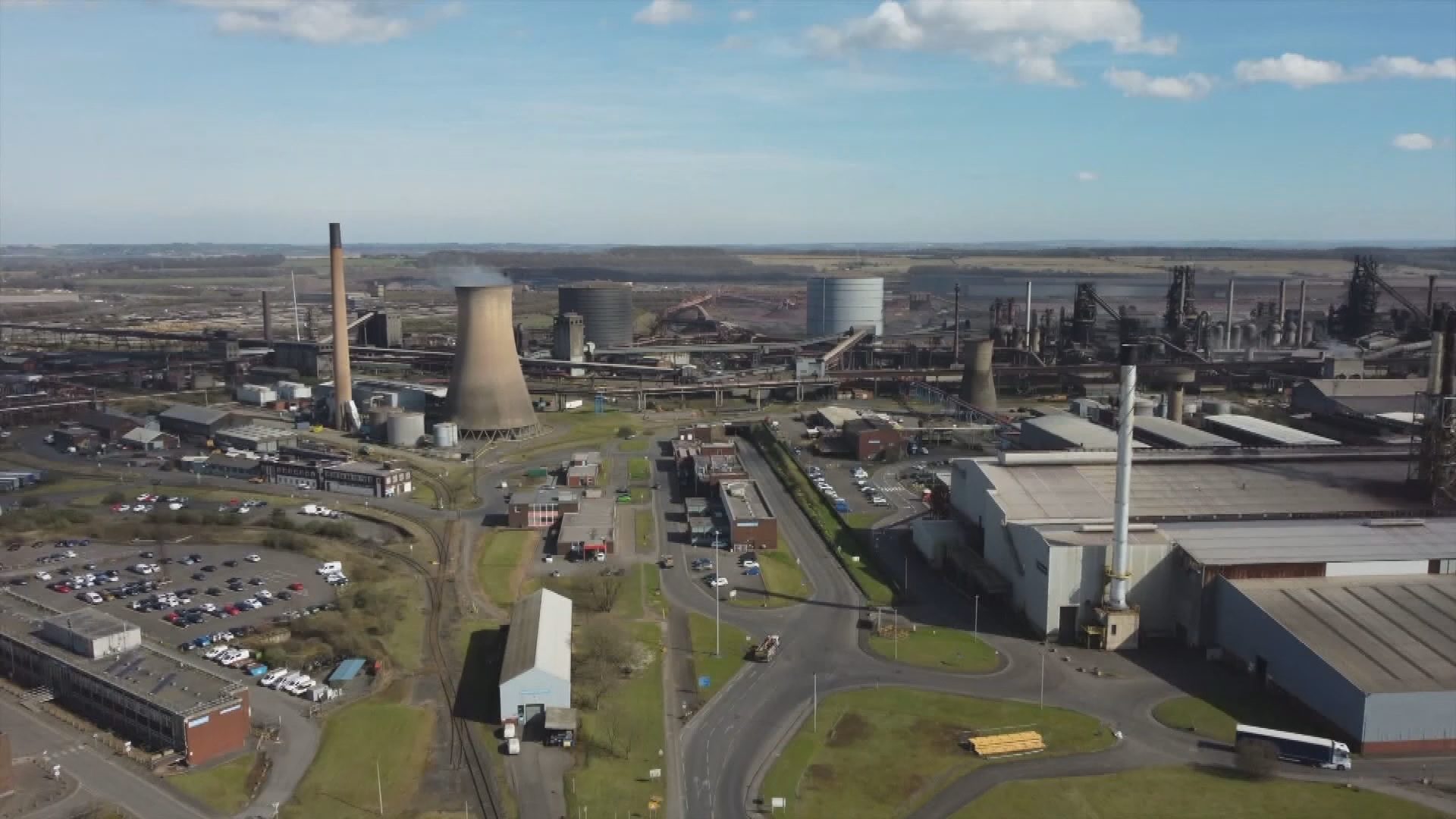
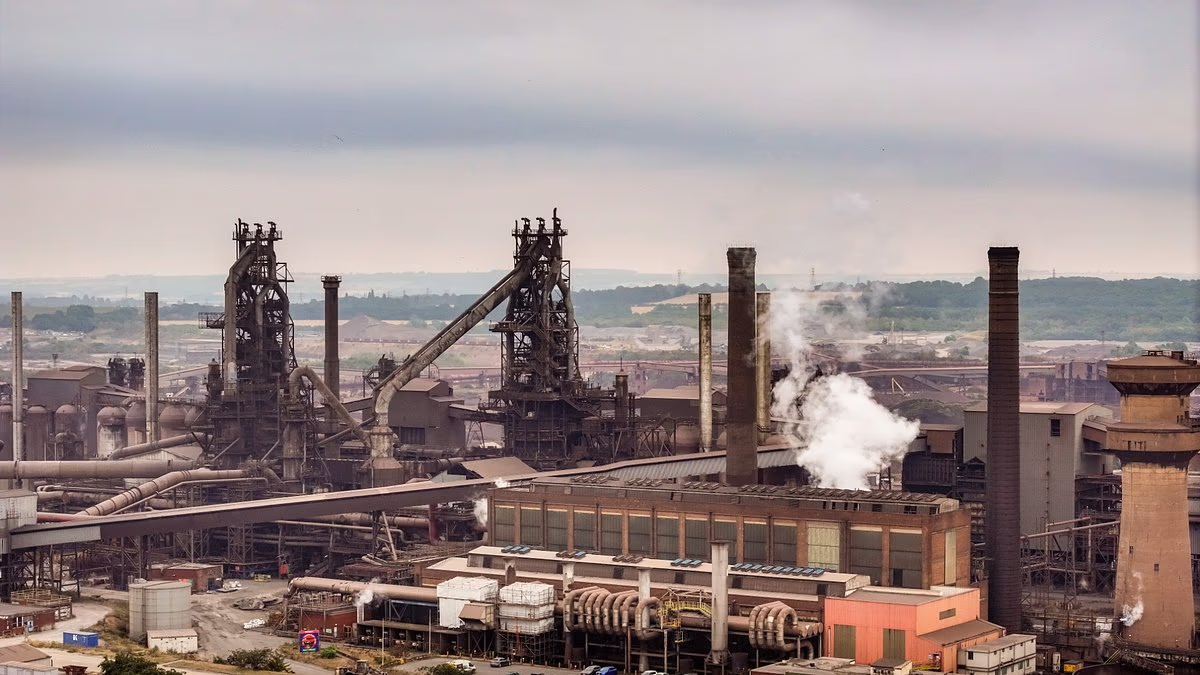
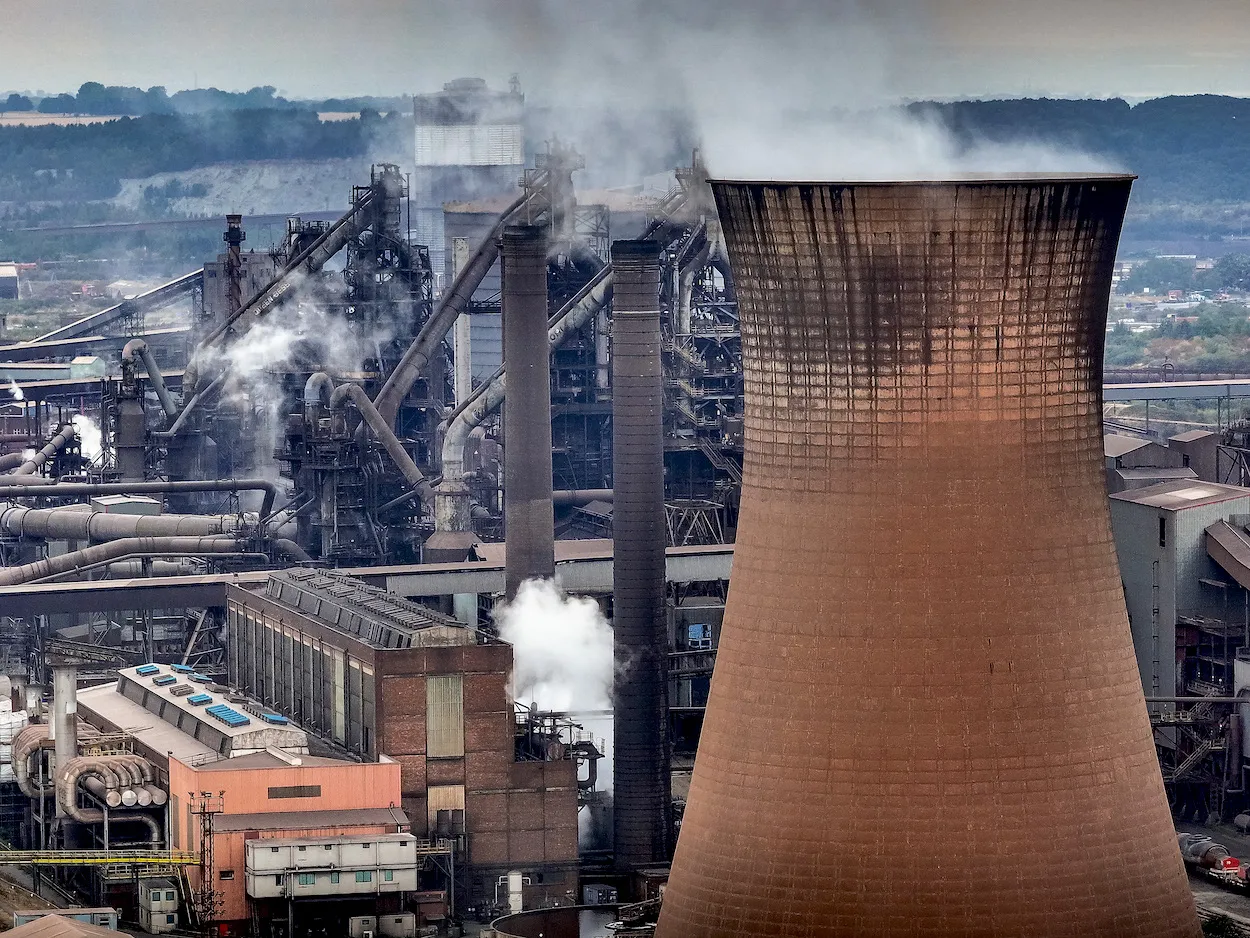
It would be easy to dismiss this as a 1970s tribute act, or a socialist dream of driving towards full collective ownership of the means of production. But in truth, taking British Steel into government ownership – at least on a temporary basis – can beto be a pragmatic policy, essential for national resilience and security. The company’s Chinese owners, Jingye, had threatened to close the blast furnaces at Scunthorpe, taking with it Britain’s last capability for primary steel-making (Port Talbot has closed its blast furnaces, and is building an electric arc furnace which will only be able to recycle steel). The government did try to find another private buyer, but failed. There are companies which have survived, and thrived, after being taken into temporary public ownership, such as Rolls Royce, which was nationalised in 1971 (under Edward Heath’s Conservative government) before being privatised again in 1987.