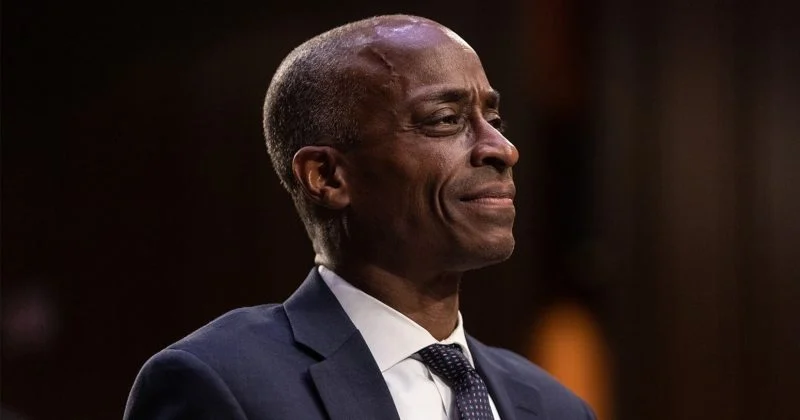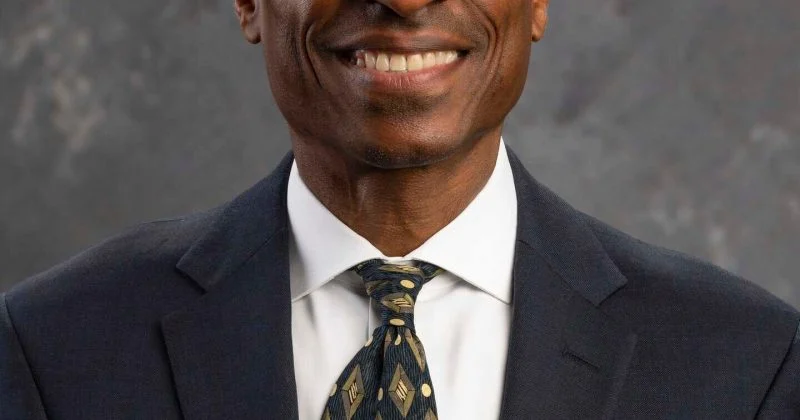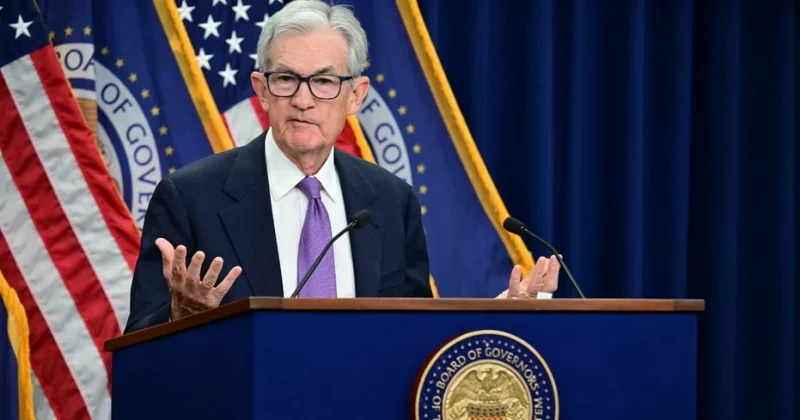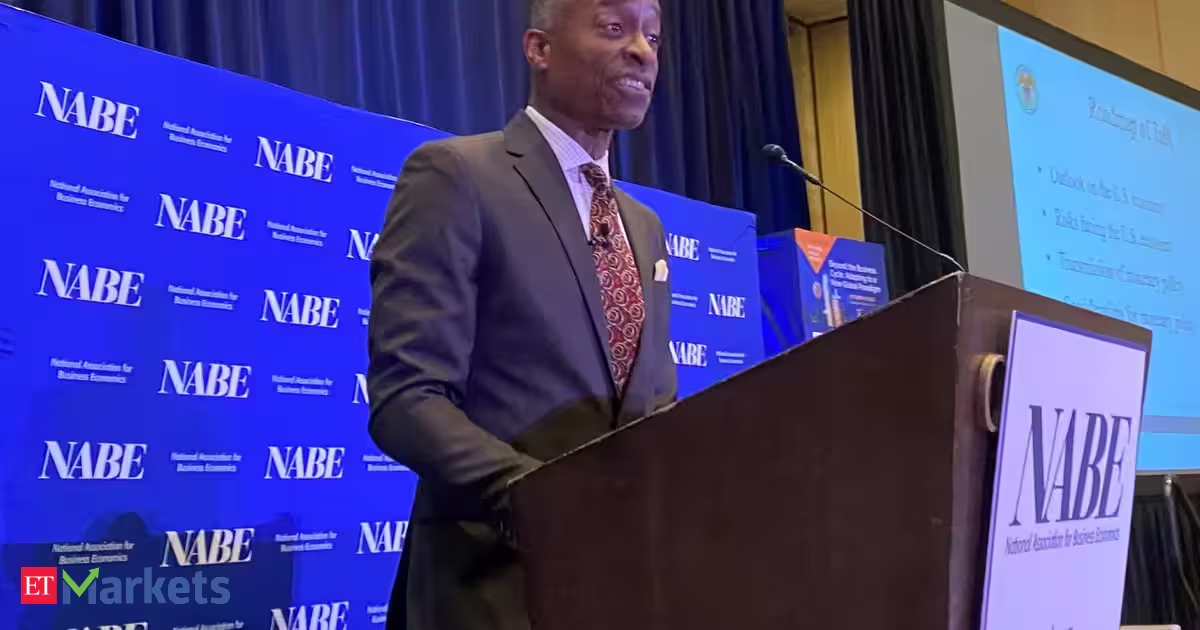
Federal Reserve Vice Chair Philip Jefferson has indicated that the U.S. central bank could consider raising interest rates if inflation fails to show sustained improvement in the near term, while maintaining that the current policy stance remains appropriate for now, according to Reuters.Speaking ahead of the Federal Reserve's July 28-29 policy meeting, Jefferson said keeping interest rates unchanged should continue supporting the labor market while allowing inflation to move back toward the Fed's 2% target as the effects of past tariffs and higher energy prices gradually fade, as per a Reuters report.However, he cautioned that if inflation does not begin cooling soon, policymakers may need to reassess the current policy stance to ensure price stability is achieved.Financial markets have largely ruled out the possibility of a rate hike at the upcoming meeting after government data this week showed U.S. consumer price inflation eased in June. Even so, several Fed officials remain cautious about drawing conclusions from a single month of favorable inflation data following a prolonged period of persistent price pressures, according to Reuters.The debate within the Federal Reserve is expected to intensify after Dallas Fed President Lorie Logan argued earlier on Thursday that higher interest rates may already be warranted. Jefferson, however, stopped short of endorsing that view, instead describing the current policy stance as appropriately positioned.Jefferson's remarks placed greater emphasis on inflation risks than on labor market concerns, reflecting continued confidence in employment conditions while highlighting worries that inflation could remain stubbornly elevated.Jefferson said the conflict in the Middle East and higher fuel prices are likely to have only a limited impact on economic demand but could add to inflationary pressures already heightened by last year's tariff increases.He also warned that repeated economic shocks increase the risk of inflation becoming entrenched and long-term inflation expectations becoming unanchored, making it critical to monitor whether higher energy prices feed into persistent inflation.Jefferson also highlighted the uncertain impact of artificial intelligence on inflation. According to Reuters, he said AI could eventually help reduce inflation by boosting productivity, but in the near term it could fuel price pressures if stronger investment and consumer spending outpace productivity gains.
US Stock Market: Fed's Jefferson signals openness to rate hike if inflation stays elevated
Federal Reserve Vice Chair Philip Jefferson indicated potential interest rate hikes if inflation fails to improve. Current policy remains appropriate for now, supporting the labor market and inflation's return to 2%. However, policymakers may reassess if inflation does not cool soon, ensuring price stability. Jefferson highlighted inflation risks over labor market concerns, noting potential impacts from global events.
355 words~2 min read