The pitch arrives the way most opportunities do in West Africa's digital economy: through a WhatsApp message, a Facebook post, a friend of a friend. There is a job waiting overseas, the recruiter says. Good pay. Travel. A future. All that is needed is a registration fee, conveniently paid through mobile money.
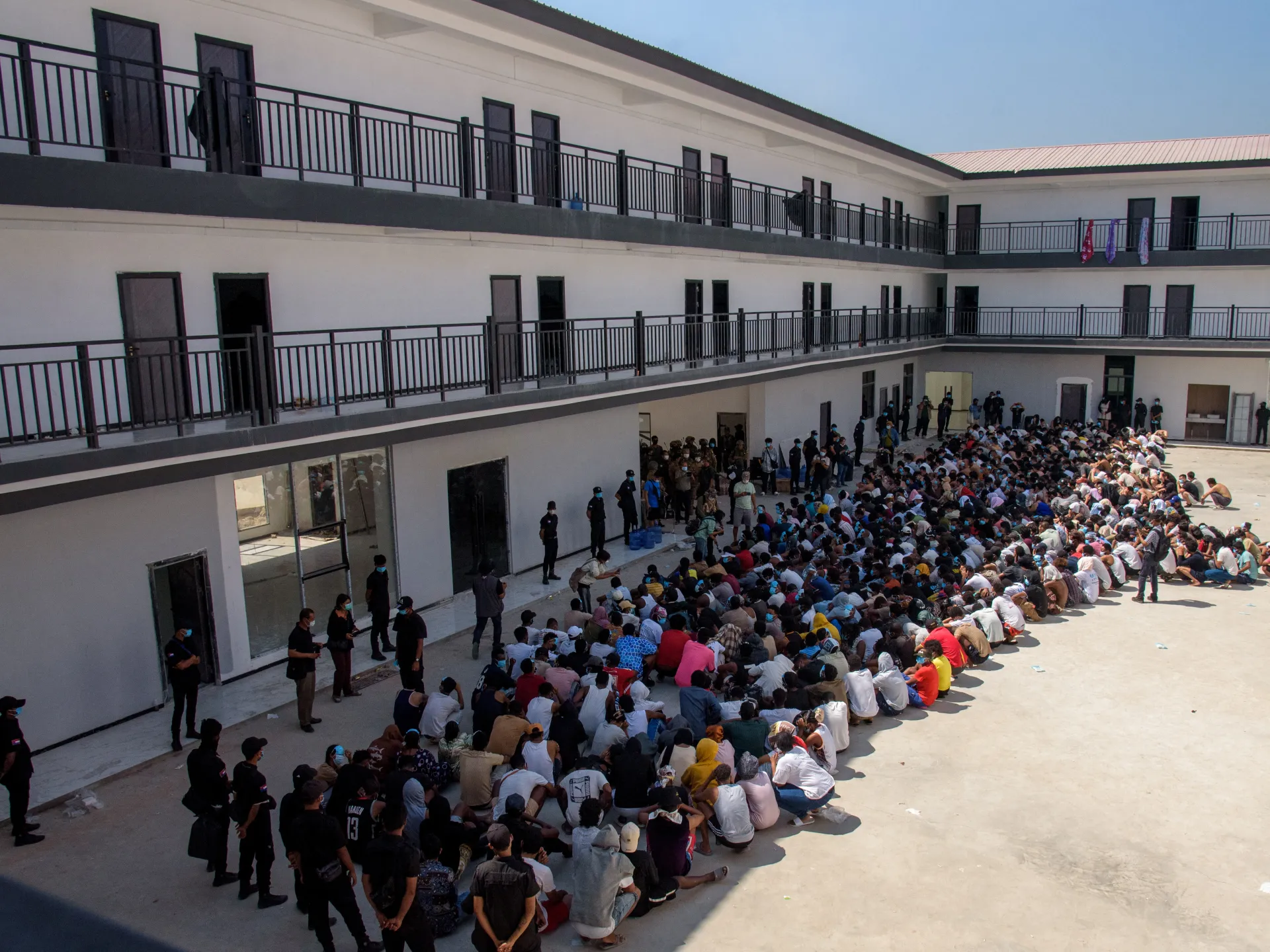
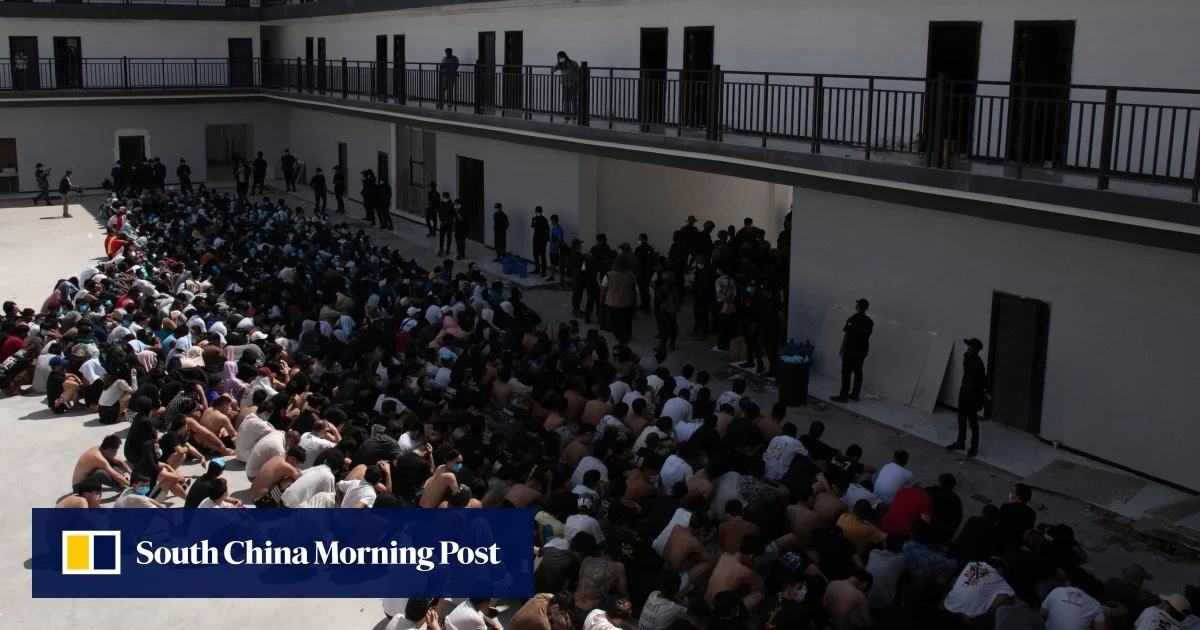
Weeks later, the trajectory investigators describe is grimly consistent. The job seeker has been taken to a third country, supposedly for visa processing, through the region's porous borders. His passport has been confiscated. His phone is monitored. And he is being ordered to call his family for money, or to recruit friends back home into the same scheme. For thousands of young Africans, a message that looked like a way out has become the entry point into one of the most sophisticated criminal enterprises operating on the continent.
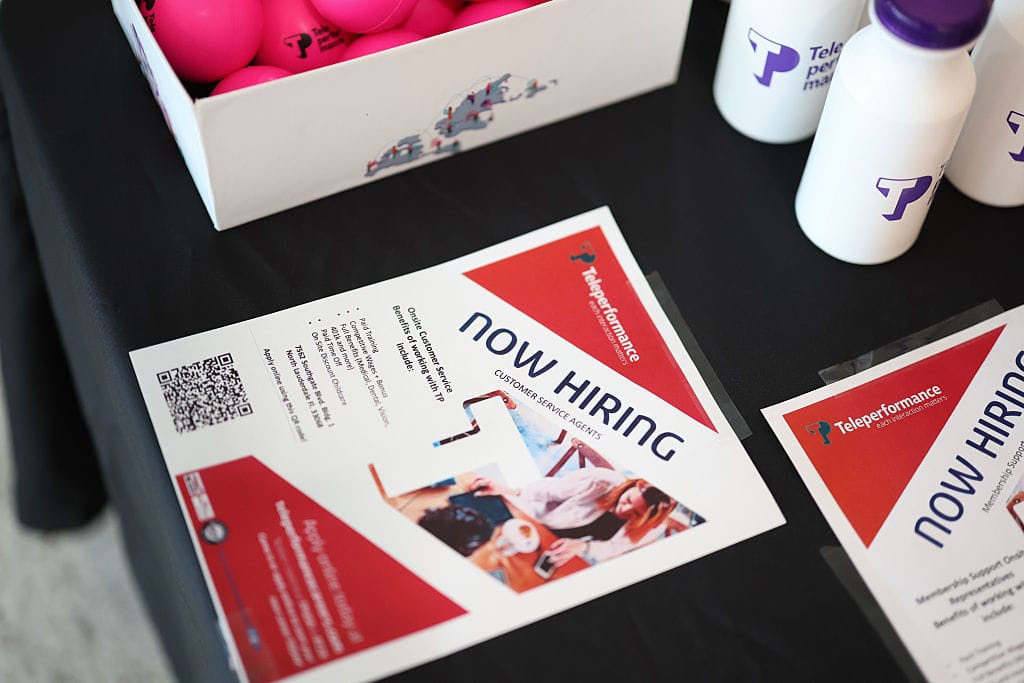
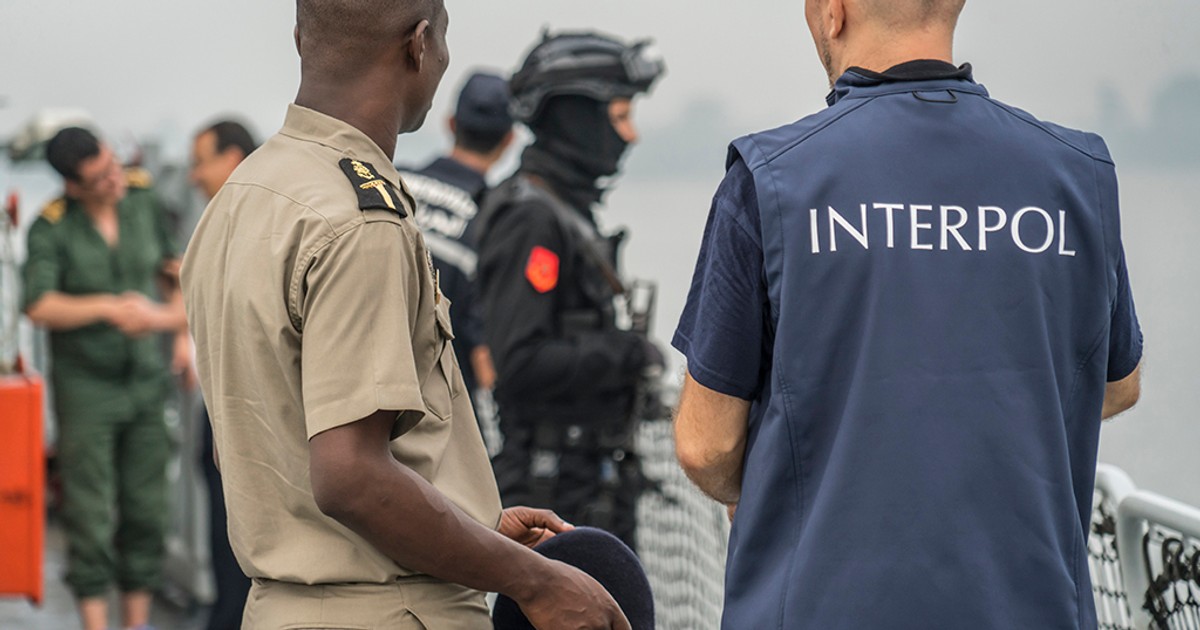
The method now has an official name. INTERPOL refers to it as Model Q, a term created to distinguish the criminal operation from the legitimate company whose identity it systematically impersonates. In early July, law enforcement agencies from thirteen West African countries gathered in Accra alongside officials from INTERPOL headquarters in Lyon, and Ghana's Economic and Organised Crime Office (EOCO) for a three-day operational workshop dedicated to dismantling these networks.