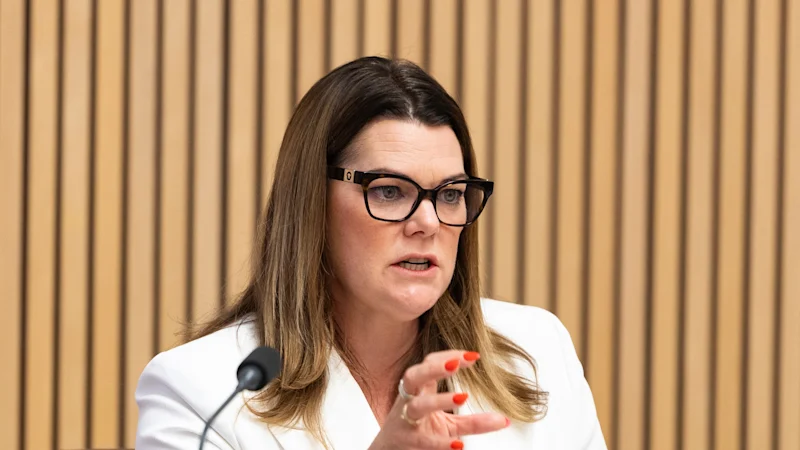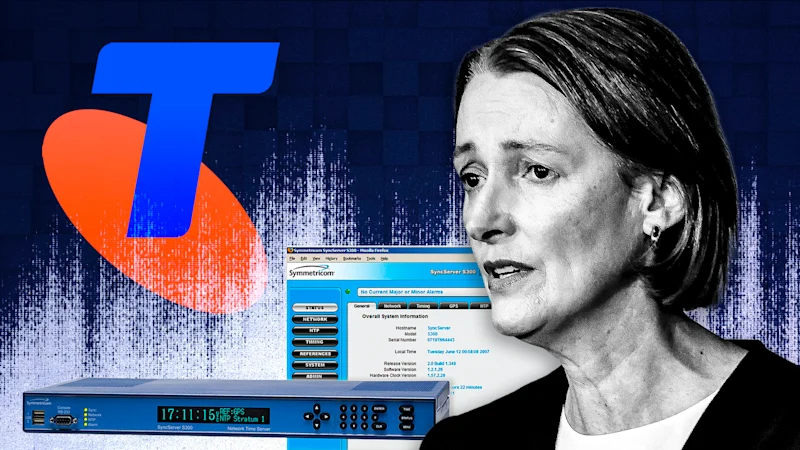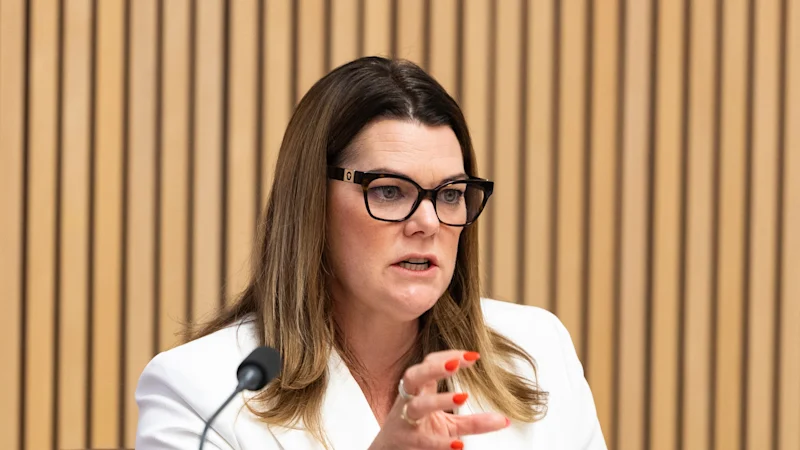
July 17, 2026 — 10:57amTelstra has conceded that its nationwide outage last week would have been averted had the telco replaced an ageing server that cost just $30,000, as its chief executive reveals approximately 45 per cent of all calls and data sessions on its network were hit at the peak of its fault.A senior Telstra executive, Gerard Tracey, told Friday’s Senate inquiry hearing that newer equipment would have stopped last week’s mass network outage from occurring, in the clearest concession yet from the company that the failure was avoidable.Telstra’s group owner of end-to-end service performance and resilience, Gerard Tracey, conceded the outage would not have occurred if the company had replaced its old server.AAPAsked whether a newer piece of hardware operating as intended would have prevented the fault, Tracey said: “A newer piece of hardware operating in the same design that we intended to, the issue wouldn’t have happened.”The admission came after chief executive Vicki Brady had twice declined to answer the same question directly, telling the committee it would be addressed by Telstra’s ongoing investigation.Tracey’s answer is the first clear confirmation from Telstra that replacing the ageing server, which this masthead first reported cost about $30,000 to replace, would have avoided the outage that cut hundreds of people off from Triple Zero and disrupted trains and eftpos terminals in several states.Brady said the server lost its ability to communicate with another part of the network months before the outage.Telstra chief executive Vicki Brady has conceded the company had received warnings about the device that caused the error.AAPThe device, which had been bought in 2011 but which Telstra said was still supported by its manufacturer, Microchip, has since been replaced. Replacing all such devices across the network would have cost much more. Telstra also argued that if the device had a software patch applied, or if a change to how it worked made by staff some time ago had been properly documented, the outage would have been prevented.In a submission detailing the events leading up to the failure, Telstra said a technician arrived at its Exhibition Street exchange in Melbourne late on July 7 to replace the chassis housing the timing server, prompted by a faulty back-up power feed. When power was restored at 3.38am the next morning, a GPS card inside the device “did not operate as expected” and the server reset its date to 2006. The wrong date then spread through the network, invalidating authentication certificates and knocking customers offline.Brady also told the hearing the company would investigate how it responded to a warning sent by US semiconductor company Microchip Technology to telco customers including Telstra about problems with the server. One warning was sent in 2022, with a follow-up within the last 12 months.It’s been reported that rivals Optus and TPG also received such warnings and worked to run updates to avoid the rollover event.“I’m concerned as well, and that is part of the detailed investigation that is under way, and the external expert that will come in, come in and test our overall investigation. That’s what we need to get to the bottom of. We know that our teams did get the alert of a software update,” Brady said.“This is not an excuse, but putting in context, there are many software updates and changes getting made across the network. Any software update creates a risk, and we put it into testing. In this case, they thought, given the design that was in place, it was not relevant because we were not using this equipment in the way that would trigger this risk,” she said.Brady said that at its peak, last week’s outage affected approximately 45 per cent of all calls and data sessions on Telstra’s mobile network. The company had initially said that probably only thousands of customers had been affected. It has said all of its communications were accurate at the time, but that the outage slowly got worse.The 45 per cent figure is Telstra’s first public disclosure of the scale of the outage at its worst point.This masthead first revealed that the outage was caused by the device “time travelling” back to 2006.The Business Briefing newsletter delivers major stories, exclusive coverage and expert opinion. Sign up to get it every weekday morning.From our partners
Telstra concedes 15-year-old, $30,000 device responsible for outage
In a submission lodged hours before Friday’s Senate hearing, Telstra says a software update was never applied to the device that triggered the outage.
711 words~3 min read